Apartment fit
Possible with daily scent work and noise management. The breed is small but still a working hound.
 Austria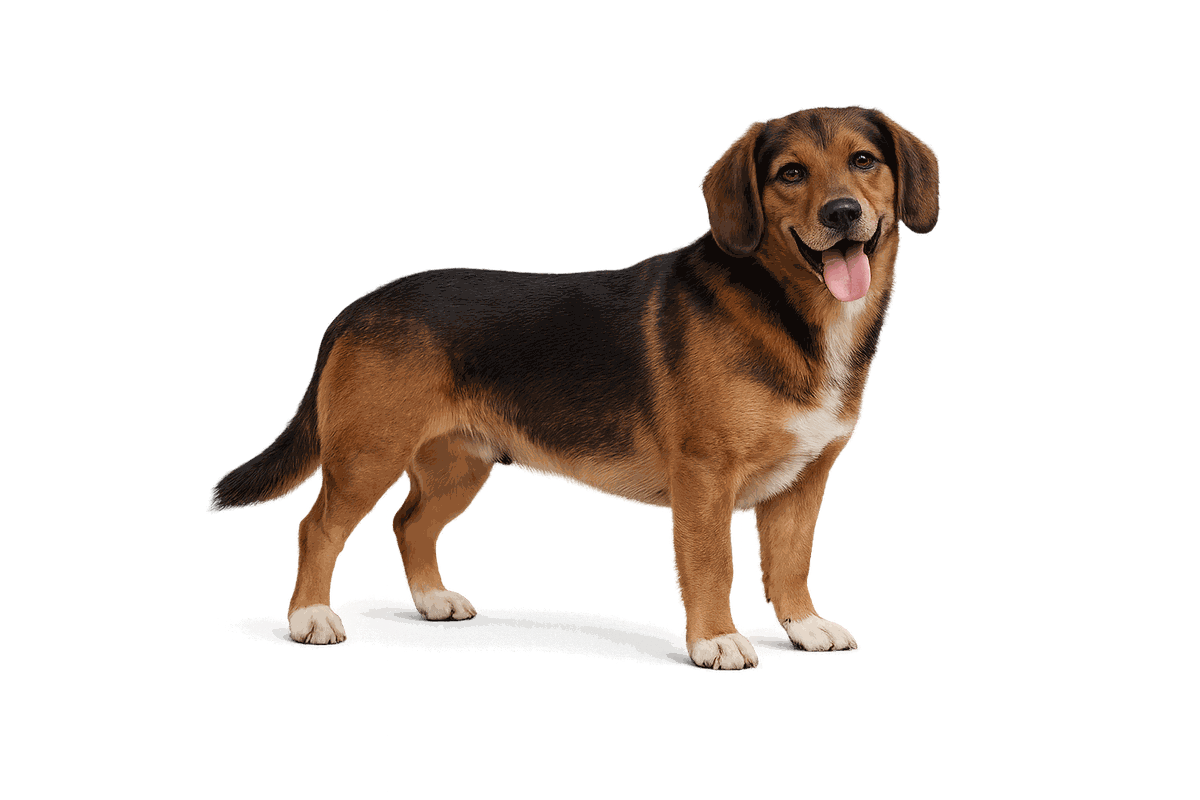
Weight
33-40 lb
Height
13-16 in
Lifespan
10-13 yrs
Coat
Dense Short
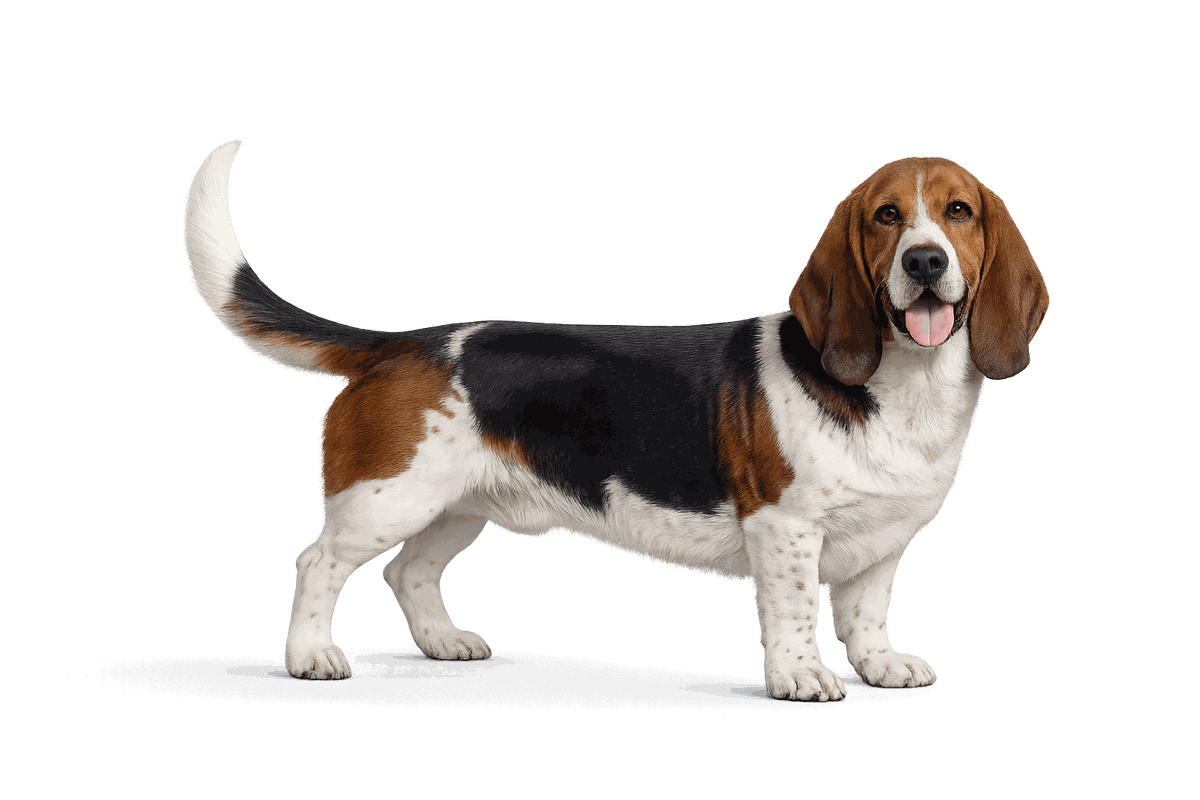
The Alpine Dachsbracke is an Austrian short-legged scent hound used by mountain hunters to track wounded deer and hunt hare or fox.
Official, native, and commonly used variants
Weight
33-40 lb
Height
13-16 in
Lifespan
10-13 yrs
Coat
Dense Short
At A Glance
A quick read on energy, upkeep, and what day-to-day life with this breed usually feels like.
Energy
Moderate
Barking
Moderate
Drooling
Low
Shedding
Moderate
Grooming
1/5
First-time owner
Yes
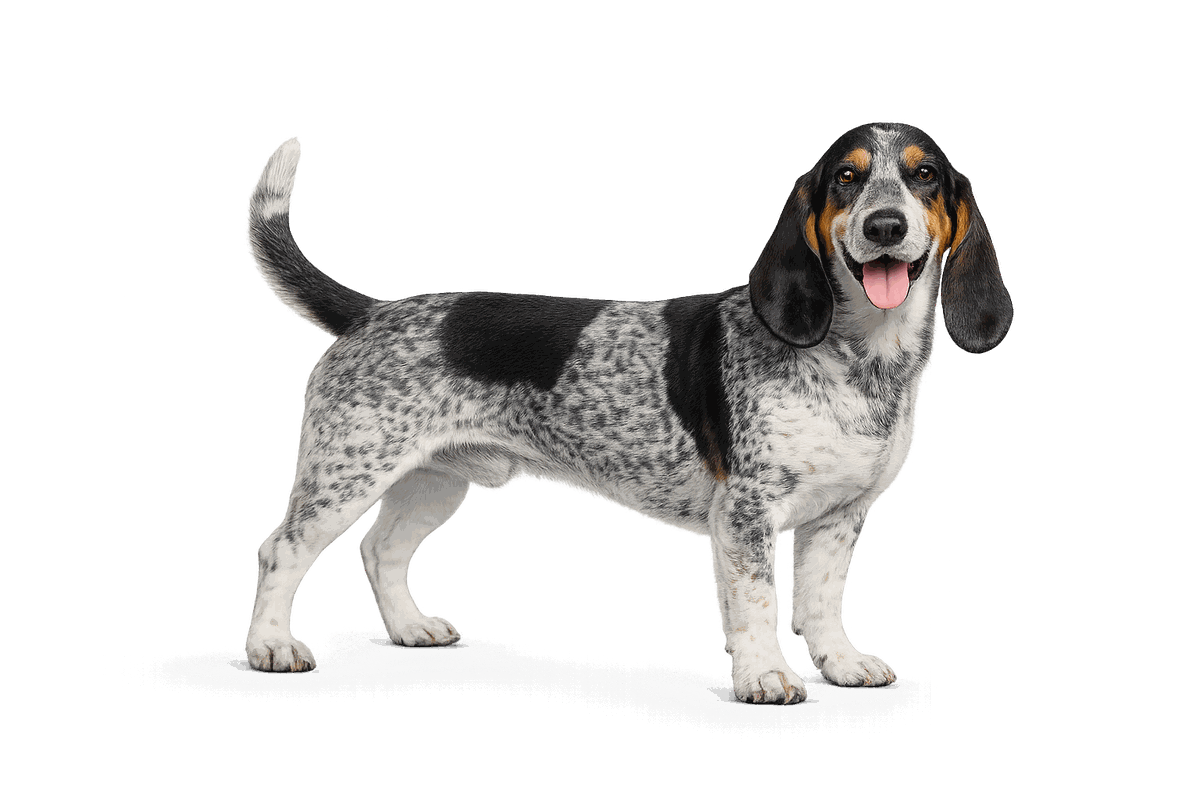
The Alpine Dachsbracke is a robust, weather-resistant Austrian working hound. The FCI standard describes it as a short-legged, sturdy hunting dog with strong bone, dense coat, firm muscles, and use as a tracking hound for wounded deer as well as a scent hound for hare and fox. Its body is longer than tall, built for ground-covering work rather than speed.
The breed's expression should be intelligent and friendly, with a fearless personality. In a home setting, that means a practical, steady dog with real hunting instincts. Owners should expect nose-led behavior, a strong interest in trails, and the need for leash control or secure areas rather than casual off-leash freedom.
The double coat is close-fitting, dense, and easy to maintain. The standard favors dark deer red, with or without black hairs, or black with clearly defined red-brown markings. Weight control, ear care, back safety, and regular foot checks matter because this is a long-bodied, low hound built for rough terrain.
This breed tends to suit homes looking for a determined, calm, loyal companion, with daily rhythms shaped by moderate energy, moderate barking, and low drooling.
Coat type
Dense
Coat length
Short
Shedding
Moderate
Colors
Deer Red, Black and Tan
Possible with daily scent work and noise management. The breed is small but still a working hound.
Expect hound vocalization when excited or on scent. Management should focus on controlled outlets and quiet practice.
Use rewards and long-line management. Recall needs steady work because the breed was made to follow scent.
The coat is easy to maintain, but ears, nails, paws, belly, and body weight need consistent checks.
Most Alpine Dachsbrackes need steady daily walks and scent work. Long-line tracking games, controlled countryside walks, and secure sniffing outlets suit the breed better than repetitive ball play.
The short dense double coat is simple to brush. Check ears, nails, pads, belly, and skin after wet cover, snow, burrs, or hunting terrain.
Train with patience and food rewards, especially for recall, leash manners, quiet cues, and leaving wildlife scent. Expect persistence once the dog is on a trail.
Keep portions measured and body condition lean. Extra weight can stress the long back and short legs, so monitor treats, exercise, and joint comfort.
Energy level
Moderate
Barking level
Moderate
Drooling level
Low
Watchdog ability
3/5
Guard dog ability
1/5
Climate tolerance
Common concerns to discuss with your vet and breeder.
This profile was researched from established breed and canine-care references. Breed tendencies describe typical patterns, not a guarantee for every individual dog.
Reviewed by the Dogs Index Editorial Team. For health or behavior concerns, consult a veterinarian or appropriately qualified professional.
Our Shop
Browse practical products for feeding, grooming, cleanup, enrichment, and smoother daily routines.