Apartment fit
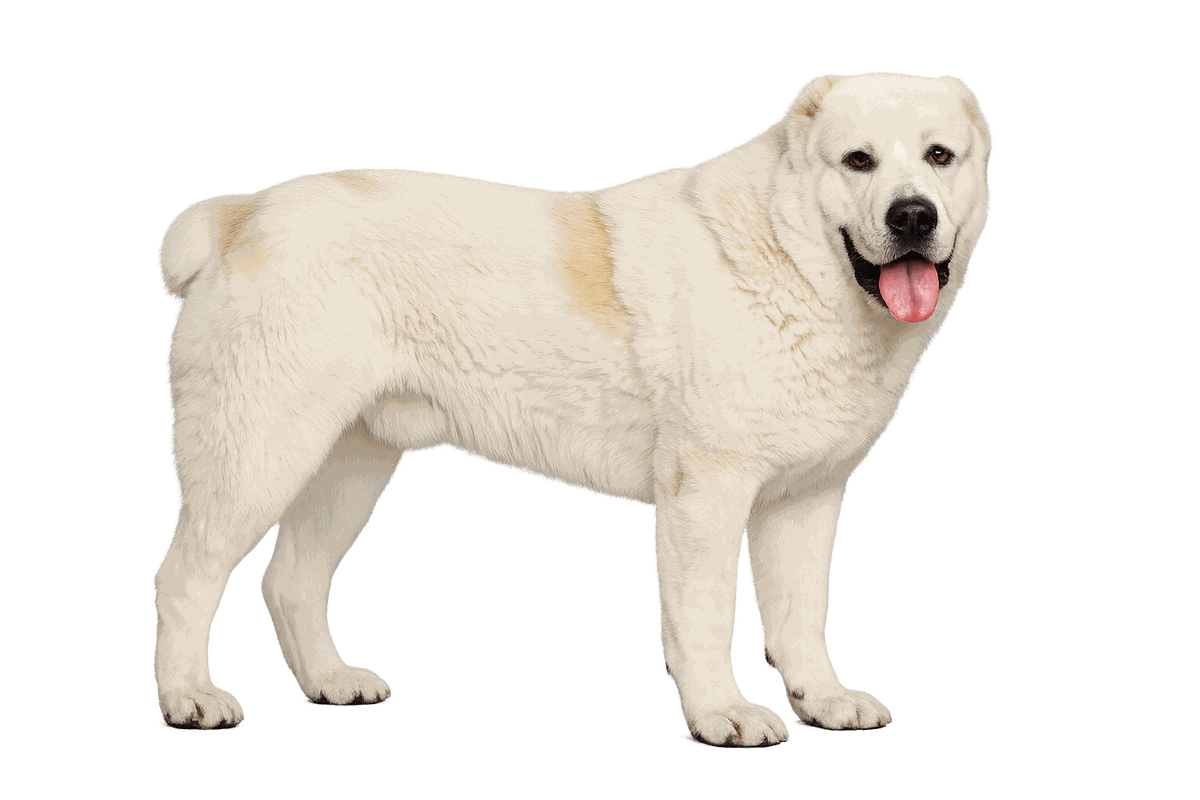
Anatolian Shepherd is generally a poor apartment fit. Size is only part of the problem; the breed's guarding instincts, stranger suspicion, voice, and need for secure outdoor space make dense housing difficult.
 Turkey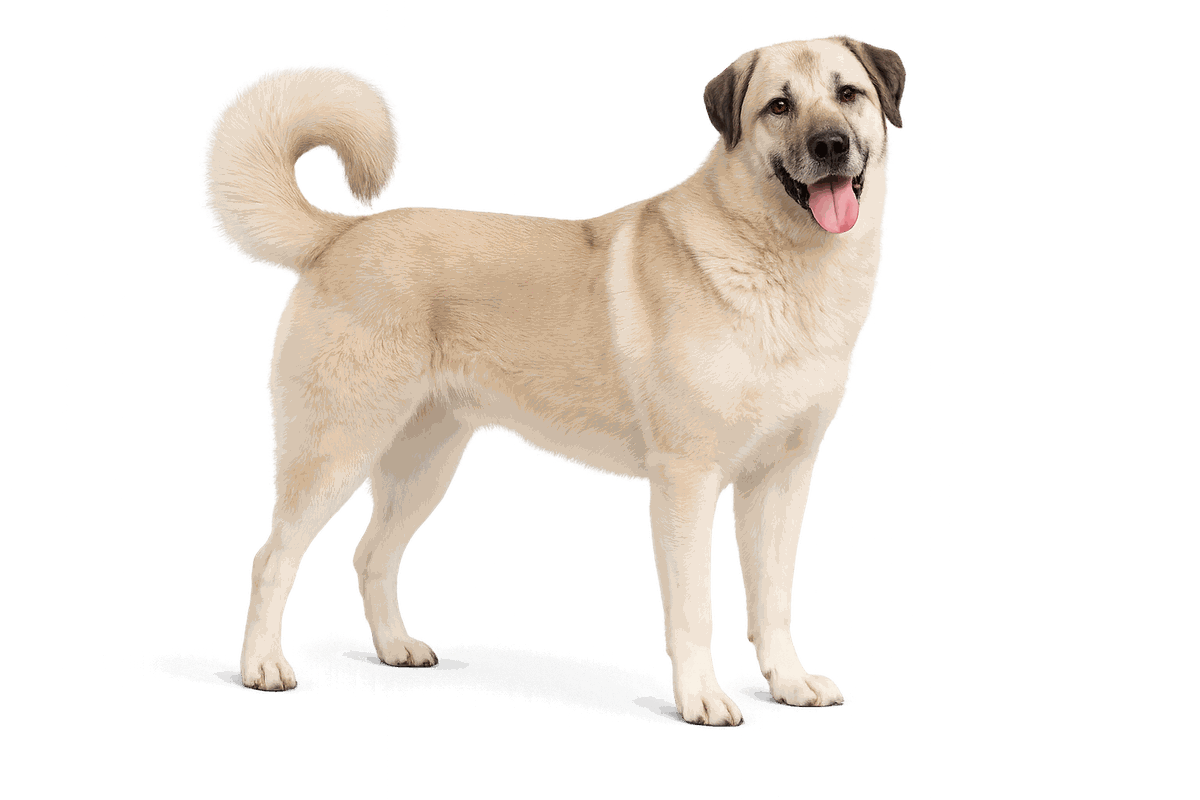
Weight
80-150 lb
Height
27-29 in
Lifespan
11-13 yrs
Coat
Double Short
The Anatolian Shepherd is a large Turkish livestock guardian, known for independence, loyalty, territorial awareness, and serious protection instincts.
Official, native, and commonly used variants
Weight
80-150 lb
Height
27-29 in
Lifespan
11-13 yrs
Coat
Double Short
At A Glance
A quick read on energy, upkeep, and what day-to-day life with this breed usually feels like.
Energy
High
Barking
Moderate
Drooling
Moderate
Shedding
Moderate
Grooming
2/5
First-time owner
No
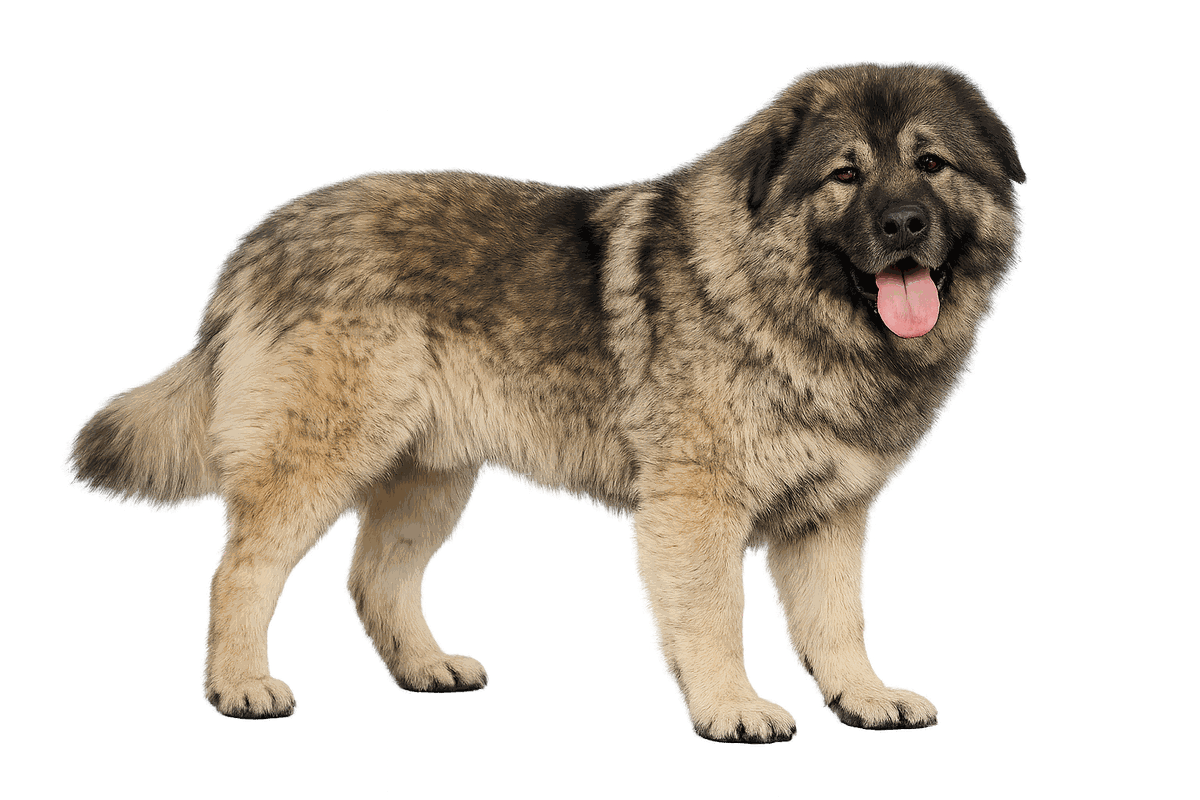
The Anatolian Shepherd Dog is the AKC-recognized name for a large livestock guardian from Turkey and Asia Minor. It was developed to live with flocks, make decisions at a distance from people, and deter predators, so its temperament is very different from a biddable herding dog or a general family watchdog.
A correct Anatolian is powerful, calm, observant, and deeply bonded to its own people and animals, while typically reserved with strangers. The short to rough double coat can appear in many colors and patterns, with fawn and a black mask especially familiar. Exercise matters, but the bigger issue is management: secure fencing, controlled introductions, early socialization, and owners who understand guardian behavior.
This breed is not a casual first dog. It can be steady and affectionate in the right rural or spacious home, but it is usually a poor match for busy urban housing, frequent visitors, off-leash dog parks, or owners who expect instant obedience from a naturally independent guardian.
This breed tends to suit homes looking for a loyal, confident, protective companion, with daily rhythms shaped by high energy, moderate barking, and moderate drooling.
Coat type
Double
Coat length
Short
Shedding
Moderate
Colors
Fawn with Black Mask, Pinto, Brindle
Anatolian Shepherd is generally a poor apartment fit. Size is only part of the problem; the breed's guarding instincts, stranger suspicion, voice, and need for secure outdoor space make dense housing difficult.
Anatolian Shepherd may be quick to alert when it hears strangers, door activity, other dogs, or unusual movement. Owners should reward the Anatolian Shepherd for quiet check-ins, limit rehearsed window barking, and avoid yelling, which can add more arousal.
Anatolian Shepherd training should focus on early socialization, calm handling, leash control, recall foundations, and clear household rules. This breed was selected to think independently, so training should be fair and consistent without expecting retriever-like obedience.
The Anatolian Shepherd's short double coat is relatively simple to maintain, with moderate shedding. Routine brushing, nail trimming, ear checks, and skin checks still matter for the Anatolian Shepherd, especially after muddy walks or seasonal shedding changes.
Anatolian Shepherd needs about 60 to 90 minutes a day for many healthy adults, built from longer walks, active play, and regular training or scent games. For the Anatolian Shepherd, build activity into most days instead of relying on one big weekend outing, and mix in sniffing, training, or puzzle work so the dog has a mental outlet as well as physical movement.
The Anatolian Shepherd's short double coat is relatively simple to maintain, with moderate shedding. Routine brushing, nail trimming, ear checks, and skin checks still matter for the Anatolian Shepherd, especially after muddy walks or seasonal shedding changes.
Anatolian Shepherd training should focus on early socialization, calm handling, leash control, recall foundations, and clear household rules. This breed was selected to think independently, so training should be fair and consistent without expecting retriever-like obedience.
Feed Anatolian Shepherd a measured diet appropriate for a large dog, its age, and its activity level. For the Anatolian Shepherd, keep body condition lean, adjust portions when exercise changes, and ask your veterinarian about diet details if weight, digestion, allergies, or joint stress are concerns.
Energy level
High
Barking level
Moderate
Drooling level
Moderate
Watchdog ability
5/5
Guard dog ability
4/5
Climate tolerance
Common concerns to discuss with your vet and breeder.
This profile was researched from established breed and canine-care references. Breed tendencies describe typical patterns, not a guarantee for every individual dog.
Reviewed by the Dogs Index Editorial Team. For health or behavior concerns, consult a veterinarian or appropriately qualified professional.
Our Shop
Browse practical products for feeding, grooming, cleanup, enrichment, and smoother daily routines.