HerdingMediumUnited States

Australian Shepherd

Australian Shepherd

Weight

40-65 lb

Height

18-23 in

Lifespan

12-15 yrs

Coat

Double Medium

The Australian Shepherd is a United States herding breed, an athletic, intelligent stock dog with strong trainability and serious daily work needs.

United States ranch and stock dog despite the Australian nameAccepted colors include blue merle, red merle, black, and redHigh trainability with equally high need for work and structureHealth screening should include hips, elbows, eyes, and MDR1 status
Breed Names

Official, native, and commonly used variants

Aussie
IntelligentEnergeticResponsiveLoyalAlertVersatile
Australian Shepherd

Weight

40-65 lb

Height

18-23 in

Lifespan

12-15 yrs

Coat

Double Medium

At A Glance

Daily living snapshot

A quick read on energy, upkeep, and what day-to-day life with this breed usually feels like.

Energy

Very High

Barking

Moderate

Drooling

Low

Shedding

Moderate

Grooming

3/5

First-time owner

Yes

Overview

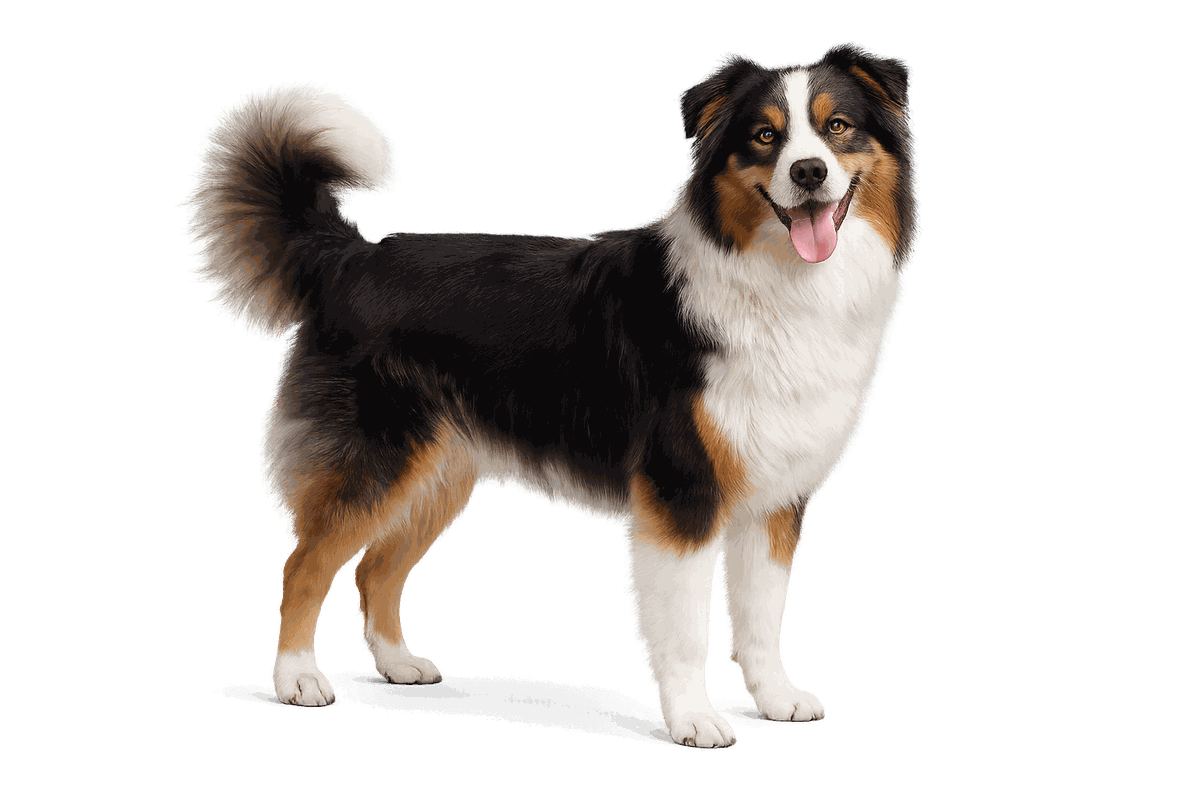
Despite the name, the Australian Shepherd was developed in the United States as a ranch and stock dog. It is a medium, athletic herder with a weather-resistant double coat and accepted colors of blue merle, red merle, black, and red, with or without white markings and tan points.

A good Aussie is intelligent, animated, loyal, and responsive, but that responsiveness comes with intensity. The breed can excel in obedience, agility, herding, hiking, and active family life, yet may become barky, pushy, or anxious if underworked or poorly socialized.

Australian Shepherds can suit committed first-time owners, but only when the owner wants to train daily. Health conversations should include hips, elbows, eyes, hereditary cataracts, and MDR1 drug sensitivity, especially before breeding or buying a puppy.

Temperament & Personality

IntelligentEnergeticResponsiveLoyalAlertVersatile

This breed tends to suit homes looking for a intelligent, energetic, responsive companion, with daily rhythms shaped by very high energy, moderate barking, and low drooling.

Coat type

Double

Coat length

Medium

Shedding

Moderate

Colors

Blue Merle, Red Merle, Black, Red

Lifestyle Compatibility

Family Friendly5/5
Good with Kids4/5
Good with Dogs4/5
Good with Strangers3/5
Apartment Friendly2/5
Exercise Needs5/5
Grooming Needs3/5
Trainability5/5

Good fit if you want

  • A family-friendly companion
  • Room for routine exercise
  • A more forgiving first ownership experience

Plan ahead for

  • 5/5 exercise needs
  • moderate shedding and coat upkeep
  • moderate barking in daily life

Owner Fit & Everyday Behavior

Best for

  • active owners who want a trainable ranch-style herder
  • people interested in agility, obedience, herding, hiking, or trick training
  • families prepared to supervise herding behavior around children
  • homes that can provide grooming plus daily mental work

Not ideal for

  • homes wanting a low-effort dog with minimal daily exercise
  • owners who choose the breed mainly for merle color
  • small apartments with no plan for work outlets, barking, and decompression

Common challenges

  • alert barking and motion sensitivity
  • restlessness when mental work is skipped
  • herding or body-blocking children, pets, or visitors

Apartment fit

Australian Shepherd is usually harder to manage in an apartment, especially when exercise, space, or noise control are limited. Owners of the Australian Shepherd should plan quiet walking routes, enough decompression time, and training for elevators, hallways, visitors, and nearby dogs.

Barking & behavior

Australian Shepherd may be quick to alert when it hears strangers, door activity, other dogs, or unusual movement. Owners should reward the Australian Shepherd for quiet check-ins, limit rehearsed window barking, and avoid yelling, which can add more arousal.

Training style

Australian Shepherd training should combine obedience, impulse control, recall, settling skills, and work-like outlets such as herding, agility, tricks, or scent games. This breed learns patterns quickly, so inconsistent rules create fast problems.

Grooming & shedding

The Australian Shepherd's medium double coat needs weekly brushing, extra attention behind the ears and in friction areas, and more work during seasonal shedding. Check ears, nails, and paw pads after active outdoor days.

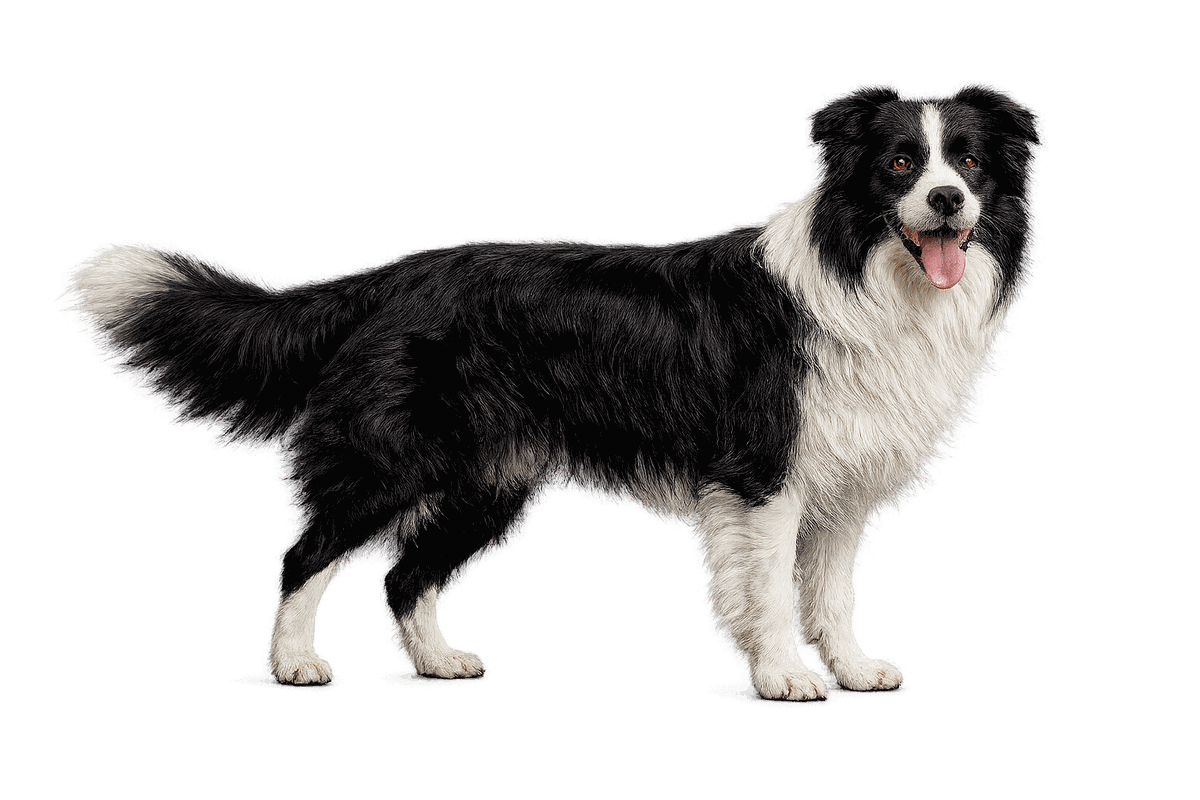
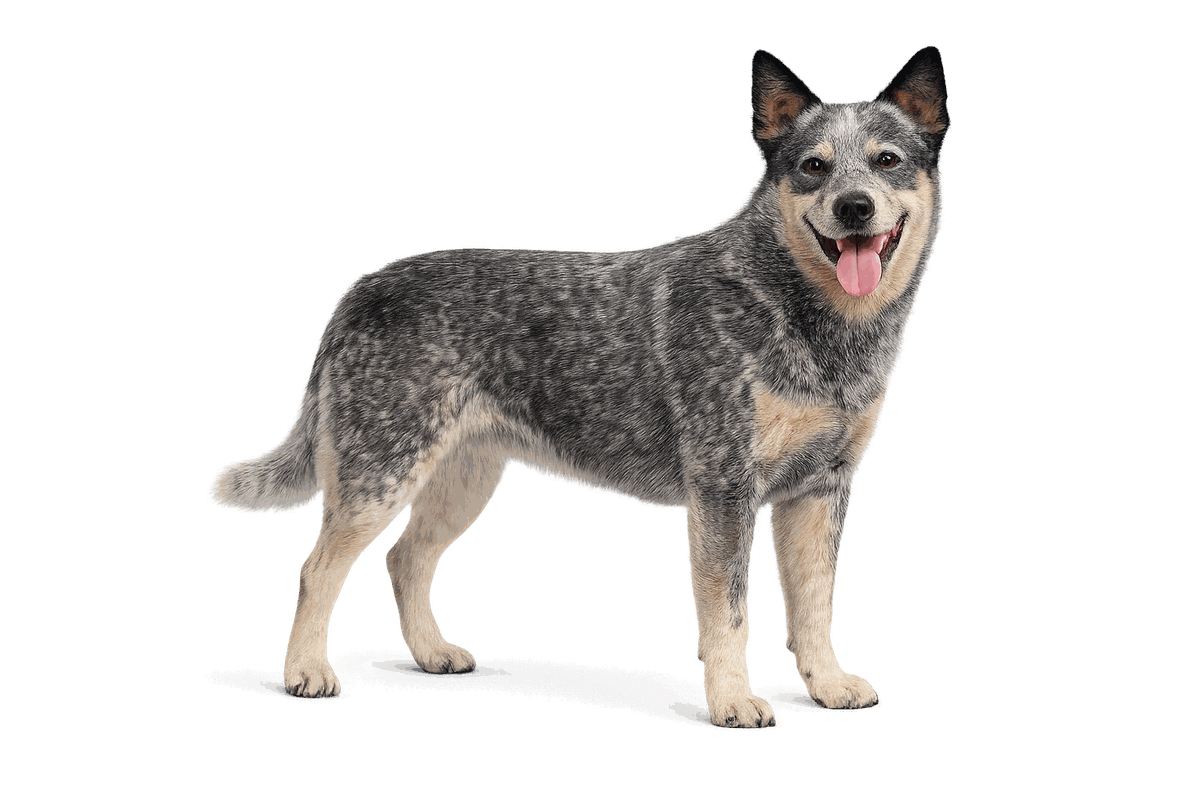
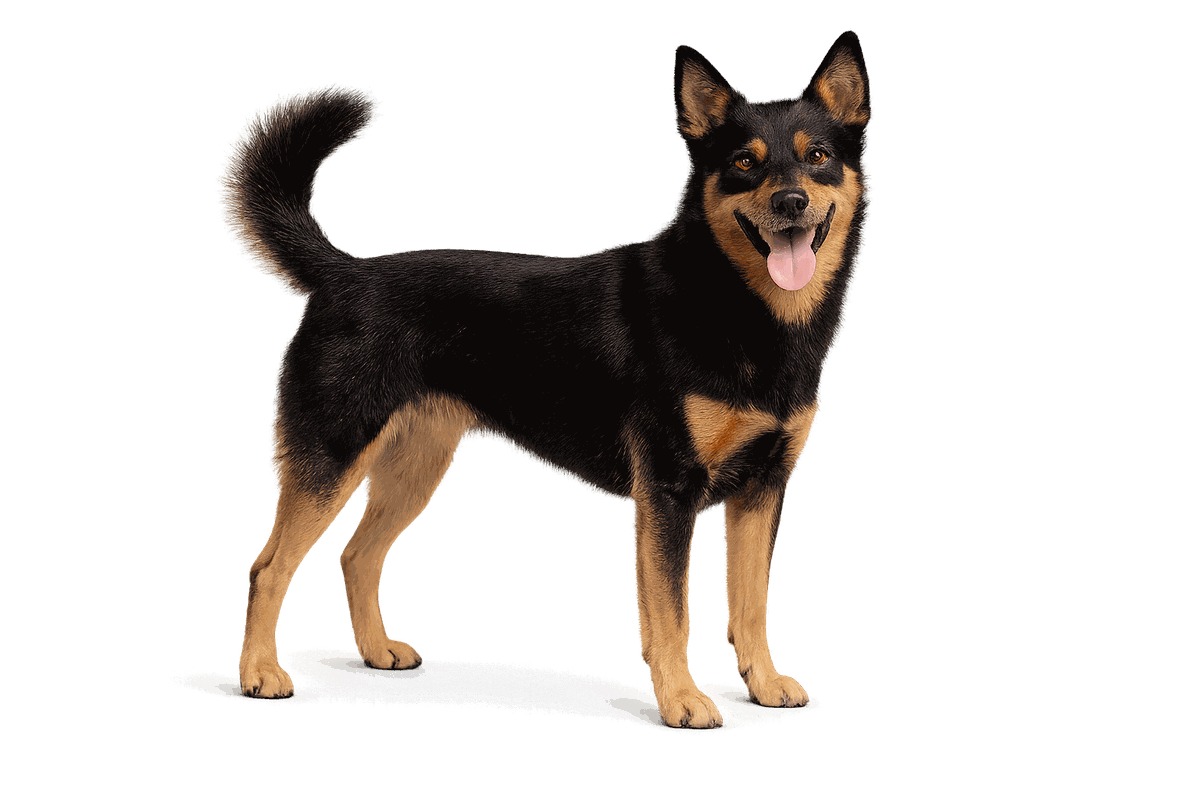
Compare Australian Shepherd with Border Collie, Australian Kelpie, and Australian Cattle Dog if you are choosing among high-drive herding breeds.

Care Guide

Exercise

Australian Shepherd needs 90 minutes or more a day for many healthy adults, built from serious exercise, problem-solving work, and outlets that feel like a job. For the Australian Shepherd, build activity into most days instead of relying on one big weekend outing, and mix in sniffing, training, or puzzle work so the dog has a mental outlet as well as physical movement.

Grooming

The Australian Shepherd's medium double coat needs weekly brushing, extra attention behind the ears and in friction areas, and more work during seasonal shedding. Check ears, nails, and paw pads after active outdoor days.

Training

Australian Shepherd training should combine obedience, impulse control, recall, settling skills, and work-like outlets such as herding, agility, tricks, or scent games. This breed learns patterns quickly, so inconsistent rules create fast problems.

Nutrition

Feed Australian Shepherd a measured diet appropriate for a medium dog, its age, and its activity level. For the Australian Shepherd, keep body condition lean, adjust portions when exercise changes, and ask your veterinarian about diet details if weight, digestion, allergies, or joint stress are concerns.

Behavior & Environment

Energy level

Very High

Barking level

Moderate

Drooling level

Low

Watchdog ability

4/5

Guard dog ability

2/5

Climate tolerance

Cold weather4/5
Heat tolerance3/5

Health Considerations

Common concerns to discuss with your vet and breeder.

Hip dysplasiaCollie eye anomalyMDR1 drug sensitivityElbow dysplasiaHereditary cataracts

Frequently Asked Questions

Is the Australian Shepherd a good apartment dog?
Australian Shepherd can live in an apartment only when daily exercise, training, barking control, and decompression are handled seriously. Most Aussies do better with more space and a real work routine.
Does the Australian Shepherd bark a lot?
Australian Shepherd may be quick to alert when it hears strangers, door activity, other dogs, or unusual movement. Owners should reward the Australian Shepherd for quiet check-ins, limit rehearsed window barking, and avoid yelling, which can add more arousal.
Is the Australian Shepherd good for first-time owners?
Australian Shepherd can work for prepared first-time owners who genuinely want daily training. It is a poor fit for someone who only wants an attractive merle companion with casual exercise.
How much exercise does the Australian Shepherd need?
Most healthy adult Australian Shepherds need 90 minutes or more of daily activity, including training, hiking, herding-style games, agility, or other problem-solving work. Mental work is not optional for this breed.
Is the Australian Shepherd good with kids and other dogs?
Australian Shepherds can be excellent family dogs, but children should be supervised because herding, chasing, or body-blocking can appear around fast movement. Many live well with other dogs when socialized properly.
Does the Australian Shepherd shed a lot?
Australian Shepherd has a medium double coat with moderate shedding. Regular brushing, nail care, ear checks, and seasonal coat checks make upkeep easier for the Australian Shepherd.
What is the biggest challenge of owning the Australian Shepherd?
The biggest challenge is keeping a smart, responsive dog mentally balanced. Without enough work and off-switch training, Aussies may become barky, clingy, destructive, or controlling of movement.

Our Shop

Dog essentials for everyday care

Browse practical products for feeding, grooming, cleanup, enrichment, and smoother daily routines.