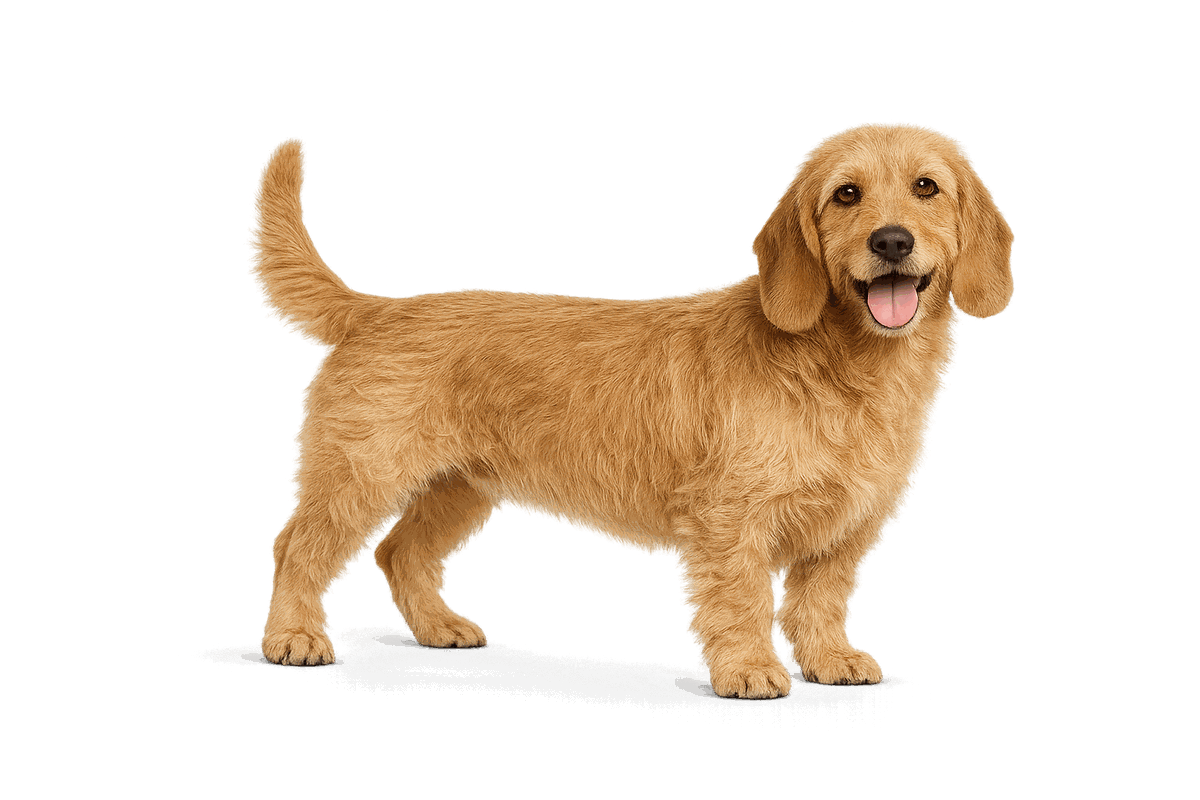
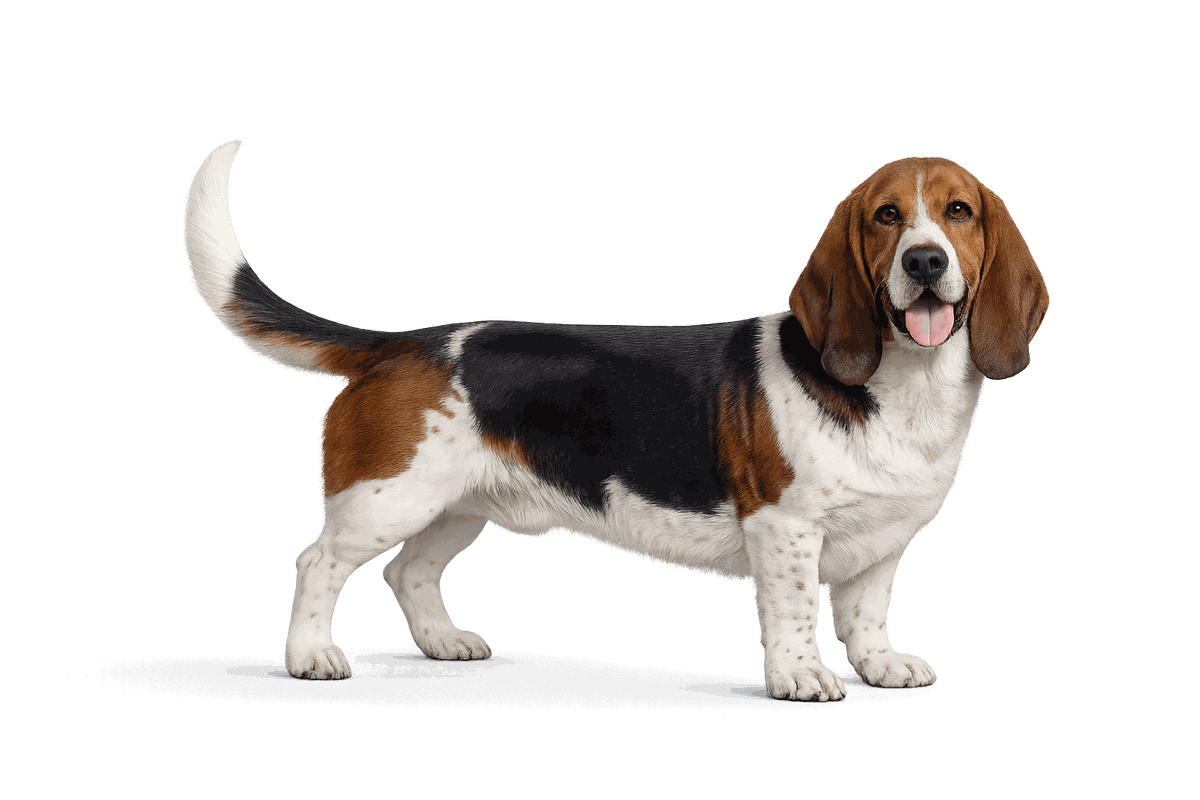
The Basset Fauve de Bretagne is a small rough-coated French scent hound from Brittany, lively, affectionate, and tenacious on scent.
Small rough-coated scent hound from BrittanyFawn coat from golden wheaten to brick redCheerful and affectionate at home, tenacious on scentNeeds secure walking and hound-aware recall training
Breed Names
Official, native, and commonly used variants
No widely used alternate names are recorded for this breed.
LivelyAffectionateTenaciousOutgoingCuriousHardy
Weight
25-35 lb
Height
12.5-15.5 in
Lifespan
11-14 yrs
Coat
Rough Short
At A Glance
Basset Fauve de Bretagne barking, energy & owner fit
A quick read on energy, upkeep, and what day-to-day life with this breed usually feels like.
Energy
High
Barking
Moderate
Drooling
Low
Shedding
Low
Grooming
2/5
First-time owner
Yes
Overview
The Basset Fauve de Bretagne is a short-legged French scent hound from Brittany, developed to hunt small game in rough country. The breed is small, sturdy, and active, with a harsh, fairly short coat in fawn shades from golden wheaten to brick red.
FCI describes the breed as passionate about hunting, sociable, affectionate, and balanced. That mix makes the Fauve cheerful at home but determined outdoors, where scent can quickly override casual recall.
This breed can suit prepared first-time owners better than some hounds, but it still needs secure walking, voice management, and regular coat and ear checks. It is not a couch basset in a rough coat.
Temperament & Personality
LivelyAffectionateTenaciousOutgoingCuriousHardy
This breed tends to suit homes looking for a lively, affectionate, tenacious companion, with daily rhythms shaped by high energy, moderate barking, and low drooling.
Coat type
Rough
Coat length
Short
Shedding
Low
Colors
Fawn, Golden Wheat, Red Fawn
Basset Fauve de Bretagne Lifestyle Compatibility
Family Friendly4/5
Good with Kids4/5
Good with Dogs4/5
Good with Strangers4/5
Apartment Friendly3/5
Exercise Needs4/5
Grooming Needs2/5
Trainability3/5
Good fit if you want
A family-friendly companion
Room for routine exercise
A more forgiving first ownership experience
Plan ahead for
4/5 exercise needs
low shedding and coat upkeep
moderate barking in daily life
Owner Fit & Everyday Behavior
Best for
owners who want a small but active French scent hound
families prepared to supervise children around a low, long-backed dog
people who enjoy sniffing walks, scent games, and cheerful hound personality
owners who can maintain a rough coat and long ears
Not ideal for
homes wanting a low-effort dog with minimal daily exercise
owners expecting reliable off-leash recall around scent
people away all day without walks, enrichment, or companionship plans
Common challenges
following scent and ignoring ordinary recall
moderate hound voice when excited
rough-coat and ear care after outdoor exercise
Apartment fit
Basset Fauve de Bretagne may work in an apartment when the household is realistic about exercise, barking, and daily structure. For the Basset Fauve de Bretagne, size alone is not the deciding factor; the routine has to include movement, mental work, and calm practice around building noise.
Barking & behavior
Basset Fauve de Bretagne has a moderate barking profile, so owners should expect some alerting and excitement barking. Teaching the Basset Fauve de Bretagne a calm response to door sounds, passing dogs, and visitors is easier than trying to stop barking after it becomes a habit.
Training style
Basset Fauve de Bretagne training should focus on recall foundations, leash manners, quiet recovery, and scent games that reward checking in. Keep sessions lively and practical so the hound brain stays engaged.
Grooming & shedding
The Basset Fauve de Bretagne's short rough coat is relatively simple to maintain, with low shedding. Routine brushing, nail trimming, ear checks, and skin checks still matter for the Basset Fauve de Bretagne, especially after muddy walks or seasonal shedding changes.
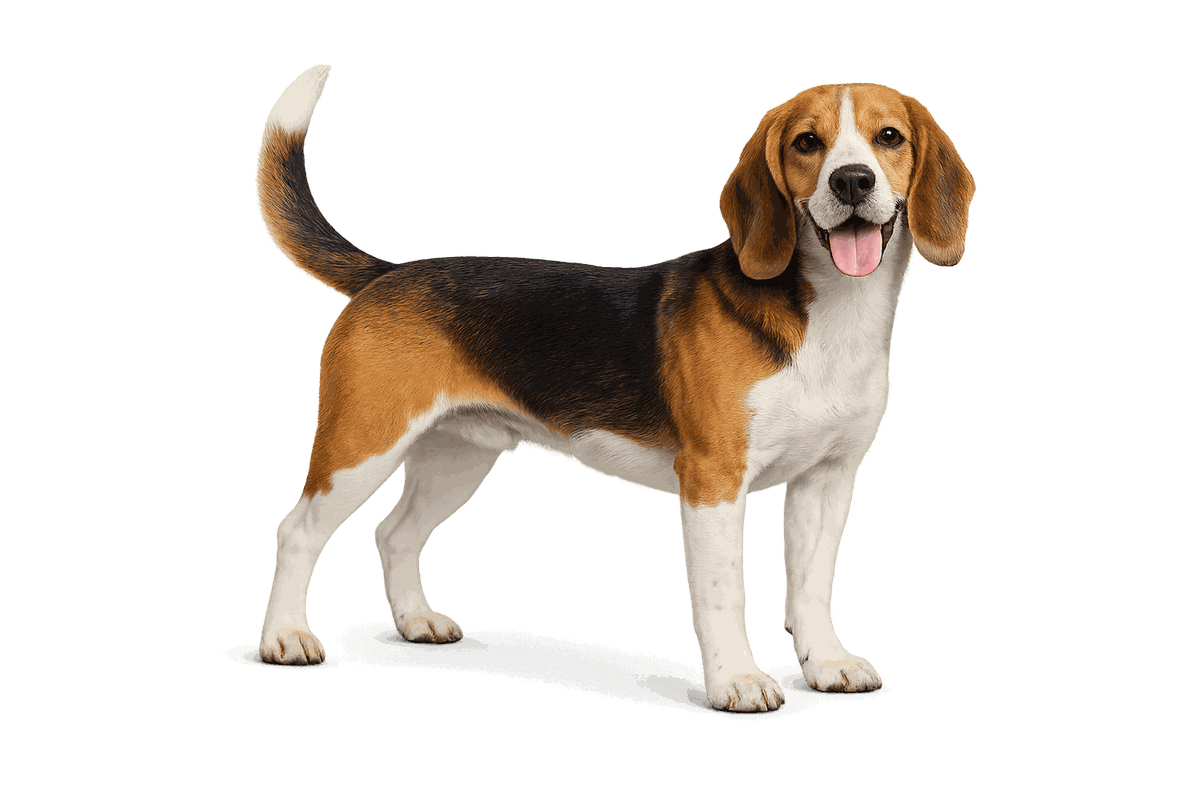
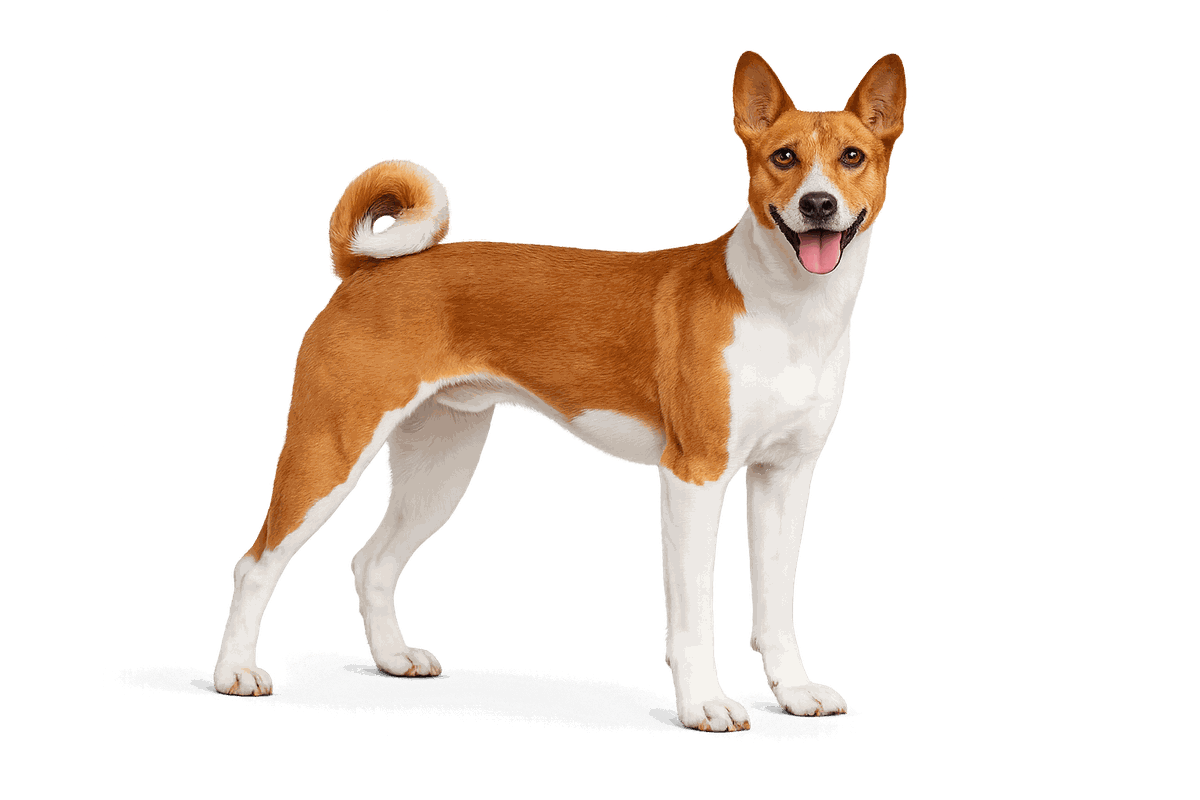
Compare Basset Fauve de Bretagne with Basset Bleu de Gascogne, Norman Artesien Basset, and Basset Hound if you are choosing among low scent hounds.
Care Guide
Exercise
Basset Fauve de Bretagne needs about 60 to 90 minutes a day for many healthy adults, built from longer walks, active play, and regular training or scent games. For the Basset Fauve de Bretagne, build activity into most days instead of relying on one big weekend outing, and mix in sniffing, training, or puzzle work so the dog has a mental outlet as well as physical movement.
Grooming
The Basset Fauve de Bretagne's short rough coat is relatively simple to maintain, with low shedding. Routine brushing, nail trimming, ear checks, and skin checks still matter for the Basset Fauve de Bretagne, especially after muddy walks or seasonal shedding changes.
Training
Basset Fauve de Bretagne training should focus on recall foundations, leash manners, quiet recovery, and scent games that reward checking in. Keep sessions lively and practical so the hound brain stays engaged.
Nutrition
Feed Basset Fauve de Bretagne a measured diet appropriate for a small dog, its age, and its activity level. For the Basset Fauve de Bretagne, keep body condition lean, adjust portions when exercise changes, and ask your veterinarian about diet details if weight, digestion, allergies, or joint stress are concerns.
Practical guides for Basset Fauve de Bretagne owners
A fluent turn helps when wildlife scent appears near traffic or unsafe ground.
Behavior & Environment
Energy level
High
Barking level
Moderate
Drooling level
Low
Watchdog ability
3/5
Guard dog ability
1/5
Climate tolerance
Cold weather3/5
Heat tolerance3/5
Health Considerations
Common concerns to discuss with your vet and breeder.
Ear infectionsEye irritationPatellar luxation
Frequently Asked Questions
Is the Basset Fauve de Bretagne a good apartment dog?
Basset Fauve de Bretagne may work in an apartment when the household is realistic about exercise, barking, and daily structure. For the Basset Fauve de Bretagne, size alone is not the deciding factor; the routine has to include movement, mental work, and calm practice around building noise.
Does the Basset Fauve de Bretagne bark a lot?
Basset Fauve de Bretagne has a moderate barking profile, so owners should expect some alerting and excitement barking. Teaching the Basset Fauve de Bretagne a calm response to door sounds, passing dogs, and visitors is easier than trying to stop barking after it becomes a habit.
Is the Basset Fauve de Bretagne good for first-time owners?
Basset Fauve de Bretagne can work for prepared first-time owners who like lively hounds. They should be ready for recall work, scent drive, moderate voice, and rough-coat care.
How much exercise does the Basset Fauve de Bretagne need?
Most healthy adult Basset Fauve de Bretagne dogs need about 60 to 90 minutes of daily activity, including sniffing walks and scent games. Keep jumping controlled because of the low, long body.
Is the Basset Fauve de Bretagne good with kids and other dogs?
Basset Fauve de Bretagne dogs are often affectionate and sociable, including with compatible dogs. Children should still be supervised around ears, food, and the long back.
Does the Basset Fauve de Bretagne shed a lot?
Basset Fauve de Bretagne has a short rough coat with low shedding. Regular brushing, nail care, ear checks, and seasonal coat checks make upkeep easier for the Basset Fauve de Bretagne.
What is the biggest challenge of owning the Basset Fauve de Bretagne?
The biggest challenge is managing a cheerful but tenacious scent hound. Secure walks, recall practice, voice management, and ear checks are part of the routine.
Sources & Editorial Notes
This profile was researched from established breed and canine-care references. Breed tendencies describe typical patterns, not a guarantee for every individual dog.

 France