Apartment fit
Apartment life is possible only with a committed routine for exercise, decompression, and noise management. This breed is usually easier in a home with secure outdoor access and quiet training opportunities.
 Belgium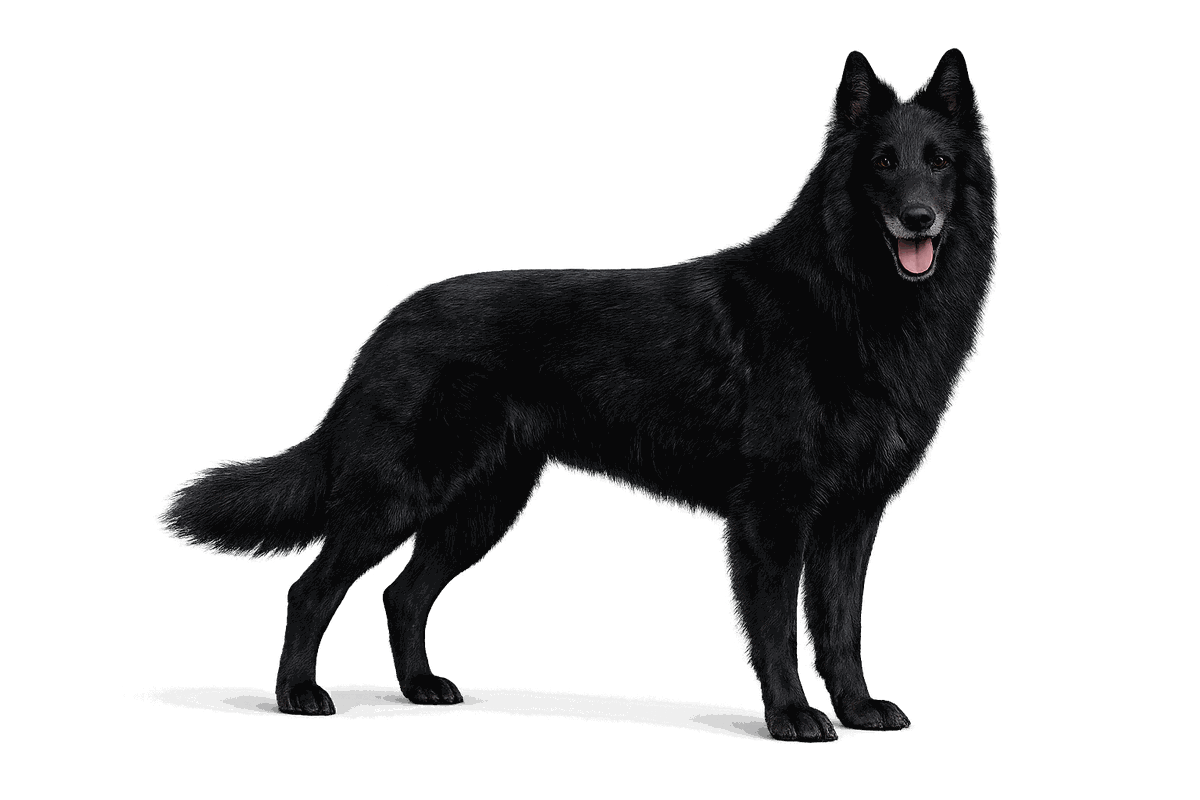
Weight
45-75 lb
Height
22-26 in
Lifespan
12-14 yrs
Coat
Double Long
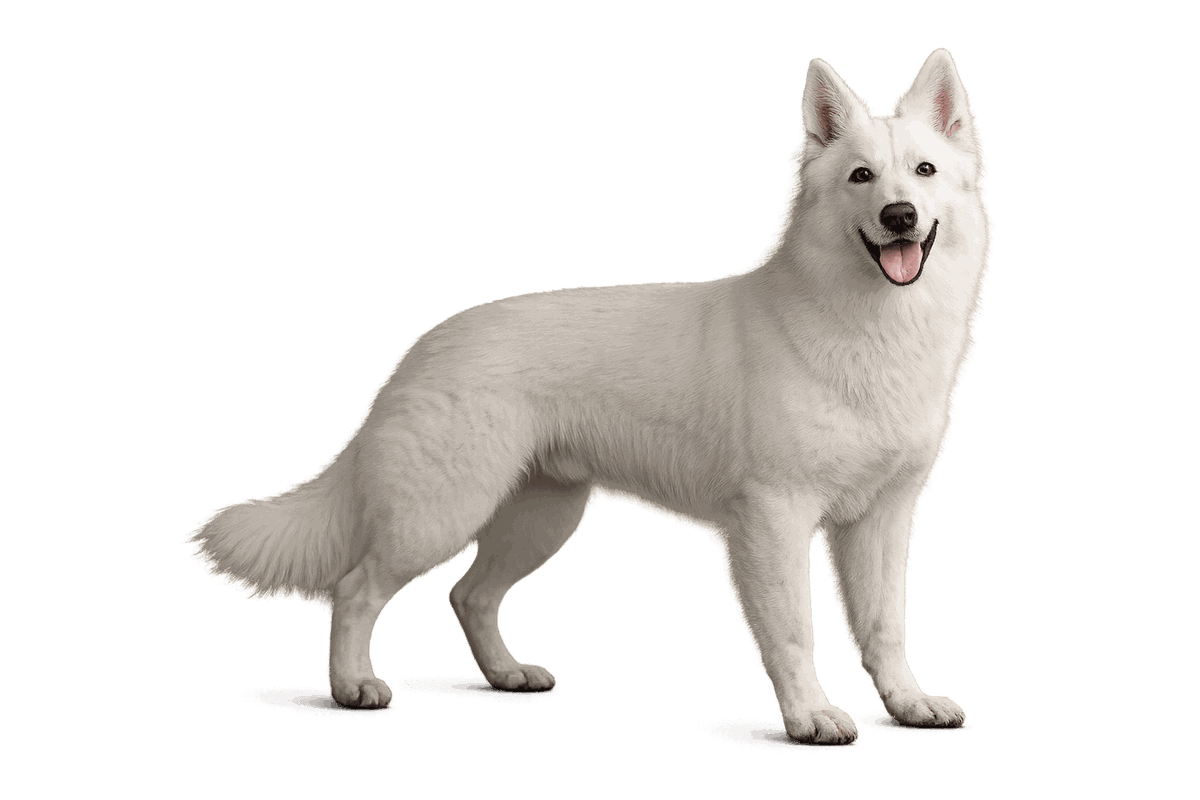
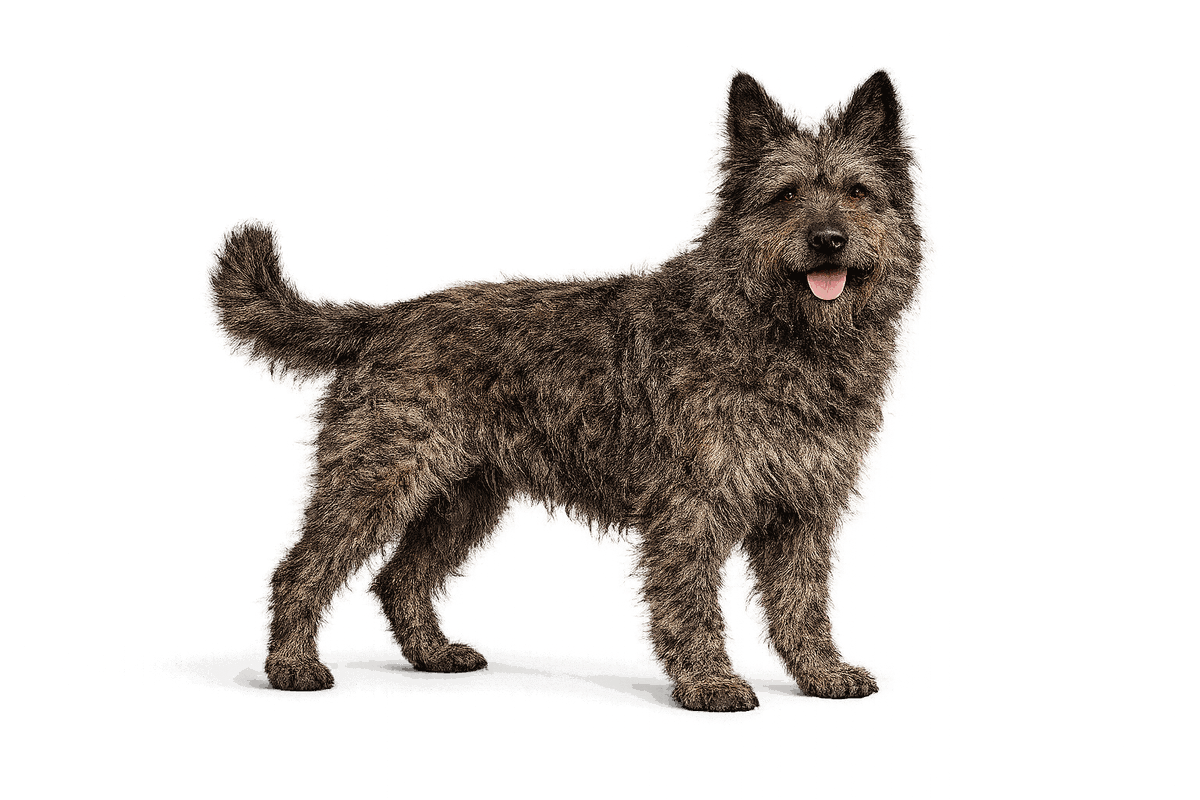
The Belgian Sheepdog is the long black Belgian Shepherd variety known as the Groenendael: intelligent, watchful, sensitive, and highly trainable.
Official, native, and commonly used variants
Weight
45-75 lb
Height
22-26 in
Lifespan
12-14 yrs
Coat
Double Long
At A Glance
A quick read on energy, upkeep, and what day-to-day life with this breed usually feels like.
Energy
High
Barking
Moderate
Drooling
Moderate
Shedding
Moderate
Grooming
3/5
First-time owner
No
In AKC usage, Belgian Sheepdog refers to the Groenendael, the long-haired black Belgian Shepherd variety. FCI treats Belgian Shepherds as one breed with varieties, but this page is best understood as the black, long-coated Belgian Sheepdog rather than the Malinois, Tervuren, or Laekenois.
The breed is elegant, square, alert, and intensely people-aware. A correct Belgian Sheepdog should be intelligent, watchful, active, and responsive, with a long black double coat that needs regular brushing. It is capable of herding, obedience, tracking, protection work, and advanced dog sports.
This is not an easy starter dog despite its beauty. Belgian Sheepdogs need daily mental work, careful socialization, and calm handling because sensitivity, vigilance, and drive can become reactivity or nervousness in the wrong routine.
This breed tends to suit homes looking for a bright, watchful, serious-minded companion, with daily rhythms shaped by high energy, moderate barking, and moderate drooling.
Coat type
Double
Coat length
Long
Shedding
Moderate
Colors
Black
Apartment life is possible only with a committed routine for exercise, decompression, and noise management. This breed is usually easier in a home with secure outdoor access and quiet training opportunities.
Belgian Sheepdogs are naturally watchful and people-aware. Teach a clear settle cue, rehearse calm greetings, and avoid letting window patrol become the dog's main daily job.
Training should be clear, fair, and purposeful. The breed learns quickly but is sensitive, so reward-based structure, short sessions, impulse-control work, and sport-style outlets are better than harsh correction.
The long black double coat needs weekly brushing and extra attention during seasonal shedding. Check the ruff, trousers, tail, and areas behind the ears where mats can form.
Most healthy adult Belgian Sheepdogs need about 60 to 90 minutes of daily activity, and many need more mental work than casual walks provide. Use structured walking, training, scent games, recall practice, and dog sports to give this working herder a job-like outlet.
The Belgian Sheepdog's long black double coat needs weekly brushing, more work during seasonal shedding, and checks behind ears, around the ruff, trousers, and tail. Nails, teeth, and ears should stay on a routine.
Belgian Sheepdog training should combine obedience, impulse control, recall, calm visitor routines, and work-like outlets such as herding, tracking, scent work, or advanced dog sports. The breed is sensitive, so clarity works better than pressure.
Feed a measured diet appropriate for a medium-to-large active herding dog, adjusting portions for age, workload, and body condition. Keeping the dog lean helps reduce stress on hips and elbows.
Energy level
High
Barking level
Moderate
Drooling level
Moderate
Watchdog ability
3/5
Guard dog ability
3/5
Climate tolerance
Common concerns to discuss with your vet and breeder.
This profile was researched from established breed and canine-care references. Breed tendencies describe typical patterns, not a guarantee for every individual dog.
Reviewed by the Dogs Index Editorial Team. For health or behavior concerns, consult a veterinarian or appropriately qualified professional.
Our Shop
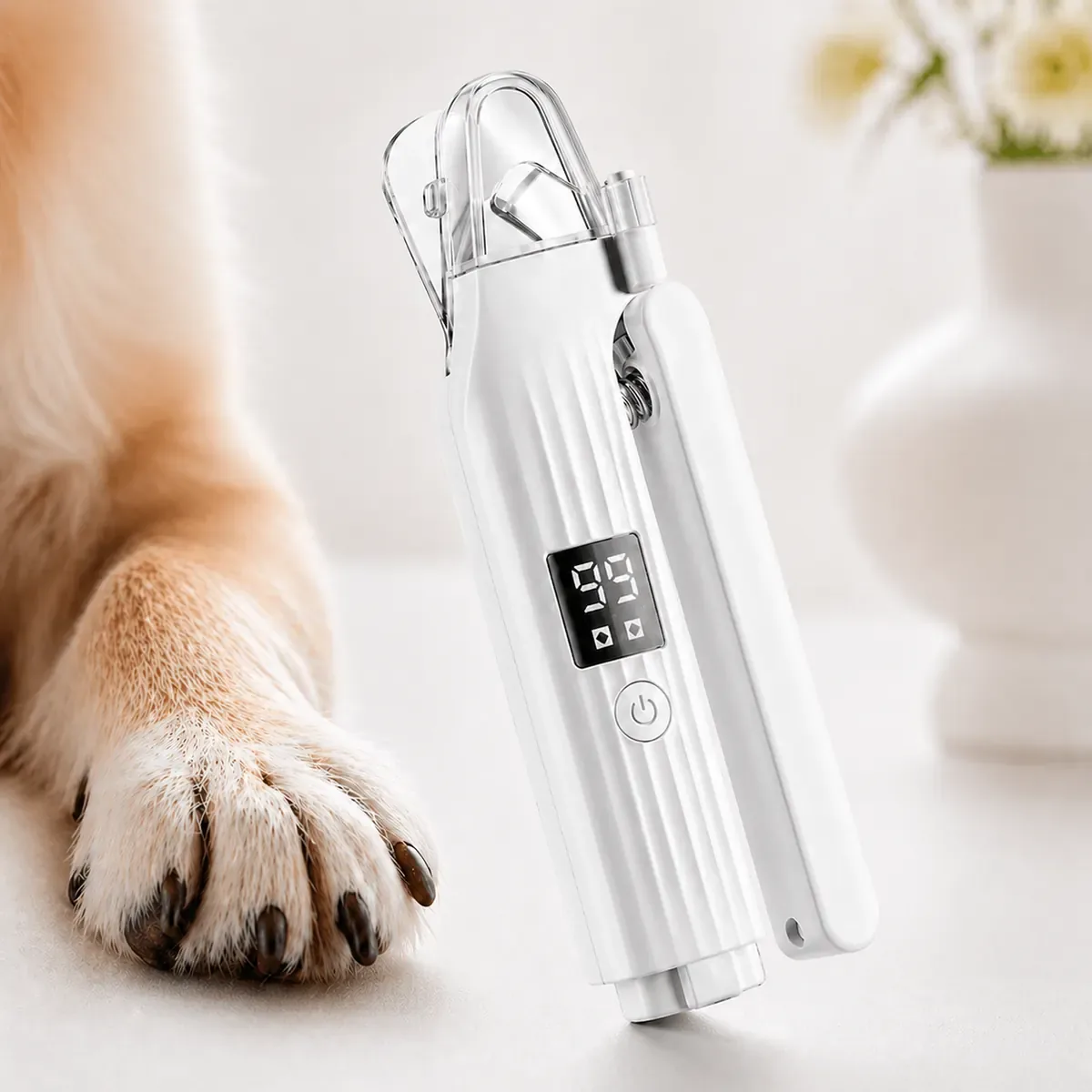
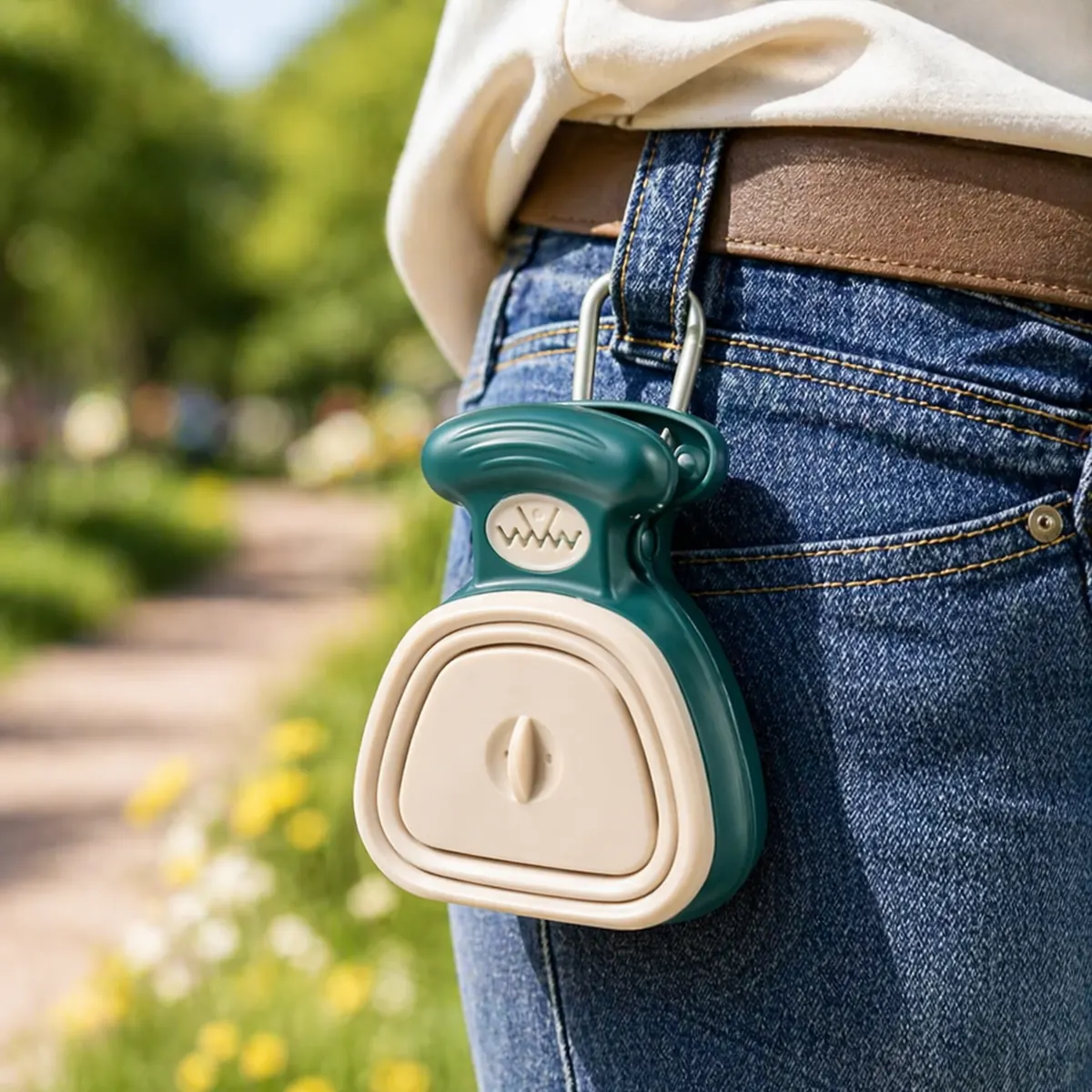
Browse practical products for feeding, grooming, cleanup, enrichment, and smoother daily routines.