Apartment fit
Bloodhounds are hard to keep in apartments because of size, scent drive, drool, voice, and cleanup. A secure outdoor area and easy washing setup help a lot.
 Belgium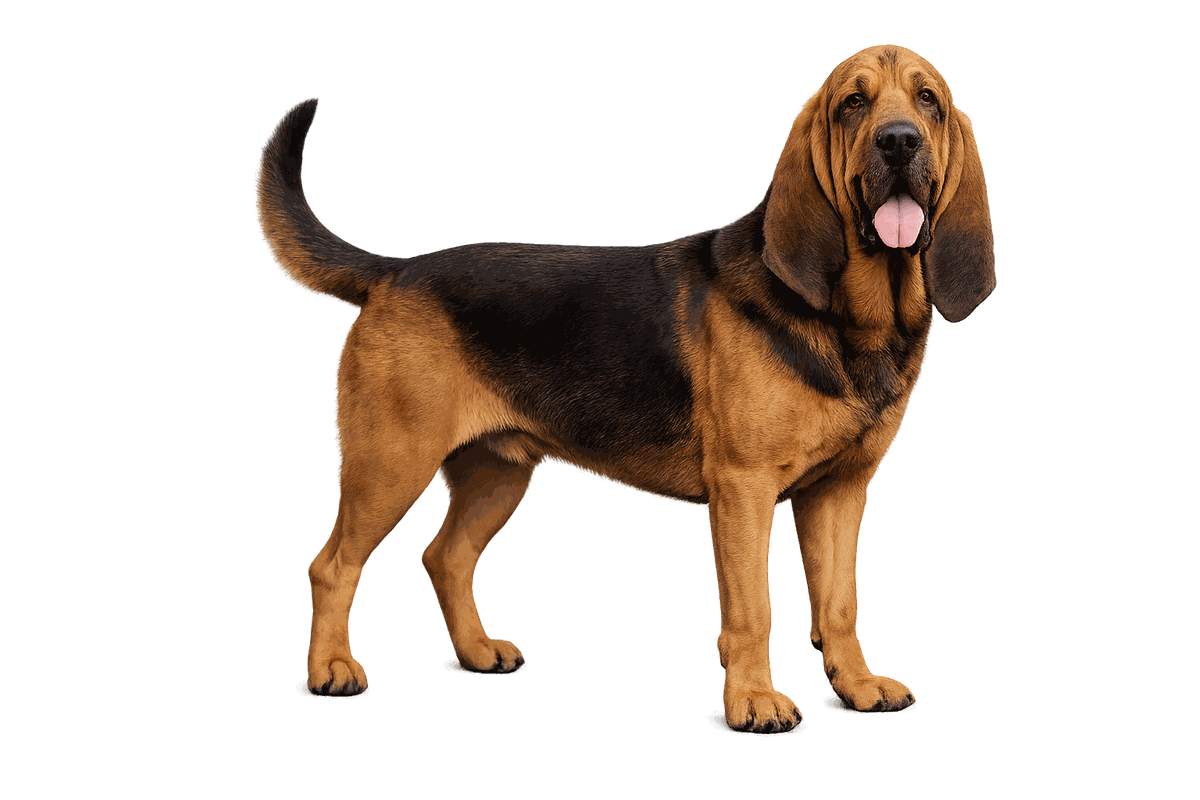
Weight
80-110 lb
Height
23-27 in
Lifespan
10-12 yrs
Coat
Smooth Short
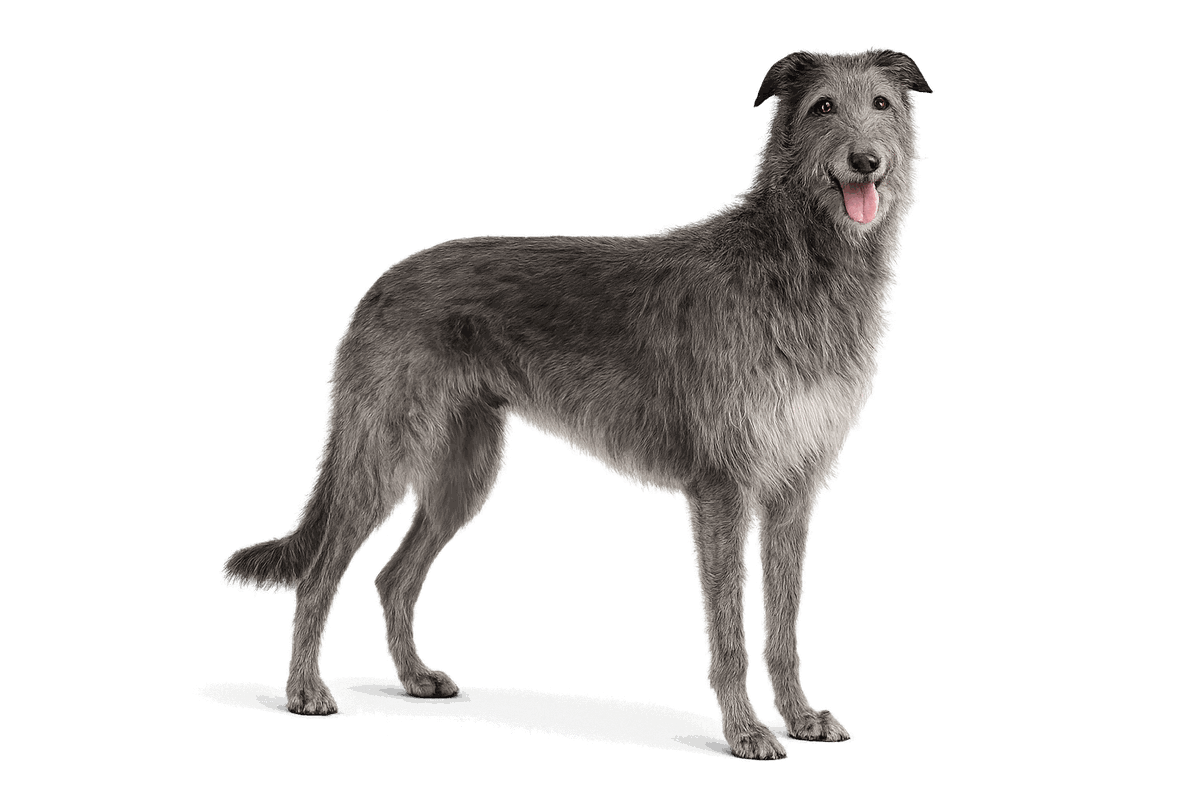
The Bloodhound is a large scent hound famous for mantrailing ability, loose skin, long ears, deep voice, drool, and determined nose work.
Official, native, and commonly used variants
Weight
80-110 lb
Height
23-27 in
Lifespan
10-12 yrs
Coat
Smooth Short
At A Glance
A quick read on energy, upkeep, and what day-to-day life with this breed usually feels like.
Energy
Moderate
Barking
Moderate
Drooling
High
Shedding
Moderate
Grooming
3/5
First-time owner
No
The Bloodhound, also known as the St. Hubert Hound, is one of the world's classic scent hounds. It was developed for tracking people and game by scent, and modern Bloodhounds are still used in mantrailing and search work because of their persistence and powerful nose.
At home, Bloodhounds are often affectionate, gentle, and comical, but they are not easy dogs. They are strong, slobbery, independent on scent, and capable of following a trail with little interest in the owner's agenda. Secure fencing and leash control are essential.
Health and daily care deserve honest planning. Bloodhounds need ear and skin-fold care, drool cleanup, weight control, and attention to bloat risk. Their short coat is simple, but the dog as a whole is not low-maintenance.
This breed tends to suit homes looking for a friendly, independent, inquisitive companion, with daily rhythms shaped by moderate energy, moderate barking, and high drooling.
Coat type
Smooth
Coat length
Short
Shedding
Moderate
Colors
Black and Tan, Liver and Tan, Red
Bloodhounds are hard to keep in apartments because of size, scent drive, drool, voice, and cleanup. A secure outdoor area and easy washing setup help a lot.
Expect hound vocalization and intense interest in scent trails. Do not rely on off-leash obedience around an active trail.
Use patient reward-based training and make scent work part of the plan. Leash skills, handling, recall foundations, and calm house behavior should start early.
Brush the short coat, but spend more attention on ears, facial folds, eyes, nails, and drool cleanup.
Most healthy adult Bloodhounds need at least 45 to 60 minutes of daily activity, but scent work is often more satisfying than speed. Use long sniffing walks, tracking games, and secure areas.
The short coat is easy to brush, but ears, skin folds, eyes, nails, and drool need routine care. Clean and dry ears and facial folds to reduce irritation and odor.
Bloodhound training should focus on leash manners, recall foundations, handling, calm house behavior, and safe scent outlets. A Bloodhound on a trail may ignore weak commands, so management matters.
Feed a measured large-breed diet and keep the dog lean. Discuss bloat prevention, meal timing, and body condition with your veterinarian.
Energy level
Moderate
Barking level
Moderate
Drooling level
High
Watchdog ability
3/5
Guard dog ability
2/5
Climate tolerance
Common concerns to discuss with your vet and breeder.
This profile was researched from established breed and canine-care references. Breed tendencies describe typical patterns, not a guarantee for every individual dog.
Reviewed by the Dogs Index Editorial Team. For health or behavior concerns, consult a veterinarian or appropriately qualified professional.
Our Shop
Browse practical products for feeding, grooming, cleanup, enrichment, and smoother daily routines.