Apartment fit
Apartment life is possible for an unusually well-managed adult, but a Bouvier is usually easier with space, secure outdoor access, and a grooming setup.
 Belgium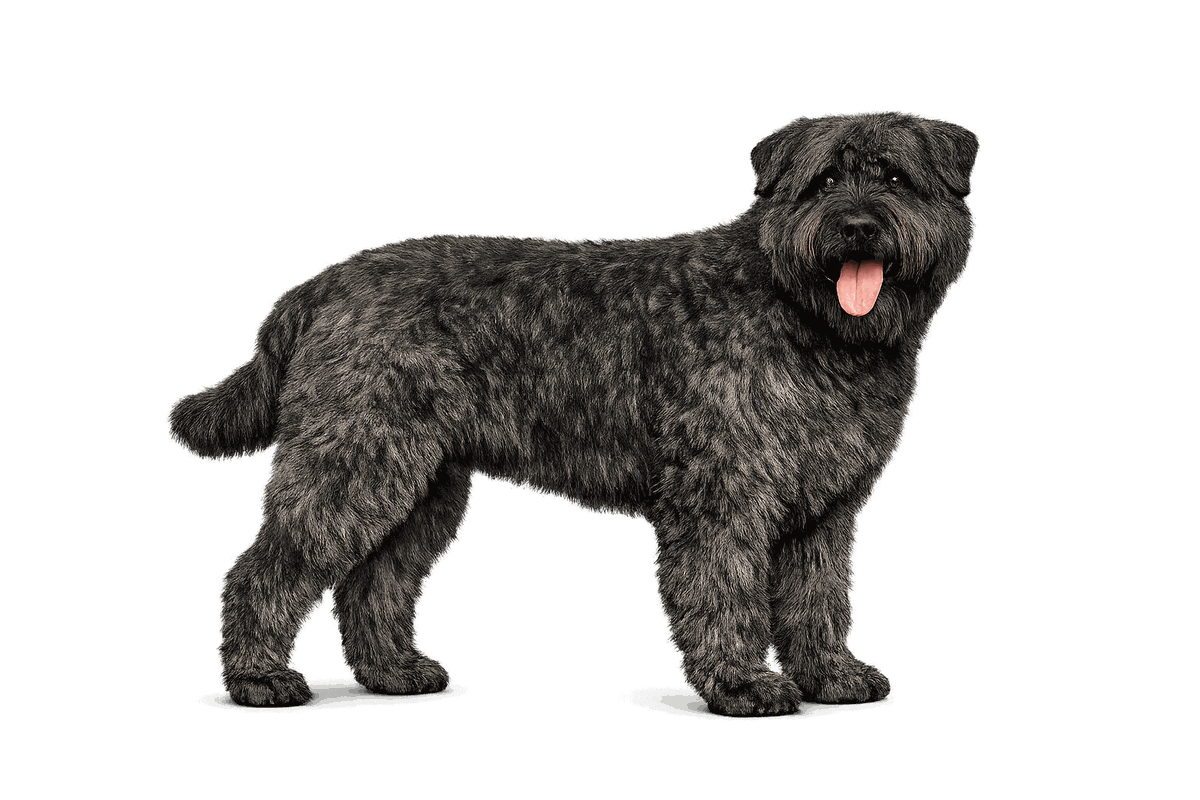
Weight
60-88 lb
Height
23.2-26.8 in
Lifespan
11-14 yrs
Coat
Double Medium
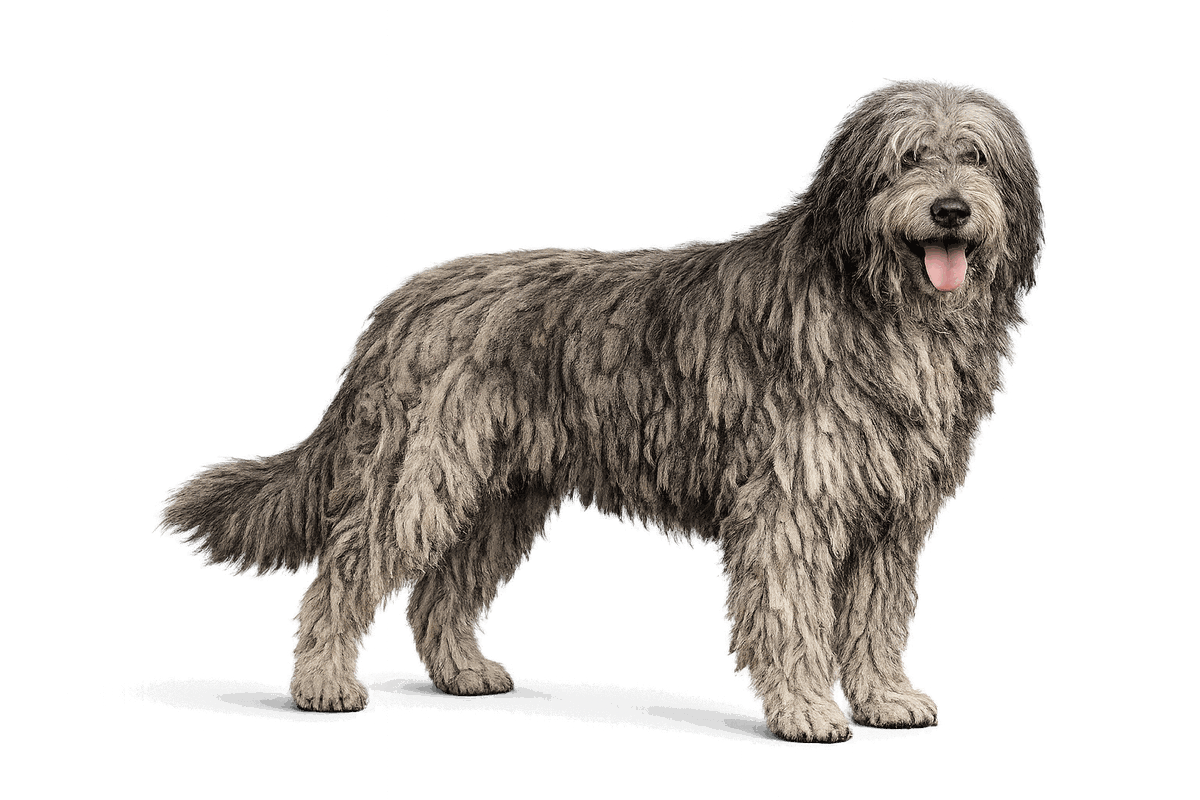
The Bouvier des Flandres is a powerful Belgian-French cattle dog with a rough double coat, calm confidence, and strong farm-working instincts.
Official, native, and commonly used variants
Weight
60-88 lb
Height
23.2-26.8 in
Lifespan
11-14 yrs
Coat
Double Medium
At A Glance
A quick read on energy, upkeep, and what day-to-day life with this breed usually feels like.
Energy
Moderate
Barking
Moderate
Drooling
Moderate
Shedding
Moderate
Grooming
4/5
First-time owner
No
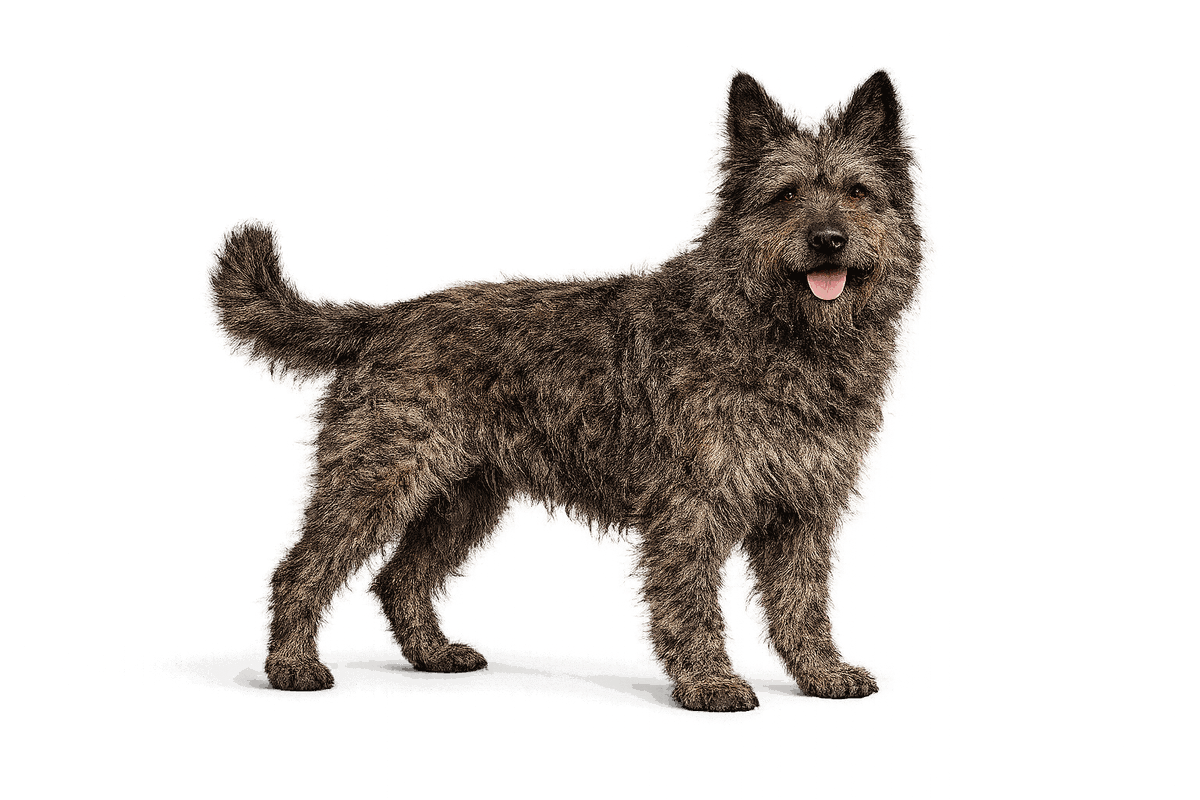
The Bouvier des Flandres was developed in Flanders as a versatile farm dog for cattle work, carting, guarding, and general utility. It is powerfully built, compact, and deliberately rustic rather than elegant.
The rough double coat, beard, and moustache protect the dog in bad weather and dirty work. Common standard colors include fawn, black, gray, brindle, and pepper-and-salt shades, and the coat needs real maintenance to avoid mats and debris.
Bouviers are often calm and devoted at home, but they are serious working dogs. They need early socialization, fair training, grooming commitment, and owners who can handle a large, strong, watchful breed.
This breed tends to suit homes looking for a steady, protective, intelligent companion, with daily rhythms shaped by moderate energy, moderate barking, and moderate drooling.
Coat type
Double
Coat length
Medium
Shedding
Moderate
Colors
Black, Fawn, Gray, Brindle, Pepper and Salt
Apartment life is possible for an unusually well-managed adult, but a Bouvier is usually easier with space, secure outdoor access, and a grooming setup.
The breed is naturally watchful. Teach visitor routines early and avoid letting fence or window guarding become a habit.
Use fair, consistent reward-based training. Socialization, leash control, grooming cooperation, and calm greetings should begin early.
The rough double coat needs regular brushing, combing, and trimming. Beard, legs, and feet require frequent checks.
Most healthy adult Bouviers need about 60 minutes or more of daily activity, with walks, training, farm-style chores, carting foundations, scent work, or herding-style games.
The rough double coat needs thorough brushing, combing through beard and leg furnishings, and periodic trimming or hand care. Check ears, nails, feet, and skin after wet or dirty work.
Training should be calm, clear, and reward-based, with early socialization, leash control, impulse control, handling, and visitor routines. Bouviers mature into strong dogs, so manners cannot wait.
Feed a measured large-breed diet matched to age, workload, and body condition. Lean weight helps protect hips, elbows, and long-term mobility.
Energy level
Moderate
Barking level
Moderate
Drooling level
Moderate
Watchdog ability
3/5
Guard dog ability
3/5
Climate tolerance
Common concerns to discuss with your vet and breeder.
This profile was researched from established breed and canine-care references. Breed tendencies describe typical patterns, not a guarantee for every individual dog.
Reviewed by the Dogs Index Editorial Team. For health or behavior concerns, consult a veterinarian or appropriately qualified professional.
Our Shop
Browse practical products for feeding, grooming, cleanup, enrichment, and smoother daily routines.