TerrierLargeUnited Kingdom

Bull Terrier

Bull Terrier

Weight

50-70 lb

Height

21-22 in

Lifespan

12-13 yrs

Coat

Double Medium

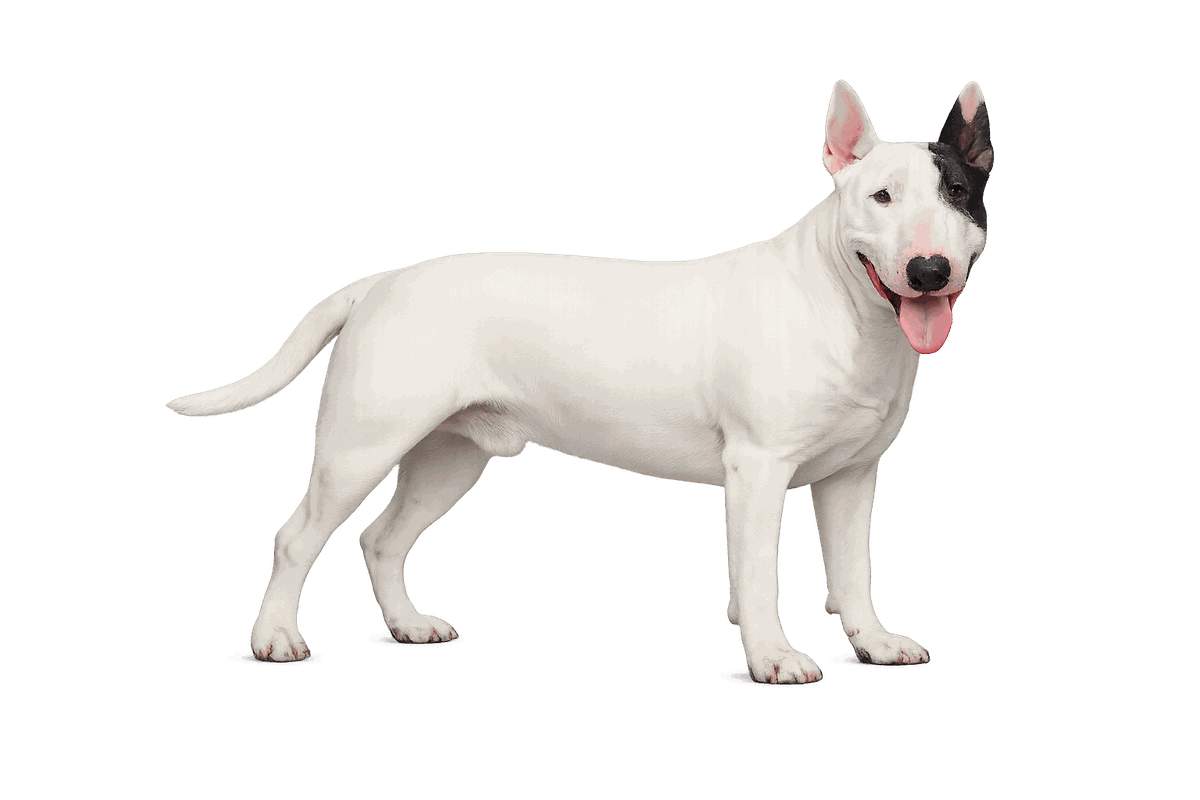
The Bull Terrier is a large terrier breed from United Kingdom, shaped by vermin control, alert watchdog behavior, and bold problem-solving and a playful, charming temperament.

Large terrier breed from United KingdomHigh energy with moderate barkingModerate shedding double coatBetter for owners ready for structure and consistency
Breed Names

Official, native, and commonly used variants

English Bull TerrierBull
PlayfulCharmingMischievousBoldAlert
Bull Terrier

Weight

50-70 lb

Height

21-22 in

Lifespan

12-13 yrs

Coat

Double Medium

At A Glance

Daily living snapshot

A quick read on energy, upkeep, and what day-to-day life with this breed usually feels like.

Energy

High

Barking

Moderate

Drooling

Moderate

Shedding

Moderate

Grooming

3/5

First-time owner

No

Overview

The Bull Terrier comes from United Kingdom and belongs to the Terrier group, where its background is tied to vermin control, alert watchdog behavior, and bold problem-solving. For the Bull Terrier, that history is not just decoration; it helps explain the habits owners see around work, rest, people, and daily handling. Expect the Bull Terrier to be a large dog with playful, charming, mischievous, bold traits, high energy, and moderate barking.

In everyday life, the Bull Terrier is usually best judged by routine fit. It does best where Bull Terrier space and exercise are easy to provide, and its medium double coat brings moderate shedding with grooming needs rated 3/5. For exercise, the Bull Terrier should get about 60 to 90 minutes a day for many healthy adults, built from longer walks, active play, and regular training or scent games. The Bull Terrier usually settles best when exercise is planned before the dog is expected to relax. Training the Bull Terrier should stay practical and reward-based, with early socialization around people, dogs, handling, and normal household noise.

The Bull Terrier is most likely to suit owners who appreciate playful temperament and can meet the care pattern consistently. The Dogs Index profile rates the Bull Terrier as having strong family potential when handled respectfully, 4/5 dog sociability, and 4/5 stranger comfort. People considering the Bull Terrier should compare related breeds before deciding if the routine feels realistic. Health notes for the Bull Terrier should be discussed with a veterinarian and, when buying a puppy, with responsible breeders who screen their lines.

Temperament & Personality

PlayfulCharmingMischievousBoldAlert

This breed tends to suit homes looking for a playful, charming, mischievous companion, with daily rhythms shaped by high energy, moderate barking, and moderate drooling.

Coat type

Double

Coat length

Medium

Shedding

Moderate

Colors

Varies by standard

Lifestyle Compatibility

Family Friendly4/5
Good with Kids4/5
Good with Dogs4/5
Good with Strangers4/5
Apartment Friendly1/5
Exercise Needs4/5
Grooming Needs3/5
Trainability3/5

Good fit if you want

  • A family-friendly companion
  • Room for routine exercise
  • Confidence handling structure and training

Plan ahead for

  • 4/5 exercise needs
  • moderate shedding and coat upkeep
  • moderate barking in daily life

Owner Fit & Everyday Behavior

Best for

  • active owners who enjoy daily walks, training, and outdoor structure
  • patient owners who do not mind repeating basic rules calmly
  • homes with enough space and access to practical exercise areas
  • families prepared to supervise respectful kid-and-dog interactions

Not ideal for

  • homes wanting a low-effort dog with minimal daily exercise
  • owners who need a very quiet dog without training or management
  • small apartments with no plan for exercise, noise, and decompression
  • first-time owners who want an easy starter breed

Common challenges

  • alert barking at visitors, doors, or outside movement
  • restlessness when exercise and mental work are skipped
  • space and stimulation needs in dense housing

Apartment fit

Bull Terrier is usually harder to manage in an apartment, especially when exercise, space, or noise control are limited. Owners of the Bull Terrier should plan quiet walking routes, enough decompression time, and training for elevators, hallways, visitors, and nearby dogs.

Barking & behavior

Bull Terrier may be quick to alert when it hears strangers, door activity, other dogs, or unusual movement. Owners should reward the Bull Terrier for quiet check-ins, limit rehearsed window barking, and avoid yelling, which can add more arousal.

Training style

Bull Terrier learns best from patient, consistent training that rewards the behavior you want. Because the Bull Terrier is often playful, charming, mischievous, owners should keep rules predictable and practice in real household situations, not only formal sessions.

Grooming & shedding

The Bull Terrier's medium double coat needs steady maintenance rather than neglect-and-fix grooming. For the Bull Terrier, brush through friction areas, check ears and nails, and expect moderate shedding to be part of normal household cleanup.

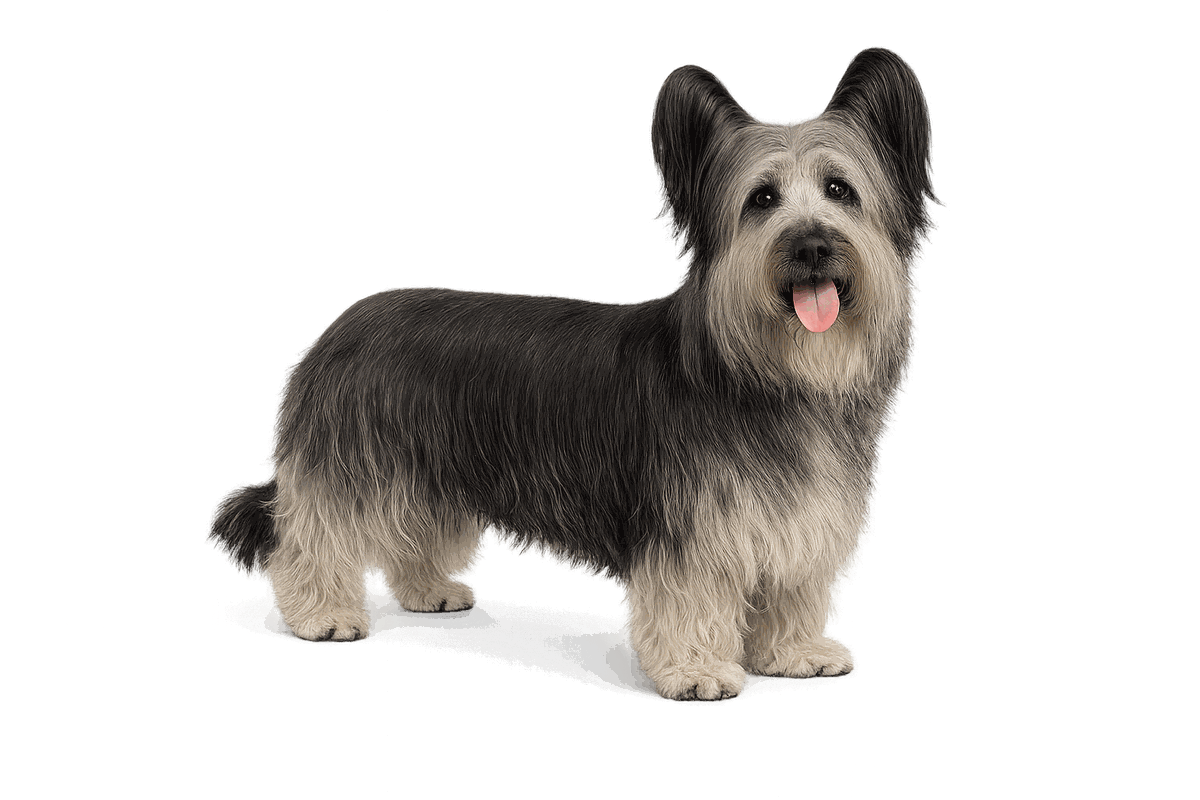
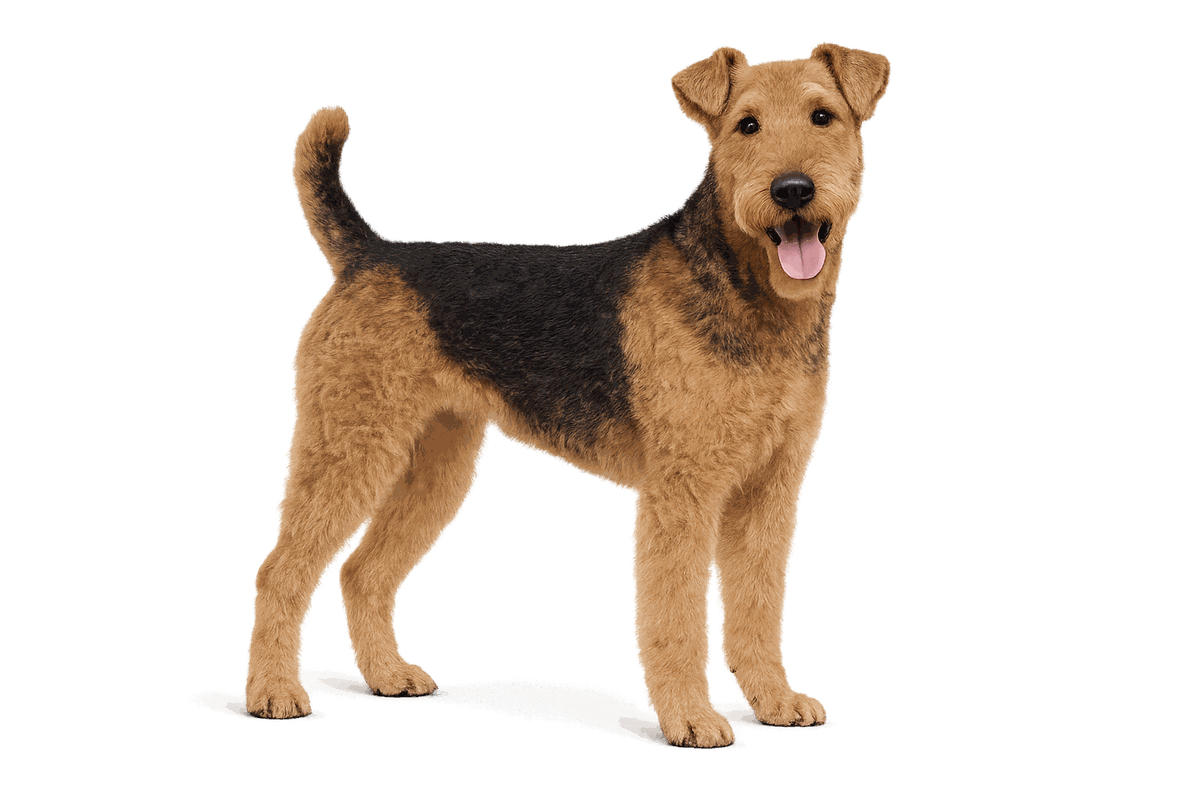
Compare Bull Terrier with Skye Terrier, Airedale Terrier, Japanese Terrier if you are deciding between similar size, group, coat, or activity profiles.

Care Guide

Exercise

Bull Terrier needs about 60 to 90 minutes a day for many healthy adults, built from longer walks, active play, and regular training or scent games. For the Bull Terrier, build activity into most days instead of relying on one big weekend outing, and mix in sniffing, training, or puzzle work so the dog has a mental outlet as well as physical movement.

Grooming

The Bull Terrier's medium double coat needs steady maintenance rather than neglect-and-fix grooming. For the Bull Terrier, brush through friction areas, check ears and nails, and expect moderate shedding to be part of normal household cleanup.

Training

Bull Terrier learns best from patient, consistent training that rewards the behavior you want. Because the Bull Terrier is often playful, charming, mischievous, owners should keep rules predictable and practice in real household situations, not only formal sessions.

Nutrition

Feed Bull Terrier a measured diet appropriate for a large dog, its age, and its activity level. For the Bull Terrier, keep body condition lean, adjust portions when exercise changes, and ask your veterinarian about diet details if weight, digestion, allergies, or joint stress are concerns.

Behavior & Environment

Energy level

High

Barking level

Moderate

Drooling level

Moderate

Watchdog ability

4/5

Guard dog ability

3/5

Climate tolerance

Cold weather4/5
Heat tolerance3/5

Health Considerations

Common concerns to discuss with your vet and breeder.

Patellar luxationSkin allergiesDental disease

Frequently Asked Questions

Is the Bull Terrier a good apartment dog?
Bull Terrier is usually harder to manage in an apartment, especially when exercise, space, or noise control are limited. Owners of the Bull Terrier should plan quiet walking routes, enough decompression time, and training for elevators, hallways, visitors, and nearby dogs.
Does the Bull Terrier bark a lot?
Bull Terrier may be quick to alert when it hears strangers, door activity, other dogs, or unusual movement. Owners should reward the Bull Terrier for quiet check-ins, limit rehearsed window barking, and avoid yelling, which can add more arousal.
Is the Bull Terrier good for first-time owners?
Bull Terrier is usually better for owners who are already comfortable with training, routine, and breed-specific management. A first-time owner can succeed with the Bull Terrier, but should get support early and be realistic about daily needs.
How much exercise does the Bull Terrier need?
Most Bull Terrier dogs need about 60 to 90 minutes a day for many healthy adults, built from longer walks, active play, and regular training or scent games. The exact amount for the Bull Terrier depends on age, health, weather, and individual temperament, but skipping mental work often creates just as many problems as skipping walks.
Is the Bull Terrier good with kids and other dogs?
Dogs Index rates the Bull Terrier 4/5 with kids and 4/5 with other dogs. For the Bull Terrier, introductions, supervision, and early socialization still matter, especially with children who are loud, fast-moving, or unfamiliar with dogs.
Does the Bull Terrier shed a lot?
Bull Terrier has a medium double coat with moderate shedding. Regular brushing, nail care, ear checks, and seasonal coat checks make upkeep easier for the Bull Terrier.
What is the biggest challenge of owning the Bull Terrier?
The biggest challenge with the Bull Terrier is usually matching the home to the breed's real routine: about 60 to 90 minutes a day for many healthy adults, built from longer walks, active play, and regular training or scent games, moderate barking, and grooming needs rated 3/5. Owners who plan for those Bull Terrier needs usually have a much smoother experience.

Our Shop

Dog essentials for everyday care

Browse practical products for feeding, grooming, cleanup, enrichment, and smoother daily routines.