Apartment fit
Apartment life is possible only for very committed owners with a calm adult and strong management. Secure space is usually easier.
 Italy
Italy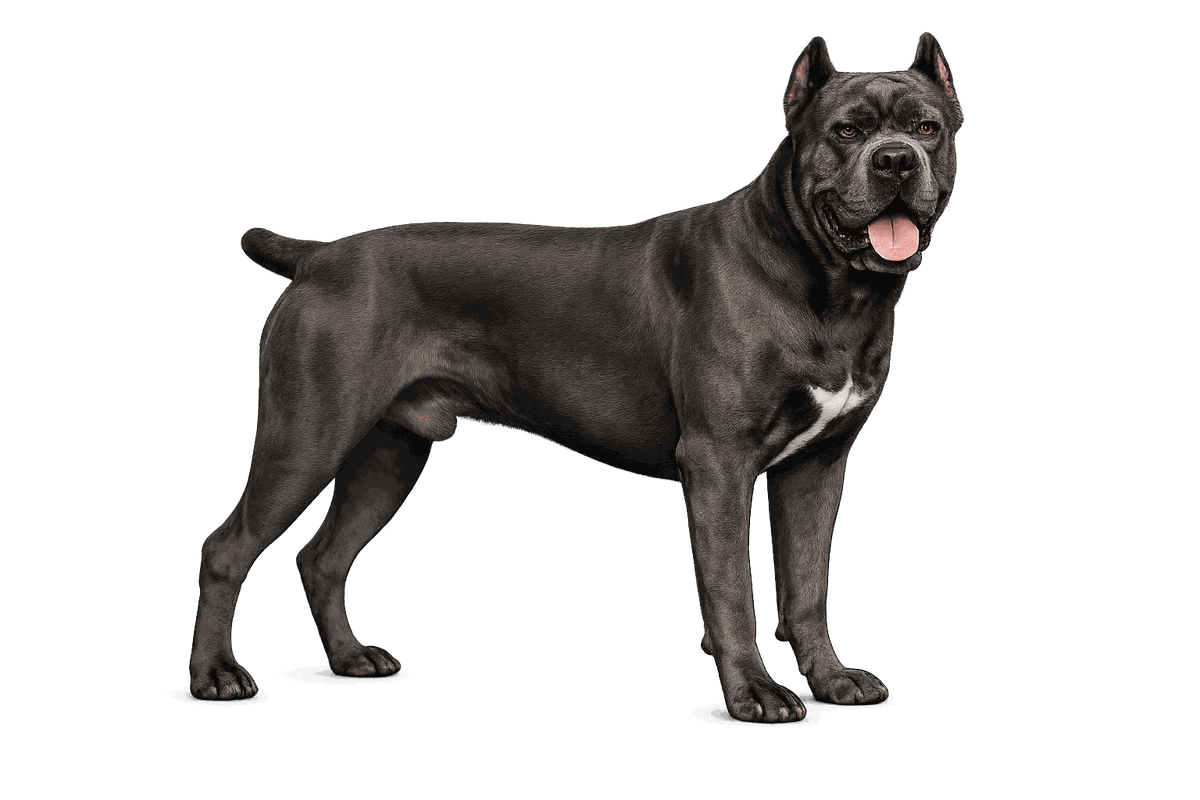
Weight
88-110 lb
Height
23.5-27.5 in
Lifespan
9-12 yrs
Coat
Smooth Short
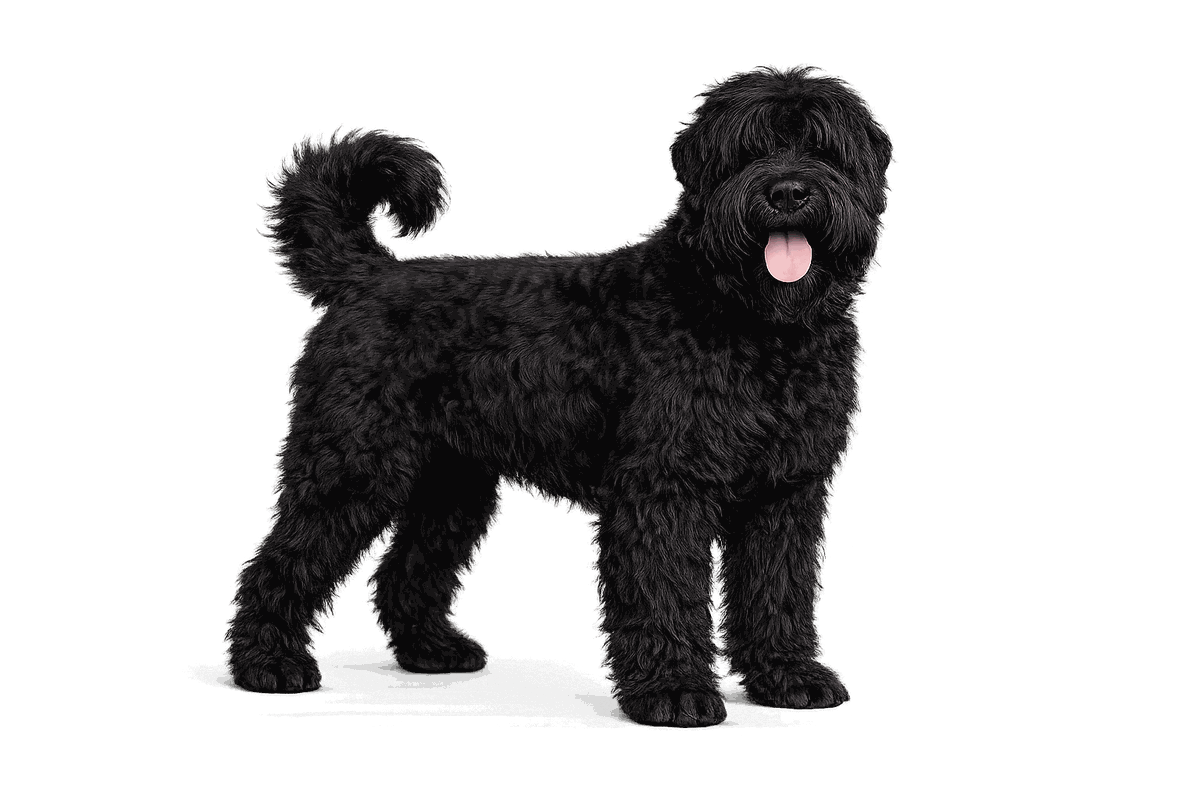
The Cane Corso is a large Italian guardian breed with a short coat, powerful build, strong family bond, and serious training and socialization needs.
Official, native, and commonly used variants
Weight
88-110 lb
Height
23.5-27.5 in
Lifespan
9-12 yrs
Coat
Smooth Short
At A Glance
A quick read on energy, upkeep, and what day-to-day life with this breed usually feels like.
Energy
High
Barking
Moderate
Drooling
Moderate
Shedding
Moderate
Grooming
2/5
First-time owner
No
The Cane Corso is an Italian mastiff-type working dog descended from old farm, property, and guardian dogs. It is powerful, athletic, and deeply attached to its household, with a natural protective instinct that must be shaped carefully.
The coat is short, stiff, and dense with a light undercoat. Standard colors include black, gray shades, fawn, red, black brindle, gray brindle, and chestnut brindle, often with a black or gray mask.
This breed is not for casual ownership. A Corso needs early socialization, calm leadership, leash control, visitor routines, structured exercise, and health screening for hips, elbows, heart, eyes, and bloat risk.
This breed tends to suit homes looking for a affectionate, intelligent, majestic companion, with daily rhythms shaped by high energy, moderate barking, and moderate drooling.
Coat type
Smooth
Coat length
Short
Shedding
Moderate
Colors
Black, Gray, Fawn, Red, Black Brindle, Gray Brindle, Chestnut Brindle
Apartment life is possible only for very committed owners with a calm adult and strong management. Secure space is usually easier.
The breed is naturally protective. Teach controlled visitor routines and reward calm choices instead of building suspicion.
Use structured reward-based training with socialization, leash manners, impulse control, handling, and calm settling.
The short dense coat sheds moderately. Brush weekly and keep nails, ears, skin, and drool cleanup on a routine.
Most healthy adult Cane Corsos need about 60 to 90 minutes of daily activity, with walks, training, strength-appropriate play, scent games, and calm settling practice.
The short dense coat needs weekly brushing, nail care, ear checks, and skin checks. Expect moderate shedding and some drool.
Use clear reward-based training with early socialization, leash control, visitor routines, impulse control, and handling. Do not encourage suspicion or uncontrolled guarding.
Feed a measured large-breed diet matched to age and workload. Keep the Corso lean and avoid heavy meals around hard exercise because deep-chested breeds can be at risk for bloat.
Energy level
High
Barking level
Moderate
Drooling level
Moderate
Watchdog ability
3/5
Guard dog ability
3/5
Climate tolerance
Common concerns to discuss with your vet and breeder.
This profile was researched from established breed and canine-care references. Breed tendencies describe typical patterns, not a guarantee for every individual dog.
Reviewed by the Dogs Index Editorial Team. For health or behavior concerns, consult a veterinarian or appropriately qualified professional.
Our Shop
Browse practical products for feeding, grooming, cleanup, enrichment, and smoother daily routines.