Apartment fit
Apartment life is possible only when exercise, training, and visitor routines are excellent. The breed's energy and alertness need daily outlets.
 Germany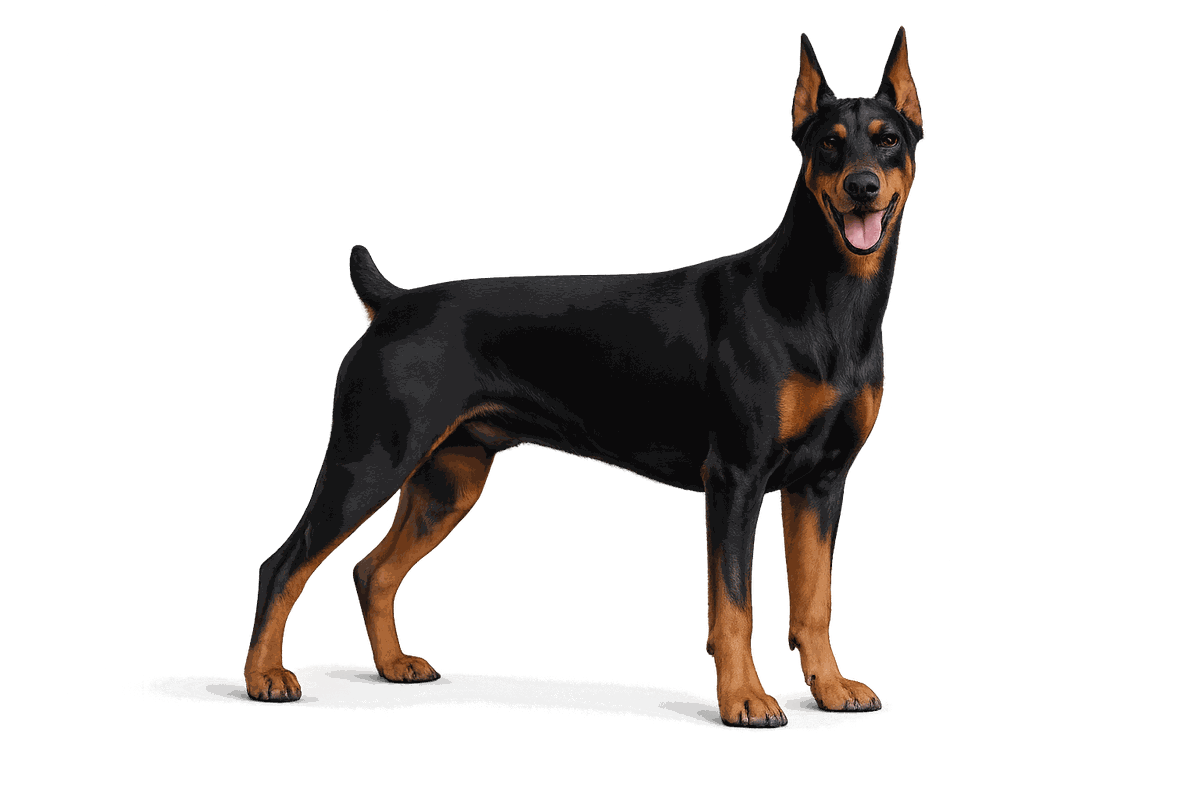
Weight
60-100 lb
Height
24-28 in
Lifespan
10-12 yrs
Coat
Smooth Short
The Doberman Pinscher is a powerful German working dog known for loyalty, intelligence, smooth coat, athleticism, and a natural protective instinct.
Official, native, and commonly used variants
Weight
60-100 lb
Height
24-28 in
Lifespan
10-12 yrs
Coat
Smooth Short
At A Glance
A quick read on energy, upkeep, and what day-to-day life with this breed usually feels like.
Energy
Very High
Barking
Moderate
Drooling
Low
Shedding
Moderate
Grooming
1/5
First-time owner
No
The Doberman Pinscher was developed in Germany as a personal protection and working dog. A correct Doberman is elegant, muscular, fast, and highly responsive, with a short close coat and a confident, alert expression.
Dobermans are usually loyal, intelligent, energetic, and strongly bonded to their people. They need daily exercise, structured training, socialization, and household rules. This is not a dog to leave bored or undertrained; its athleticism and protective instincts need skilled direction.
Standard colors include black, red, blue, and fawn with rust markings in AKC usage, while some registries are more restrictive. Health is a serious part of ownership: dilated cardiomyopathy, von Willebrand disease, Wobbler syndrome, hypothyroidism, hip dysplasia, bloat, and cervical spine issues should be discussed with breeders and veterinarians.
This breed tends to suit homes looking for a loyal, alert, intelligent companion, with daily rhythms shaped by very high energy, moderate barking, and low drooling.
Coat type
Smooth
Coat length
Short
Shedding
Moderate
Colors
Black and Rust, Red and Rust, Blue and Rust, Fawn and Rust
Apartment life is possible only when exercise, training, and visitor routines are excellent. The breed's energy and alertness need daily outlets.
Dobermans notice changes quickly. Reward calm observation, manage door greetings, and do not let guarding decisions become the dog's independent job.
Use clear rewards, structure, and early socialization. Dobermans learn quickly and need work that channels their athleticism and protective focus.
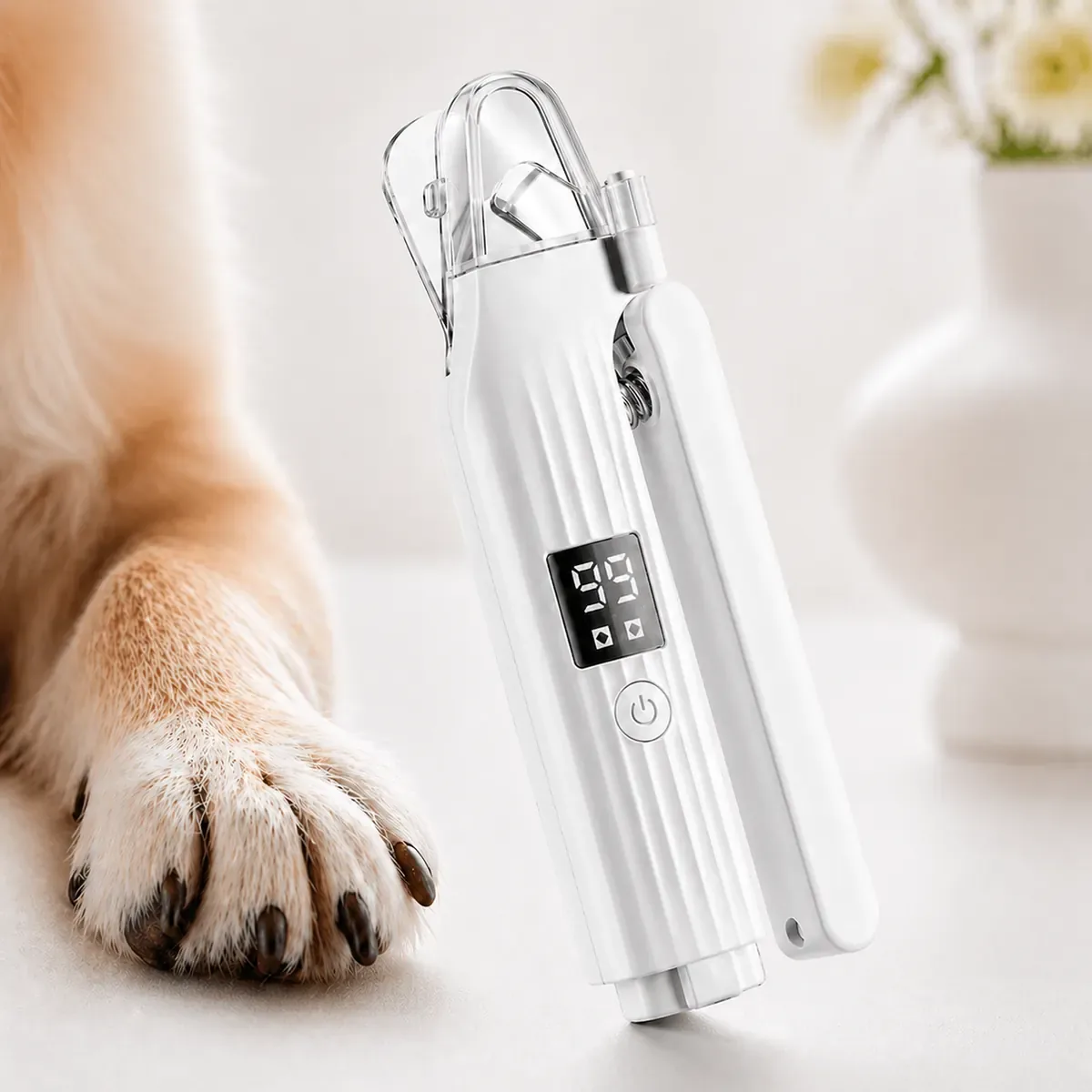
Brush the short coat, keep nails short, check skin, and provide cold protection when needed. Grooming is easy, but health monitoring is not optional.
Dobermans need serious daily exercise and training: running with conditioning, long walks, obedience, scent work, protection-sport foundations with qualified trainers, or other structured jobs.
The short smooth coat is simple to brush, but nails, teeth, ears, skin, and body condition need routine attention. Thin coats make some Dobermans cold-sensitive.
Use clear, reward-based structure and early socialization. Teach impulse control, recall, leash manners, calm visitor routines, and settling before adolescence turns strength into a problem.
Feed measured meals for a lean athletic body. Discuss bloat risk, heart screening, growth, and workload with a veterinarian.
Energy level
Very High
Barking level
Moderate
Drooling level
Low
Watchdog ability
5/5
Guard dog ability
4/5
Climate tolerance
Common concerns to discuss with your vet and breeder.
This profile was researched from established breed and canine-care references. Breed tendencies describe typical patterns, not a guarantee for every individual dog.
Reviewed by the Dogs Index Editorial Team. For health or behavior concerns, consult a veterinarian or appropriately qualified professional.
Our Shop
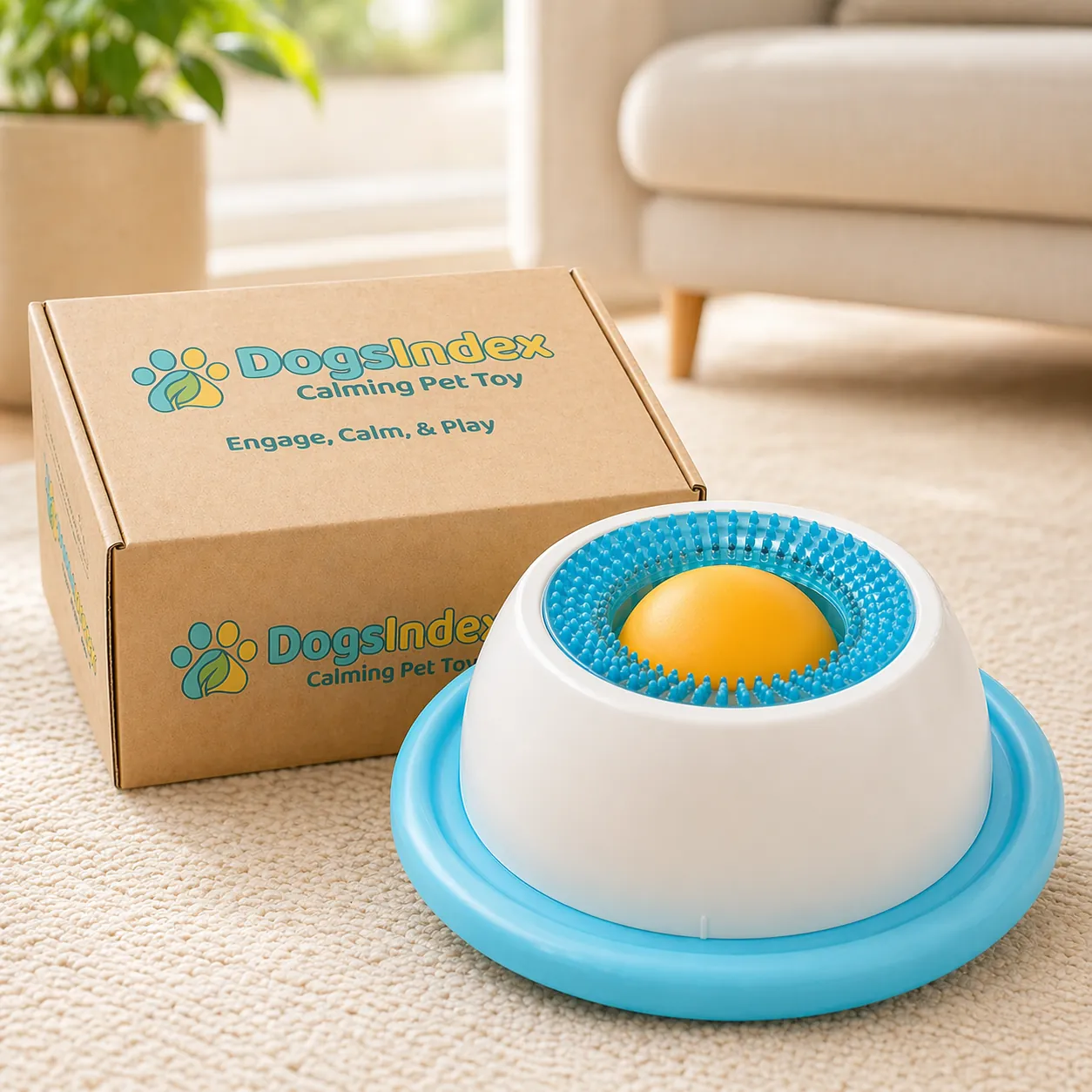
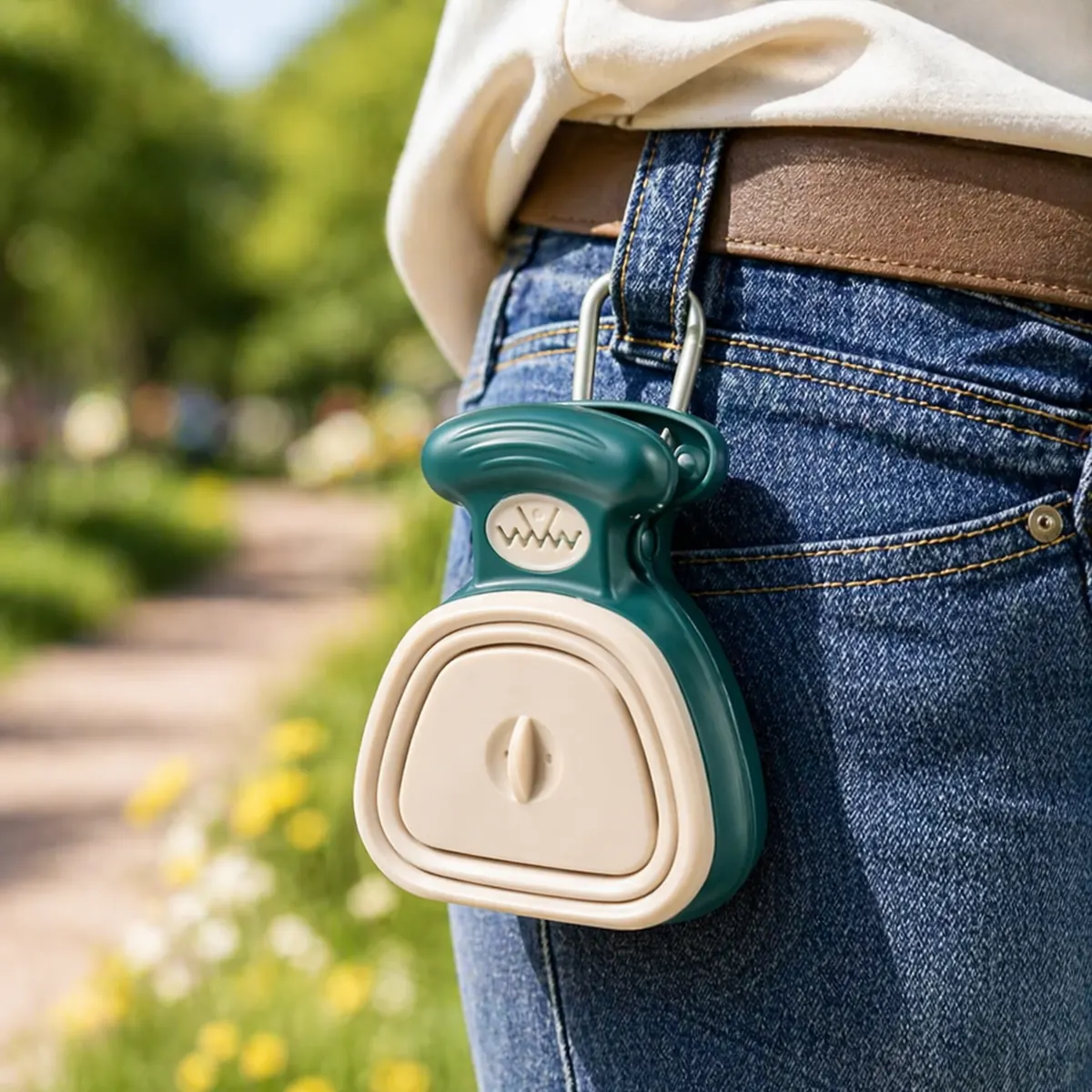
Browse practical products for feeding, grooming, cleanup, enrichment, and smoother daily routines.