Apartment fit
Apartment life is generally a poor fit. The breed needs outdoor work, secure space, and cold-weather activity.
Weight
40-55 lb
Height
21-25 in
Lifespan
12-14 yrs
Coat
Double Medium
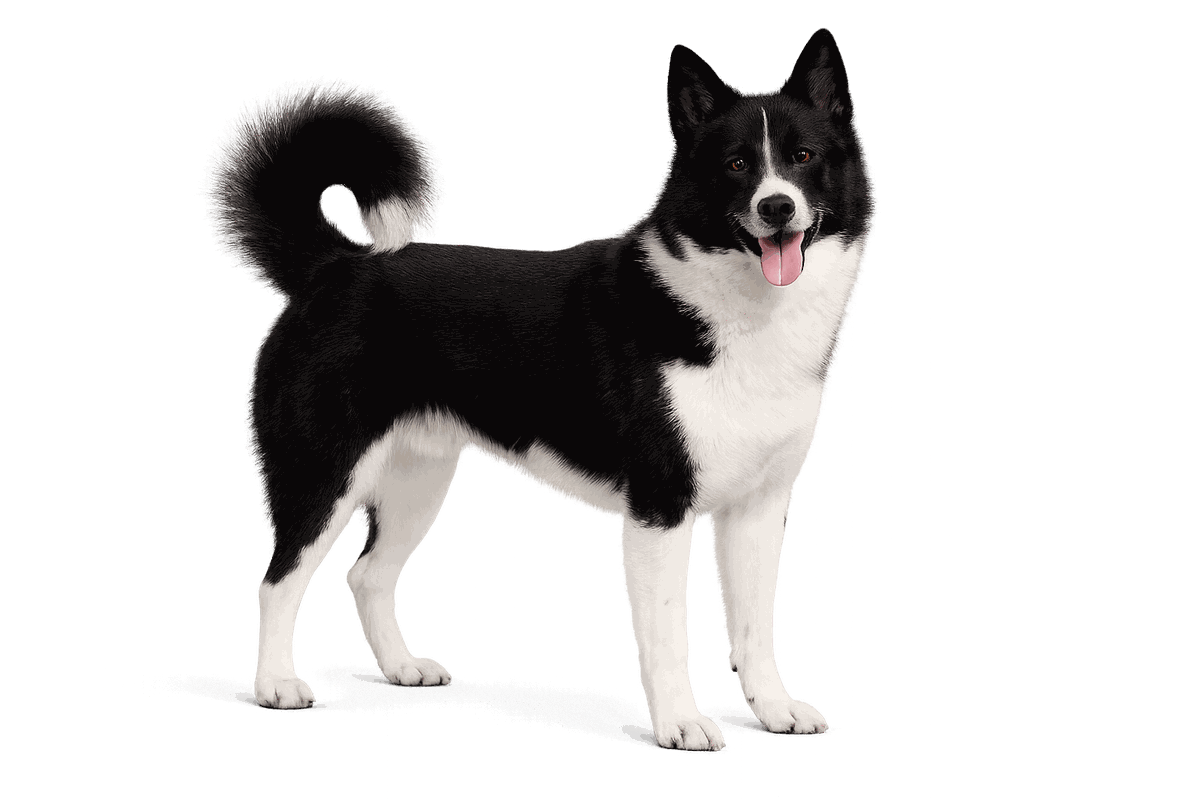
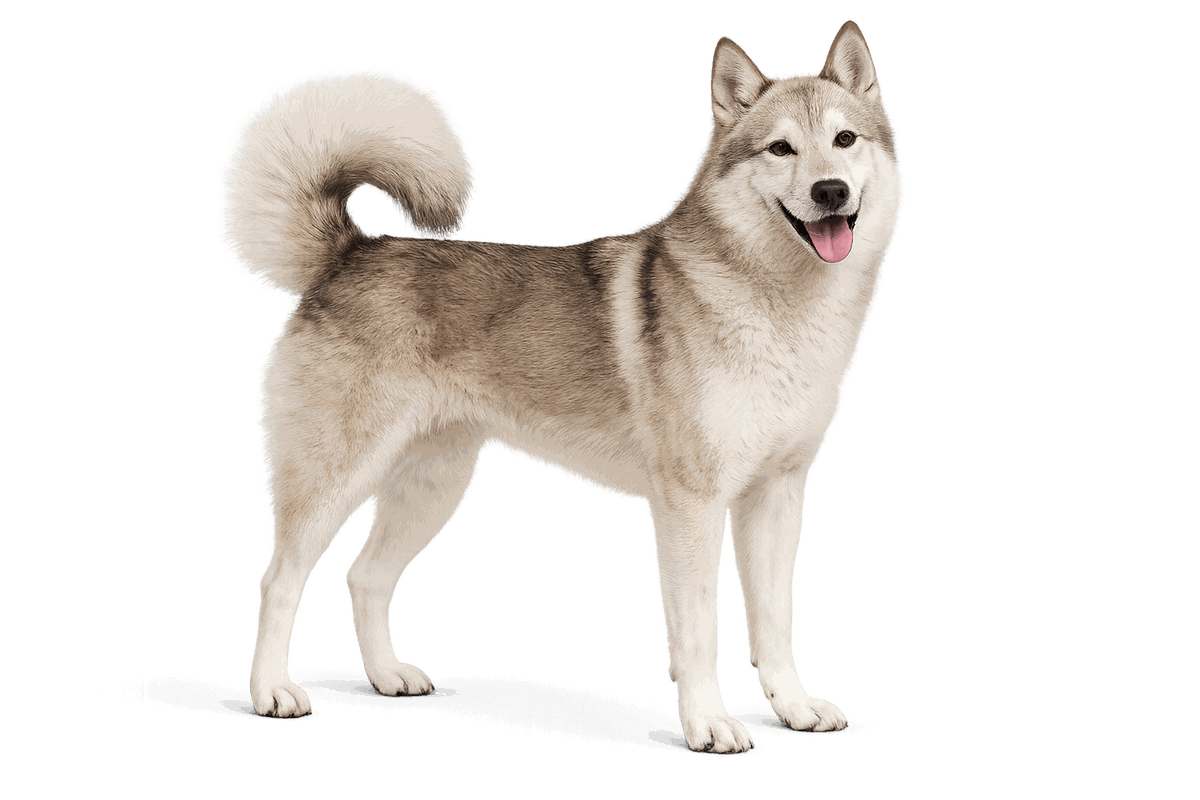
The East Siberian Laika is a large Russian spitz-type hunting dog with a dense double coat, strong prey drive, endurance, and cold-weather toughness.
Official, native, and commonly used variants
Weight
40-55 lb
Height
21-25 in
Lifespan
12-14 yrs
Coat
Double Medium
At A Glance
A quick read on energy, upkeep, and what day-to-day life with this breed usually feels like.
Energy
Very High
Barking
High
Drooling
Low
Shedding
High
Grooming
3/5
First-time owner
No
The East Siberian Laika is a native Russian hunting spitz from the forests and taiga east of the Yenisei River. It was developed as a versatile hunting dog for both large and small game, and it retains strong natural instincts, stamina, and independence.
This is not a casual city companion. The breed is active, alert, hardy, and strongly attached to its owner, but it can be reserved with strangers and intense around game. It needs secure outdoor outlets, serious exercise, and owners who understand hunting spitz behavior.
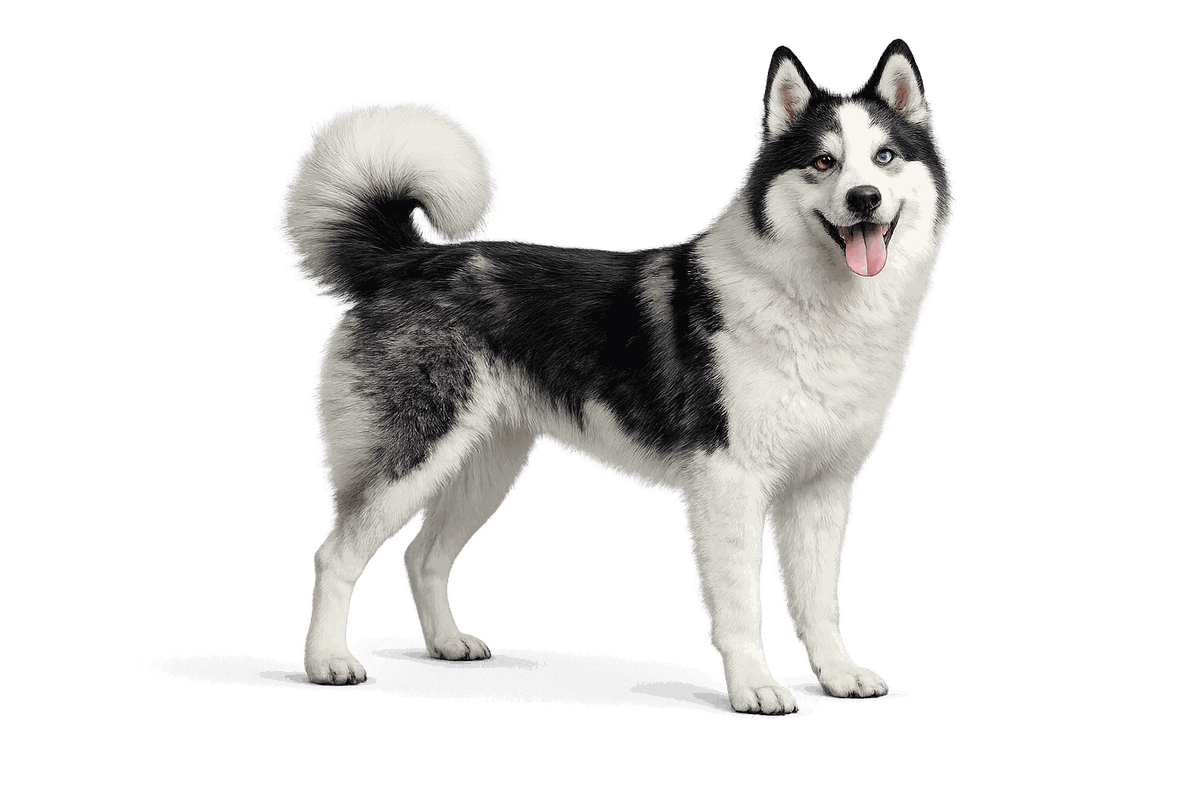
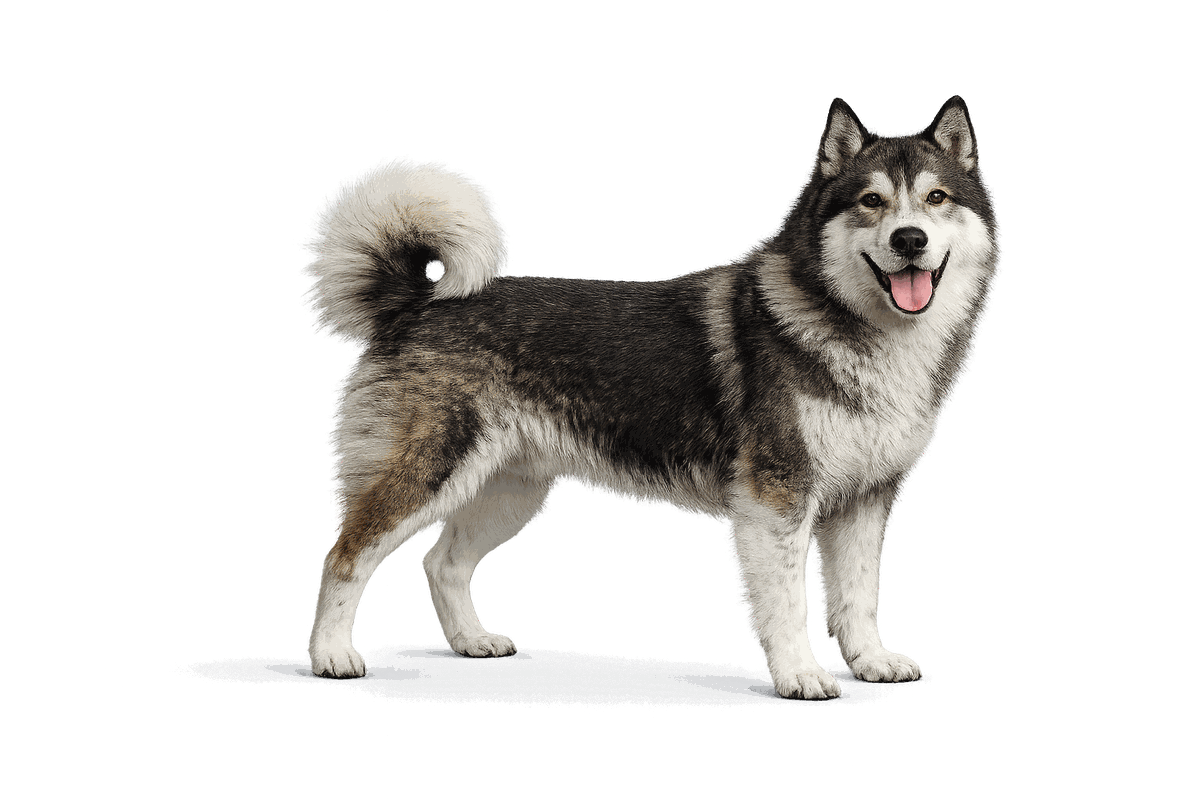
The coat is a dense medium-length double coat with a harsh outer layer and thick undercoat. FCI allows several colors, including black and tan, black, black and white, white, gray, red, and brown shades. Owners should plan for heavy seasonal shedding, prey-drive management, and health discussions around hips, elbows, eyes, teeth, and working soundness.
This breed tends to suit homes looking for a hardy, independent, alert companion, with daily rhythms shaped by very high energy, high barking, and low drooling.
Coat type
Double
Coat length
Medium
Shedding
High
Colors
Black and Tan, Black, Black and White, White, Gray, Red, Brown
Apartment life is generally a poor fit. The breed needs outdoor work, secure space, and cold-weather activity.
Expect alert and hunting-related vocal behavior. Manage triggers and provide appropriate outdoor jobs.
Use experienced reward-based training, secure containment, and long-line work. Casual off-leash reliability should not be assumed.
Brush the dense double coat often and increase grooming during coat blow. Check paws and ears after outdoor work.
East Siberian Laikas need demanding daily exercise and outdoor work. Hunting, long hikes, tracking, skijoring-style activity, and secure running suit the breed better than city walks alone.
Brush the dense double coat regularly and heavily during seasonal shedding. Check feet, nails, ears, and skin after outdoor work.
Use experienced, reward-based training with strong management. Recall, prey-drive control, neutrality around strangers, and secure containment are essential.
Feed for a lean working build and adjust portions for cold-weather work, hunting season, and activity level.
Energy level
Very High
Barking level
High
Drooling level
Low
Watchdog ability
4/5
Guard dog ability
2/5
Climate tolerance
Common concerns to discuss with your vet and breeder.
This profile was researched from established breed and canine-care references. Breed tendencies describe typical patterns, not a guarantee for every individual dog.
Reviewed by the Dogs Index Editorial Team. For health or behavior concerns, consult a veterinarian or appropriately qualified professional.
Our Shop
Browse practical products for feeding, grooming, cleanup, enrichment, and smoother daily routines.