Apartment fit
Apartment life is possible only with unusually good space, elevator access, exercise, and noise management. A house with more room is usually simpler.
 Switzerland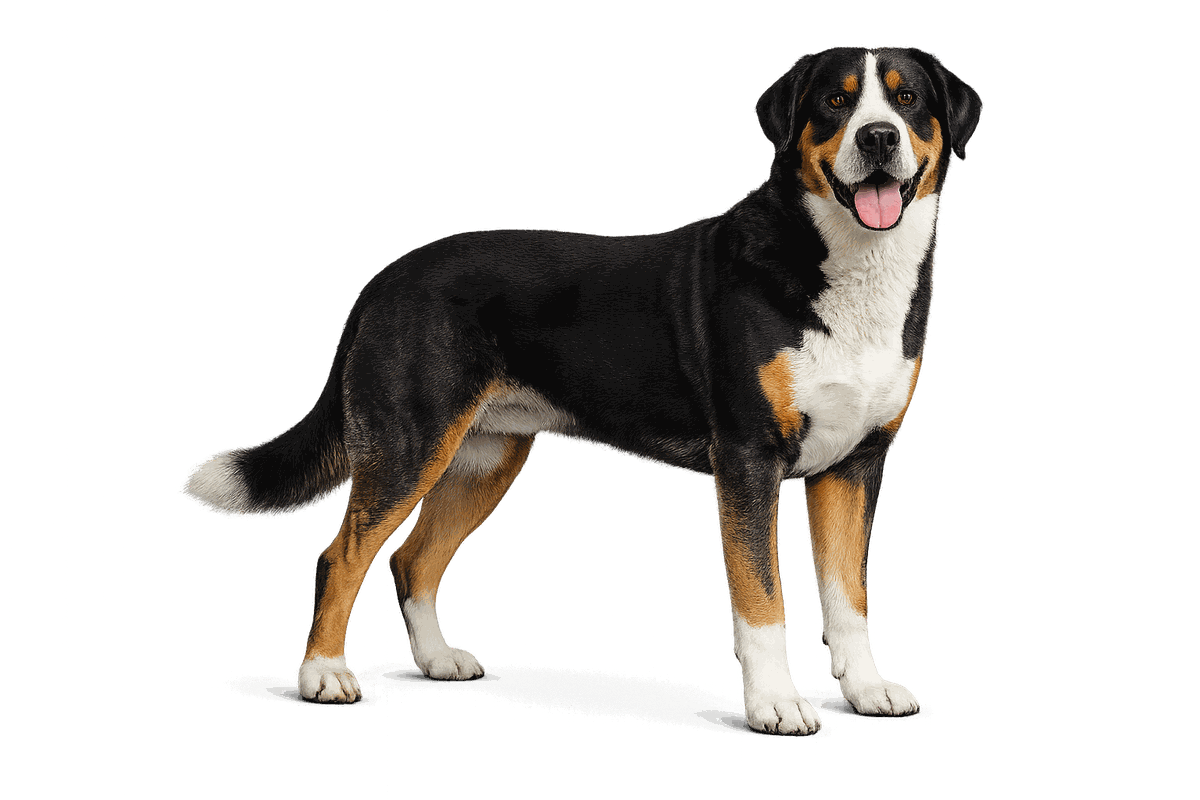
Weight
85-140 lb
Height
23.7-28.5 in
Lifespan
8-11 yrs
Coat
Double Short
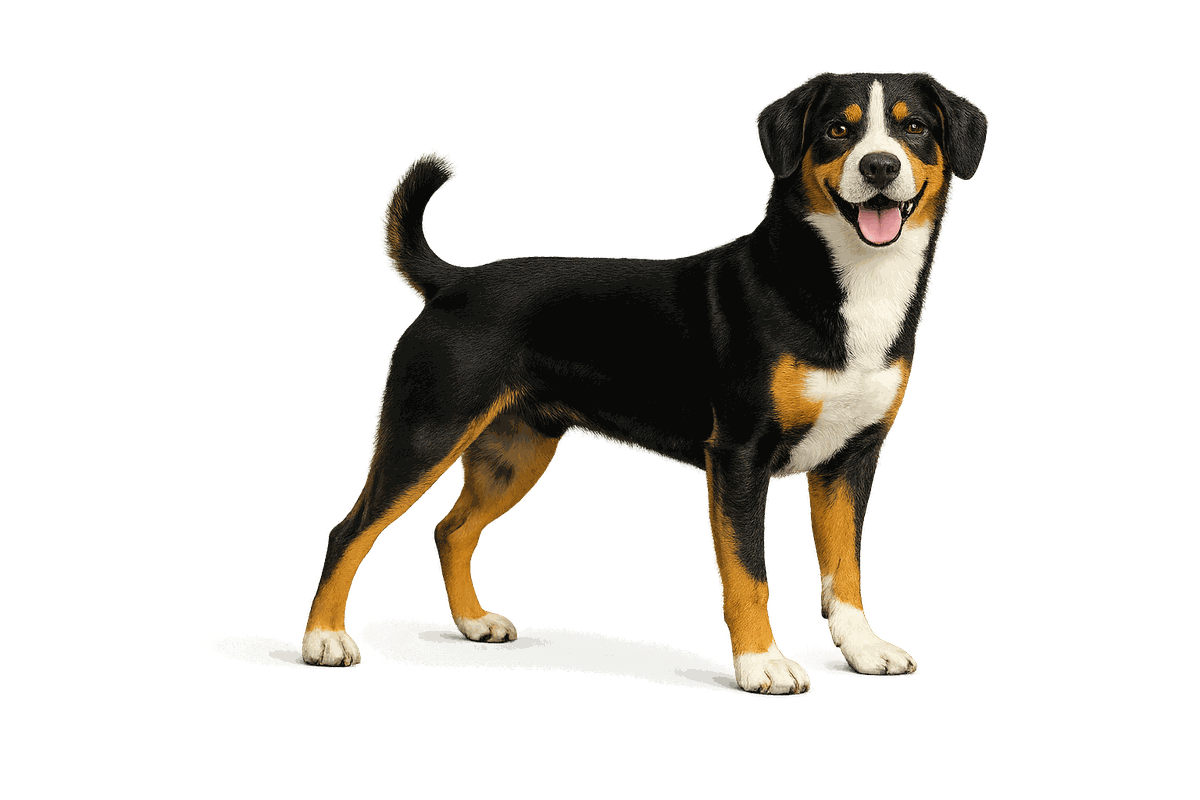
The Greater Swiss Mountain Dog is a large Swiss working breed with a short tricolor coat, steady temperament, and roots in farm guarding, droving, and cart work.
Official, native, and commonly used variants
Weight
85-140 lb
Height
23.7-28.5 in
Lifespan
8-11 yrs
Coat
Double Short
At A Glance
A quick read on energy, upkeep, and what day-to-day life with this breed usually feels like.
Energy
Moderate
Barking
Moderate
Drooling
Moderate
Shedding
Moderate
Grooming
2/5
First-time owner
No
The Greater Swiss Mountain Dog, or Grosser Schweizer Sennenhund, is the largest of the Swiss mountain and cattle dogs. It was developed as a strong farm dog for driving livestock, guarding property, and pulling carts in Switzerland. The breed is powerful and substantial, but the best examples are steady rather than frantic.
A Swissy can be affectionate, watchful, and reliable with a family, but size and adolescence make early training important. Puppies can be slow to mature, and a large young dog without leash manners or polite greetings can become difficult quickly. The breed usually needs moderate daily exercise, training, and household structure rather than constant high-intensity work.
The short double coat is easier than many mountain-dog coats, but it still sheds. Health planning matters: breed health references commonly discuss bloat and GDV, splenic torsion, hip and elbow dysplasia, eye and eyelid problems, epilepsy, urinary incontinence, and orthopedic issues. Responsible breeders should discuss screening and known line history openly.
This breed tends to suit homes looking for a faithful, watchful, steady companion, with daily rhythms shaped by moderate energy, moderate barking, and moderate drooling.
Coat type
Double
Coat length
Short
Shedding
Moderate
Colors
Black, White, Rust, Tricolor
Apartment life is possible only with unusually good space, elevator access, exercise, and noise management. A house with more room is usually simpler.
Swissies are often watchful and family-focused. Socialization should teach them that normal visitors, delivery sounds, and neighborhood activity do not always require a big alert.
Use reward-based training, short daily practice, and early handling. Prioritize leash manners, calm greetings, recall, and settling on cue.
The short double coat needs weekly brushing and heavier shedding-season cleanup. Nail care matters because large feet and long nails can affect movement.
Most adult Swissies need steady daily walks, training, and room to move. Avoid overdoing forced exercise during growth, and build fitness gradually for carting, hiking, or weight-pull activities.
Brush the short double coat weekly and more often during seasonal shedding. Keep nails short and teach handling early because the dog becomes large and strong.
Start leash manners, polite greetings, recall foundations, and calm settling early. The breed is powerful and can be independent, so reward-based consistency matters more than physical control.
Feed a measured large-breed diet and keep the dog lean. Ask your veterinarian about growth rate in puppies, joint support, and bloat-risk feeding routines.
Energy level
Moderate
Barking level
Moderate
Drooling level
Moderate
Watchdog ability
4/5
Guard dog ability
2/5
Climate tolerance
Common concerns to discuss with your vet and breeder.
This profile was researched from established breed and canine-care references. Breed tendencies describe typical patterns, not a guarantee for every individual dog.
Reviewed by the Dogs Index Editorial Team. For health or behavior concerns, consult a veterinarian or appropriately qualified professional.
Our Shop
Browse practical products for feeding, grooming, cleanup, enrichment, and smoother daily routines.