Apartment fit
Apartment life can work with committed exercise and barking management, but noise-sensitive neighbors can be a problem.
 Iceland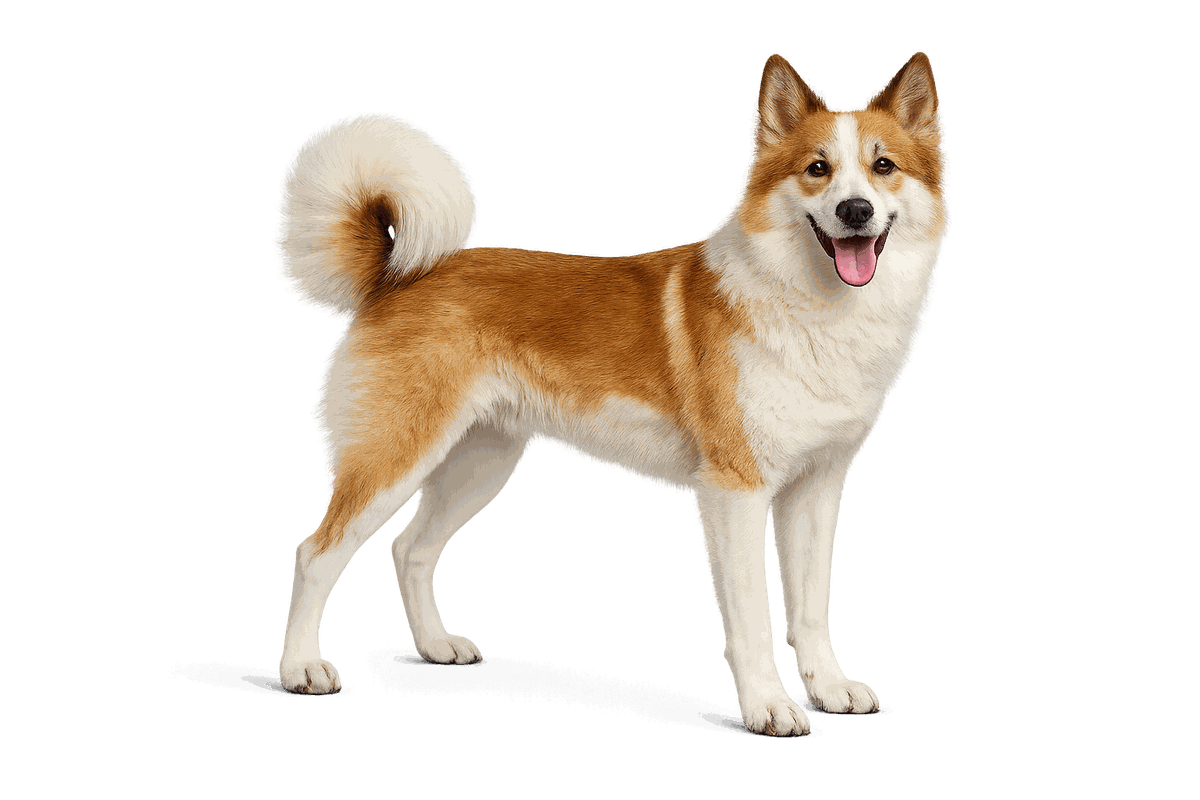
Weight
25-30 lb
Height
16.5-18 in
Lifespan
12-15 yrs
Coat
Double Medium
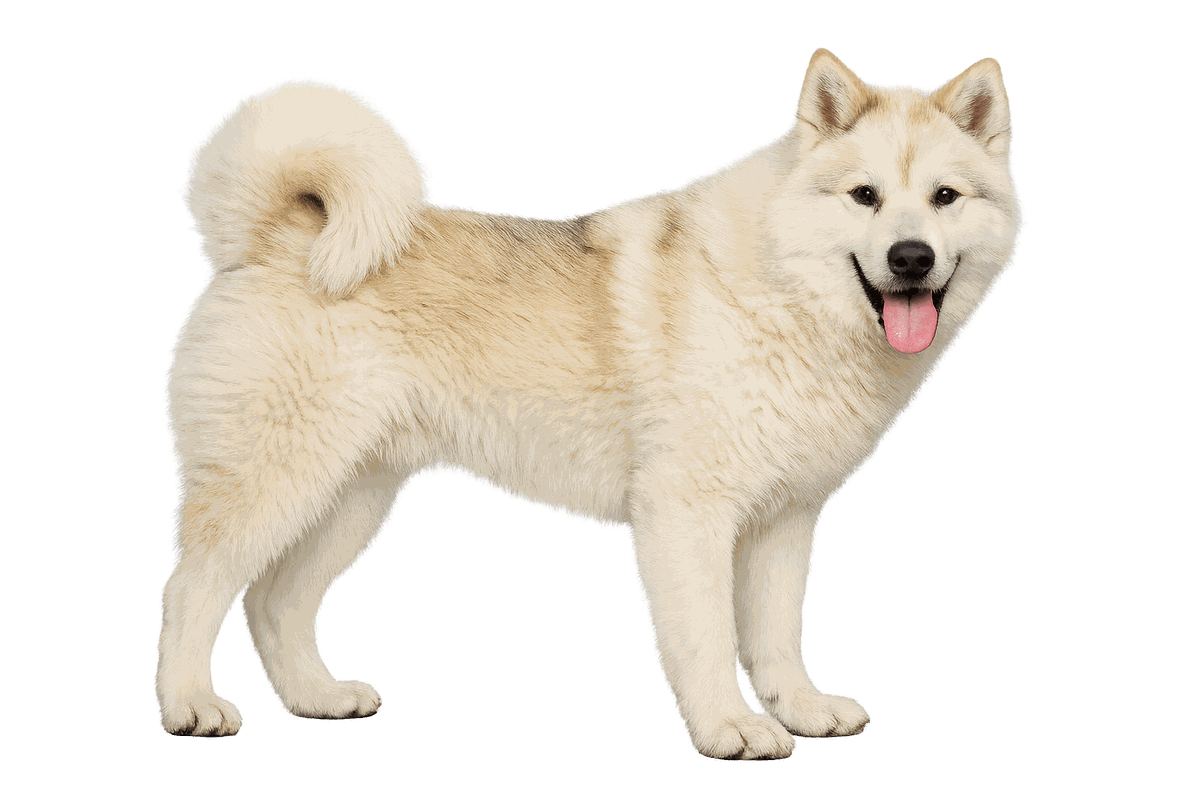
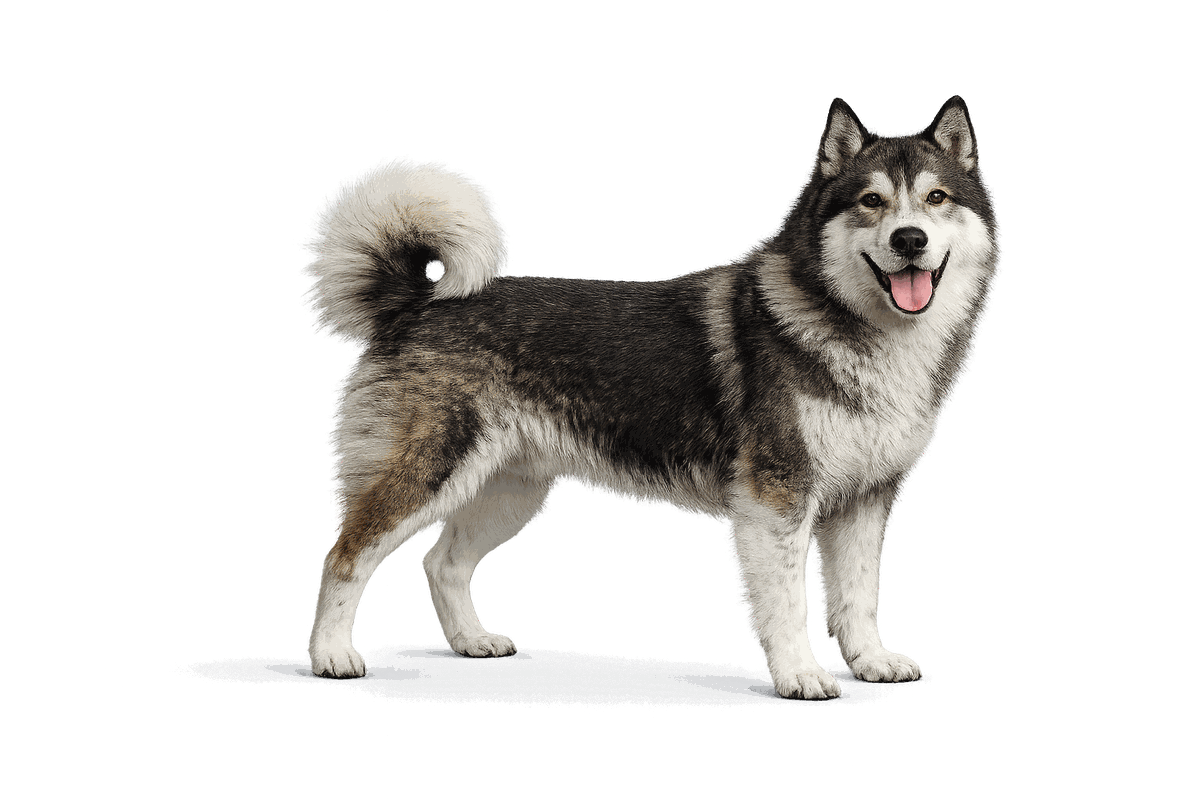
The Icelandic Sheepdog is Iceland's native spitz herding breed, friendly and alert, with a weatherproof double coat and a tendency to bark while working.
Official, native, and commonly used variants
Weight
25-30 lb
Height
16.5-18 in
Lifespan
12-15 yrs
Coat
Double Medium
At A Glance
A quick read on energy, upkeep, and what day-to-day life with this breed usually feels like.
Energy
High
Barking
High
Drooling
Low
Shedding
High
Grooming
3/5
First-time owner
Yes
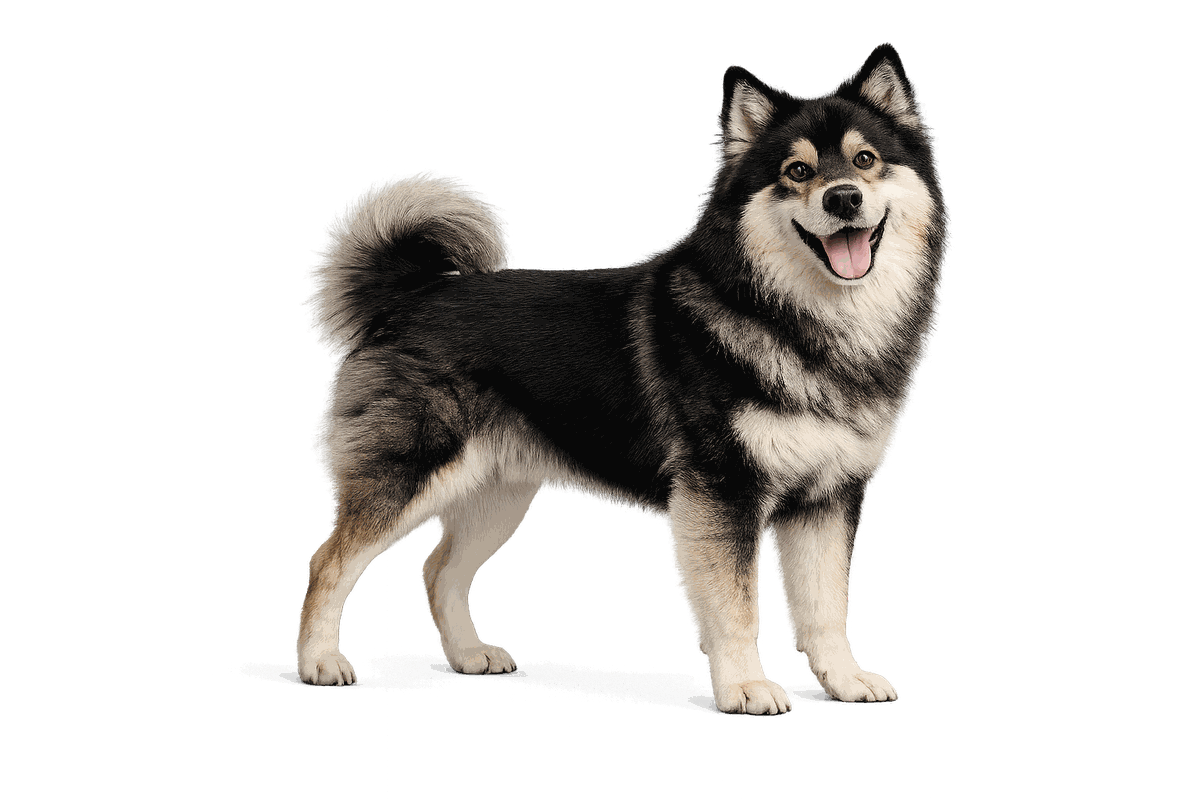
The Icelandic Sheepdog is Iceland's only native dog breed and a Nordic spitz-type herder brought to the island by early settlers. It worked around sheep, horses, and farms, using agility, voice, and alertness rather than heavy force.
This breed is usually cheerful, friendly, and people-oriented, but it is also a real herding watchdog. Barking is part of the breed's working style, especially when alerting or moving livestock, so owners in dense housing need a plan for sound management and enrichment.
The double coat comes in short and long varieties, always weather-resistant, and several colors are allowed with one predominant color and white markings. Health planning should include hips, elbows, patellas, eyes, and responsible breeder screening.
This breed tends to suit homes looking for a friendly, cheerful, alert companion, with daily rhythms shaped by high energy, high barking, and low drooling.
Coat type
Double
Coat length
Medium
Shedding
High
Colors
Tan, Cream, Reddish Brown, Chocolate, Gray, Black, White Markings, Pied
Apartment life can work with committed exercise and barking management, but noise-sensitive neighbors can be a problem.
Barking is a breed feature, not a defect. Teach quiet cues, reward calm observation, and provide enough work.
Use upbeat reward-based training. Icelandic Sheepdogs often enjoy tricks, agility, rally, herding-style games, and cooperative work.
The weatherproof double coat needs regular brushing and heavier work during shedding seasons.
Icelandic Sheepdogs need daily walks, play, training, and herding-style mental work. They are active farm spitz dogs, not sedentary companions.
Brush the double coat weekly and much more during seasonal shedding. Check dewclaws, nails, ears, and feathering for mats or debris.
Use reward-based training and channel barking into useful alerts and quiet cues. The breed is bright and responsive but can become noisy when bored.
Feed a measured medium-breed diet and keep the dog lean. Adjust food for activity, climate, and seasonal coat changes.
Energy level
High
Barking level
High
Drooling level
Low
Watchdog ability
4/5
Guard dog ability
1/5
Climate tolerance
Common concerns to discuss with your vet and breeder.
This profile was researched from established breed and canine-care references. Breed tendencies describe typical patterns, not a guarantee for every individual dog.
Reviewed by the Dogs Index Editorial Team. For health or behavior concerns, consult a veterinarian or appropriately qualified professional.
Our Shop
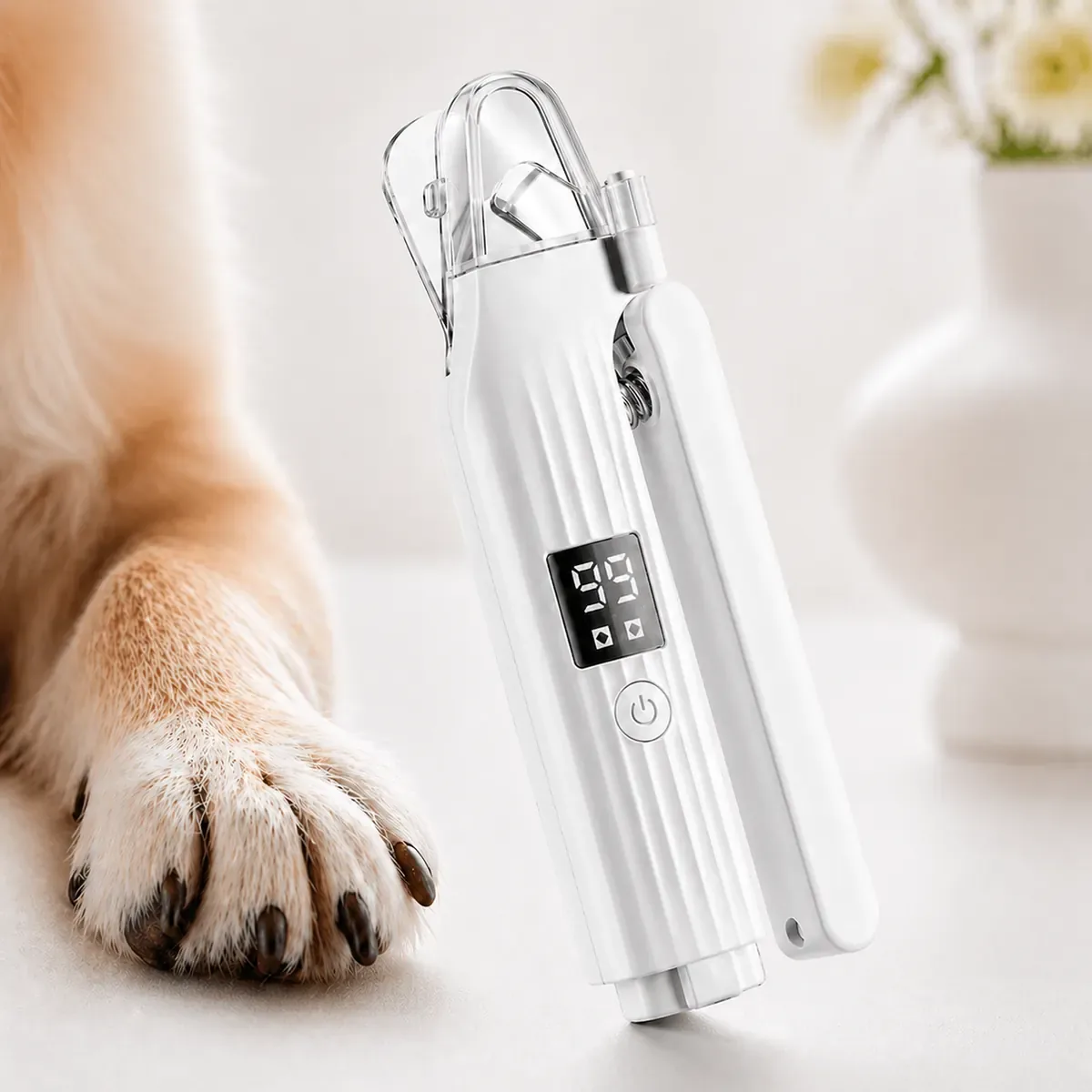
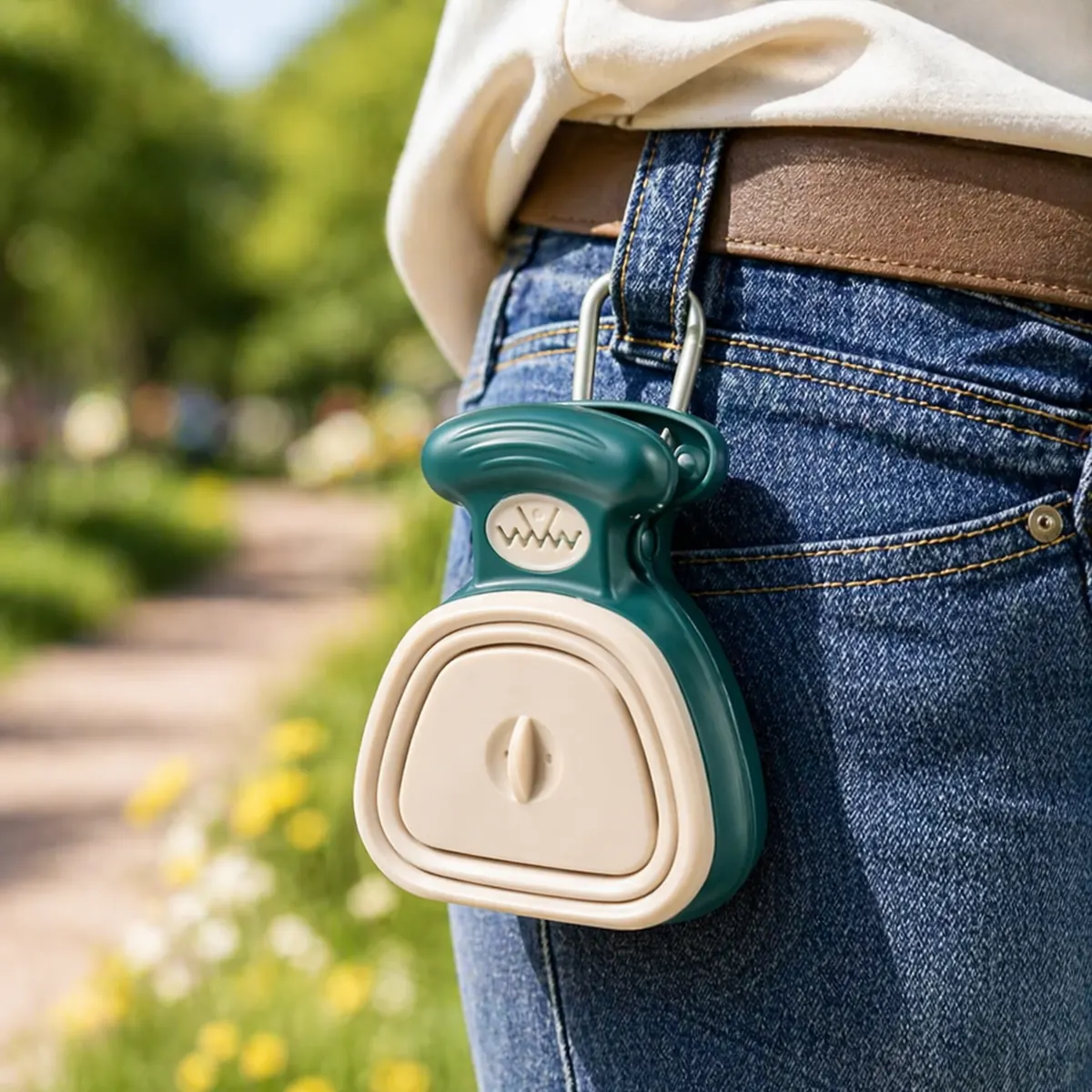
Browse practical products for feeding, grooming, cleanup, enrichment, and smoother daily routines.