Apartment fit
The Italian Spinone is not an impossible apartment dog, but its large body, coat mess, and exercise needs make small-space living harder. It needs reliable daily outings and calm indoor manners before apartment life feels fair.
 Italy
Italy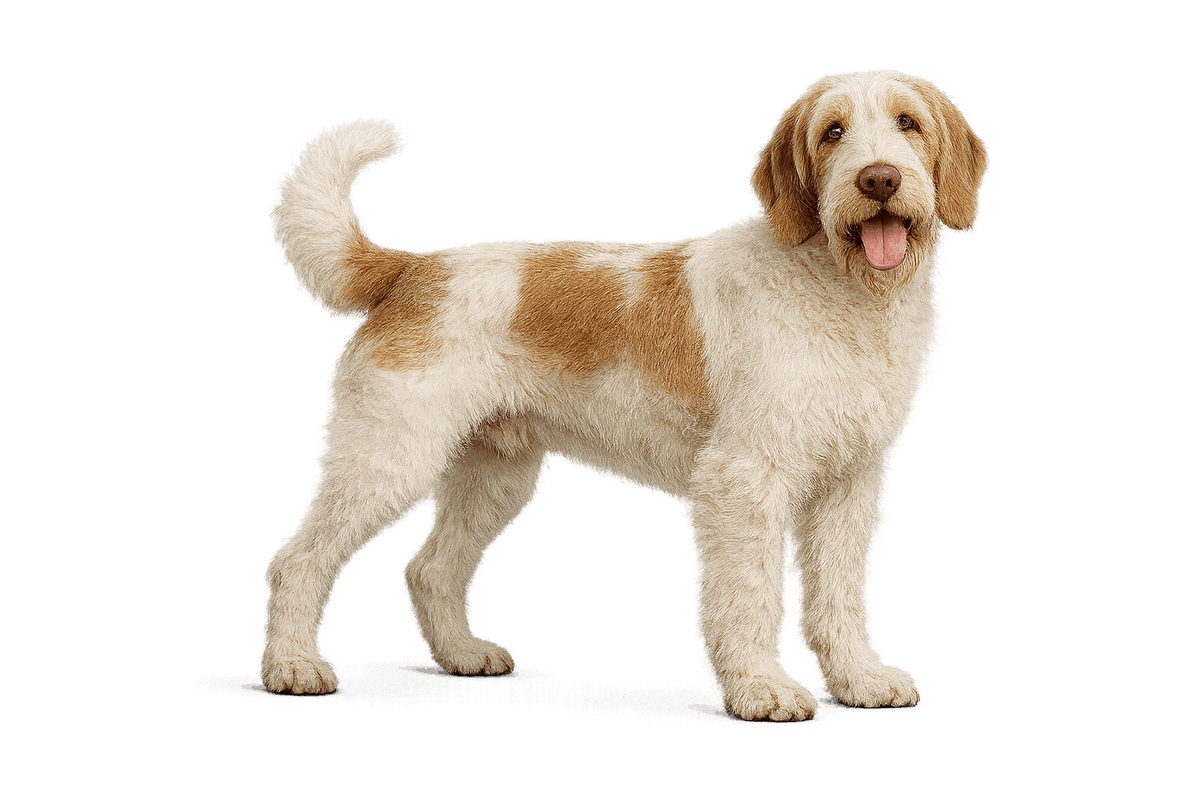
Weight
62-82 lb
Height
22.8-27.6 in
Lifespan
10-12 yrs
Coat
Single Medium
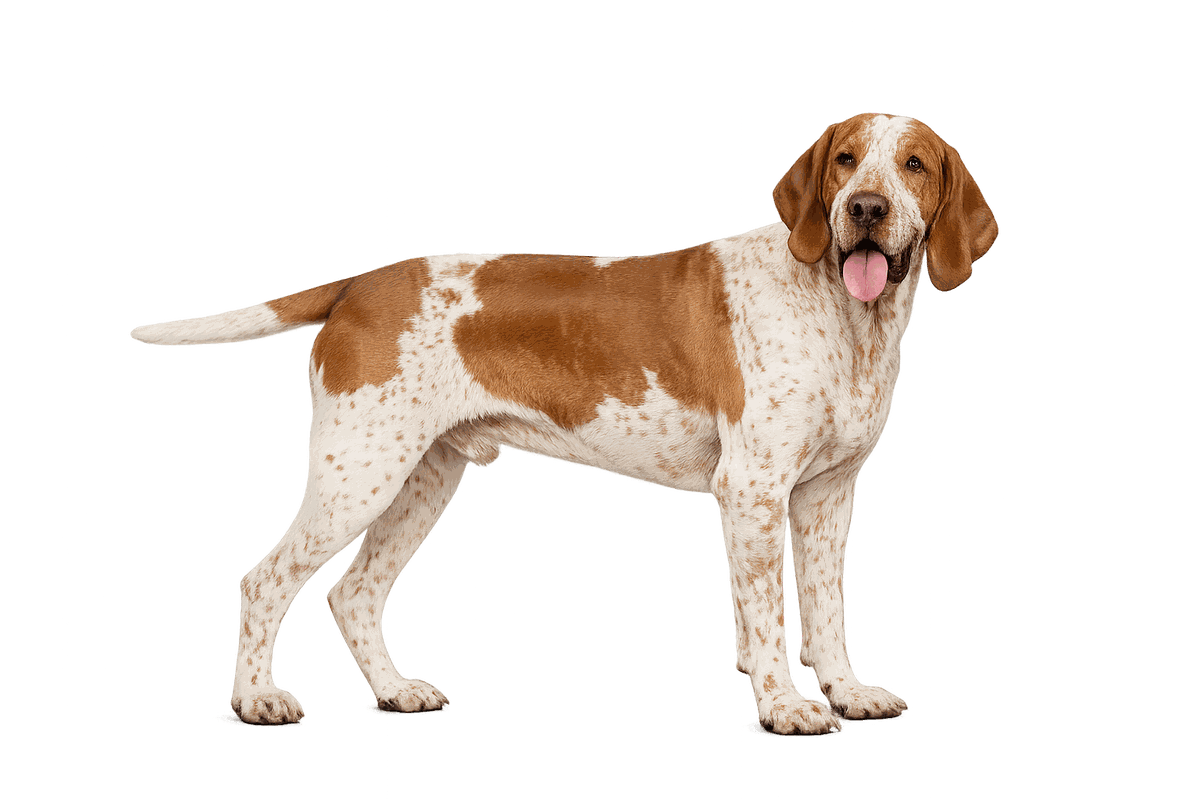
The Italian Spinone, or Spinone Italiano, is a large Italian pointing dog with a harsh coat, patient temperament, and steady field endurance.
Official, native, and commonly used variants
Weight
62-82 lb
Height
22.8-27.6 in
Lifespan
10-12 yrs
Coat
Single Medium
At A Glance
A quick read on energy, upkeep, and what day-to-day life with this breed usually feels like.
Energy
Moderate
Barking
Moderate
Drooling
Moderate
Shedding
Moderate
Grooming
3/5
First-time owner
No
The Italian Spinone is a historic Italian pointing breed developed for all-terrain hunting, pointing, and retrieving. FCI describes the breed as robust, powerful-boned, rough-coated, naturally sociable, docile, and patient, with enough endurance to work through thorny cover and cold water. In a home, that usually translates to a gentle, people-focused dog that still needs meaningful outdoor time and clear routines.
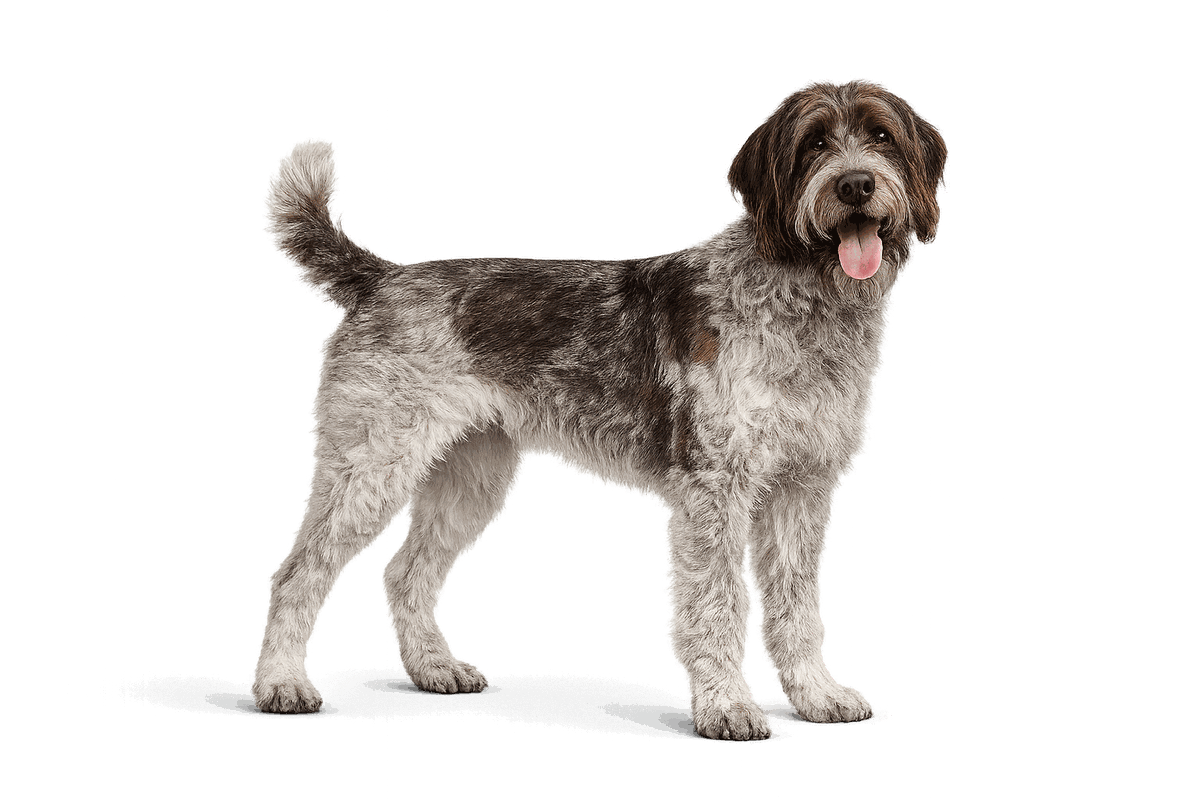
This is a large, solid dog rather than a fast, sharp-edged gundog. Most adults do best with daily walks, off-leash exercise in safe areas, retrieving games, swimming when available, and scent-based training. The Spinone can be calm indoors once exercised, but it is not a low-activity ornament. Its beard, eyebrows, and harsh single coat give the breed its distinctive look and also mean owners should expect mud, burrs, beard cleanup, ear checks, and occasional hand-stripping rather than simple wash-and-go grooming.
The Italian Spinone is usually a better match for owners who want a steady companion and are comfortable with a large, slow-maturing sporting dog. It tends to be affectionate and cooperative, but training still needs patience because the breed can be thoughtful rather than instantly obedient. Responsible breeders should discuss hip and elbow screening, eye exams, neurologic history, and overall orthopedic soundness.
This breed tends to suit homes looking for a sociable, docile, patient companion, with daily rhythms shaped by moderate energy, moderate barking, and moderate drooling.
Coat type
Single
Coat length
Medium
Shedding
Moderate
Colors
Pure white, White and orange, Orange roan, White and brown, Brown roan
The Italian Spinone is not an impossible apartment dog, but its large body, coat mess, and exercise needs make small-space living harder. It needs reliable daily outings and calm indoor manners before apartment life feels fair.
The Spinone is not usually a frantic alarm dog, but it may bark for visitors, wildlife, boredom, or excitement. Good recall, calm greeting practice, and enough outdoor work help keep behavior manageable.
Use patient reward-based training with practical goals: recall, loose-leash walking, retrieving manners, settling, grooming cooperation, and polite greetings. The breed usually responds best when training feels cooperative rather than confrontational.
Brush weekly, check ears often, clean the beard, and remove dead coat by hand-stripping when needed. Clipping can soften the harsh coat texture, so ask a groomer familiar with rough-coated gundogs.
Plan about 60 to 90 minutes of daily activity for a healthy adult Italian Spinone, mixing steady walks with field-style outlets such as retrieving, swimming, tracking games, and safe off-leash movement. The breed is built for endurance and often settles best after slow, purposeful work rather than frantic fetch alone.
The Italian Spinone has a harsh, dense, rather flat coat with no undercoat in the FCI standard. Brush through the beard, eyebrows, legs, and body weekly, clean the beard after meals or muddy walks, check the ears after swimming or cover work, and ask a breed-savvy groomer about hand-stripping instead of clipping.
Italian Spinone training should be patient, consistent, and reward-based. The breed is usually willing and affectionate, but it can be deliberate, so short practical sessions, recall work, polite greetings, and controlled field games are more useful than harsh correction or repetitive drilling.
Feed a measured large-breed diet matched to age, body condition, and activity. Keep the Italian Spinone lean to reduce stress on hips, elbows, and feet, and discuss growth rate, joint support, and any digestive or neurologic concerns with a veterinarian.
Energy level
Moderate
Barking level
Moderate
Drooling level
Moderate
Watchdog ability
3/5
Guard dog ability
1/5
Climate tolerance
Common concerns to discuss with your vet and breeder.
This profile was researched from established breed and canine-care references. Breed tendencies describe typical patterns, not a guarantee for every individual dog.
Reviewed by the Dogs Index Editorial Team. For health or behavior concerns, consult a veterinarian or appropriately qualified professional.
Our Shop
Browse practical products for feeding, grooming, cleanup, enrichment, and smoother daily routines.