Apartment fit
Apartment life is possible for a well-managed Jack Russell, but it requires more than being small. The owner must prevent rehearsed barking, provide real exercise, and teach the dog to settle indoors.
 England
Weight
11-13 lb
Height
9.8-11.8 in
Lifespan
12-15 yrs
Coat
Weatherproof Short
The Jack Russell Terrier is a small, high-drive terrier of English origin and Australian development, known for bold character, weatherproof coat varieties, and serious energy.
Official, native, and commonly used variants
Weight
11-13 lb
Height
9.8-11.8 in
Lifespan
12-15 yrs
Coat
Weatherproof Short
At A Glance
A quick read on energy, upkeep, and what day-to-day life with this breed usually feels like.
Energy
High
Barking
High
Drooling
Low
Shedding
Moderate
Grooming
2/5
First-time owner
No
The Jack Russell Terrier began in England with Reverend John Russell's fox-working terriers and was later developed and standardized in Australia as the shorter, slightly longer-bodied Russell type. FCI describes it as a strong, active, lithe working terrier that can go to ground, with a lively, alert, active, bold, and quietly confident temperament. That history matters: this is a real working terrier in a small body, not a low-effort lapdog.
A good Jack Russell routine includes vigorous daily exercise, training, sniffing, digging outlets in appropriate places, and careful management around wildlife and small pets. Many are bright, funny, and affectionate with their people, but they can also be noisy, predatory, impulsive, and persistent when bored. Coat may be smooth, broken, or rough, but it should be weatherproof and mostly white with black and/or tan markings.
The Jack Russell Terrier can live in a smaller home if the owner is active and consistent, but it is often too intense for households that want an easy starter dog. Early socialization, recall training, calm handling, and safe confinement are essential. Breeders should be willing to discuss eye testing, patellas, hearing, and the distinction between Jack Russell, Russell Terrier, and Parson Russell type depending on registry.
This breed tends to suit homes looking for a lively, alert, active companion, with daily rhythms shaped by high energy, high barking, and low drooling.
Coat type
Weatherproof
Coat length
Short
Shedding
Moderate
Colors
White with black markings, White with tan markings, White with black and tan markings
Apartment life is possible for a well-managed Jack Russell, but it requires more than being small. The owner must prevent rehearsed barking, provide real exercise, and teach the dog to settle indoors.
Expect an alert, reactive terrier brain. Reward quiet check-ins, block constant window watching, use safe enrichment, and train recall and leave-it before the dog has a long history of chasing or barking.
Use upbeat, structured training with food, toys, play, and clear rules. Jack Russells enjoy problem-solving, but they need impulse-control work as much as tricks or speed.
Brush weekly and expect moderate shedding. Broken and rough coats may need periodic hand-stripping, while smooth coats still shed onto furniture and clothing.
Plan 60 to 90 minutes or more of daily work for a healthy adult Jack Russell Terrier. Brisk walks help, but most also need training games, fetch with rules, scent work, safe digging, tug, agility-style play, or other outlets that use the terrier brain.
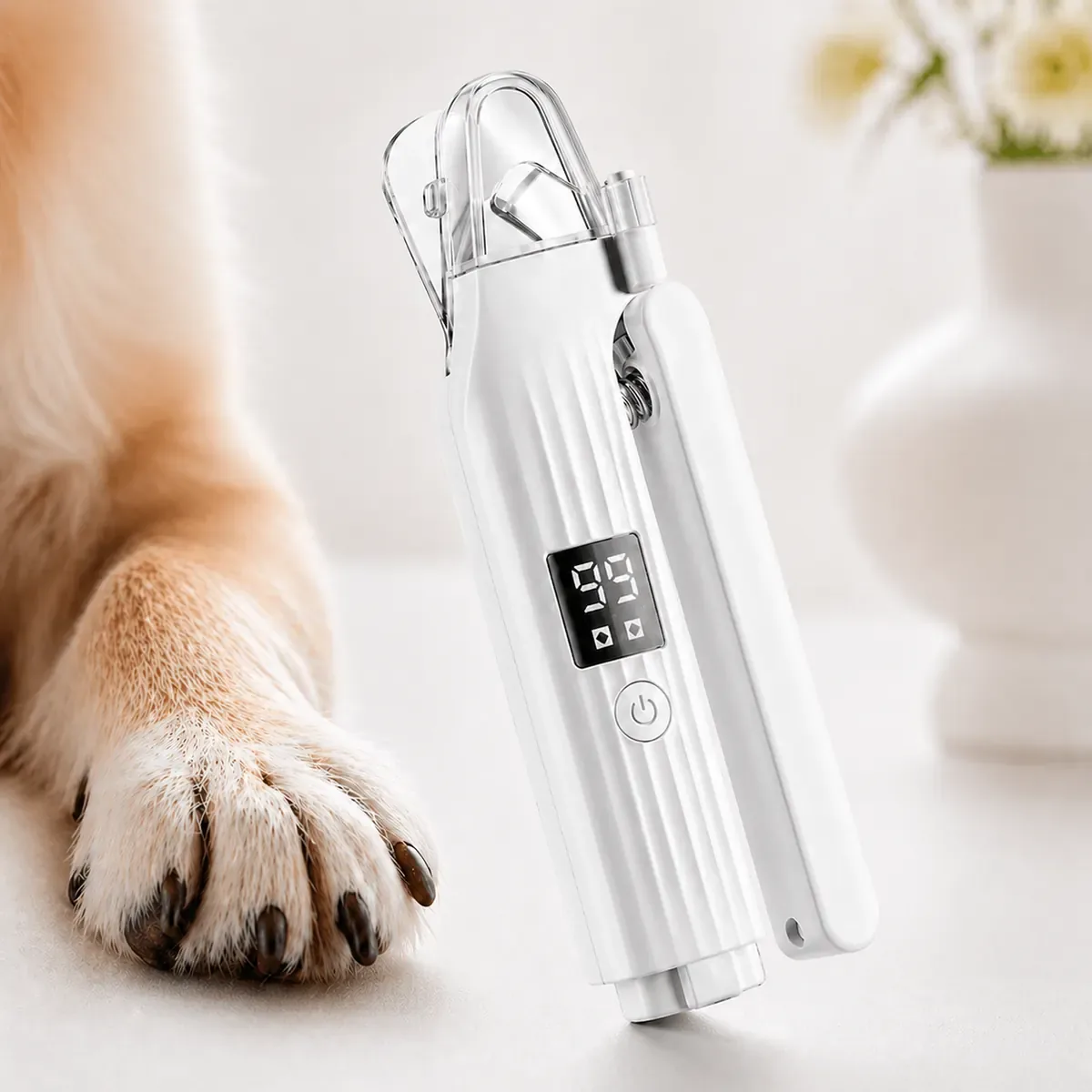
Smooth, broken, and rough Jack Russell coats all shed and need brushing. Rough and broken coats may need hand-stripping to keep texture tidy, while all coat types need nail care, ear checks, dental care, and skin checks after digging or brushy walks.
Train early with rewards, structure, and clear boundaries. Focus on recall, leave-it, settling, leash manners, handling, and safe behavior around cats, wildlife, and small pets. This breed learns quickly but will also learn bad habits quickly if bored.
Feed measured meals for a small, athletic dog and keep the waist visible. Jack Russells can burn a lot of energy, but extra weight adds stress to knees, back, and working joints.
Energy level
High
Barking level
High
Drooling level
Low
Watchdog ability
4/5
Guard dog ability
1/5
Climate tolerance
Common concerns to discuss with your vet and breeder.
This profile was researched from established breed and canine-care references. Breed tendencies describe typical patterns, not a guarantee for every individual dog.
Reviewed by the Dogs Index Editorial Team. For health or behavior concerns, consult a veterinarian or appropriately qualified professional.
Our Shop
Browse practical products for feeding, grooming, cleanup, enrichment, and smoother daily routines.