Apartment fit
The Japanese Chin is one of the easier breeds to fit into apartment life, provided owners give companionship, short daily exercise, brushing, and a plan for alert barking.
 Japan
Japan
Weight
7-11 lb
Height
8-11 in
Lifespan
10-12 yrs
Coat
Single Long
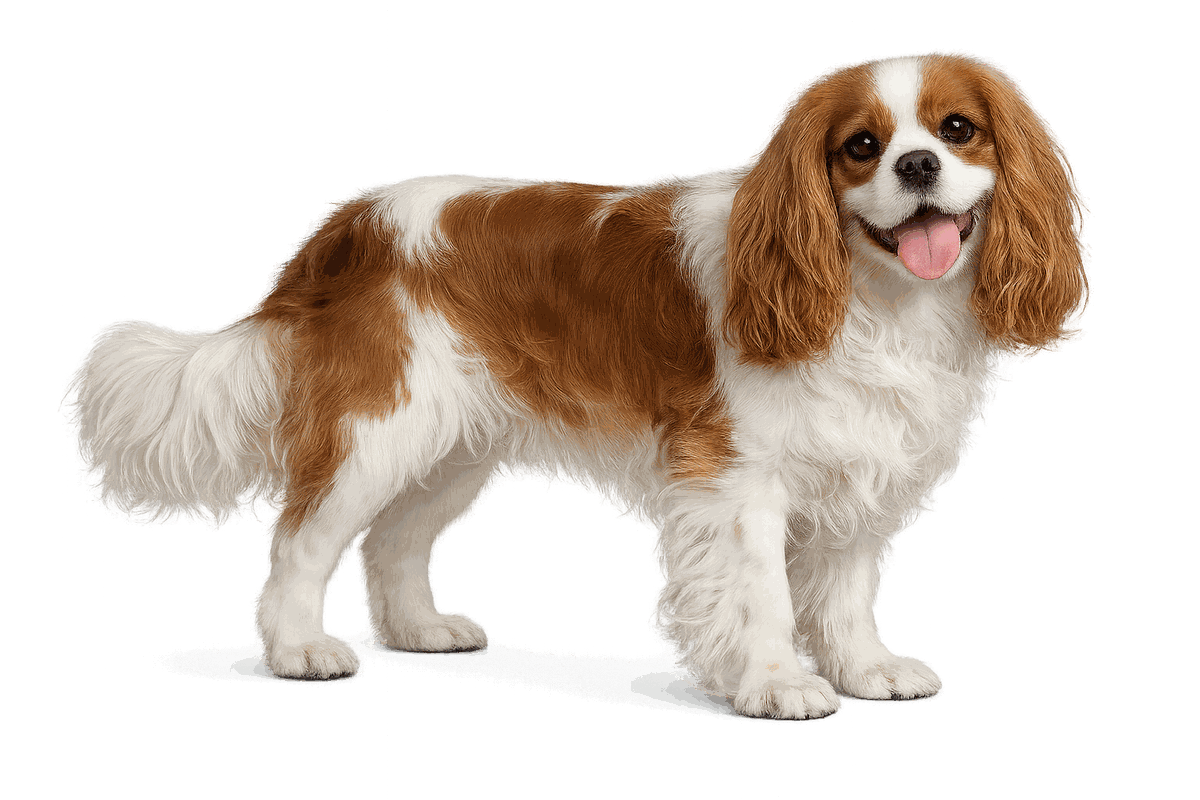
The Japanese Chin is a small, elegant companion dog with a silky coat, broad face, and clever, mild temperament suited to close indoor life.
Official, native, and commonly used variants
Weight
7-11 lb
Height
8-11 in
Lifespan
10-12 yrs
Coat
Single Long
At A Glance
A quick read on energy, upkeep, and what day-to-day life with this breed usually feels like.
Energy
Low
Barking
Moderate
Drooling
Low
Shedding
Moderate
Grooming
3/5
First-time owner
Yes
The Japanese Chin is a toy companion breed associated with Japan's courtly history and long valued as an indoor lapdog. FCI describes the Chin as a small dog with a broad face, profuse coat, elegant figure, and clever, mild, lovely temperament. AKC describes the breed as small, lively, aristocratic, and distinctive in expression.
In daily life, the Japanese Chin is usually a refined indoor companion rather than a rugged outdoor dog. It needs short walks, play, gentle training, and regular handling, but not the exercise volume of a terrier or sporting breed. Its long, silky coat requires brushing, and its broad face means owners should take heat, breathing, eye protection, and dental care seriously.
The Japanese Chin can be a good match for apartments, quiet homes, and owners who want an affectionate small companion. It may not suit rough handling, very hot climates, or homes that want a dog for intense outdoor exercise. Responsible breeders should discuss patellas, eyes, heart murmurs, epilepsy history, airway comfort, and dental health.
This breed tends to suit homes looking for a clever, mild, lovely companion, with daily rhythms shaped by low energy, moderate barking, and low drooling.
Coat type
Single
Coat length
Long
Shedding
Moderate
Colors
Black and white, Red and white, Black and white with tan points
The Japanese Chin is one of the easier breeds to fit into apartment life, provided owners give companionship, short daily exercise, brushing, and a plan for alert barking.
The breed may bark at visitors or hallway noise, but it is usually manageable with routine, calm rewards, and limiting rehearsed window barking.
Keep training short, gentle, and rewarding. Teach handling, grooming cooperation, recall indoors, quiet greetings, and comfortable crate or mat rest.
Brush several times weekly, clean the face, inspect eyes, and maintain dental care. The coat is silky rather than harsh, so careful combing matters more than heavy clipping.
Most Japanese Chin adults need modest daily exercise: short walks, gentle play, and training games. Avoid hard exercise in heat or humidity because the breed's broad face can make temperature regulation harder.
Brush the long silky coat several times a week, paying attention to ears, feathering, tail, and friction areas. Keep the face clean, trim nails, brush teeth, and protect the prominent eyes from scratches and irritation.
Use gentle, reward-based training with short sessions. The Japanese Chin is clever and sensitive, so it often responds better to calm encouragement, routine, and polite handling than to pressure.
Feed measured small-breed meals and monitor body condition carefully. Extra weight can worsen breathing comfort, patella stress, heat tolerance, and general mobility.
Energy level
Low
Barking level
Moderate
Drooling level
Low
Watchdog ability
3/5
Guard dog ability
1/5
Climate tolerance
Common concerns to discuss with your vet and breeder.
This profile was researched from established breed and canine-care references. Breed tendencies describe typical patterns, not a guarantee for every individual dog.
Reviewed by the Dogs Index Editorial Team. For health or behavior concerns, consult a veterinarian or appropriately qualified professional.
Our Shop
Browse practical products for feeding, grooming, cleanup, enrichment, and smoother daily routines.