Apartment fit
The Japanese Terrier is naturally suited to small homes when it gets daily outings, play, social time, and a plan for alert barking.
 Japan
Japan
Weight
5-9 lb
Height
11.8-13 in
Lifespan
12-15 yrs
Coat
Single Short
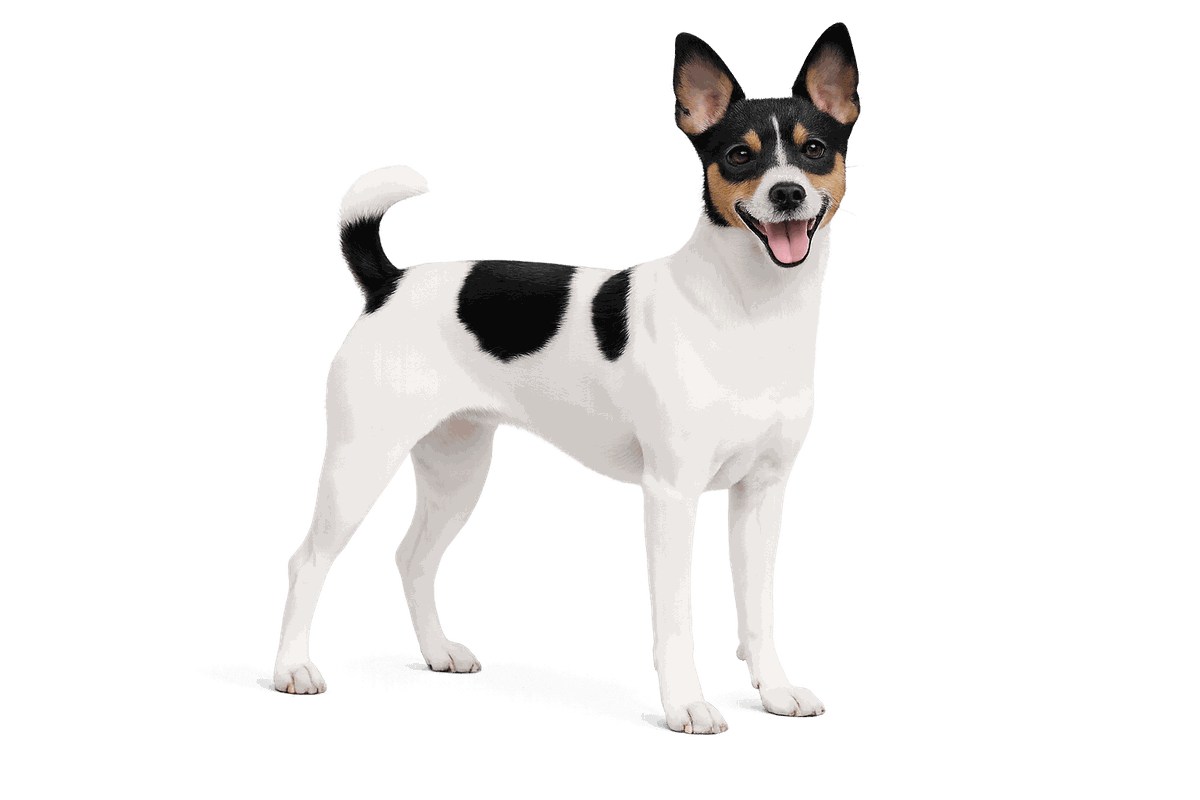
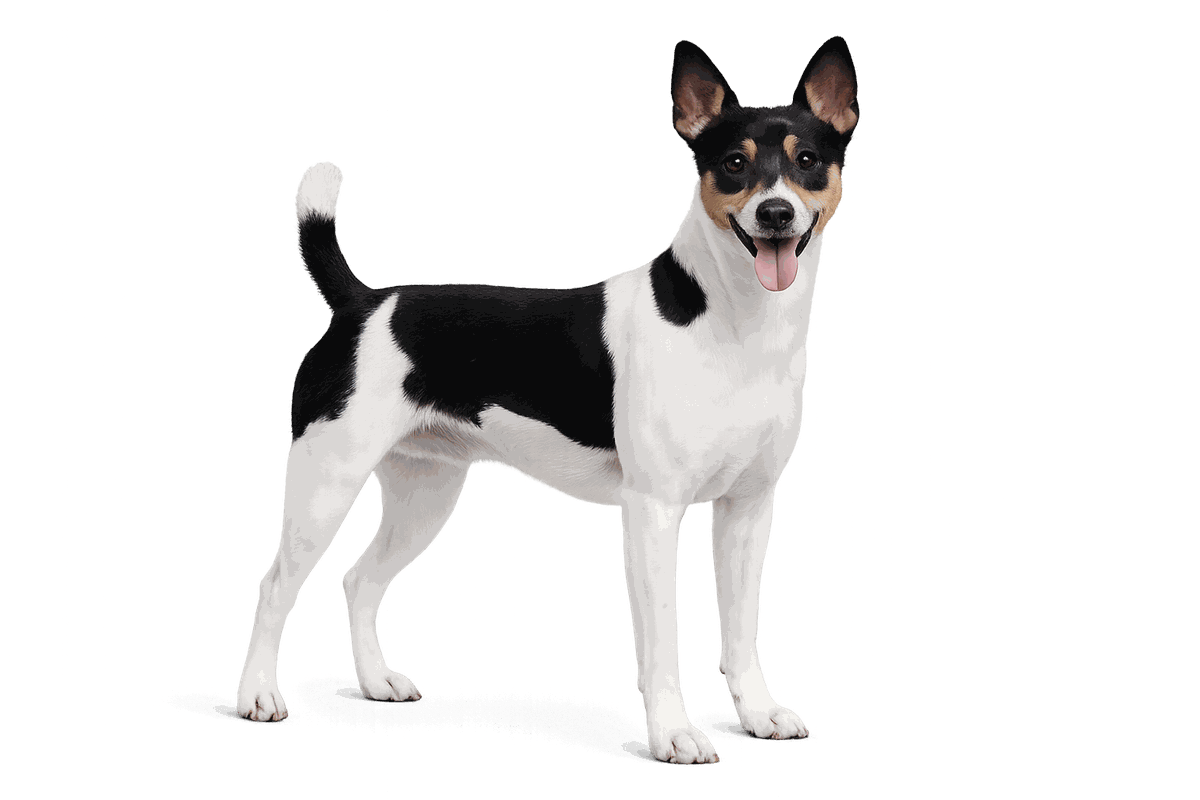
The Japanese Terrier is a small, smooth-coated Japanese companion terrier with a lively, cheerful temperament and distinctive tricolor head.
Official, native, and commonly used variants
Weight
5-9 lb
Height
11.8-13 in
Lifespan
12-15 yrs
Coat
Single Short
At A Glance
A quick read on energy, upkeep, and what day-to-day life with this breed usually feels like.
Energy
Moderate
Barking
Moderate
Drooling
Low
Shedding
Low
Grooming
1/5
First-time owner
Yes
The Japanese Terrier is a rare small terrier from Japan. FCI classifies it in the Terrier group but lists its utilization as a toy dog, which fits the breed's modern role better than a heavy vermin-control description. It is swift, lively, cheerful, and clean-lined, with a very short smooth coat and a compact body.
This breed should not be described as large. The standard gives an ideal height of about 30 to 33 cm, making it a small companion terrier. Its most recognizable look is a black, tan, and white head with a mostly white body that may have black spots or tan markings. Grooming is simple, but the thin coat gives limited protection from cold, rough ground, and long outdoor exposure.
The Japanese Terrier is best for owners who want a bright small house dog with terrier alertness but not the workload of a larger working terrier. It still needs walks, play, socialization, and polite barking habits. Because the breed is rare, buyers should focus on transparent breeders who understand the standard, temperament, patellas, teeth, eyes, and overall soundness.
This breed tends to suit homes looking for a swift, lively, cheerful companion, with daily rhythms shaped by moderate energy, moderate barking, and low drooling.
Coat type
Single
Coat length
Short
Shedding
Low
Colors
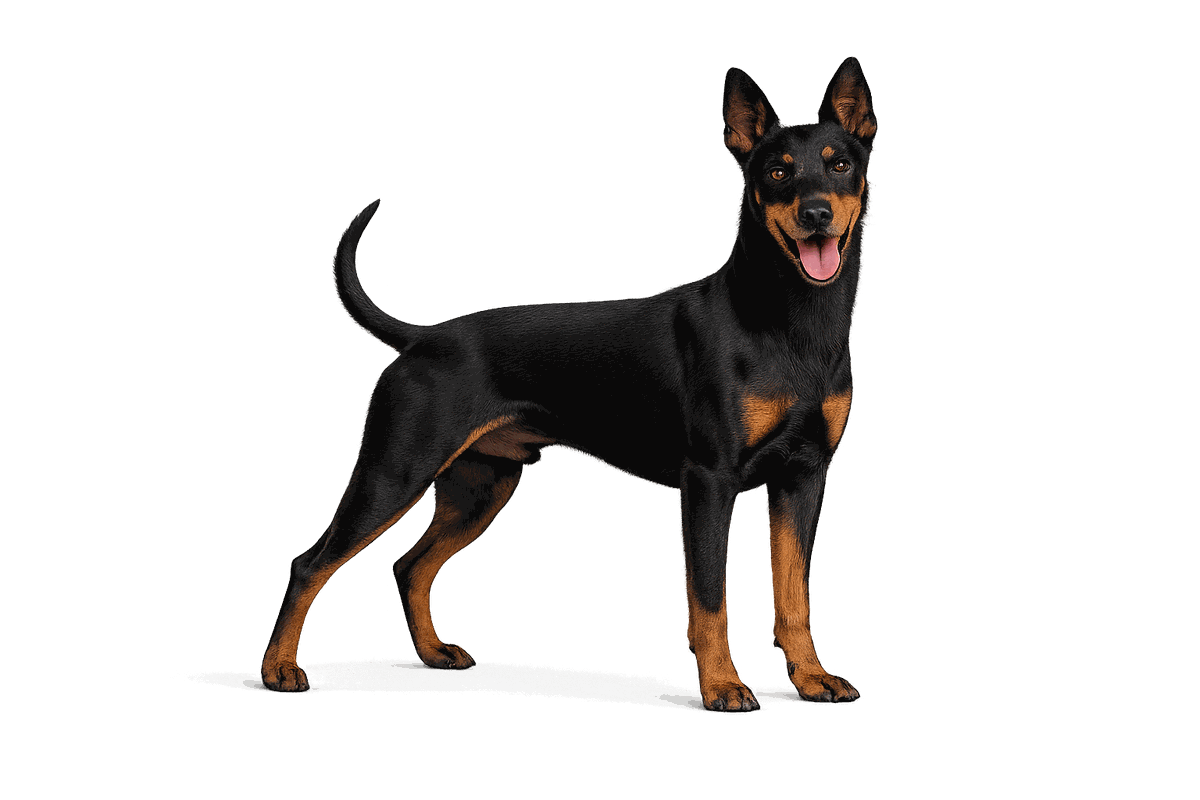
Black, tan and white, White with black spots, White with black or tan markings
The Japanese Terrier is naturally suited to small homes when it gets daily outings, play, social time, and a plan for alert barking.
Expect a lively alert dog that may notice visitors and hallway sounds. Reward quiet check-ins and avoid letting window barking become a habit.
Keep training short, gentle, and reward-based. Focus on social confidence, recall, polite greetings, handling, and calm indoor rest.
Grooming is simple: wipe or brush the short coat, trim nails, clean teeth, and protect the dog from cold weather.
Most Japanese Terriers do well with 30 to 60 minutes of daily activity split between walks, play, and short training games. They are small companion terriers, but they still need movement and social time to stay settled indoors.
The very short, smooth coat needs only light brushing or wiping, plus nail trims, dental care, and ear checks. Because the coat is thin, use a sweater in cold weather and avoid rough outdoor exposure.
Use gentle reward-based training with early socialization around visitors, dogs, handling, and city noise. The breed is lively and sensitive, so calm consistency works better than harsh correction.
Feed measured small-breed meals and keep weight lean. Small dogs can gain weight quickly, which adds stress to knees and teeth.
Energy level
Moderate
Barking level
Moderate
Drooling level
Low
Watchdog ability
3/5
Guard dog ability
1/5
Climate tolerance
Common concerns to discuss with your vet and breeder.
This profile was researched from established breed and canine-care references. Breed tendencies describe typical patterns, not a guarantee for every individual dog.
Reviewed by the Dogs Index Editorial Team. For health or behavior concerns, consult a veterinarian or appropriately qualified professional.
Our Shop
Browse practical products for feeding, grooming, cleanup, enrichment, and smoother daily routines.