Apartment fit
Apartment life can work if the owner provides enough outdoor exercise and secure running. Without a safe way to sprint, the breed is harder to satisfy.
Weight
40-65 lb
Height
21.7-27.6 in
Lifespan
12-14 yrs
Coat
Single Short
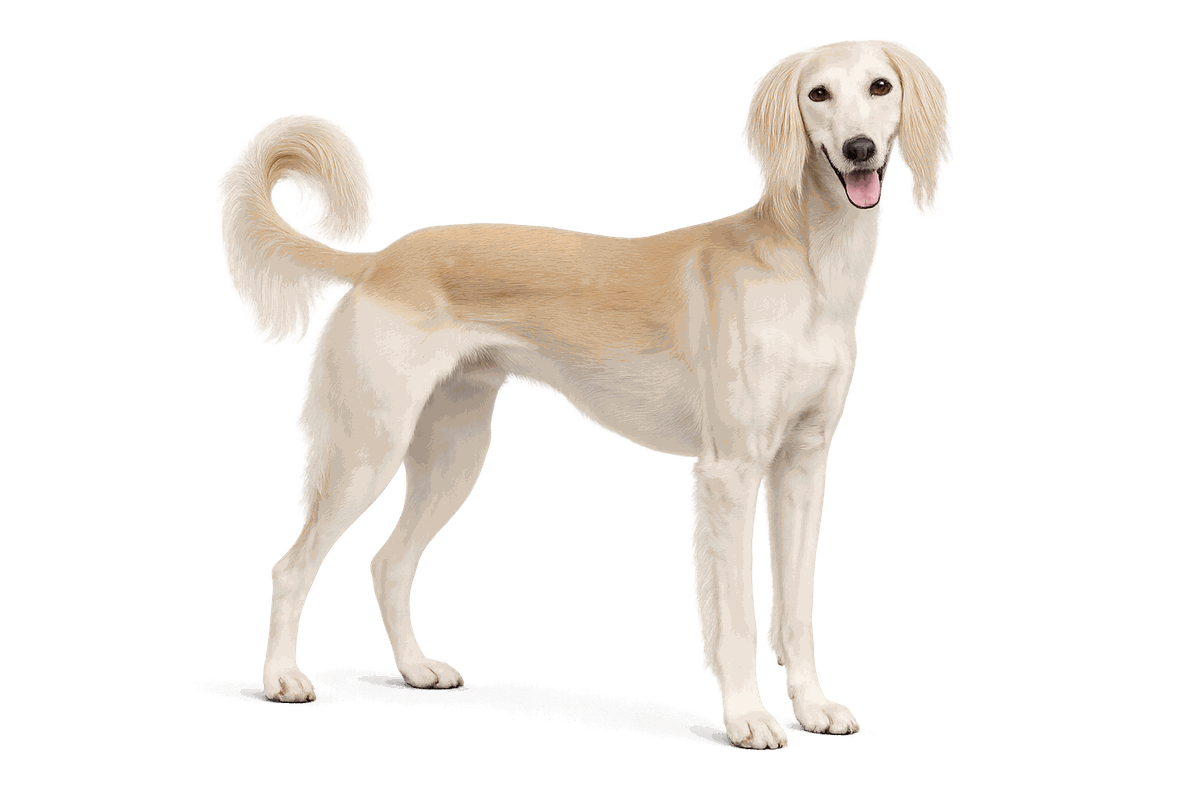
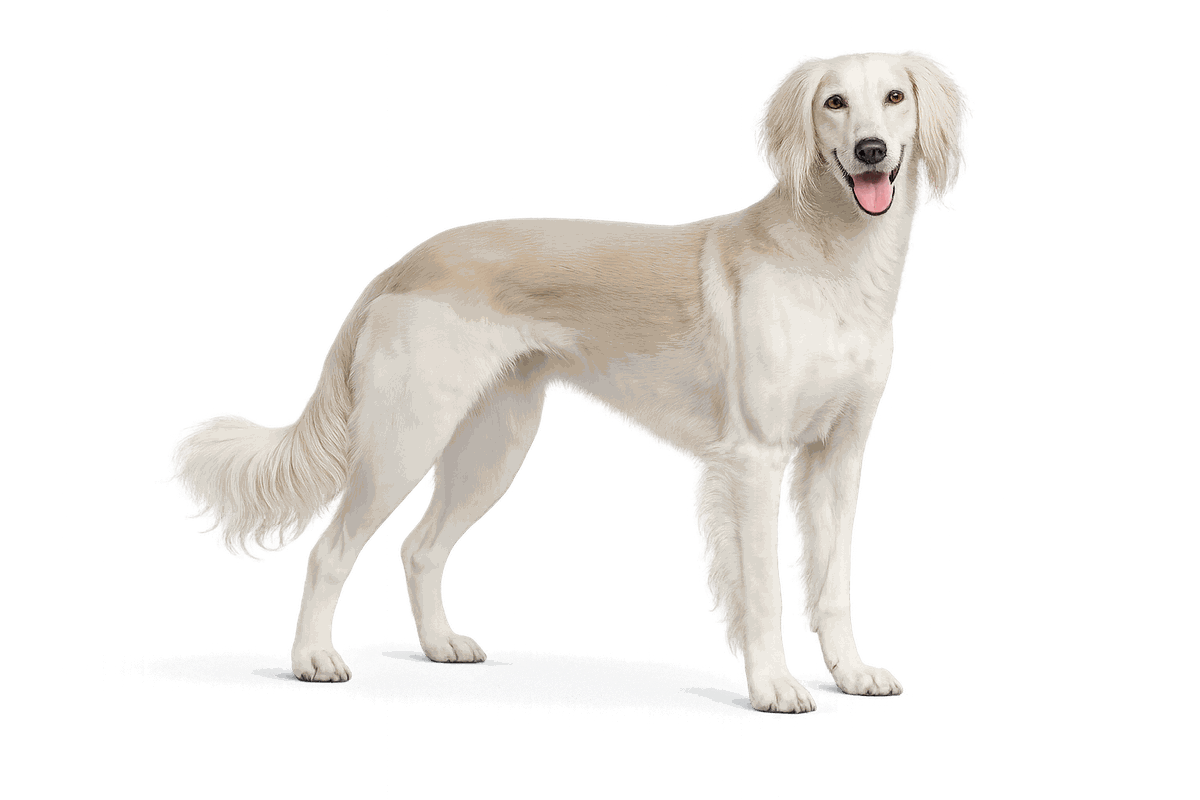
The Kazakh Tazy is a medium-to-large Kazakh sighthound with a fine coat, feathered ears and tail, strong prey drive, and calm home manners.
Official, native, and commonly used variants
Weight
40-65 lb
Height
21.7-27.6 in
Lifespan
12-14 yrs
Coat
Single Short
At A Glance
A quick read on energy, upkeep, and what day-to-day life with this breed usually feels like.
Energy
High
Barking
Low
Drooling
Low
Shedding
Low
Grooming
2/5
First-time owner
No
The Kazakh Tazy is a traditional sighthound from Kazakhstan, provisionally recognized by FCI in 2024. It was bred for coursing and hunting in open terrain, using speed, eyesight, agility, and endurance. The breed has a lean hound build, short body coat, and characteristic longer feathering on the ears, tail, and back of the legs.
This is not a generic large scenthound. The Tazy is closer in lifestyle to other sighthounds: calm indoors when exercised, explosive outside when something runs, and often independent in decision-making. It needs safe fenced running, leash control, recall work in enclosed spaces, and careful management around cats, small dogs, livestock, and wildlife.
The Kazakh Tazy is best for owners who understand sighthound prey drive and can provide open but secure exercise. Grooming is moderate and focused on feathering, ears, feet, and coat checks. Because the breed is rare outside its homeland, buyers should look for preservation-minded breeders who discuss structure, eyes, heart, orthopedic soundness, and hunting temperament.
This breed tends to suit homes looking for a calm, independent, agile companion, with daily rhythms shaped by high energy, low barking, and low drooling.
Coat type
Single
Coat length
Short
Shedding
Low
Colors
White, Black, Grey, Fawn, Red, Piebald, Black and tan
Apartment life can work if the owner provides enough outdoor exercise and secure running. Without a safe way to sprint, the breed is harder to satisfy.
The Kazakh Tazy is usually not a constant barker, but it may become excited by wildlife or movement. Management around prey triggers is essential.
Train with rewards, patience, and realistic expectations. Recall should be practiced in fenced areas, and leash skills matter because chasing instincts can override cues.
Brush weekly, check feathering for burrs, and inspect feet after running. The coat is not high maintenance, but field checks are important.
The Kazakh Tazy needs daily walks plus chances to run in securely fenced areas. Sighthound exercise should be safe: avoid off-leash freedom near roads, livestock, or wildlife unless recall and containment are reliable.
Brush the short coat and feathering weekly, checking ears, tail, feet, and skin after running through brush. The coat is lower maintenance than a long-coated breed but still needs burr removal and nail care.
Use calm reward-based training with emphasis on recall in enclosed spaces, leash manners, handling, and impulse control around moving animals. The Tazy can be affectionate but may not work like an obedience breed.
Feed a measured diet for a lean athletic hound. Keep the waist visible and avoid heavy exercise immediately after meals.
Energy level
High
Barking level
Low
Drooling level
Low
Watchdog ability
2/5
Guard dog ability
1/5
Climate tolerance
Common concerns to discuss with your vet and breeder.
This profile was researched from established breed and canine-care references. Breed tendencies describe typical patterns, not a guarantee for every individual dog.
Reviewed by the Dogs Index Editorial Team. For health or behavior concerns, consult a veterinarian or appropriately qualified professional.
Our Shop
Browse practical products for feeding, grooming, cleanup, enrichment, and smoother daily routines.