Apartment fit
A Mudi can live in an apartment only when daily exercise and barking management are reliable. The issue is not size; it is intensity.
 Hungary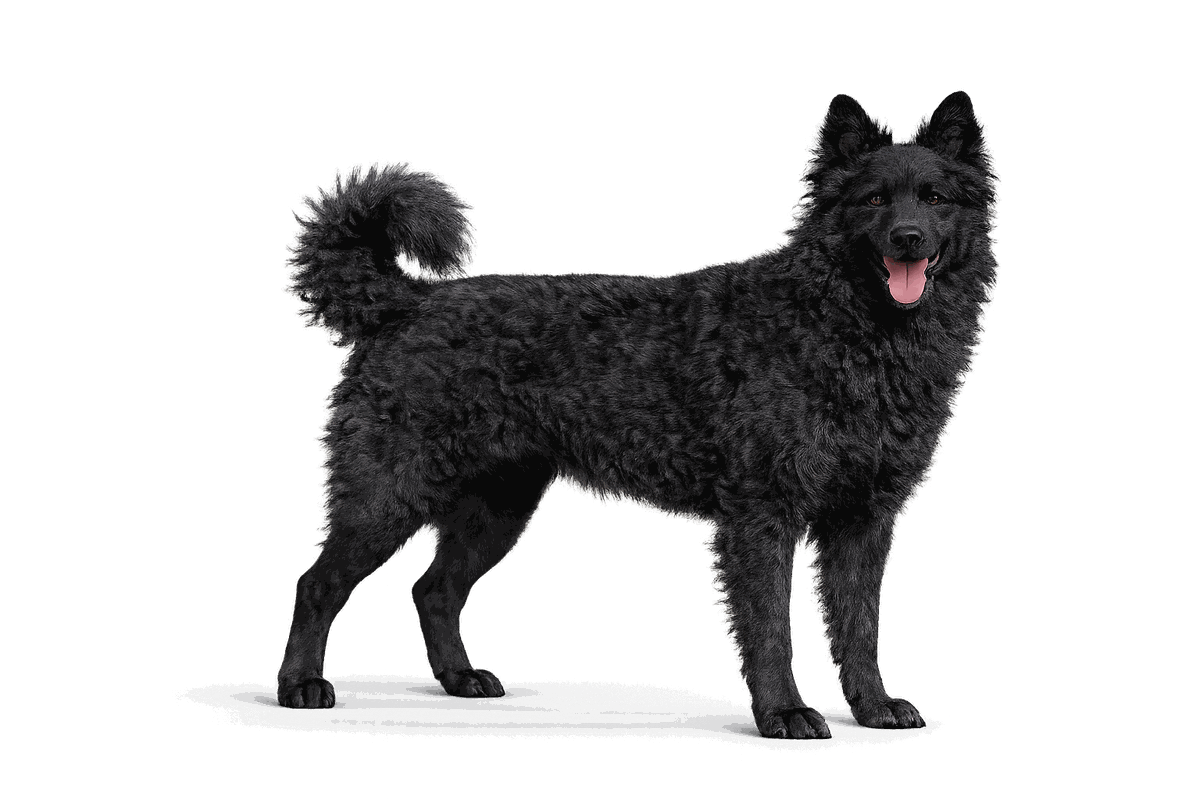
Weight
18-29 lb
Height
15-18.5 in
Lifespan
12-14 yrs
Coat
Wavy or curly Medium
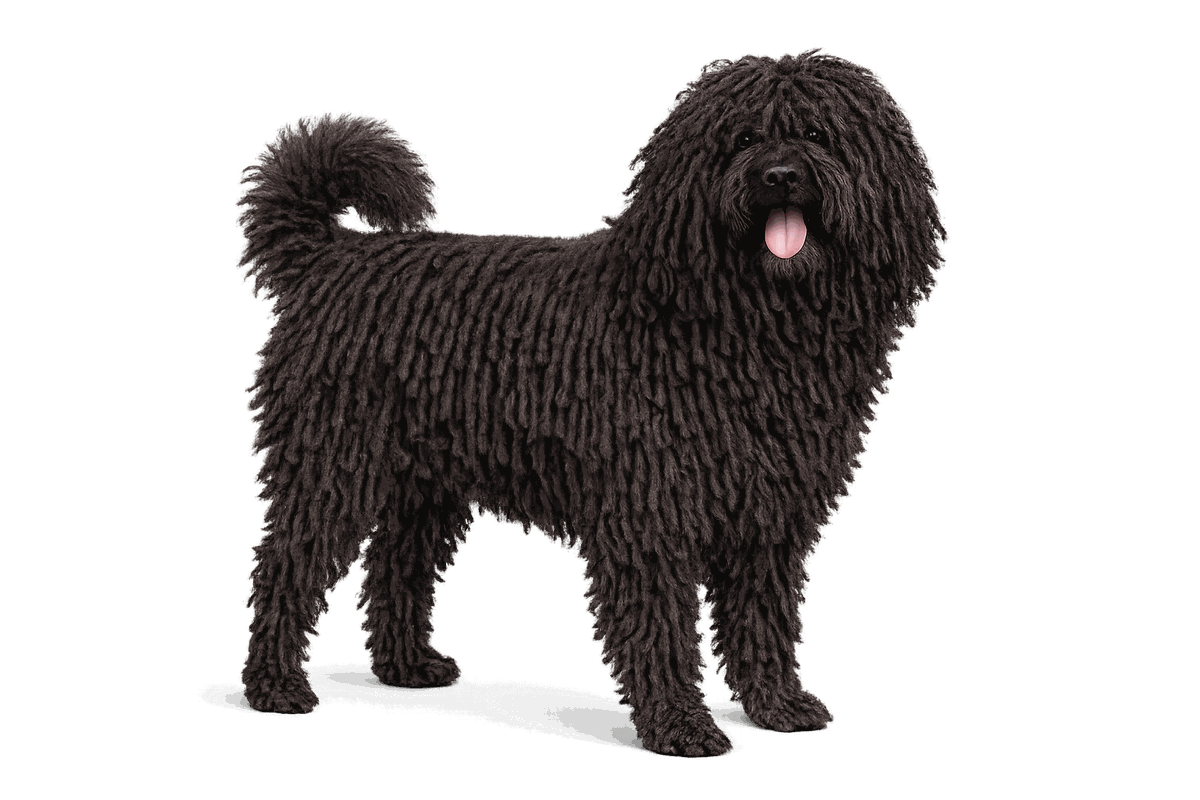
The Mudi is a medium Hungarian herding dog with a wavy or curly body coat, sharp intelligence, and strong working drive.
Official, native, and commonly used variants
No widely used alternate names are recorded for this breed.
Weight
18-29 lb
Height
15-18.5 in
Lifespan
12-14 yrs
Coat
Wavy or curly Medium
At A Glance
A quick read on energy, upkeep, and what day-to-day life with this breed usually feels like.
Energy
High
Barking
Moderate to High
Drooling
Low
Shedding
Moderate
Grooming
2/5
First-time owner
No
The Mudi is a Hungarian farm and herding breed known for versatility, quick reactions, and a lively mind. It is not a large generic sheepdog; most adults are medium-sized, athletic, and built for practical stock work, alerting, and all-purpose farm tasks.
The AKC and FCI standards describe a dog around 15 to 18.5 inches at the shoulder, with a short coat on the head and front of the legs and a wavy or curly coat over the body. Standard colors include black, brown, gray, white, yellow, and merle variations depending on the registry wording.
A Mudi can be deeply rewarding for active owners who enjoy training, but it is often too intense for a passive household. It needs daily mental work, movement, socialization, and clear rules around barking and motion sensitivity. Health conversations should include hips, elbows, eyes, patellas, and color-related coat concerns where relevant.
This breed tends to suit homes looking for a intelligent, alert, energetic companion, with daily rhythms shaped by high energy, moderate to high barking, and low drooling.
Coat type
Wavy or curly
Coat length
Medium
Shedding
Moderate
Colors
Black, Brown, Gray, White, Yellow, Merle
A Mudi can live in an apartment only when daily exercise and barking management are reliable. The issue is not size; it is intensity.
Expect a watchful dog that notices movement and sound. Reward quiet check-ins, teach settle skills, and provide purposeful work.
Use quick, clear, reward-based sessions with variety. Mudis often thrive when training feels like a problem to solve.
The coat needs weekly brushing and debris checks, especially in curly areas, but it is not high-maintenance compared with many coated herding breeds.
Most Mudis need 60 to 90 minutes of daily activity plus training, scent games, herding-style outlets, or dog sports. Mental work is just as important as walking distance.
Brush the wavy or curly body coat weekly and check behind the ears, tail, and legs for tangles. The coat is practical but still sheds and collects debris.
Use reward-based training with fast feedback and variety. A Mudi learns quickly, so barking, chasing, and over-arousal should be redirected before they become habits.
Feed for a lean, active medium dog and adjust portions around training or sport seasons.
Energy level
High
Barking level
Moderate to High
Drooling level
Low
Watchdog ability
4/5
Guard dog ability
1/5
Climate tolerance
Common concerns to discuss with your vet and breeder.
This profile was researched from established breed and canine-care references. Breed tendencies describe typical patterns, not a guarantee for every individual dog.
Reviewed by the Dogs Index Editorial Team. For health or behavior concerns, consult a veterinarian or appropriately qualified professional.
Our Shop
Browse practical products for feeding, grooming, cleanup, enrichment, and smoother daily routines.