Apartment fit
The breed is not an easy apartment fit because it needs field-style movement and mental work, not just short pavement walks.
 Denmark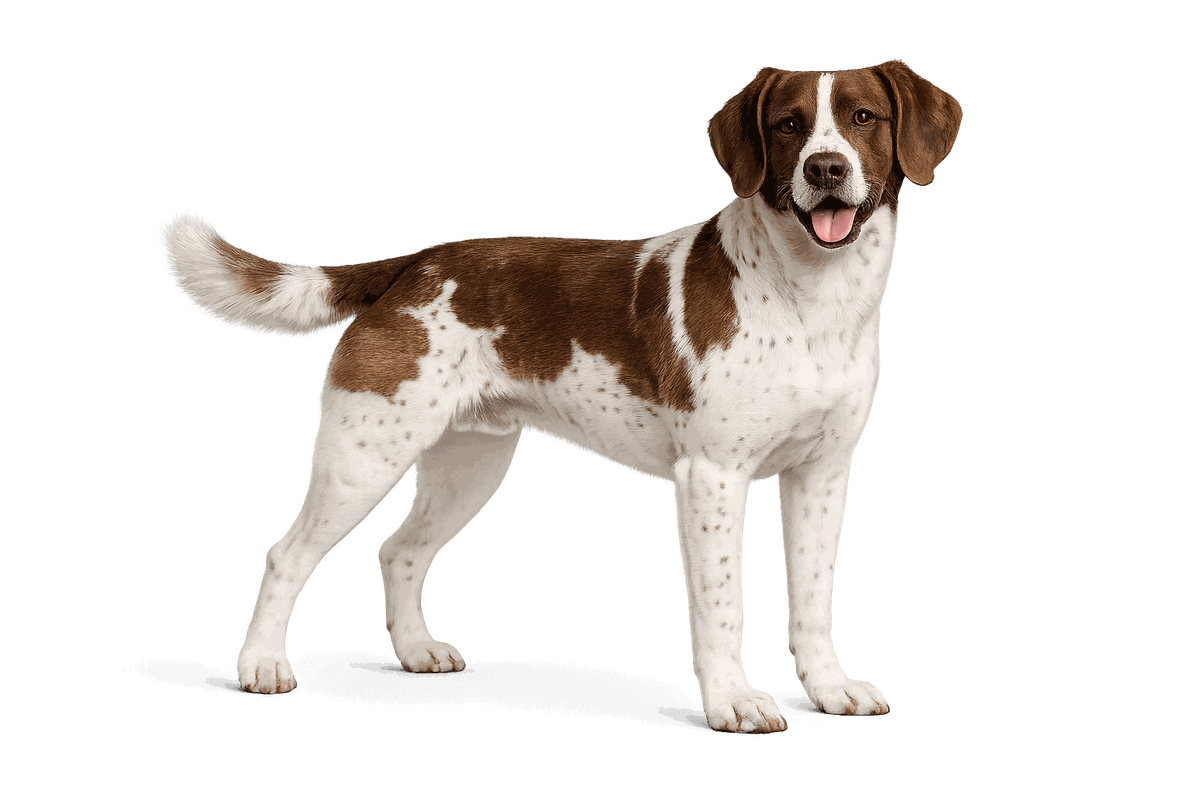
Weight
57-77 lb
Height
19.7-23.6 in
Lifespan
11-14 yrs
Coat
Smooth Short
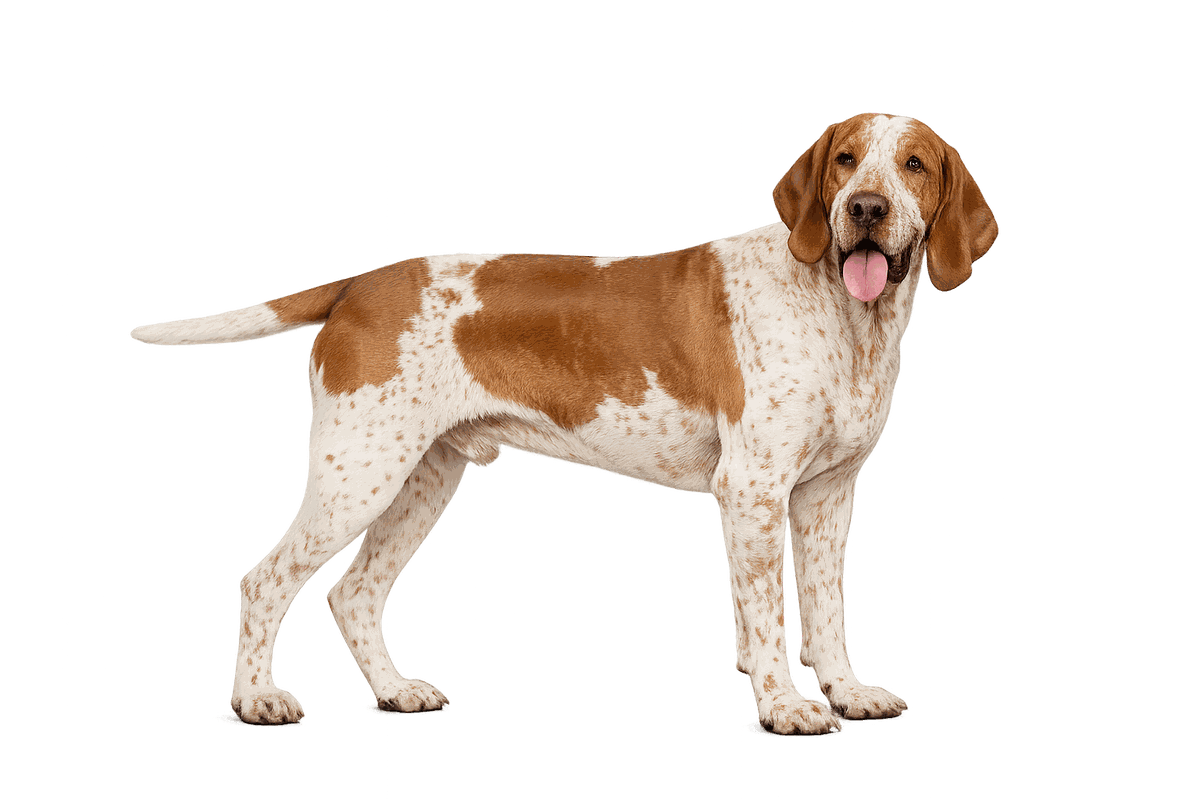
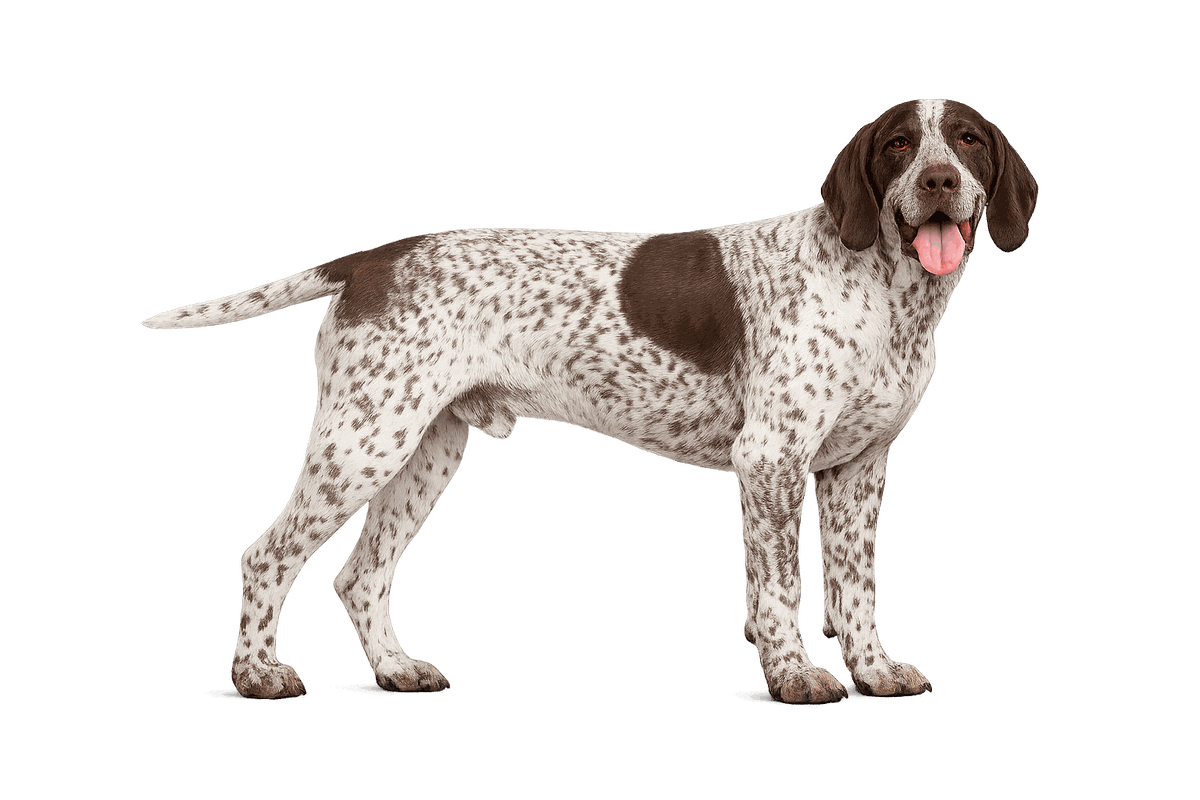
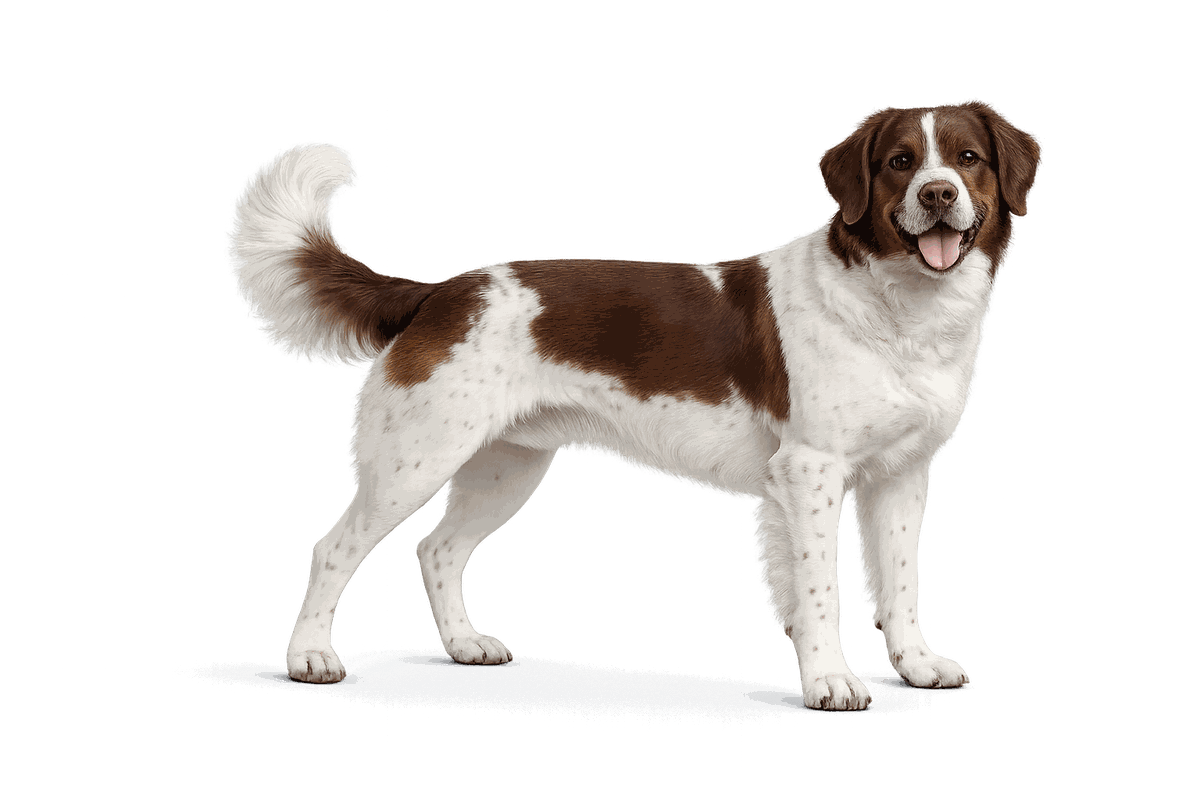
The Old Danish Pointing Dog is a medium Danish gundog with a short white-and-brown coat, steady pointing style, and calm working temperament.
Official, native, and commonly used variants
Weight
57-77 lb
Height
19.7-23.6 in
Lifespan
11-14 yrs
Coat
Smooth Short
At A Glance
A quick read on energy, upkeep, and what day-to-day life with this breed usually feels like.
Energy
Moderate to High
Barking
Moderate
Drooling
Low
Shedding
Moderate
Grooming
1/5
First-time owner
No
The Old Danish Pointing Dog, or Gammel Dansk Honsehund, is a Danish pointing breed developed for field work on game birds. It is the only Scandinavian pointer and is valued for a steady, close-working style rather than extreme speed.
The FCI standard describes a medium, strongly built pointing dog. Males are about 21 to 24 inches and females about 20 to 22 inches at the shoulder. The coat is short and dense, and the correct color is white with brown markings, often with brown ticking.
This breed can be calm and affectionate at home when exercised, but it is still a gundog. It needs field-style movement, scent work, recall practice, and patient training. Owners should ask breeders about hips, elbows, eyes, and working soundness, especially because the breed is uncommon outside northern Europe.
This breed tends to suit homes looking for a calm, steady, determined companion, with daily rhythms shaped by moderate to high energy, moderate barking, and low drooling.
Coat type
Smooth
Coat length
Short
Shedding
Moderate
Colors
White and Brown, White with Brown Ticking
The breed is not an easy apartment fit because it needs field-style movement and mental work, not just short pavement walks.
The Old Danish Pointing Dog is not mainly a nuisance barker, but boredom and under-exercise can increase noise and restlessness.
Use calm, reward-based training tied to scent, retrieving, and steadiness. Avoid harsh handling with a close-working gundog.
The short coat is simple, with weekly brushing and routine checks after field work.
Most Old Danish Pointing Dogs need 60 to 90 minutes of daily movement, ideally including field walks, scent work, retrieving games, or structured gundog training.
The short coat is easy to brush weekly. Check ears, feet, nails, and skin after field work or muddy walks.
Use calm reward-based training with recall, steadiness, and leash manners. The breed often works best when lessons connect to scent and pointing tasks.
Feed measured meals for an active medium gundog and adjust portions around hunting or training seasons.
Energy level
Moderate to High
Barking level
Moderate
Drooling level
Low
Watchdog ability
3/5
Guard dog ability
1/5
Climate tolerance
Common concerns to discuss with your vet and breeder.
This profile was researched from established breed and canine-care references. Breed tendencies describe typical patterns, not a guarantee for every individual dog.
Reviewed by the Dogs Index Editorial Team. For health or behavior concerns, consult a veterinarian or appropriately qualified professional.
Our Shop
Browse practical products for feeding, grooming, cleanup, enrichment, and smoother daily routines.