Apartment fit
The Plott Hound is a poor apartment fit for most owners because of voice, energy, and scent drive. Dense housing requires exceptional exercise and barking management.
 United States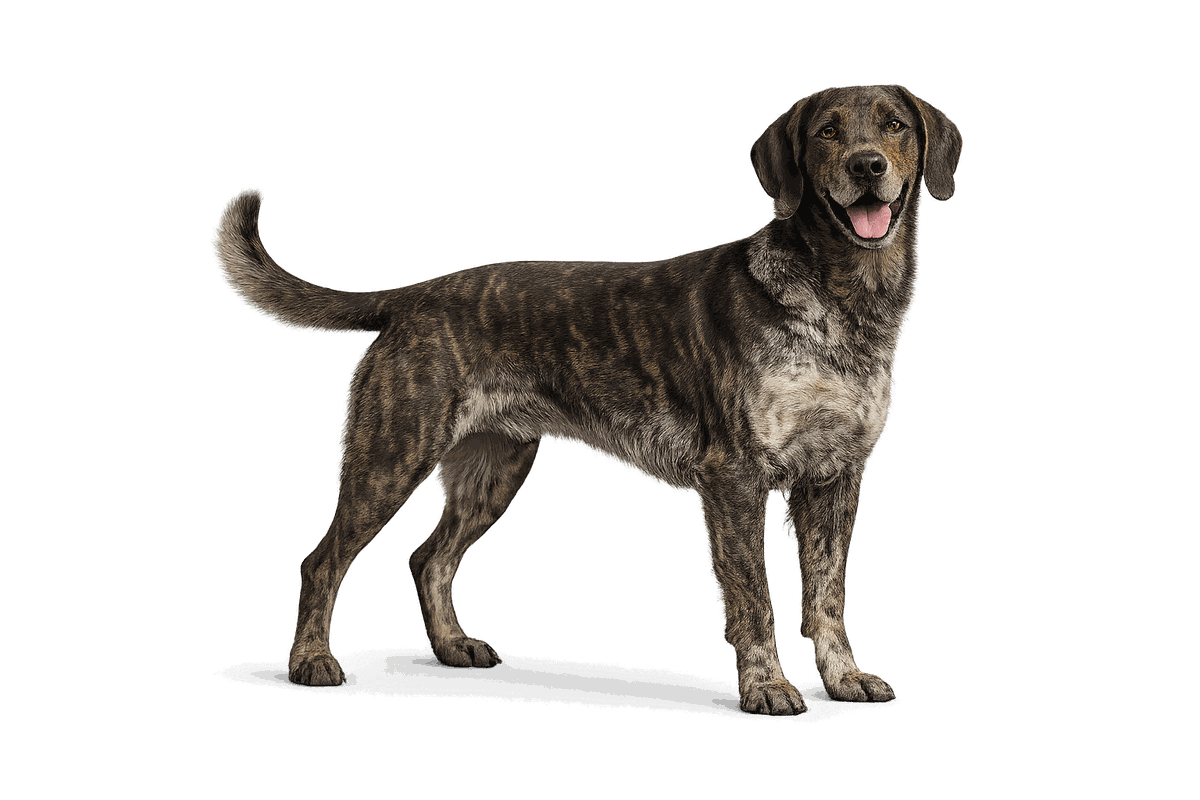
Weight
40-60 lb
Height
20-25 in
Lifespan
12-14 yrs
Coat
Smooth Short
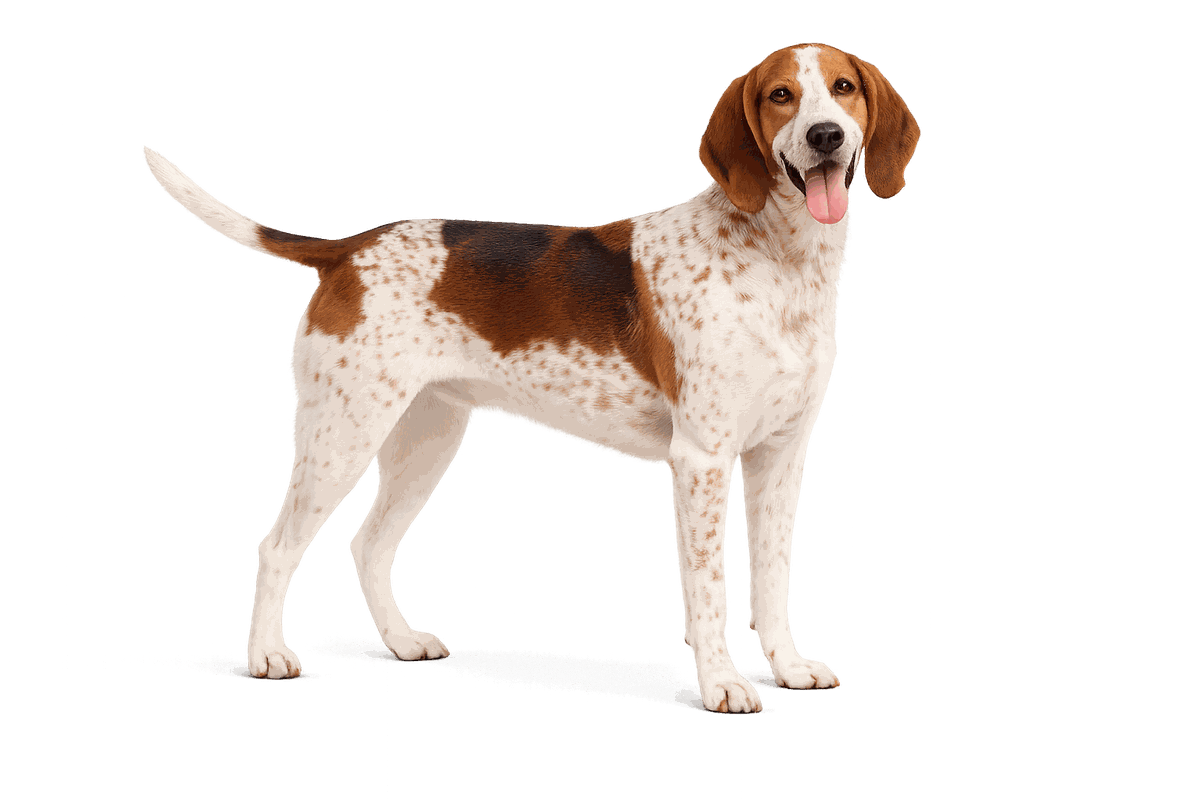
The Plott Hound is a rugged American big-game scenthound from North Carolina, known for brindle coloring, stamina, courage, and a loyal but vocal working-hound temperament.
Official, native, and commonly used variants
Weight
40-60 lb
Height
20-25 in
Lifespan
12-14 yrs
Coat
Smooth Short
At A Glance
A quick read on energy, upkeep, and what day-to-day life with this breed usually feels like.
Energy
High
Barking
High
Drooling
Low
Shedding
Moderate
Grooming
1/5
First-time owner
No
The Plott stands apart from the other recognized American coonhounds because its foundation is German rather than British foxhound stock. Developed in North Carolina and later named the state dog, it was selected for demanding big-game work where grit, stamina, and the confidence to bring quarry to bay mattered.
That background gives the Plott a different ownership emphasis from a purely easygoing pack hound. Many are loyal and composed with their own people, but intense pursuit, physical strength, and reserve with strangers call for deliberate socialization and capable leash handling. A fenced yard is not a substitute for work, and an invisible boundary is a poor match for a dog following game.
Brindle is the visual hallmark, ranging from light to very dark striping, while the short coat itself is simple to maintain. After woods, trail, or hunting work, inspect ears, pads, nails, skin, and the spaces between toes. Conditioning should build gradually enough to protect a powerful athlete from weekend-only overexertion.
This breed tends to suit homes looking for a loyal, intelligent, alert companion, with daily rhythms shaped by high energy, high barking, and low drooling.
Coat type
Smooth
Coat length
Short
Shedding
Moderate
Colors
Brindle, Black, Black With Brindle Trim, Buckskin
The Plott Hound is a poor apartment fit for most owners because of voice, energy, and scent drive. Dense housing requires exceptional exercise and barking management.
Expect hound vocalizing. Teach quiet cues, reward calm check-ins, and avoid leaving the dog outside to rehearse barking at wildlife or neighbors.
Give training a job-like purpose. Long-line trails, rewarded check-ins, load-up practice, cooperative handling, and controlled disengagement from wildlife are more useful than drilling stationary commands after motivation has disappeared.
The coat is easy, but outdoor Plotts need regular checks for ticks, cuts, ear debris, and pad wear.
Most Plott Hounds need 60 to 90 minutes or more of daily activity, with scent work, hiking, long walks, or hunting-style training. A quick walk around the block is rarely enough for a mature working Plott.
The short, smooth coat is low maintenance. Brush weekly, bathe when needed, keep nails short, and check ears, pads, and skin after wooded or rough-terrain outings.
Train with meaningful rewards, clear boundaries, and scent-aware management. Plotts can think independently on a trail, so recall, leash manners, quiet cues, and secure containment should be taught early.
Feed an active-dog diet in measured portions. Keep the dog lean and adjust food around hunting seasons, long hikes, or quieter periods to reduce joint stress.
Energy level
High
Barking level
High
Drooling level
Low
Watchdog ability
4/5
Guard dog ability
2/5
Climate tolerance
Common concerns to discuss with your vet and breeder.
This profile was researched from established breed and canine-care references. Breed tendencies describe typical patterns, not a guarantee for every individual dog.
Reviewed by the Dogs Index Editorial Team. For health or behavior concerns, consult a veterinarian or appropriately qualified professional.
Our Shop
Browse practical products for feeding, grooming, cleanup, enrichment, and smoother daily routines.