Apartment fit
The Poitevin is a poor apartment fit for most owners because of its size, voice, endurance, and need for outdoor hound work.
 France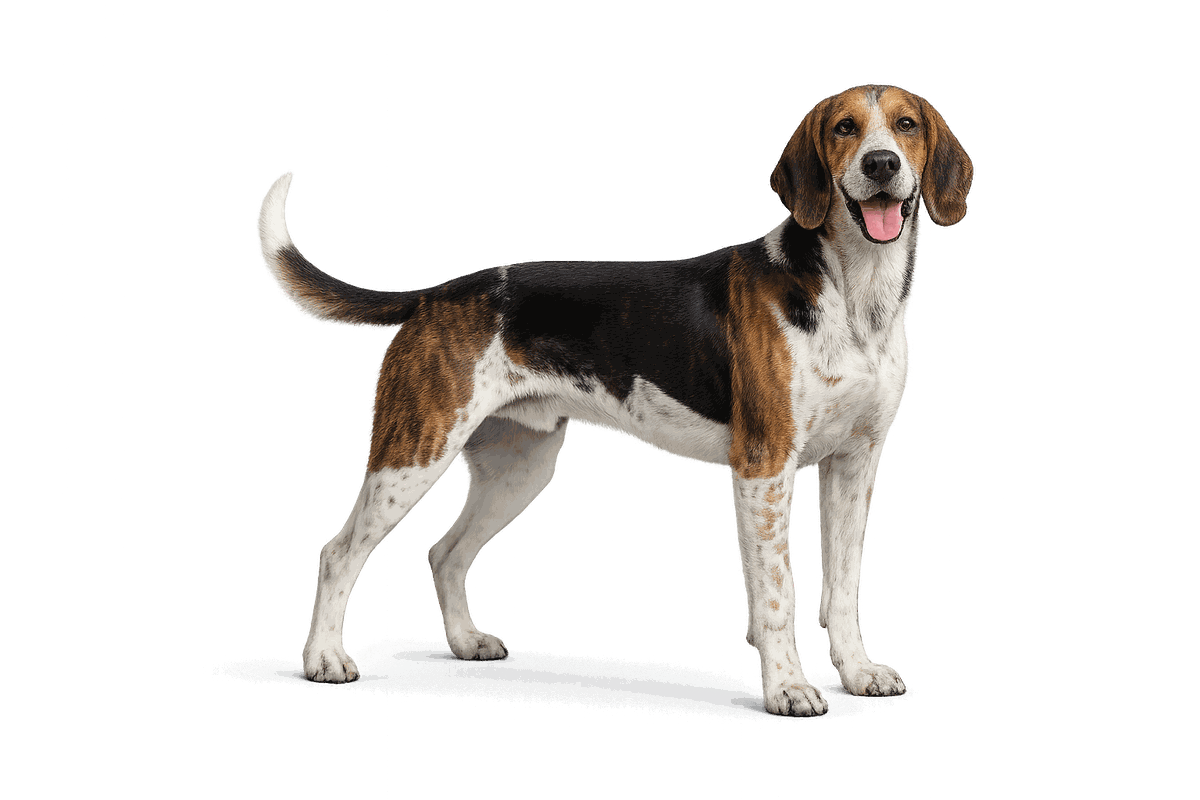
Weight
55-70 lb
Height
23.5-28.5 in
Lifespan
10-13 yrs
Coat
Smooth Short
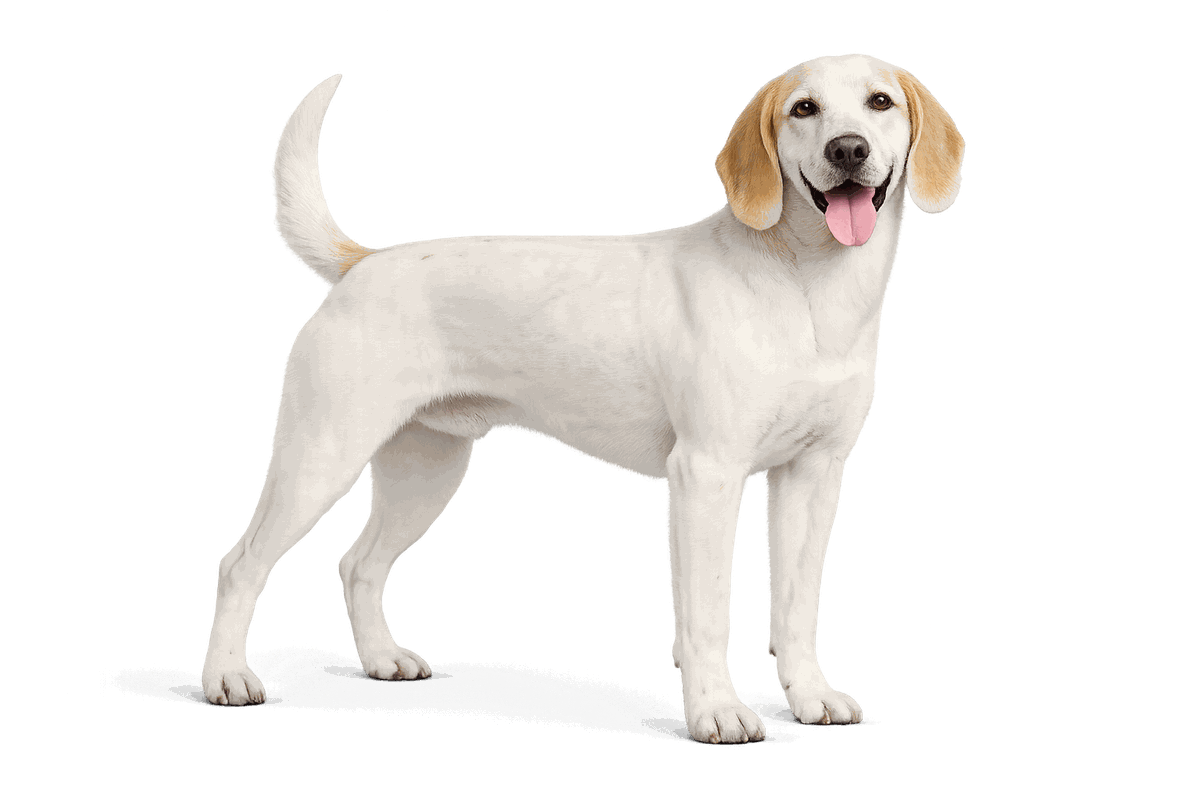
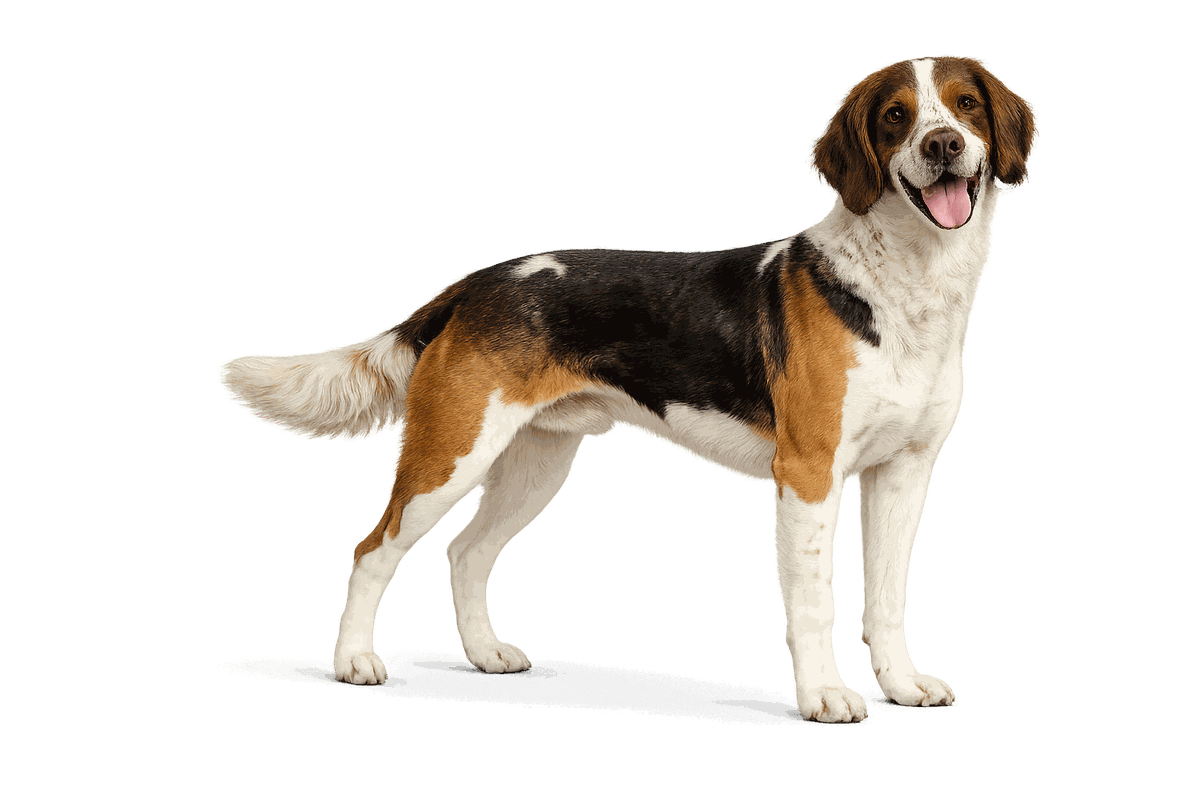
The Poitevin is a tall French pack scenthound with a short tricolor coat, long-distance stamina, and a strong preference for active hound work over casual pet routines.
Official, native, and commonly used variants
Weight
55-70 lb
Height
23.5-28.5 in
Lifespan
10-13 yrs
Coat
Smooth Short
At A Glance
A quick read on energy, upkeep, and what day-to-day life with this breed usually feels like.
Energy
Very High
Barking
High
Drooling
Low
Shedding
Moderate
Grooming
1/5
First-time owner
No
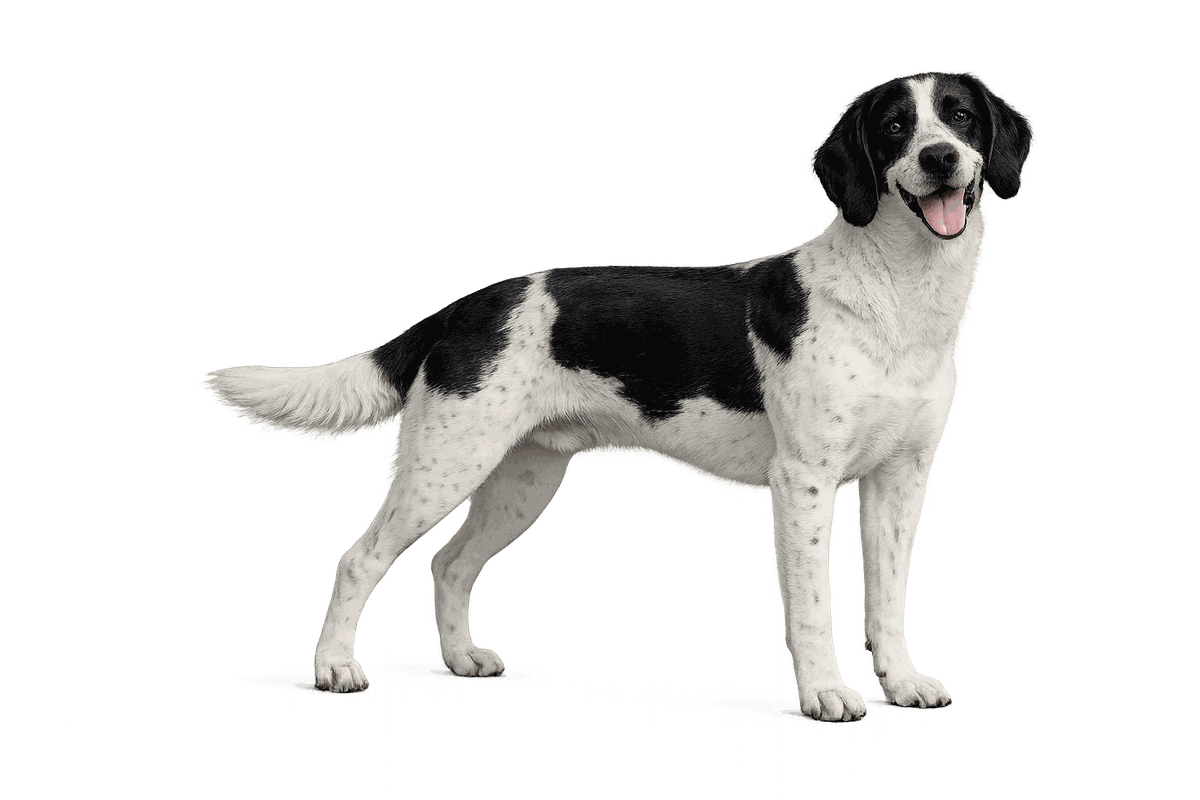
The Poitevin is a French scenthound from the Poitou region, traditionally used in packs for demanding mounted hunts. It is tall, lean, and athletic, built to cover ground with speed and endurance rather than to be a low-key household companion.
This breed is rare outside working hound circles. Its short coat, tricolor pattern, long ears, and rangy outline are practical features of a pack hound. Poitevins usually do best where there is space, secure containment, and a real outlet for scenting and movement.
As a pet, the Poitevin is a specialist choice. It may be sociable with dogs because of its pack background, but it can be vocal, independent on scent, and hard to satisfy without long outdoor routines. Owners should evaluate noise, fencing, recall, and exercise before considering one.
This breed tends to suit homes looking for a enduring, pack-oriented, independent companion, with daily rhythms shaped by very high energy, high barking, and low drooling.
Coat type
Smooth
Coat length
Short
Shedding
Moderate
Colors
Tricolor, White, Black, Tan, Orange and White
The Poitevin is a poor apartment fit for most owners because of its size, voice, endurance, and need for outdoor hound work.
Vocal behavior is part of the breed's working history. Housing, exercise, and management matter more than expecting the dog to be naturally quiet.
Use practical hound training: reward check-ins, build recall carefully, manage scent access, and avoid trusting off-leash control in unsecured areas.
The coat is simple, but ears and feet need regular checks after outdoor work.
Poitevins need long, regular outdoor exercise and scenting work. A healthy adult may need 90 minutes or more daily, and many are happiest with pack-style hound work rather than short neighborhood walks.
The short smooth coat is easy to brush weekly. Check long ears, feet, nails, and skin after hunting, hiking, or time in brush, because debris and moisture can build up quickly.
Training should focus on practical management: recall foundations, leash control, calm handling, quiet routines, and secure containment. Scent motivation can outrank handler attention once the dog is on a trail.
Feed for lean condition and sustained work. Active hounds may need more calories during heavy exercise periods, while idle periods require portion control to prevent weight gain.
Energy level
Very High
Barking level
High
Drooling level
Low
Watchdog ability
2/5
Guard dog ability
1/5
Climate tolerance
Common concerns to discuss with your vet and breeder.
This profile was researched from established breed and canine-care references. Breed tendencies describe typical patterns, not a guarantee for every individual dog.
Reviewed by the Dogs Index Editorial Team. For health or behavior concerns, consult a veterinarian or appropriately qualified professional.
Our Shop
Browse practical products for feeding, grooming, cleanup, enrichment, and smoother daily routines.