Apartment fit
The Pug is a strong apartment fit when heat, exercise, and weight are managed.
 China
China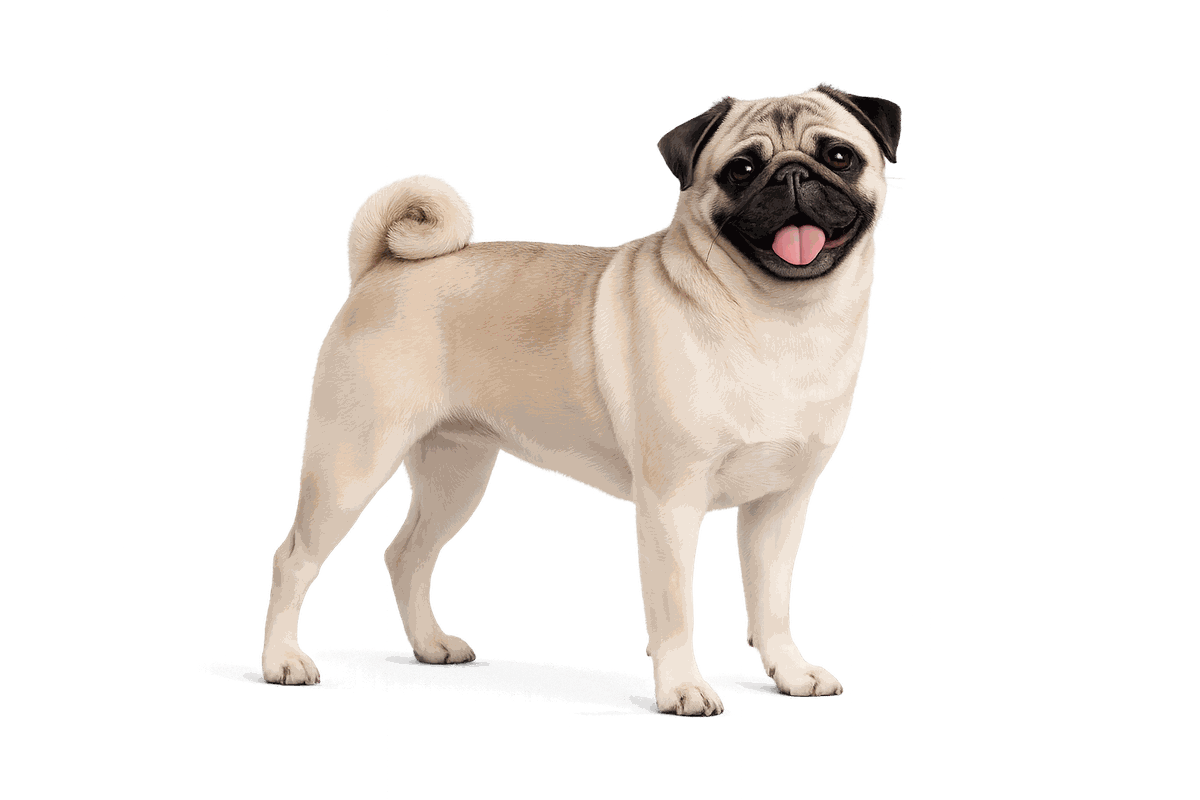
Weight
14-18 lb
Height
10-13 in
Lifespan
13-15 yrs
Coat
Smooth Short
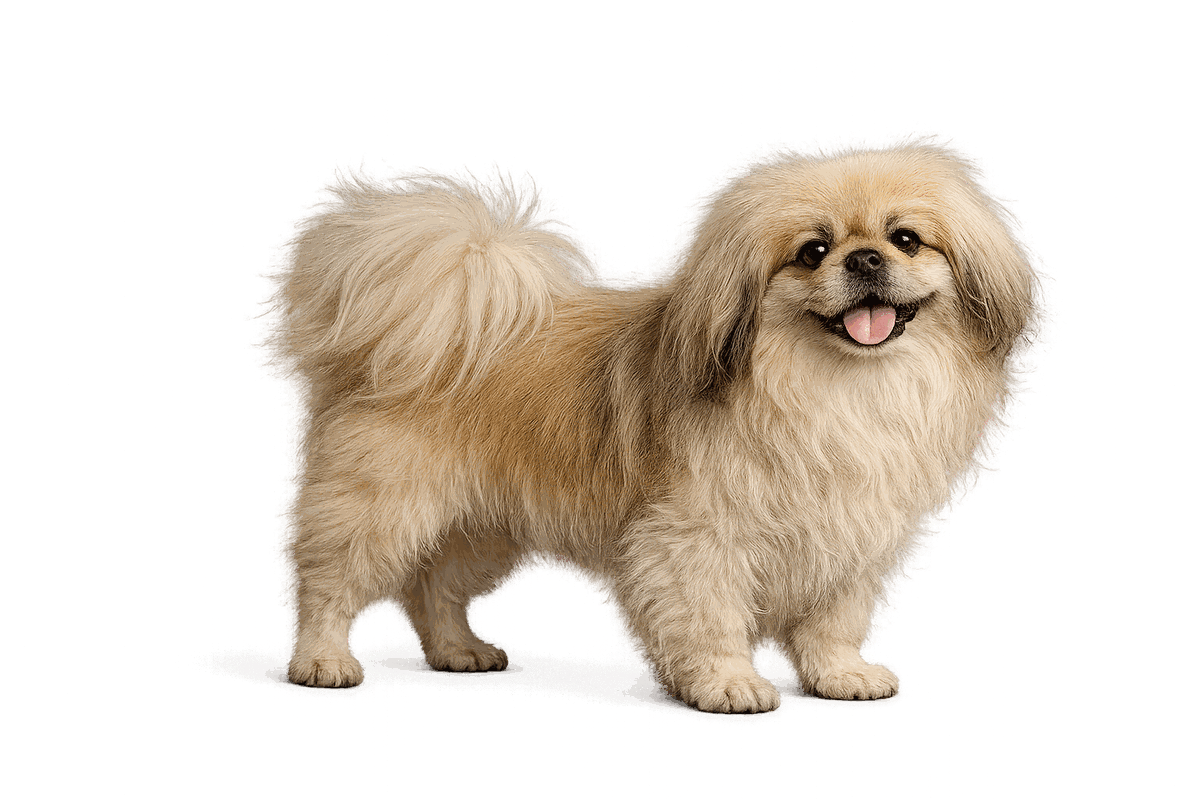
The Pug is a small Chinese companion breed with a square body, short muzzle, curled tail, fawn or black coat, and a charming but heat-sensitive temperament.
Official, native, and commonly used variants
No widely used alternate names are recorded for this breed.
Weight
14-18 lb
Height
10-13 in
Lifespan
13-15 yrs
Coat
Smooth Short
At A Glance
A quick read on energy, upkeep, and what day-to-day life with this breed usually feels like.
Energy
Low to Moderate
Barking
Low to Moderate
Drooling
Moderate
Shedding
Moderate
Grooming
2/5
First-time owner
Yes
The Pug is an ancient Chinese companion breed, developed for close life with people rather than sport or guarding. Its compact body, curled tail, large expressive eyes, and short muzzle are defining features.
This is a small toy companion, not a medium non-sporting dog. The AKC standard recognizes fawn and black, and the breed is known for an even, charming, outgoing disposition. Pugs usually want to be near their people and can do well in apartments.
Health management is central to responsible Pug ownership. Short muzzles, prominent eyes, skin folds, and a strong appetite mean owners must manage heat, weight, breathing comfort, eye safety, and skin hygiene carefully.
This breed tends to suit homes looking for a charming, loving, even-tempered companion, with daily rhythms shaped by low to moderate energy, low to moderate barking, and moderate drooling.
Coat type
Smooth
Coat length
Short
Shedding
Moderate
Colors
Fawn, Black
The Pug is a strong apartment fit when heat, exercise, and weight are managed.
Pugs are usually not extreme barkers, but they may alert or demand attention. Reward calm behavior and avoid reinforcing begging.
Use short, positive sessions and measured food rewards. Consistency matters more than force.
Brush weekly, clean folds as needed, and monitor eyes. The short coat still sheds.
Most Pugs need 20 to 40 minutes of gentle daily activity, split into short walks and play. Avoid heat, humidity, and hard exertion, and stop if breathing becomes noisy or effortful.
Brush the short coat weekly, clean facial folds as needed, trim nails, and monitor eyes. Pugs shed more than many people expect despite the short coat.
Use food rewards carefully and keep sessions short. Pugs are people-oriented but can be stubborn, so calm consistency works better than pressure.
Keep portions measured and body condition lean. Weight control is one of the most important health tasks for a Pug because extra weight worsens breathing and joint strain.
Energy level
Low to Moderate
Barking level
Low to Moderate
Drooling level
Moderate
Watchdog ability
2/5
Guard dog ability
1/5
Climate tolerance
Common concerns to discuss with your vet and breeder.
This profile was researched from established breed and canine-care references. Breed tendencies describe typical patterns, not a guarantee for every individual dog.
Reviewed by the Dogs Index Editorial Team. For health or behavior concerns, consult a veterinarian or appropriately qualified professional.
Our Shop
Browse practical products for feeding, grooming, cleanup, enrichment, and smoother daily routines.