Apartment fit
The Russian Toy is physically well suited to apartments, but hallway sounds and visitor traffic can trigger alert barking. Short walks, indoor play, and calm door routines matter more than a yard.
Weight
2-6.5 lb
Height
8-11 in
Lifespan
12-15 yrs
Coat
Smooth or long Varies
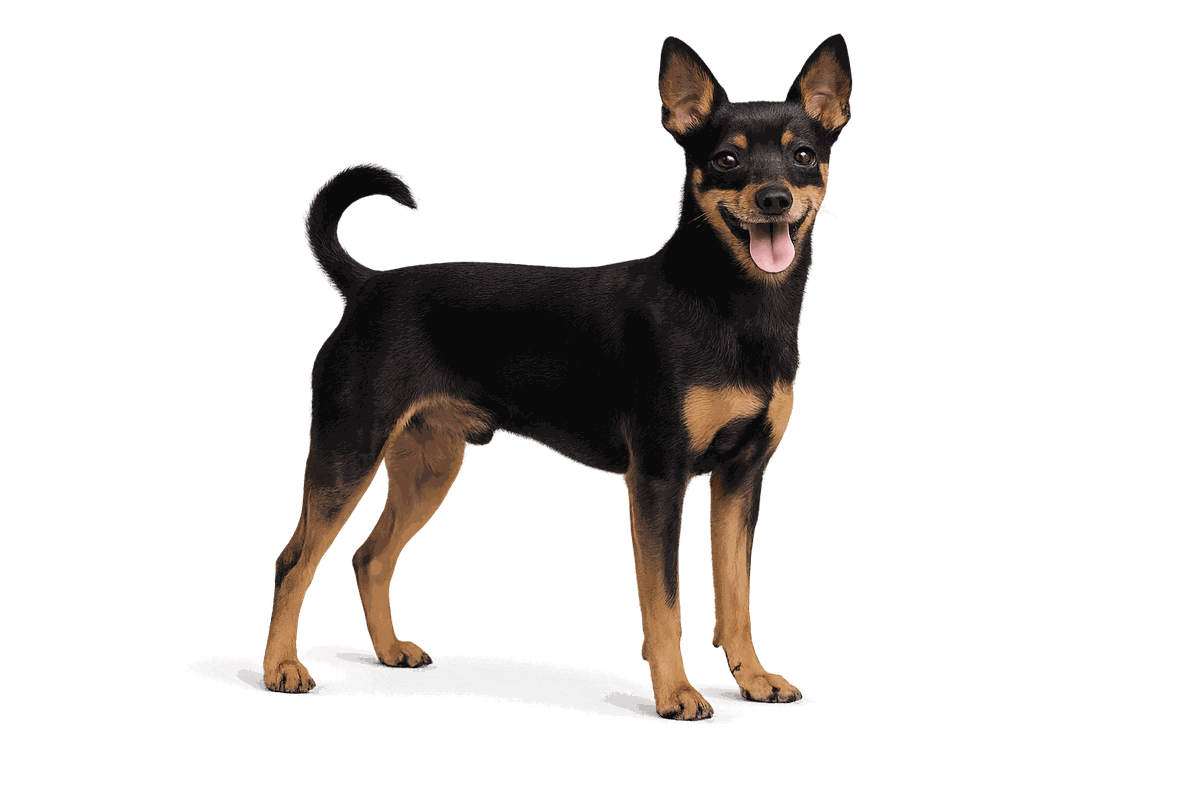
The Russian Toy is a tiny, lively companion breed from Russia, found in smooth and long-coated varieties and best suited to careful homes.
Official, native, and commonly used variants
Weight
2-6.5 lb
Height
8-11 in
Lifespan
12-15 yrs
Coat
Smooth or long Varies
At A Glance
A quick read on energy, upkeep, and what day-to-day life with this breed usually feels like.
Energy
Moderate
Barking
Moderate
Drooling
Low
Shedding
Low
Grooming
2/5
First-time owner
Yes
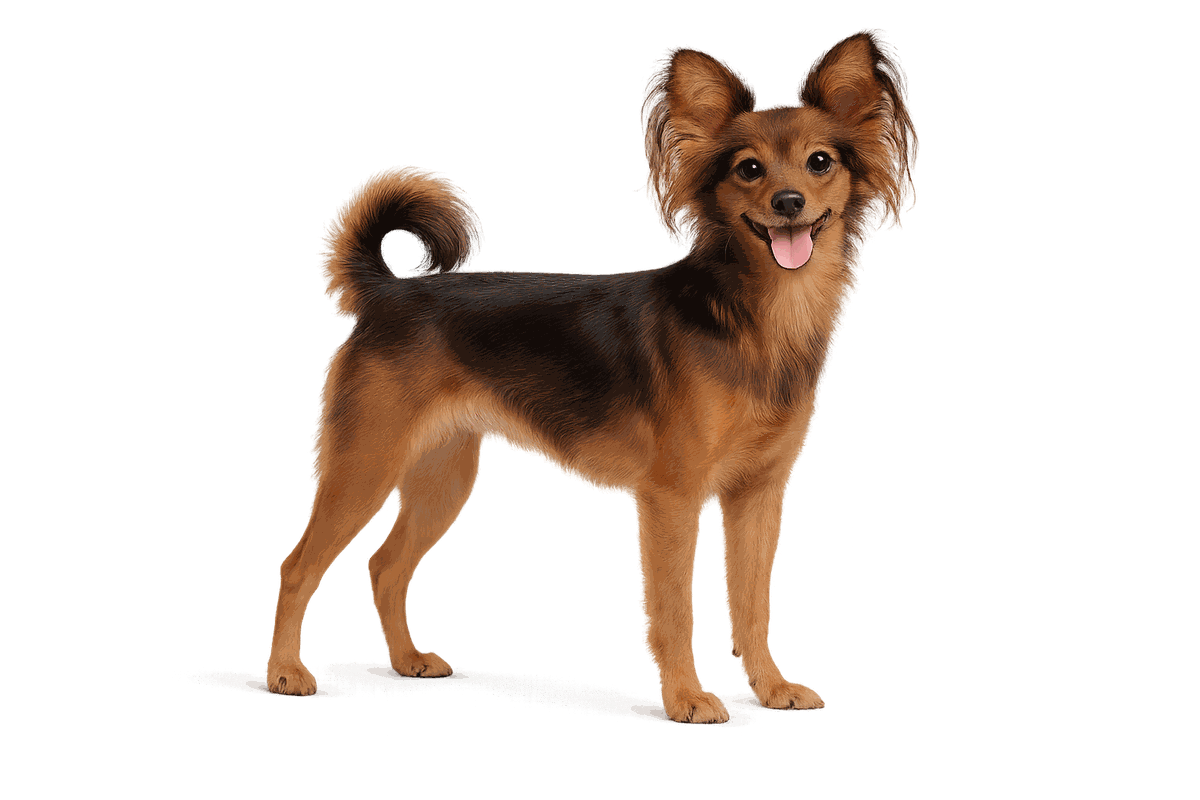
The Russian Toy is a very small companion dog from Russia, recognized in both smooth-coated and long-coated varieties. The official standard describes a fine-boned, long-legged toy dog that is active, cheerful, intelligent, and slightly aloof with strangers without being timid or aggressive. Its size is genuinely delicate, so safe handling matters as much as exercise.
This breed can fit city living well, but it should not be treated like a decoration. Russian Toys are alert, quick, and responsive, and many will bark at door noise or unfamiliar movement unless taught calm routines. They usually enjoy short walks, indoor games, trick training, and close contact with their people, but rough play with large dogs or young children can be risky because of their light frame.
Care depends on coat variety. Smooth Russian Toys need simple brushing, while long-coated dogs need attention to ear fringes, feet, and feathering. Dental care, nail trimming, patella checks, and weight control are important in such a small breed. Choose breeders who produce confident temperaments and healthy mouths, knees, and eyes.
This breed tends to suit homes looking for a active, cheerful, intelligent companion, with daily rhythms shaped by moderate energy, moderate barking, and low drooling.
Coat type
Smooth or long
Coat length
Varies
Shedding
Low
Colors
Black and tan, Chocolate and tan, Blue and tan, Red, Red sable, Red brown
The Russian Toy is physically well suited to apartments, but hallway sounds and visitor traffic can trigger alert barking. Short walks, indoor play, and calm door routines matter more than a yard.
Russian Toys can be vocal alert dogs. They are cheerful and affectionate with trusted people, but many are slightly aloof with strangers and need socialization that builds confidence rather than pressure.
Russian Toys respond well to short, reward-based lessons. Prioritize confidence around strangers, calm door responses, handling for grooming and vet care, and polite leash behavior without forcing the dog into overwhelming situations.
Smooth-coated Russian Toys need quick brushing and skin checks, while long-coated dogs need combing through ear fringes, feet, and feathering. Both varieties need regular nail trims and serious dental care because small mouths can develop tartar quickly.
Most Russian Toys do well with 30 to 45 minutes of daily activity split into short walks, indoor play, and training games. Protect them from rough dogs, jumping off furniture, and cold weather because the breed is fine-boned and very small.
Smooth-coated Russian Toys need quick brushing and skin checks, while long-coated dogs need combing through ear fringes, feet, and feathering. Both varieties need regular nail trims and serious dental care because small mouths can develop tartar quickly.
Russian Toys respond well to short, reward-based lessons. Prioritize confidence around strangers, calm door responses, handling for grooming and vet care, and polite leash behavior without forcing the dog into overwhelming situations.
Feed measured small-breed portions and monitor body condition closely. Even minor weight gain is significant on a dog that should weigh only a few pounds, and dental health may influence food texture or veterinary care.
Energy level
Moderate
Barking level
Moderate
Drooling level
Low
Watchdog ability
3/5
Guard dog ability
1/5
Climate tolerance
Common concerns to discuss with your vet and breeder.
This profile was researched from established breed and canine-care references. Breed tendencies describe typical patterns, not a guarantee for every individual dog.
Reviewed by the Dogs Index Editorial Team. For health or behavior concerns, consult a veterinarian or appropriately qualified professional.
Our Shop
Browse practical products for feeding, grooming, cleanup, enrichment, and smoother daily routines.