Apartment fit
The Russian Tsvetnaya Bolonka was developed as a house pet and usually fits apartments well. The practical limits are coat care, companionship, and training calm responses to hallway or door noise.
 Russia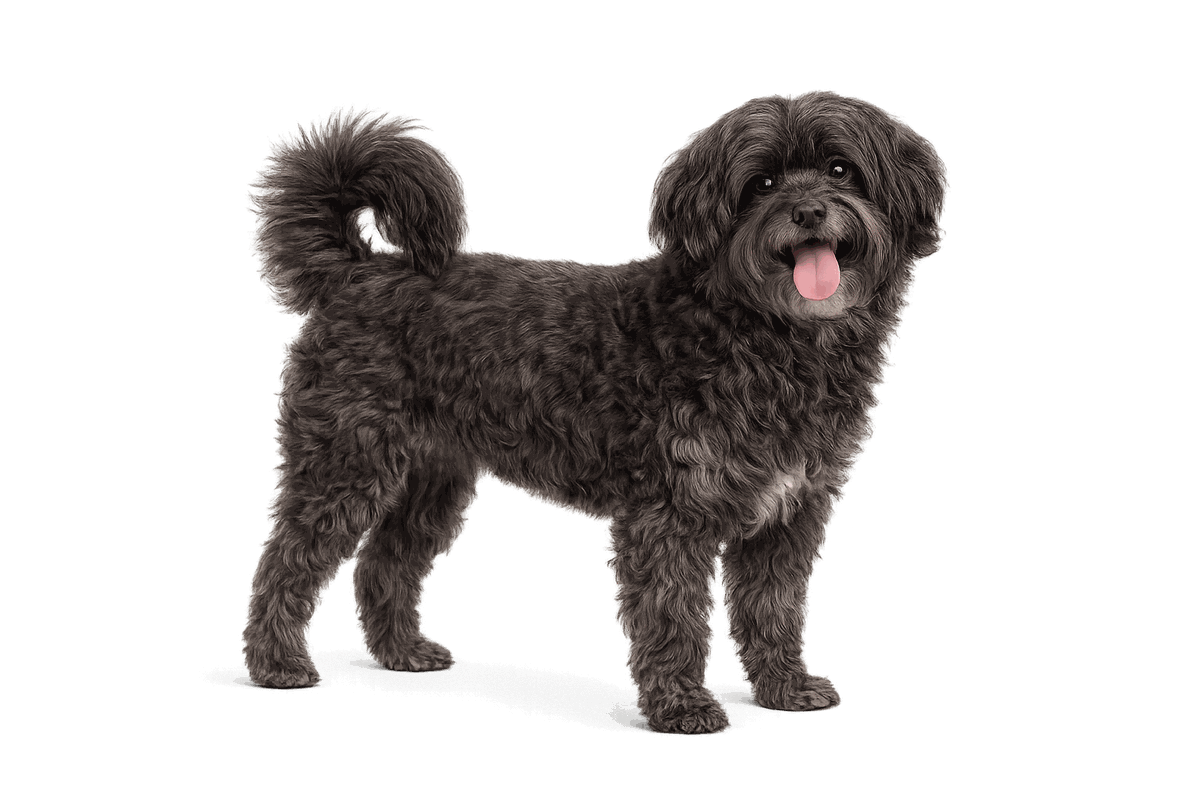
Weight
6-9 lb
Height
9-10.25 in
Lifespan
12-16 yrs
Coat
Curly or wavy Long
The Russian Tsvetnaya Bolonka is a small Russian colored lapdog with a soft curly or very wavy coat, friendly temperament, and apartment-friendly size.
Official, native, and commonly used variants
Weight
6-9 lb
Height
9-10.25 in
Lifespan
12-16 yrs
Coat
Curly or wavy Long
At A Glance
A quick read on energy, upkeep, and what day-to-day life with this breed usually feels like.
Energy
Moderate
Barking
Moderate
Drooling
Low
Shedding
Low
Grooming
4/5
First-time owner
Yes
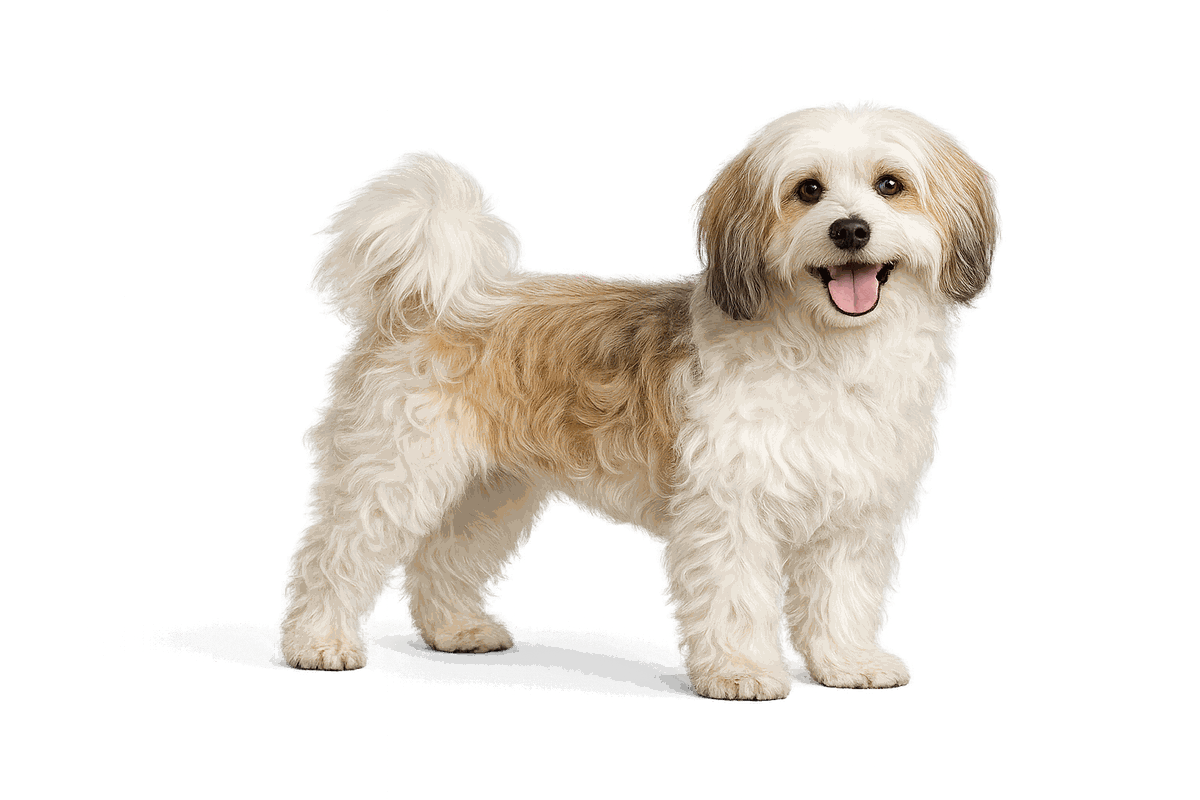
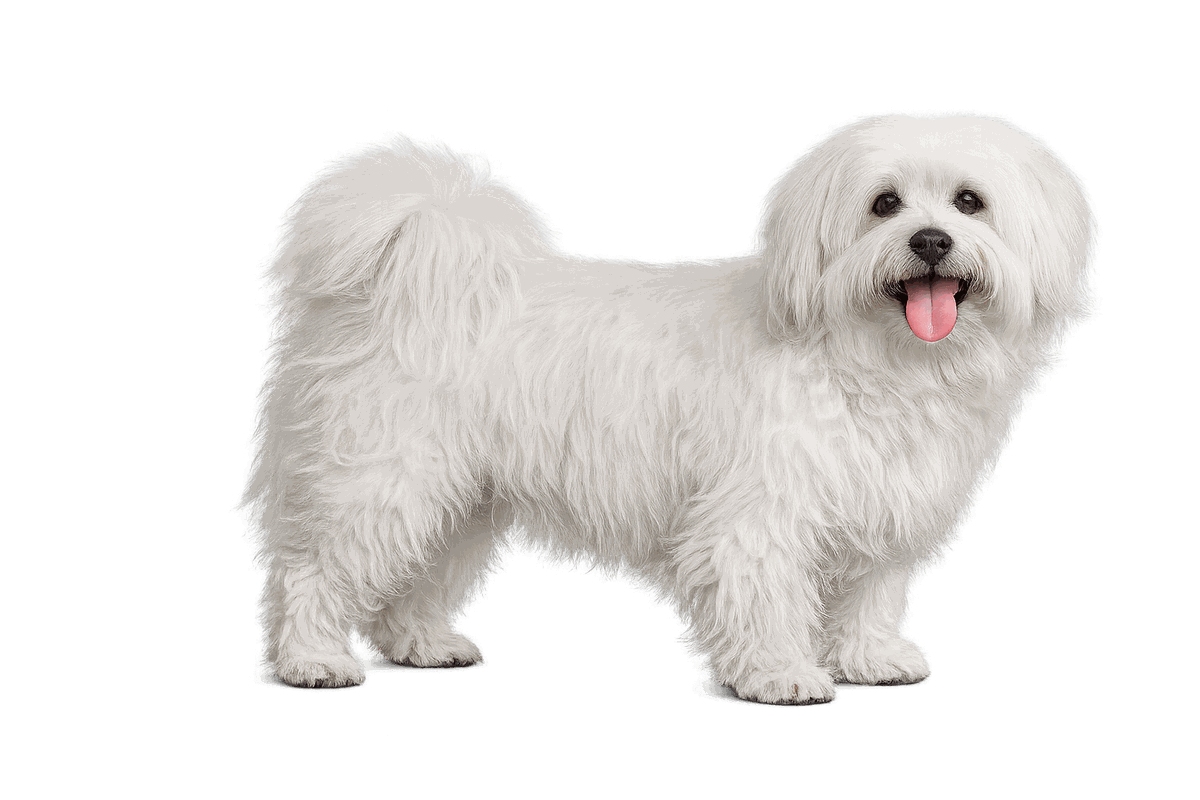
The Russian Tsvetnaya Bolonka, often shortened to Bolonka, is a Russian companion breed whose name means Russian Colored Lapdog. It was developed as a small house pet, and the official standard emphasizes a sturdy, balanced toy dog that is sweet, loving, intelligent, willing to please, and friendly without aggression. Unlike white bichon-type relatives, the Bolonka is defined by colored coats; the standard permits many colors but excludes solid white, spotted, parti-color, and merle.
A Bolonka is usually an excellent small-home companion when its coat and barking are managed. It does not need athletic mileage, but it does need daily walks, indoor play, handling practice, and enough training to prevent door-alert barking or clingy behavior. The breed is small, but it is not as delicate as the tiniest toy dogs, and many enjoy learning tricks and polite house manners.
The main commitment is grooming. The long, dense, soft coat forms large curls or strong waves, with beard and moustache, and should be brushed and combed before mats form. Owners should also watch dental health, knees, eyes, ears, and weight. The best fit is a household that wants a close companion and accepts coat care as part of the routine.
This breed tends to suit homes looking for a sweet, loving, intelligent companion, with daily rhythms shaped by moderate energy, moderate barking, and low drooling.
Coat type
Curly or wavy
Coat length
Long
Shedding
Low
Colors
Black, Brown, Gray, Red, Fawn, Cream, Sable, Black and tan
The Russian Tsvetnaya Bolonka was developed as a house pet and usually fits apartments well. The practical limits are coat care, companionship, and training calm responses to hallway or door noise.
Bolonkas can alert, but the breed standard calls for a friendly dog without aggression. Socialization should support that friendly nature while preventing clinginess or nuisance barking.
Bolonkas are intelligent and willing to please, so kind reward-based training usually works well. Teach calm greetings, alone-time comfort, cooperative grooming, and quiet responses to hallway or door noise.
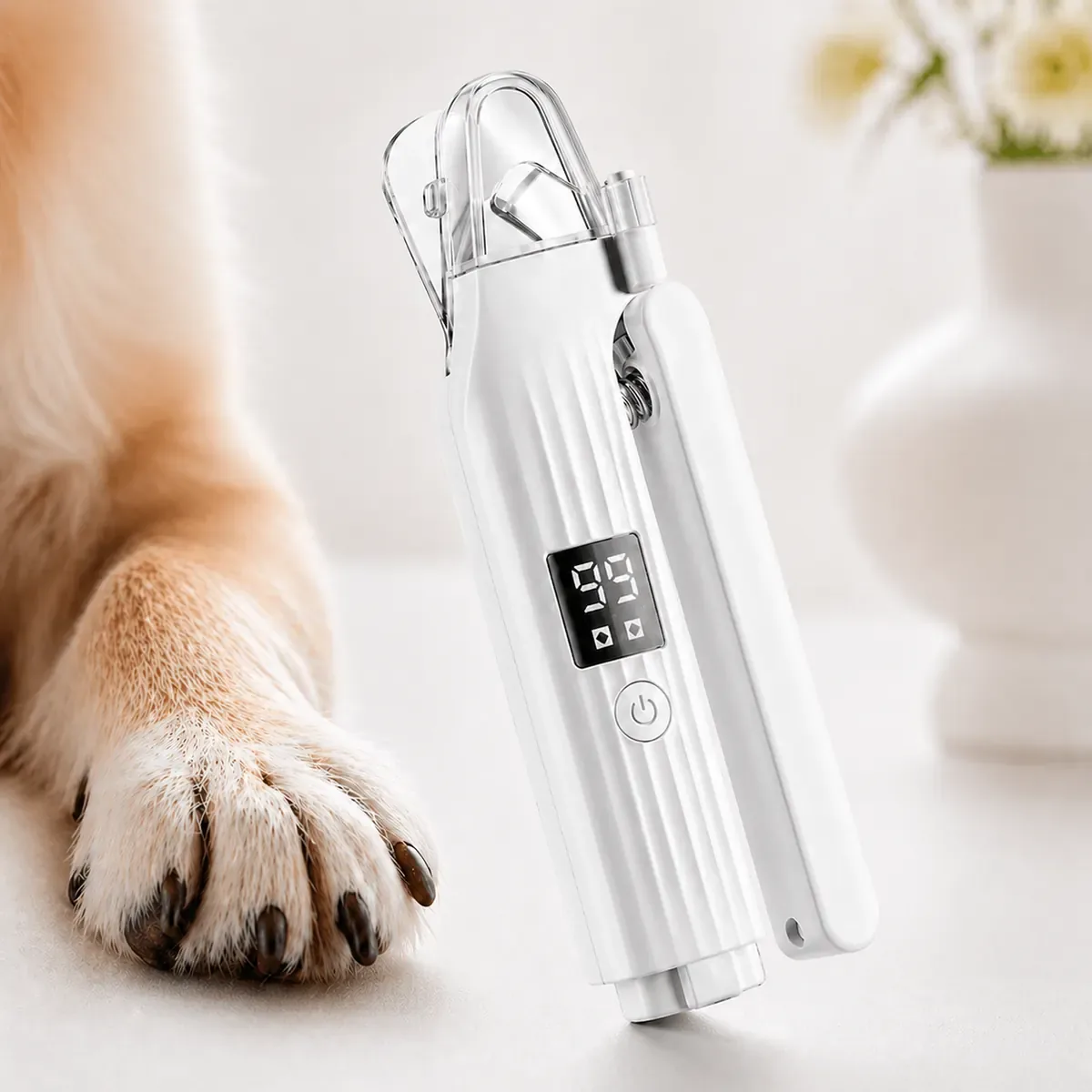
Brush and comb the long curly or very wavy coat several times a week, paying attention to the beard, moustache, ears, armpits, and legs. The coat sheds little compared with many breeds, but mats can form quickly if grooming is postponed.
Most Russian Tsvetnaya Bolonkas do well with 30 to 45 minutes of daily activity from short walks, indoor games, and training. The breed was developed for apartment companionship, but it still needs a predictable outlet for energy and attention.
Brush and comb the long curly or very wavy coat several times a week, paying attention to the beard, moustache, ears, armpits, and legs. The coat sheds little compared with many breeds, but mats can form quickly if grooming is postponed.
Bolonkas are intelligent and willing to please, so kind reward-based training usually works well. Teach calm greetings, alone-time comfort, cooperative grooming, and quiet responses to hallway or door noise.
Feed measured small-breed portions and keep the dog lean. Dental health, treat calories, and coat condition are important, so adjust food and supplements only with veterinary guidance.
Energy level
Moderate
Barking level
Moderate
Drooling level
Low
Watchdog ability
3/5
Guard dog ability
1/5
Climate tolerance
Common concerns to discuss with your vet and breeder.
This profile was researched from established breed and canine-care references. Breed tendencies describe typical patterns, not a guarantee for every individual dog.
Reviewed by the Dogs Index Editorial Team. For health or behavior concerns, consult a veterinarian or appropriately qualified professional.
Our Shop
Browse practical products for feeding, grooming, cleanup, enrichment, and smoother daily routines.