Apartment fit
A Schiller Hound is usually a poor apartment fit unless the owner provides substantial trail work and manages vocal behavior. The breed was developed for hunting, not dense housing.
 Sweden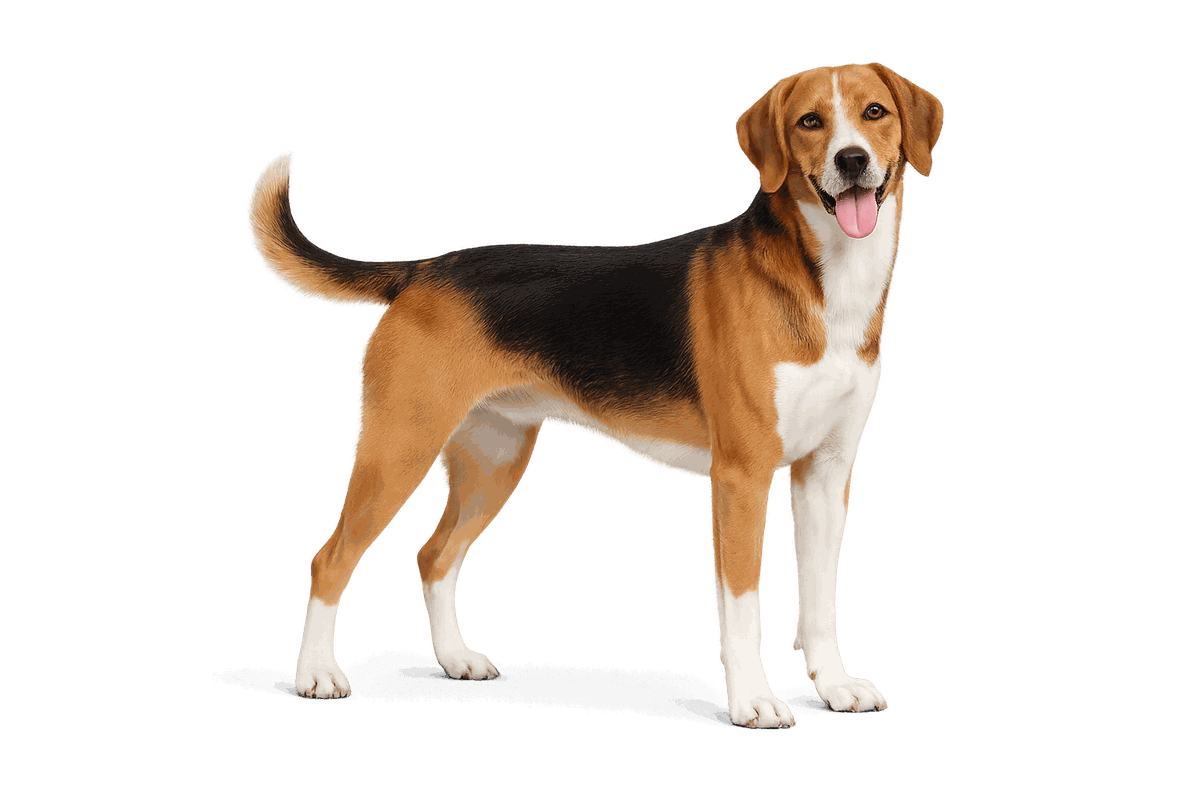
Weight
40-55 lb
Height
19.3-24 in
Lifespan
11-14 yrs
Coat
Smooth Short
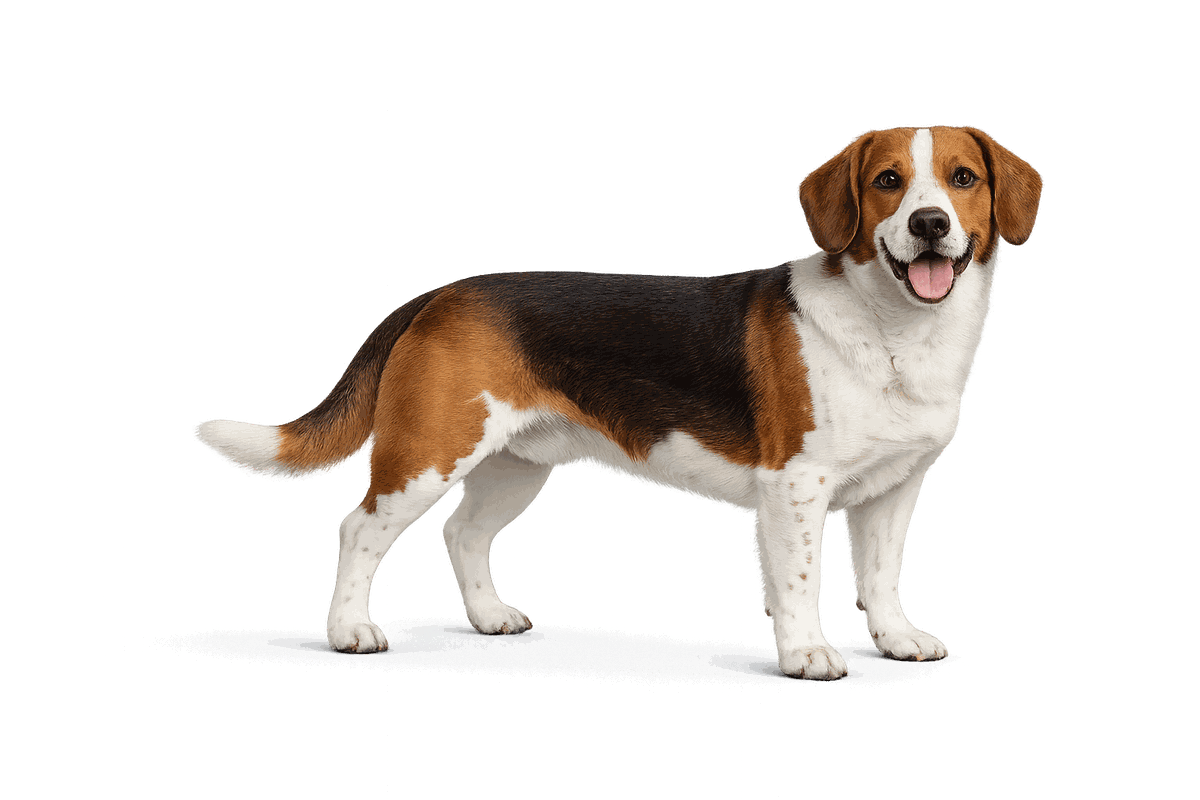
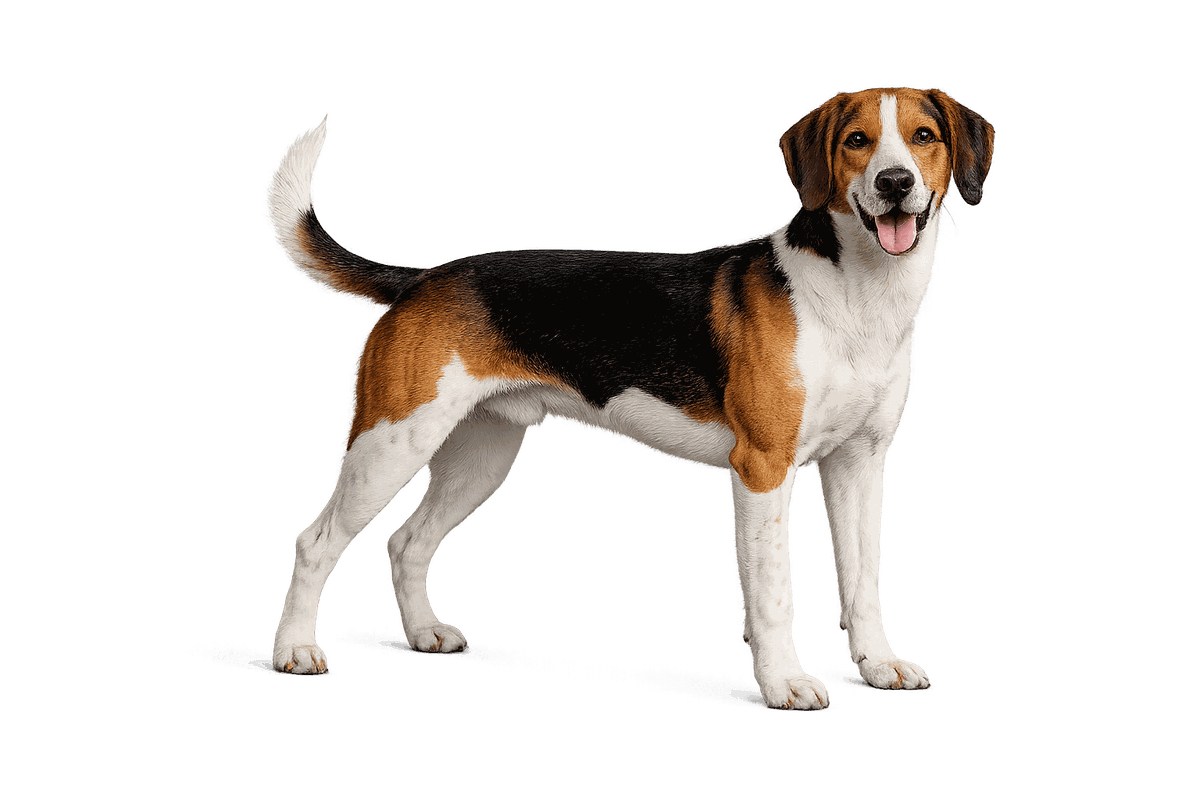
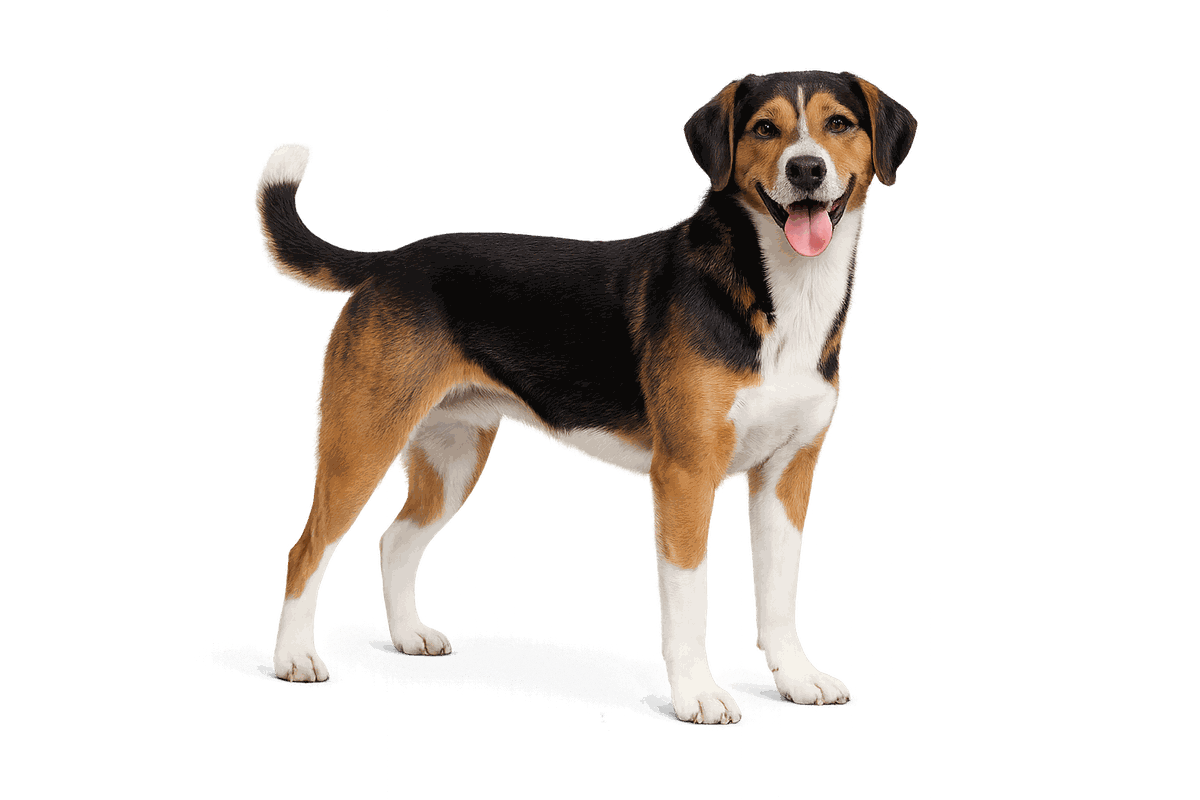
The Schiller Hound is a Swedish scent hound with a black-and-tan coat, bred to hunt hare and fox with drive and voice.
Official, native, and commonly used variants
Weight
40-55 lb
Height
19.3-24 in
Lifespan
11-14 yrs
Coat
Smooth Short
At A Glance
A quick read on energy, upkeep, and what day-to-day life with this breed usually feels like.
Energy
High
Barking
High
Drooling
Low
Shedding
Moderate
Grooming
1/5
First-time owner
No
The Schiller Hound, or Schillerstovare, is a Swedish scent hound developed for hunting hare and fox. The FCI standard describes a well-proportioned, strong but not heavy hound with a short black-and-tan coat and a lively, attentive expression.
This breed is built to work scent independently and with persistence. It can be affectionate at home, but its exercise and nose-work needs are real. Secure fencing, leash reliability, recall training, and safe management around wildlife are more important than generic obedience drills.
Grooming is simple because of the short coat, but ears, feet, and skin need checks after hunting or long trail work. The Schiller Hound is best for active homes that understand scenthounds and can provide running, tracking, or legal hunting outlets rather than expecting a low-energy house companion.
This breed tends to suit homes looking for a lively, attentive, persistent companion, with daily rhythms shaped by high energy, high barking, and low drooling.
Coat type
Smooth
Coat length
Short
Shedding
Moderate
Colors
Black and tan
A Schiller Hound is usually a poor apartment fit unless the owner provides substantial trail work and manages vocal behavior. The breed was developed for hunting, not dense housing.
The breed can use its voice when excited by scent or hunting work. Owners should expect hound vocalization and teach check-ins and quiet cues early.
Use rewards and real scent outlets while setting clear leash and recall rules. Expect independence on scent, and train quiet cues and check-ins before the dog rehearses long-distance tracking behavior.
Brush the short coat weekly and wipe down after wet or muddy work. Check ears, feet, nails, and skin after time in brush because scenthounds can collect seeds, ticks, and small injuries.
Most Schiller Hounds need at least 90 minutes of daily activity, ideally including long trail walks, tracking games, running in secure areas, or legal hunting work. Scent work helps satisfy the breed more than simple pavement walks.
Brush the short coat weekly and wipe down after wet or muddy work. Check ears, feet, nails, and skin after time in brush because scenthounds can collect seeds, ticks, and small injuries.
Use rewards and real scent outlets while setting clear leash and recall rules. Expect independence on scent, and train quiet cues and check-ins before the dog rehearses long-distance tracking behavior.
Feed for lean condition and adjust calories around hunting seasons or rest periods. Extra weight reduces endurance and adds stress to joints.
Energy level
High
Barking level
High
Drooling level
Low
Watchdog ability
3/5
Guard dog ability
1/5
Climate tolerance
Common concerns to discuss with your vet and breeder.
This profile was researched from established breed and canine-care references. Breed tendencies describe typical patterns, not a guarantee for every individual dog.
Reviewed by the Dogs Index Editorial Team. For health or behavior concerns, consult a veterinarian or appropriately qualified professional.
Our Shop
Browse practical products for feeding, grooming, cleanup, enrichment, and smoother daily routines.