Apartment fit
The Spanish Hound is usually a poor apartment fit because of voice, stamina, and scent-driven behavior. It does best with room, outdoor access, and owners who understand working hounds.
 Spain
Spain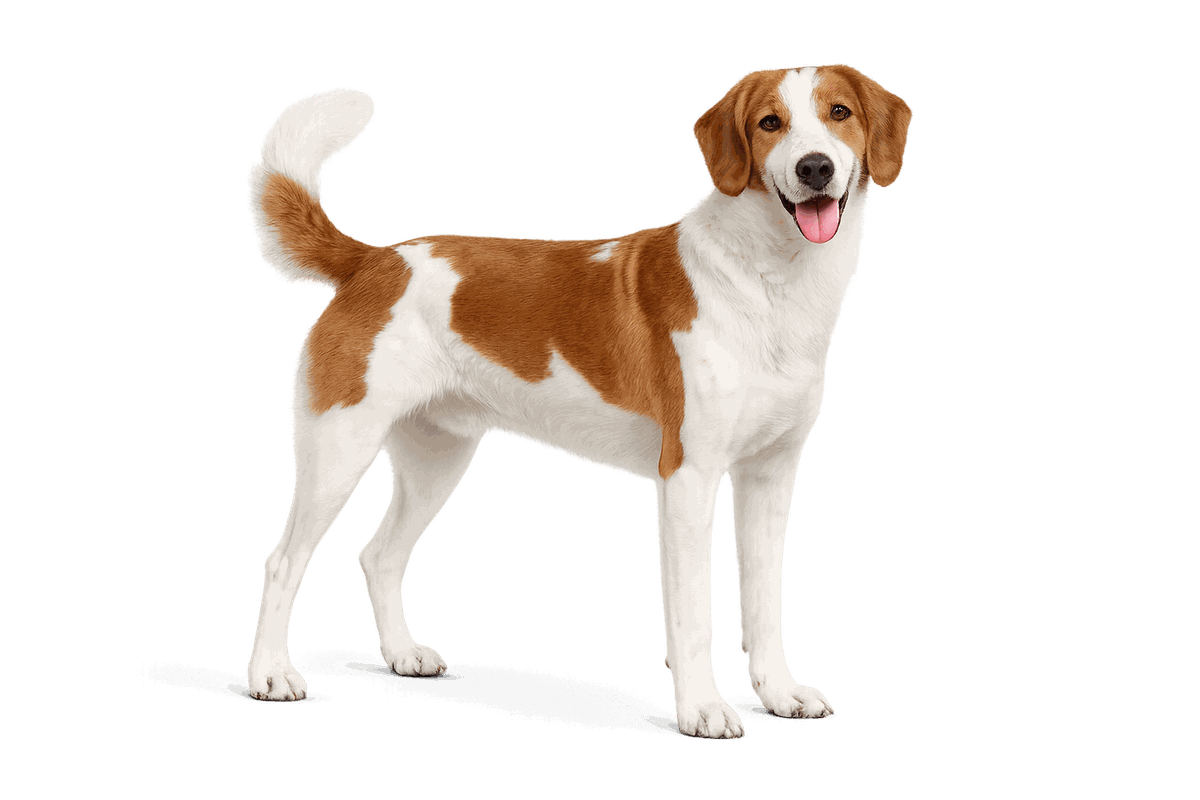
Weight
45-70 lb
Height
19-22.5 in
Lifespan
11-14 yrs
Coat
Dense Short
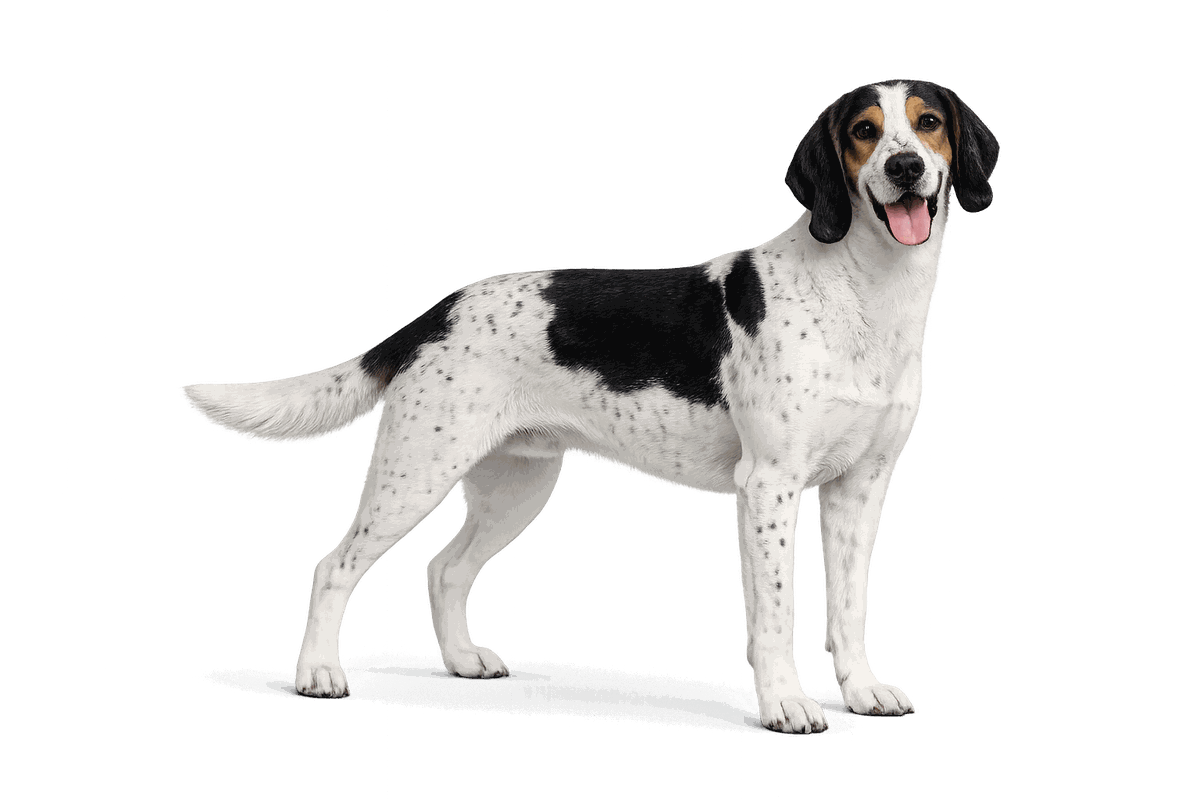
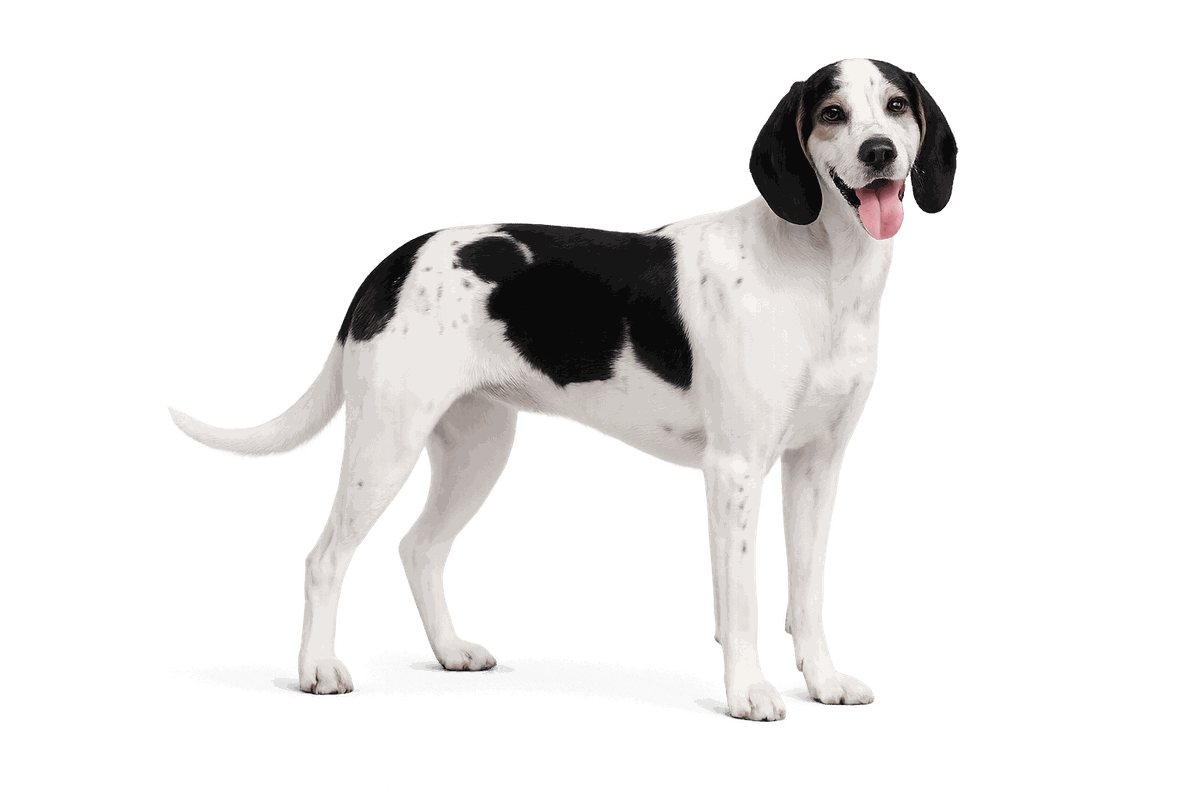
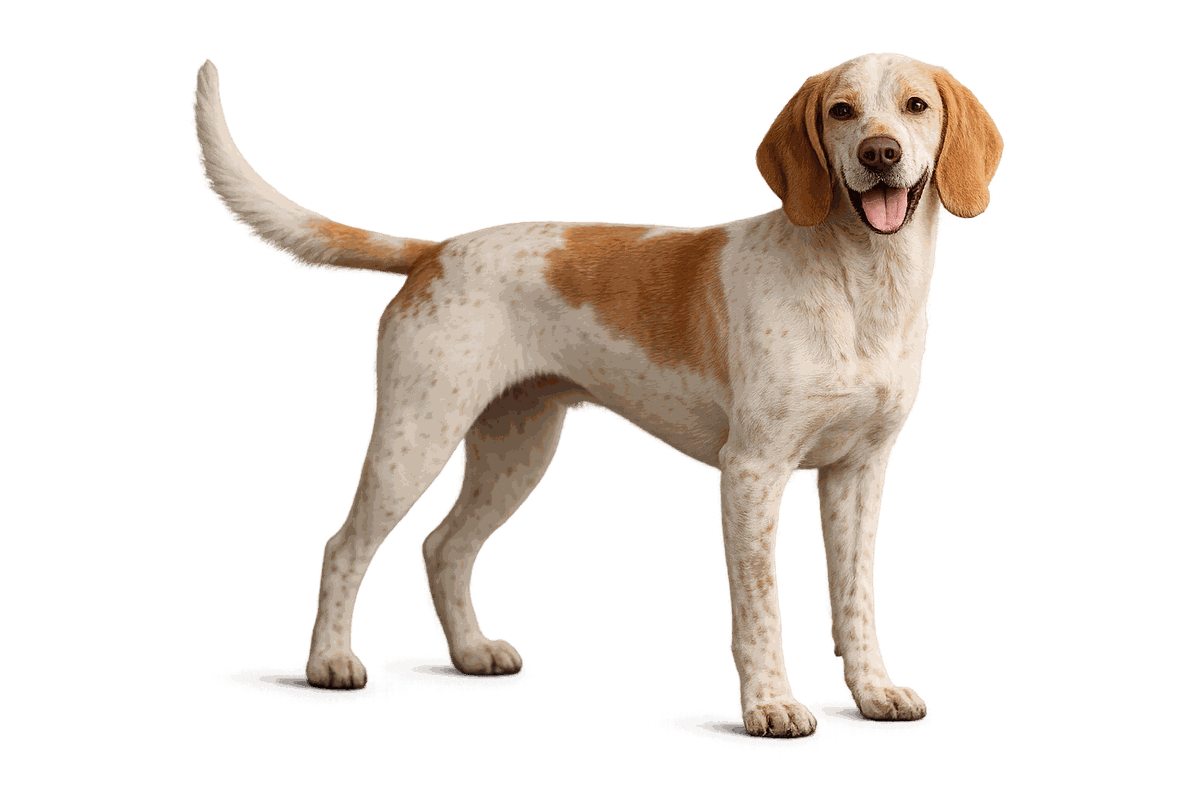
The Spanish Hound is a medium-large Spanish scenthound with long ears, a strong hunting voice, and a persistent nose for hare and larger game.
Official, native, and commonly used variants
Weight
45-70 lb
Height
19-22.5 in
Lifespan
11-14 yrs
Coat
Dense Short
At A Glance
A quick read on energy, upkeep, and what day-to-day life with this breed usually feels like.
Energy
High
Barking
High
Drooling
Moderate
Shedding
Moderate
Grooming
2/5
First-time owner
No
The Spanish Hound, or Sabueso Espanol, is a traditional Spanish scenthound bred to follow scent with persistence and voice. It is very different from the Spanish Galgo: the Galgo hunts primarily by sight, while the Spanish Hound works by nose, often with a deep, carrying voice and strong concentration on a trail.
The breed is medium-large, longer than tall, with long ears and a short, dense coat. Breed standards describe a white base with orange to reddish-brown patches or markings. Grooming is straightforward, but ears need regular attention because long-eared scenthounds are prone to moisture, wax, and field debris.
A Spanish Hound can be loyal and steady with its people, but it is not a casual city dog for every home. It needs owners who understand scent-driven independence, vocal hunting behavior, secure boundaries, and long outdoor exercise. Training should channel the nose rather than fight it.
This breed tends to suit homes looking for a persistent, vocal, steady companion, with daily rhythms shaped by high energy, high barking, and moderate drooling.
Coat type
Dense
Coat length
Short
Shedding
Moderate
Colors
White and orange, White and reddish brown, Orange patches, Reddish-brown patches
The Spanish Hound is usually a poor apartment fit because of voice, stamina, and scent-driven behavior. It does best with room, outdoor access, and owners who understand working hounds.
Vocal trailing is part of the breed's work. Owners should expect hound baying and should provide scent outlets rather than trying to make the dog silent.
Training should use the nose as motivation. Tracking games, food trails, long-line recall practice, and secure boundaries fit the breed better than repetitive obedience alone.
The short coat is easy to brush and sheds moderately. Long ears need regular cleaning and inspection, especially after rain, swimming, or field cover.
Most Spanish Hounds need long daily exercise with scent work, tracking games, hiking, or hunting-style outlets. Short neighborhood walks are rarely enough for a healthy adult.
The short coat is easy to brush, but the long ears need regular checks and cleaning. After field work, inspect the ears, feet, skin, and coat for seeds, cuts, ticks, and irritation.
Use scent-based rewards, tracking games, food reinforcement, and consistent recall management. The breed can be determined on a trail, so secure boundaries and leash skills matter from the start.
Feed measured meals for an active hound and keep the dog lean. Avoid intense exercise around large meals and discuss digestive, joint, or ear concerns with a veterinarian.
Energy level
High
Barking level
High
Drooling level
Moderate
Watchdog ability
3/5
Guard dog ability
1/5
Climate tolerance
Common concerns to discuss with your vet and breeder.
This profile was researched from established breed and canine-care references. Breed tendencies describe typical patterns, not a guarantee for every individual dog.
Reviewed by the Dogs Index Editorial Team. For health or behavior concerns, consult a veterinarian or appropriately qualified professional.
Our Shop
Browse practical products for feeding, grooming, cleanup, enrichment, and smoother daily routines.