Apartment fit
The Tosa is generally a poor apartment fit because of size, restrictions, and management responsibilities.
 Japan
Japan
Weight
80-135 lb
Height
21.5-24.5 in
Lifespan
10-12 yrs
Coat
Smooth Short
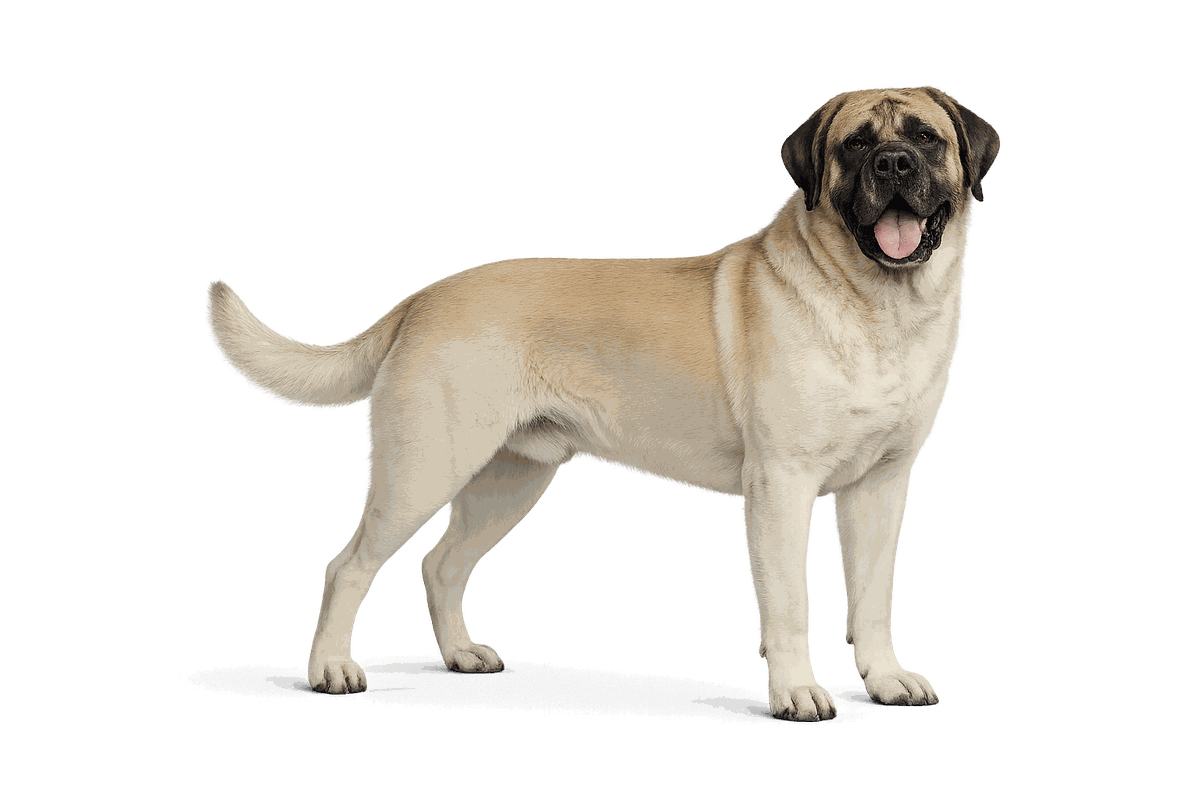
The Tosa is a large Japanese mastiff-type breed with a short coat, calm dignity, and serious ownership responsibilities.
Official, native, and commonly used variants
Weight
80-135 lb
Height
21.5-24.5 in
Lifespan
10-12 yrs
Coat
Smooth Short
At A Glance
A quick read on energy, upkeep, and what day-to-day life with this breed usually feels like.
Energy
Moderate
Barking
Low
Drooling
Moderate
Shedding
Moderate
Grooming
1/5
First-time owner
No
The Tosa, also called Tosa Inu or Tosa Ken, was developed in Japan as a large mastiff-type dog. Its history means modern ownership carries real responsibility: the breed is powerful, calm, and often reserved, and it may be subject to legal restrictions in some countries, cities, rentals, or insurance policies.
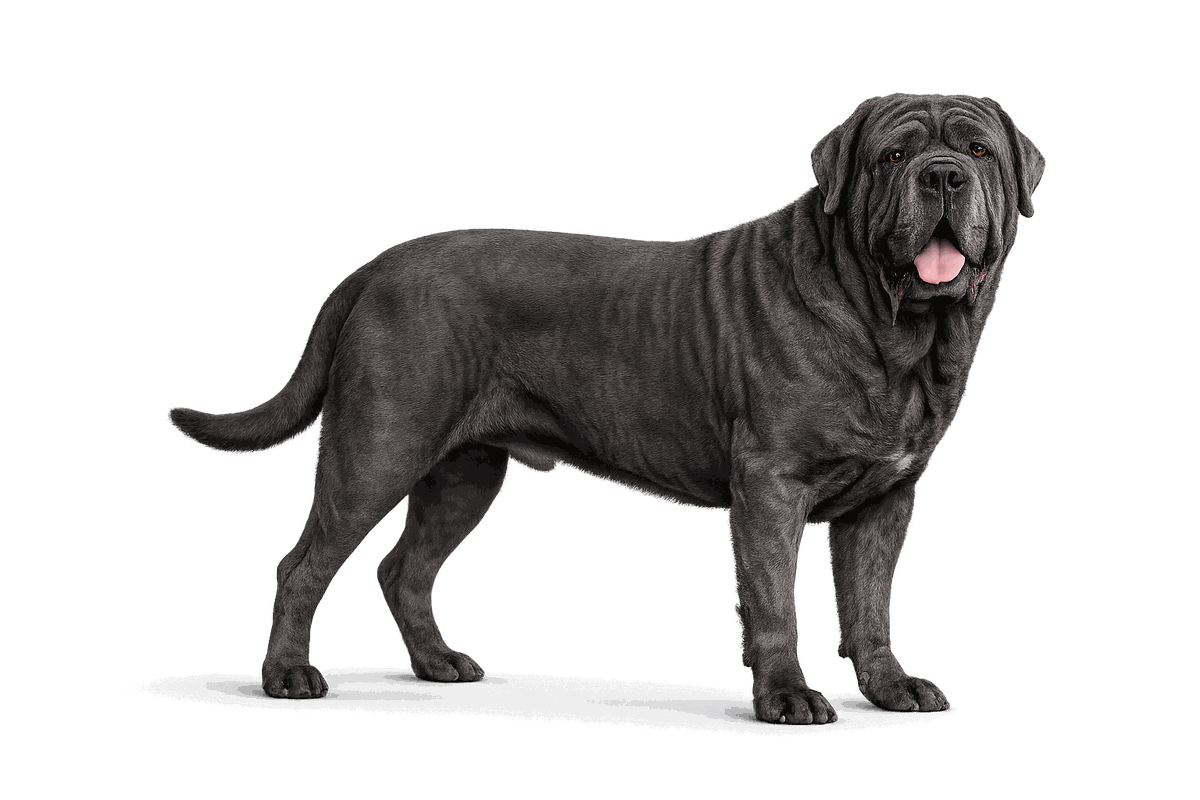
This is a large, muscular dog with a short smooth coat. FCI colors include red, fawn, apricot, black, brindle, and allowed white markings in limited areas. Grooming is simple, but handling, training, and public management are not.
A well-bred, well-raised Tosa should be stable and composed, but it is not a casual beginner breed. Owners need large-dog experience, secure control, careful dog-to-dog management, early socialization, and a clear understanding of local laws before bringing one home.
This breed tends to suit homes looking for a calm, dignified, brave companion, with daily rhythms shaped by moderate energy, low barking, and moderate drooling.
Coat type
Smooth
Coat length
Short
Shedding
Moderate
Colors
Red, Fawn, Apricot, Black, Brindle, White markings
The Tosa is generally a poor apartment fit because of size, restrictions, and management responsibilities.
It is often quiet, but guarding or dog conflict can carry serious risk. Prevention and management matter.
Use calm reward-based training, leash skills, cooperative care, and dog-neutrality work. Avoid force or confrontation.
The short coat is easy to brush and sheds moderately. Training and handling are the real workload.
Use steady daily walks, controlled play, and low-impact conditioning. Avoid forced running in young dogs and manage heat carefully.
The short coat needs weekly brushing, nail care, dental care, ear checks, and skin checks. Grooming is simple compared with training and handling.
Start early with calm reward-based training, leash control, handling, muzzle conditioning where appropriate, dog neutrality, and visitor routines. Know local laws and never rely on strength alone.
Feed measured large-breed meals and keep body condition lean. Discuss joint health, bloat risk, and growth rate with a veterinarian.
Energy level
Moderate
Barking level
Low
Drooling level
Moderate
Watchdog ability
4/5
Guard dog ability
4/5
Climate tolerance
Common concerns to discuss with your vet and breeder.
This profile was researched from established breed and canine-care references. Breed tendencies describe typical patterns, not a guarantee for every individual dog.
Reviewed by the Dogs Index Editorial Team. For health or behavior concerns, consult a veterinarian or appropriately qualified professional.
Our Shop
Browse practical products for feeding, grooming, cleanup, enrichment, and smoother daily routines.