Apartment fit
Good potential if barking is managed. Size helps, but mental work and coat care still matter.
 United States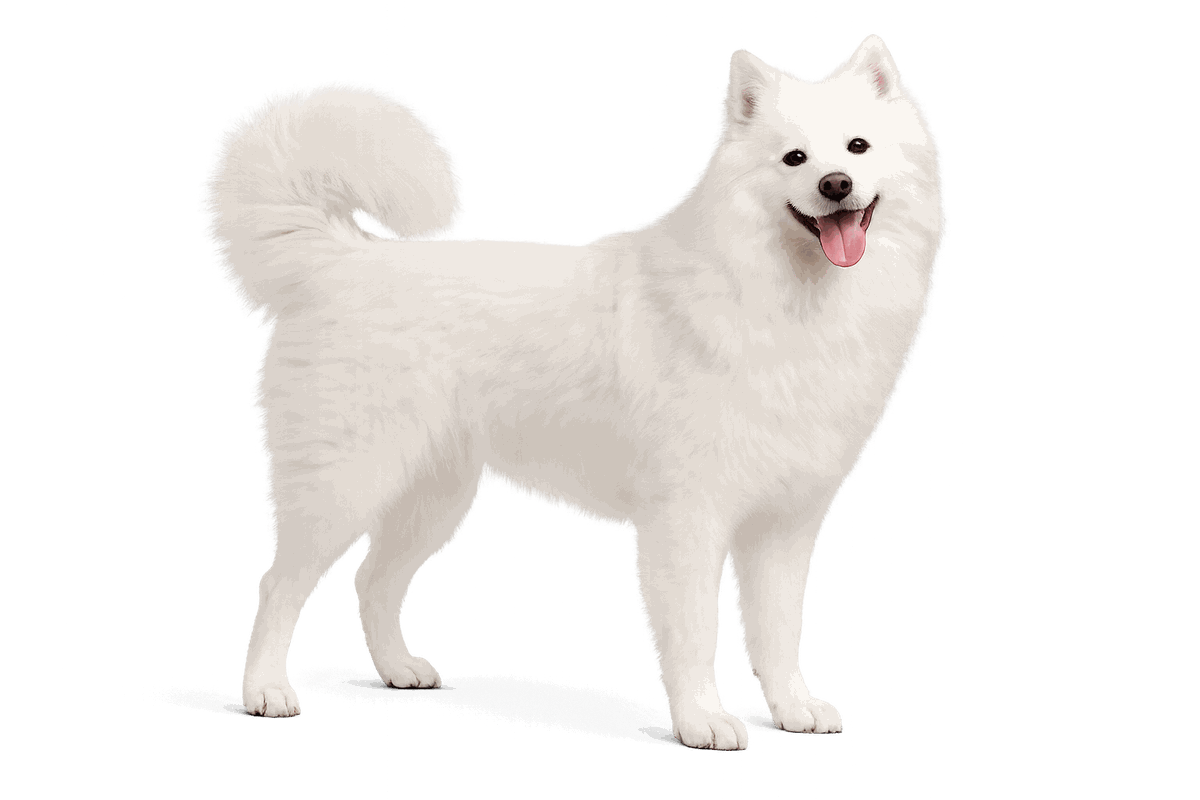
Weight
6-35 lb
Height
9-19 in
Lifespan
13-15 yrs
Coat
Double Medium
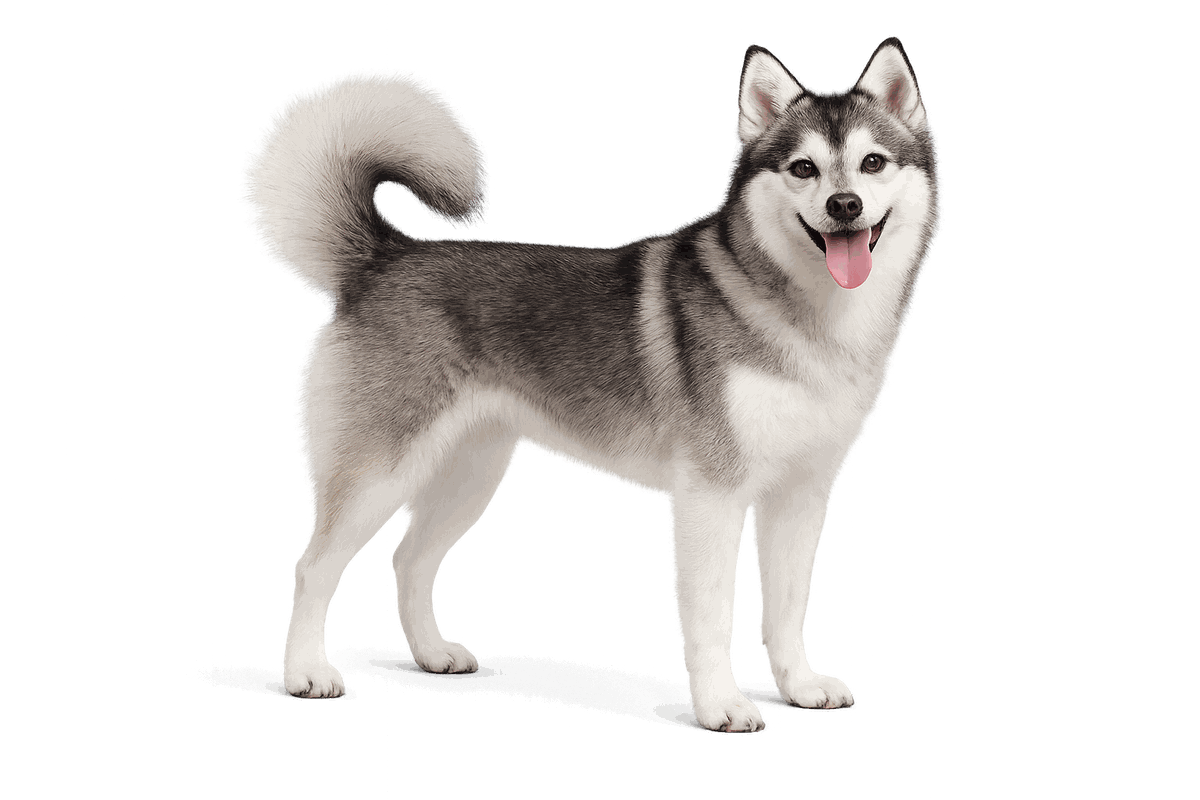
The American Eskimo Dog is a bright white American spitz companion, clever, alert, friendly, and often cautious with new people.
Official, native, and commonly used variants
Weight
6-35 lb
Height
9-19 in
Lifespan
13-15 yrs
Coat
Double Medium
At A Glance
A quick read on energy, upkeep, and what day-to-day life with this breed usually feels like.
Energy
Moderate
Barking
Moderate
Drooling
Low
Shedding
Moderate
Grooming
2/5
First-time owner
Yes
The American Eskimo Dog, often called the Eskie, is an American companion spitz recognized in toy, miniature, and standard sizes. AKC describes the breed as a “brains-and-beauty” dog: alert, friendly, quick, clever, and a little conservative when making new friends. The white or white-and-biscuit double coat, plumed tail, and foxlike expression are key breed features.
Eskies are highly trainable and people-oriented, but they are not background decorations. They need daily activity, training games, socialization, and a plan for alert barking. Many do well in apartments because of their size ranges, but they can become noisy or anxious if bored or left without companionship.
The double coat sheds and needs routine brushing, especially during seasonal coat changes. Health planning should include knees, hips, eyes, dental care, weight, and skin or allergy issues.
This breed tends to suit homes looking for a adaptable, alert, bright companion, with daily rhythms shaped by moderate energy, moderate barking, and low drooling.
Coat type
Double
Coat length
Medium
Shedding
Moderate
Colors
White, White and Biscuit
Good potential if barking is managed. Size helps, but mental work and coat care still matter.
Expect alertness and some vocal behavior. Train quiet routines early rather than waiting for nuisance barking.
Eskies are quick and clever. Use rewards, games, and clear rules to prevent boredom-driven behavior.
The white double coat sheds and needs regular brushing. Avoid shaving and keep teeth, nails, ears, and paws maintained.
Most Eskies need 45 to 60 minutes of daily walks, play, and training games. Mental work is important because the breed is quick and clever.
Brush the double coat several times a week and more during shedding seasons. Do not shave the coat; maintain nails, teeth, ears, and paw pads.
Use upbeat reward-based training and put the breed's cleverness to work. Teach quiet cues, polite greetings, handling, recall, and calm alone time.
Feed measured portions based on size variety and activity. Keep weight lean to protect knees, hips, and general mobility.
Energy level
Moderate
Barking level
Moderate
Drooling level
Low
Watchdog ability
3/5
Guard dog ability
2/5
Climate tolerance
Common concerns to discuss with your vet and breeder.
This profile was researched from established breed and canine-care references. Breed tendencies describe typical patterns, not a guarantee for every individual dog.
Reviewed by the Dogs Index Editorial Team. For health or behavior concerns, consult a veterinarian or appropriately qualified professional.
Our Shop
Browse practical products for feeding, grooming, cleanup, enrichment, and smoother daily routines.