Apartment fit
Good size for apartments, but not automatically easy. Manage barking, visitors, and under-stimulation from the start.
 United States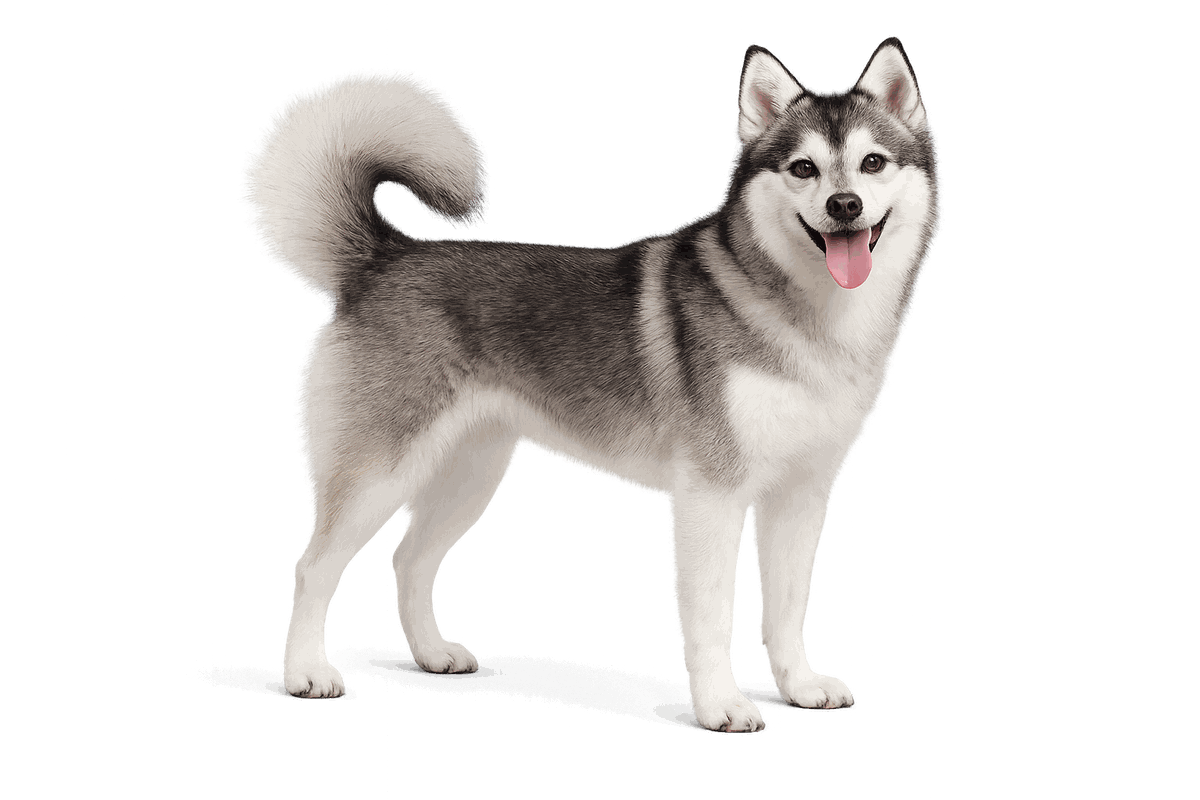
Weight
6-25 lb
Height
12-17 in
Lifespan
13-16 yrs
Coat
Double Medium
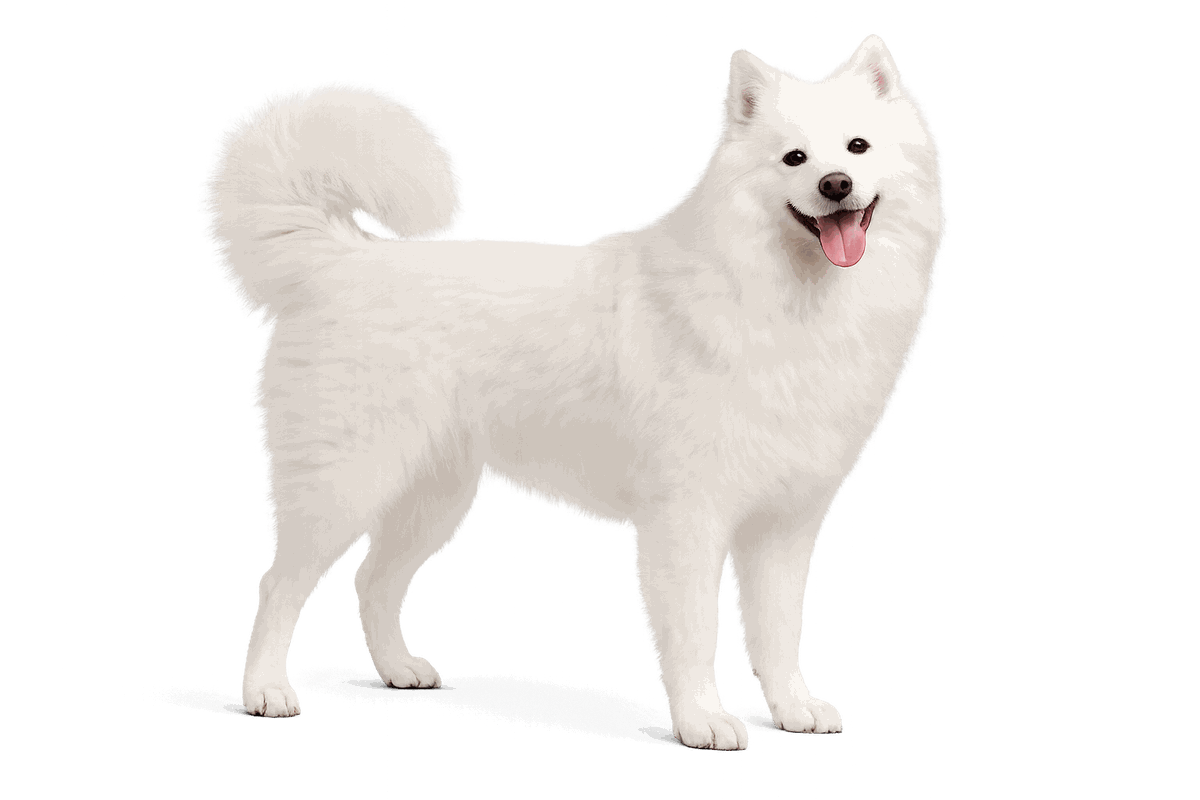
The Alaskan Klee Kai is a small companion-sized northern spitz from Alaska, known for its mask, alert nature, and reserved attitude with strangers.
Official, native, and commonly used variants
No widely used alternate names are recorded for this breed.
Weight
6-25 lb
Height
12-17 in
Lifespan
13-16 yrs
Coat
Double Medium
At A Glance
A quick read on energy, upkeep, and what day-to-day life with this breed usually feels like.
Energy
Moderate
Barking
Moderate
Drooling
Low
Shedding
Moderate
Grooming
2/5
First-time owner
Yes
The Alaskan Klee Kai was developed in Alaska by Linda Spurlin and her family as a companion-sized northern spitz resembling the Alaskan Husky. UKC recognizes toy, miniature, and standard size varieties, all intended to remain small to medium-sized, with a wedge-shaped head, prick ears, curled tail, double coat, and distinct contrasting facial mask.
This breed is curious, intelligent, active, quick, agile, loyal, and alert. It can be devoted to its owners and a sharp watchdog, but many Alaskan Klee Kai are aloof with unfamiliar people and situations. Good ownership means early socialization, calm visitor routines, training for handling and grooming, and enough daily activity to prevent noise or nervous habits.
The double coat is natural and moderately shedding, with heavier seasonal shedding. Coat colors are shades of black, gray, or red with required contrasting markings. The breed can suit apartments because of size, but only when barking, stranger sensitivity, and enrichment are managed deliberately.
This breed tends to suit homes looking for a adaptable, alert, bright companion, with daily rhythms shaped by moderate energy, moderate barking, and low drooling.
Coat type
Double
Coat length
Medium
Shedding
Moderate
Colors
Black and White, Gray and White, Red and White
Good size for apartments, but not automatically easy. Manage barking, visitors, and under-stimulation from the start.
Alertness is normal. Reward quiet observation, prevent window rehearsals, and avoid forcing interactions with unfamiliar people.
Use upbeat reward-based training with short sessions. Confidence-building and socialization are as important as obedience cues.
The double coat should stay natural. Brush regularly, expect seasonal shedding, and maintain nails, teeth, ears, and paw pads.
Most Alaskan Klee Kai need 45 to 60 minutes of daily activity through walks, play, training, and puzzle work. They are small, but they are active northern-type dogs, not decorative lapdogs.
Brush the double coat weekly and more often during seasonal shedding. Do not shave the coat; keep nails, ears, paw pads, and teeth on a routine.
Use short, reward-based sessions with special attention to socialization, recall, door manners, handling, and confidence around unfamiliar people. Avoid forcing interactions with strangers.
Feed measured small-dog portions based on the dog's size variety, age, and activity level. Keep body condition lean and ask a veterinarian about any weight, dental, or digestive concerns.
Energy level
Moderate
Barking level
Moderate
Drooling level
Low
Watchdog ability
3/5
Guard dog ability
2/5
Climate tolerance
Common concerns to discuss with your vet and breeder.
This profile was researched from established breed and canine-care references. Breed tendencies describe typical patterns, not a guarantee for every individual dog.
Reviewed by the Dogs Index Editorial Team. For health or behavior concerns, consult a veterinarian or appropriately qualified professional.
Our Shop
Browse practical products for feeding, grooming, cleanup, enrichment, and smoother daily routines.