Apartment fit
The Lundehund can live in an apartment when barking, exercise, and safe containment are handled, but health management remains the bigger issue.
 Norway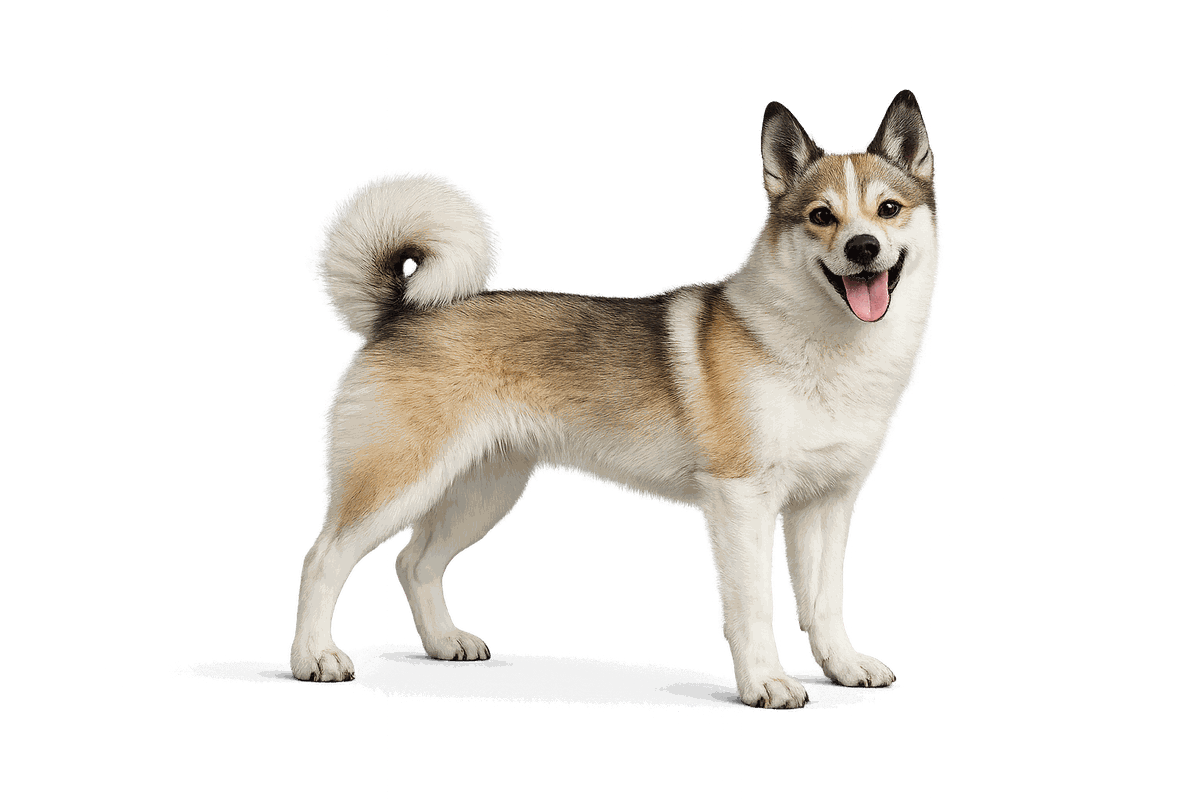
Weight
20-30 lb
Height
12-15 in
Lifespan
12-15 yrs
Coat
Double Medium
The Norwegian Lundehund is a small Norwegian spitz bred for puffin hunting, famous for extra toes, flexible joints, and a unique digestive health risk.
Official, native, and commonly used variants
Weight
20-30 lb
Height
12-15 in
Lifespan
12-15 yrs
Coat
Double Medium
At A Glance
A quick read on energy, upkeep, and what day-to-day life with this breed usually feels like.
Energy
Moderate
Barking
Moderate
Drooling
Low
Shedding
Moderate
Grooming
2/5
First-time owner
No
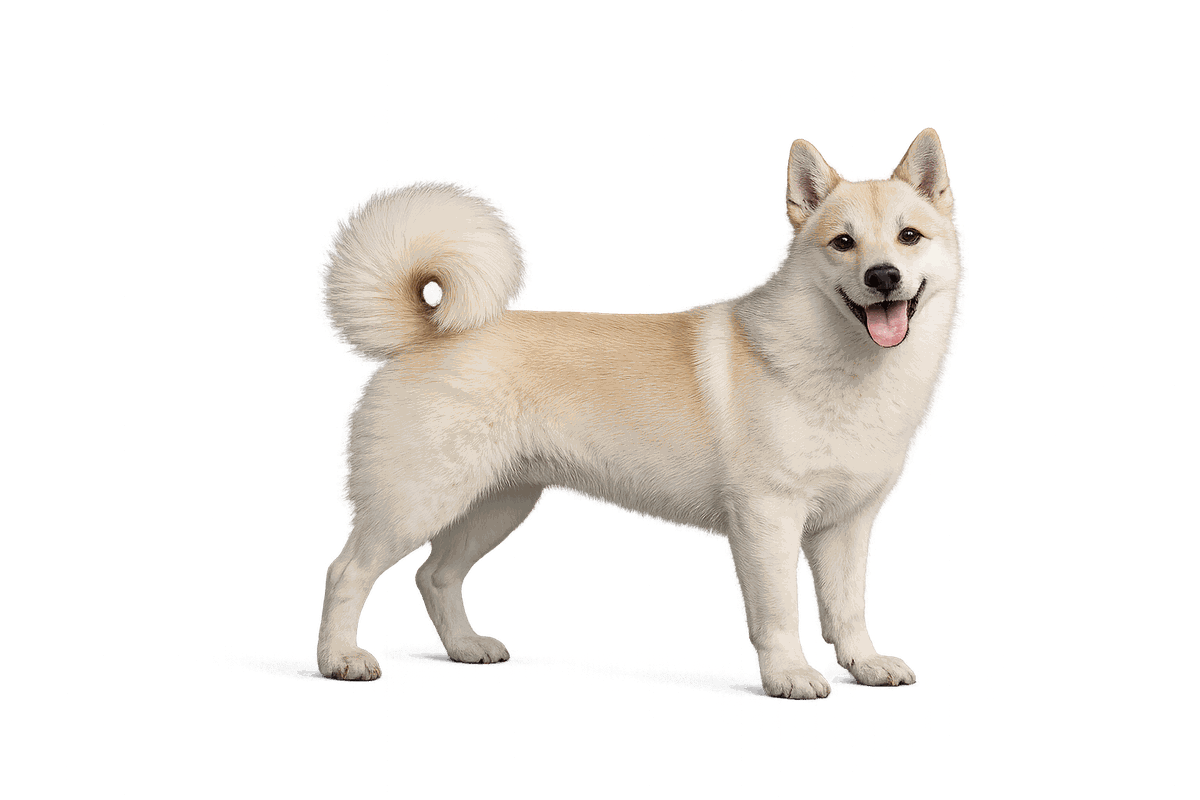
The Norwegian Lundehund is one of the most unusual dog breeds. It was developed on Norwegian islands to climb cliffs and hunt puffins, a job that shaped its extra toes, flexible shoulders, mobile ears, and ability to bend its head back farther than most dogs.
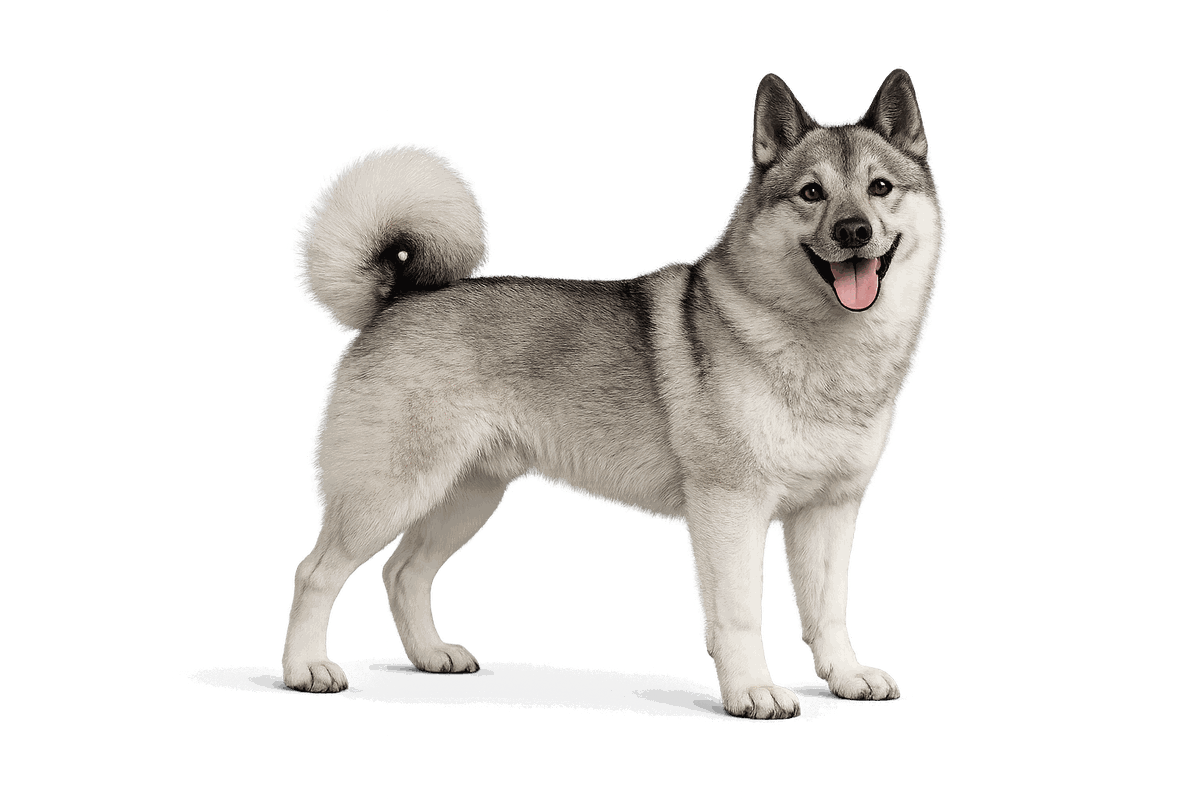
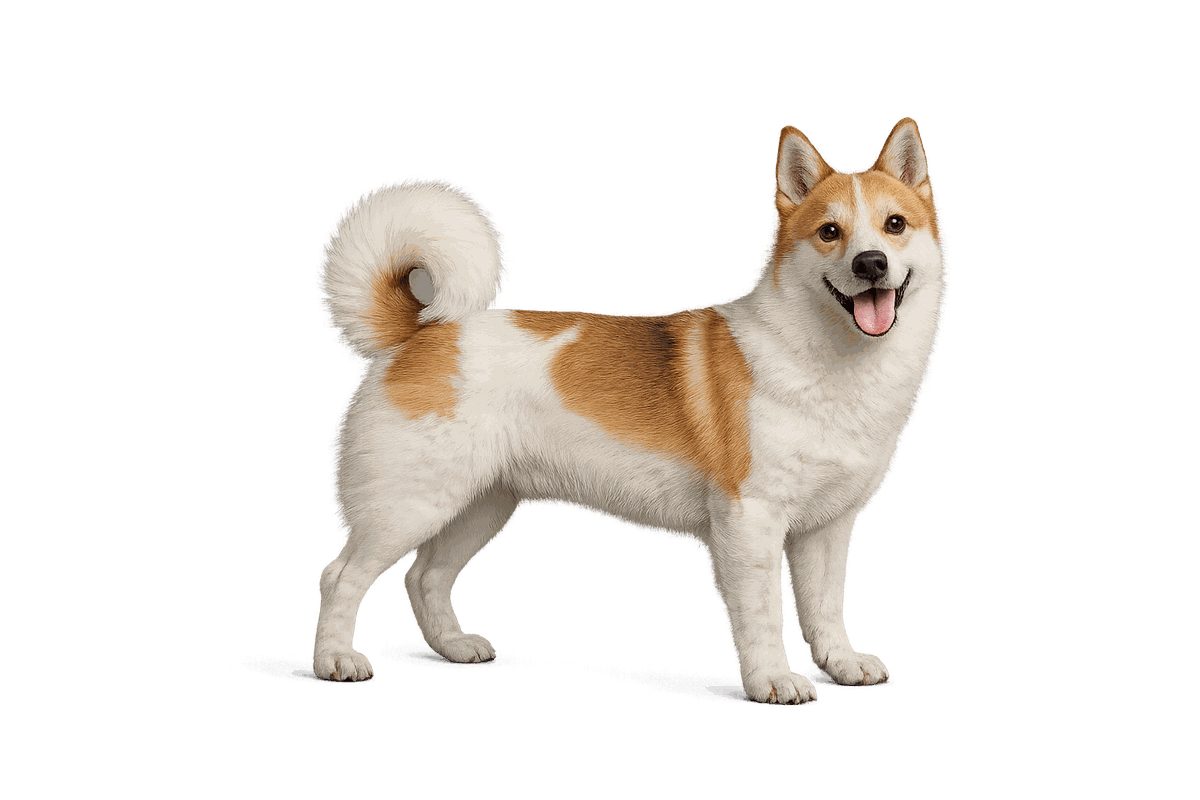
Adults are small, typically around 12 to 15 inches tall. The double coat is dense and weather-resistant, commonly reddish-brown to fallow with white markings and darker hair tips. Its body is light, agile, and built for climbing rather than power.
The Lundehund can be alert, playful, and affectionate, but it is also primitive, independent, and medically special. Lundehund syndrome, an intestinal disorder associated with protein loss and digestive problems, is a major breed concern. Owners should choose breeders carefully and have a veterinarian familiar with the breed's health risks.
This breed tends to suit homes looking for a alert, agile, independent companion, with daily rhythms shaped by moderate energy, moderate barking, and low drooling.
Coat type
Double
Coat length
Medium
Shedding
Moderate
Colors
Reddish Brown and White, Fallow and White, Tan and White
The Lundehund can live in an apartment when barking, exercise, and safe containment are handled, but health management remains the bigger issue.
Expect alert spitz behavior. Reward quiet observation and give safe exploration outlets.
Use patient rewards and low-pressure consistency. The breed is clever but not always eager to repeat drills.
Brush weekly, manage seasonal shedding, and inspect every toe and nail carefully.
Provide daily walks, climbing-safe enrichment, training games, and exploration. Avoid unsafe jumping or situations where flexibility tempts the dog into risky places.
Brush weekly and more during shedding. Check the extra toes and nails carefully because the feet are unusual and easy to overlook.
Use patient reward-based training and careful socialization. Lundehunds can be independent and sensitive, so pressure-based training is a poor fit.
Work with a veterinarian on diet because Lundehund syndrome and digestive sensitivity are major breed concerns. Monitor weight, stool quality, appetite, and energy closely.
Energy level
Moderate
Barking level
Moderate
Drooling level
Low
Watchdog ability
3/5
Guard dog ability
1/5
Climate tolerance
Common concerns to discuss with your vet and breeder.
This profile was researched from established breed and canine-care references. Breed tendencies describe typical patterns, not a guarantee for every individual dog.
Reviewed by the Dogs Index Editorial Team. For health or behavior concerns, consult a veterinarian or appropriately qualified professional.
Our Shop
Browse practical products for feeding, grooming, cleanup, enrichment, and smoother daily routines.