Apartment fit
Shibas can be apartment-capable because they are small and clean, but they still need exercise, shedding management, and careful control around doorways and elevators.
 Japan
Japan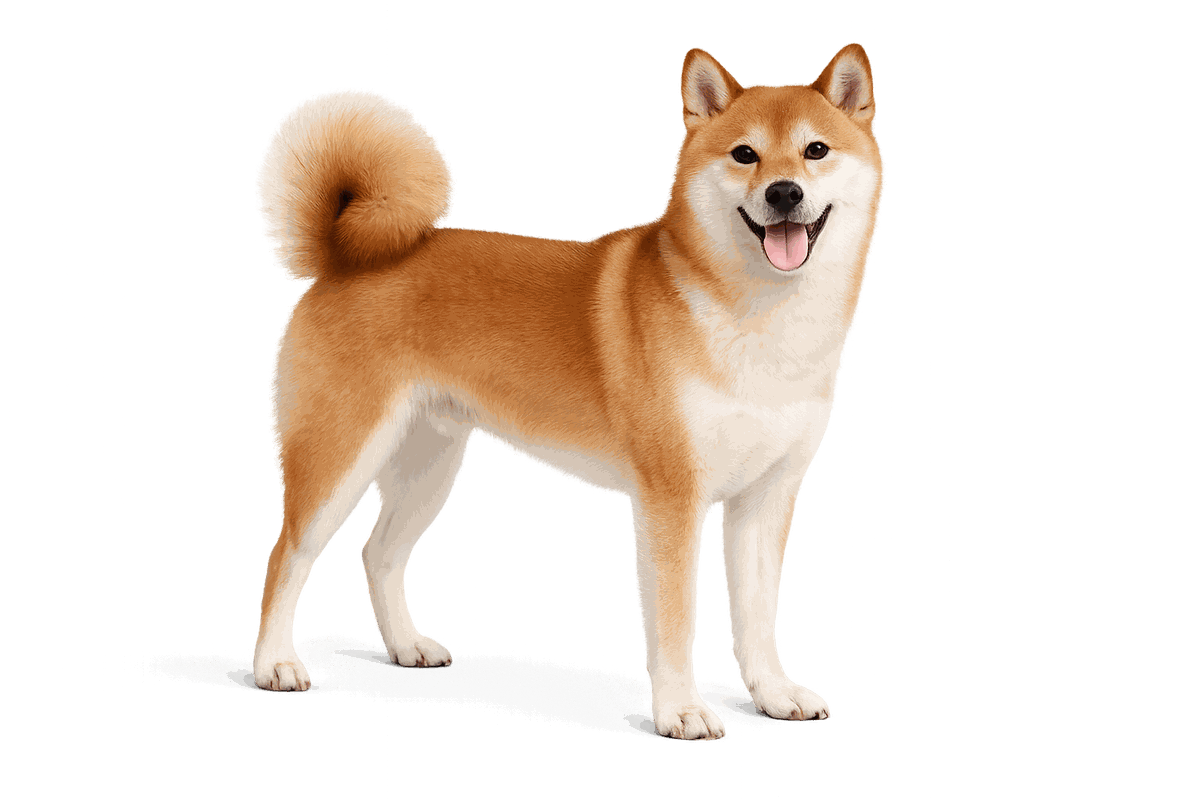
Weight
17-23 lb
Height
13.5-16.5 in
Lifespan
13-16 yrs
Coat
Double Medium
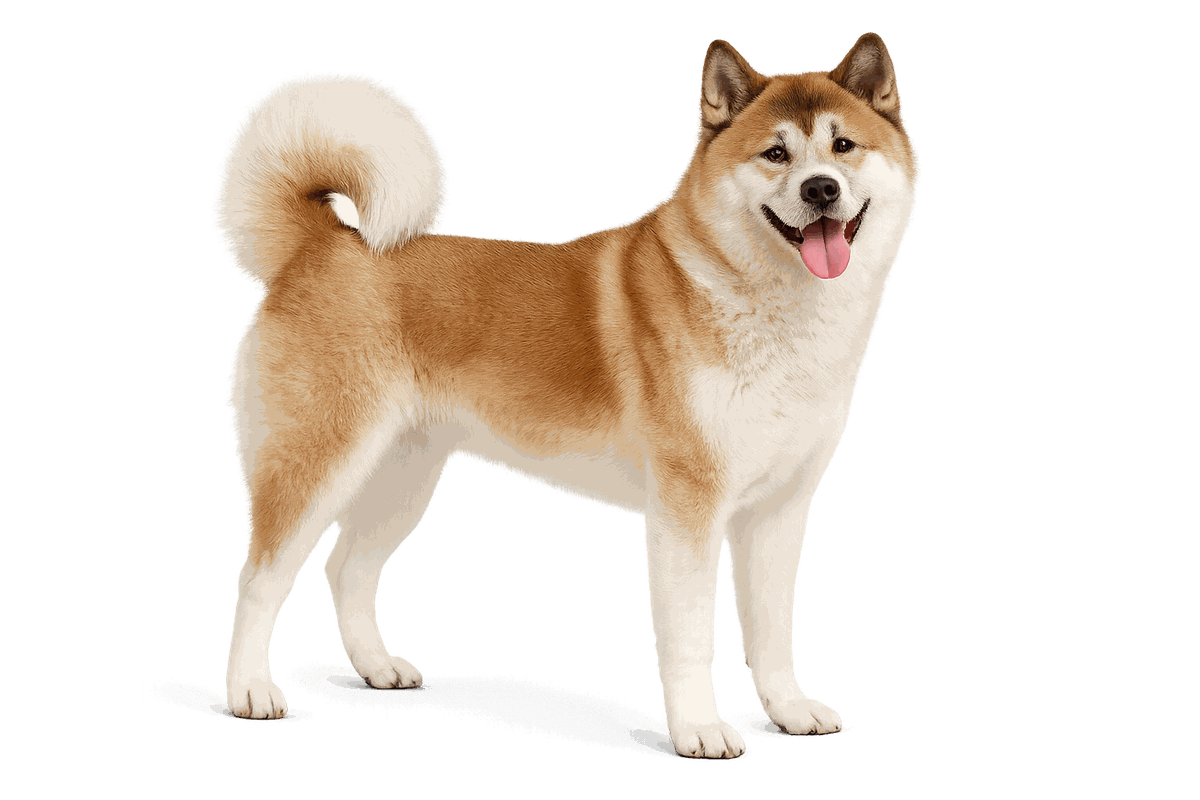
The Shiba Inu is a small Japanese spitz, alert, independent, clean, and bold, with a dense double coat and strong prey drive.
Official, native, and commonly used variants
Weight
17-23 lb
Height
13.5-16.5 in
Lifespan
13-16 yrs
Coat
Double Medium
At A Glance
A quick read on energy, upkeep, and what day-to-day life with this breed usually feels like.
Energy
Moderate
Barking
Moderate
Drooling
Low
Shedding
Heavy
Grooming
3/5
First-time owner
No
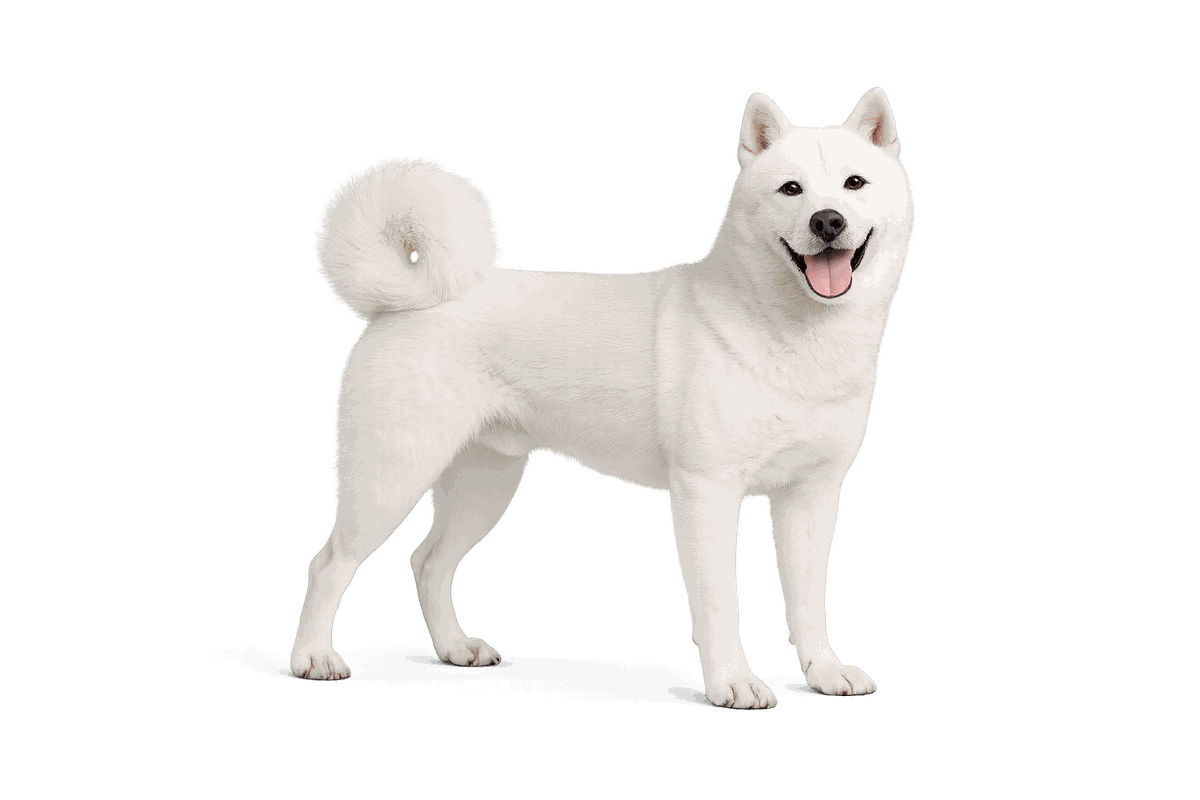
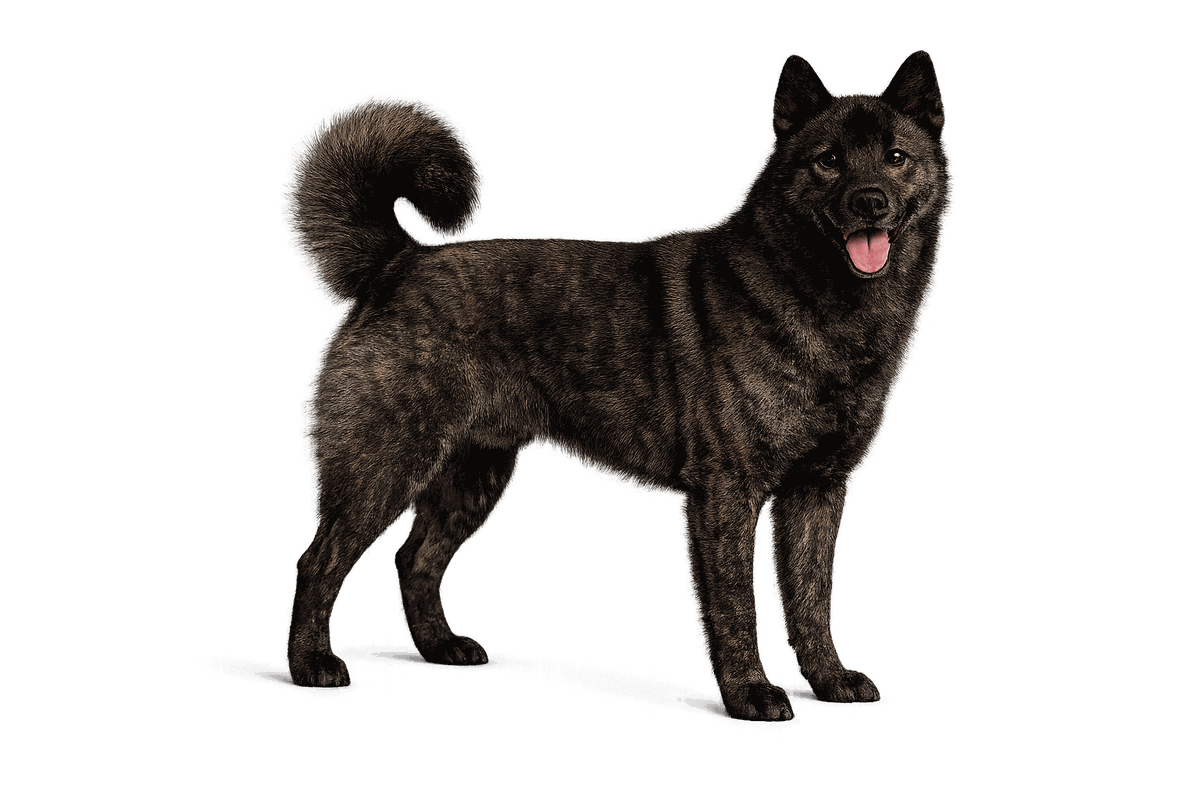
The Shiba Inu is a small native Japanese spitz originally used for hunting in rugged terrain. The standard describes a compact, well-muscled dog with pricked ears, a curled or sickle tail, and a harsh double coat. Accepted colors include red, sesame, black and tan, and cream, with urajiro markings expected in the traditional pattern.
Shibas are famous for being clean, independent, and expressive. They can be loyal and affectionate with their people, but many are reserved with strangers, selective with dogs, and unreliable off leash around prey or movement. They need owners who appreciate a thinking spitz rather than a biddable obedience dog.
Grooming is simple most weeks but intense during coat blow. Training should prioritize handling, recall foundations, resource manners, calm dog exposure, and safe confinement. Health conversations should include patellas, hips, eyes, allergies, dental care, and weight control.
This breed tends to suit homes looking for a alert, independent, loyal companion, with daily rhythms shaped by moderate energy, moderate barking, and low drooling.
Coat type
Double
Coat length
Medium
Shedding
Heavy
Colors
Red, Red sesame, Black and tan, Sesame, Cream
Shibas can be apartment-capable because they are small and clean, but they still need exercise, shedding management, and careful control around doorways and elevators.
Shibas are alert and expressive. They may bark, yodel, or scream when frustrated, but calm routines and training reduce rehearsed drama.
Use reward-based training with patience and clear boundaries. Focus on handling, trade games, recall foundations, leash manners, calm dog exposure, and preventing resource guarding.
Brush weekly and much more during seasonal coat blow. The double coat sheds heavily in cycles, and nails, teeth, ears, and skin should be checked routinely.
Most Shibas need 45 to 60 minutes of daily activity from walks, play, training, and sniffing. Secure fencing and leash management are important because prey drive and independence can override recall.
Brush weekly and much more during seasonal coat blow. The double coat sheds heavily in cycles, and nails, teeth, ears, and skin should be checked routinely.
Use reward-based training with patience and clear boundaries. Focus on handling, trade games, recall foundations, leash manners, calm dog exposure, and preventing resource guarding.
Feed measured portions to maintain a lean body. Discuss allergies, patellas, hips, eyes, dental health, and weight with your veterinarian.
Energy level
Moderate
Barking level
Moderate
Drooling level
Low
Watchdog ability
4/5
Guard dog ability
1/5
Climate tolerance
Common concerns to discuss with your vet and breeder.
This profile was researched from established breed and canine-care references. Breed tendencies describe typical patterns, not a guarantee for every individual dog.
Reviewed by the Dogs Index Editorial Team. For health or behavior concerns, consult a veterinarian or appropriately qualified professional.
Our Shop
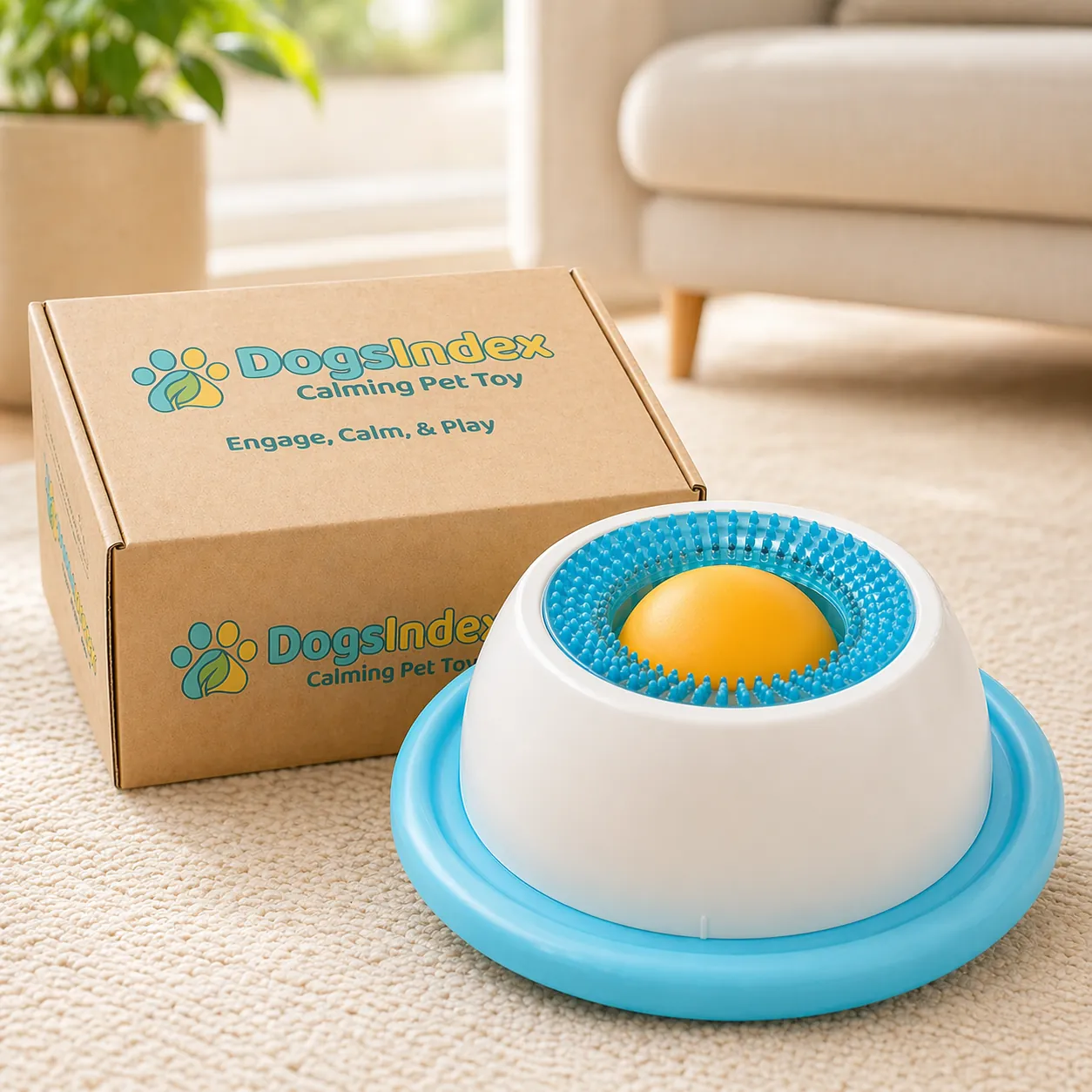
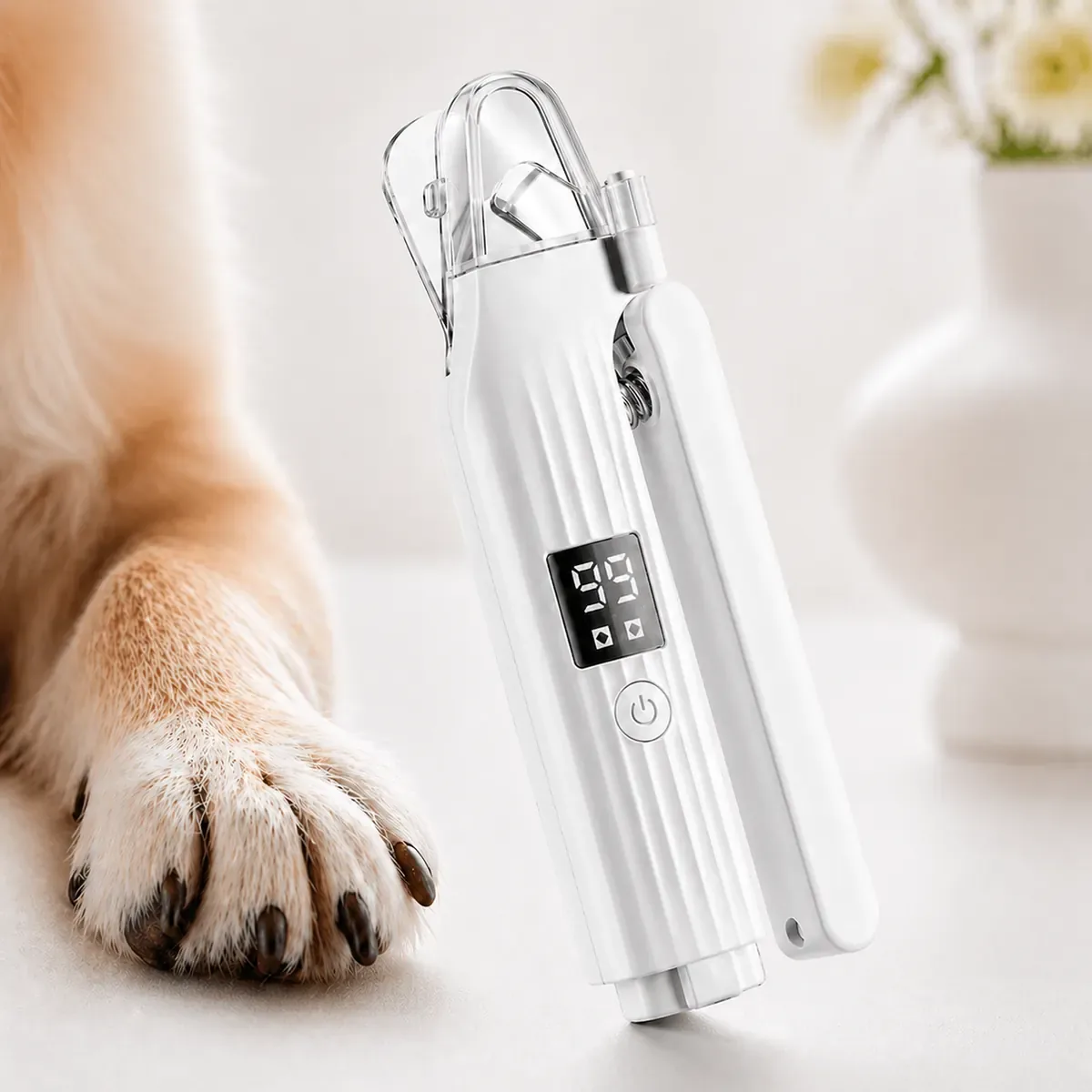
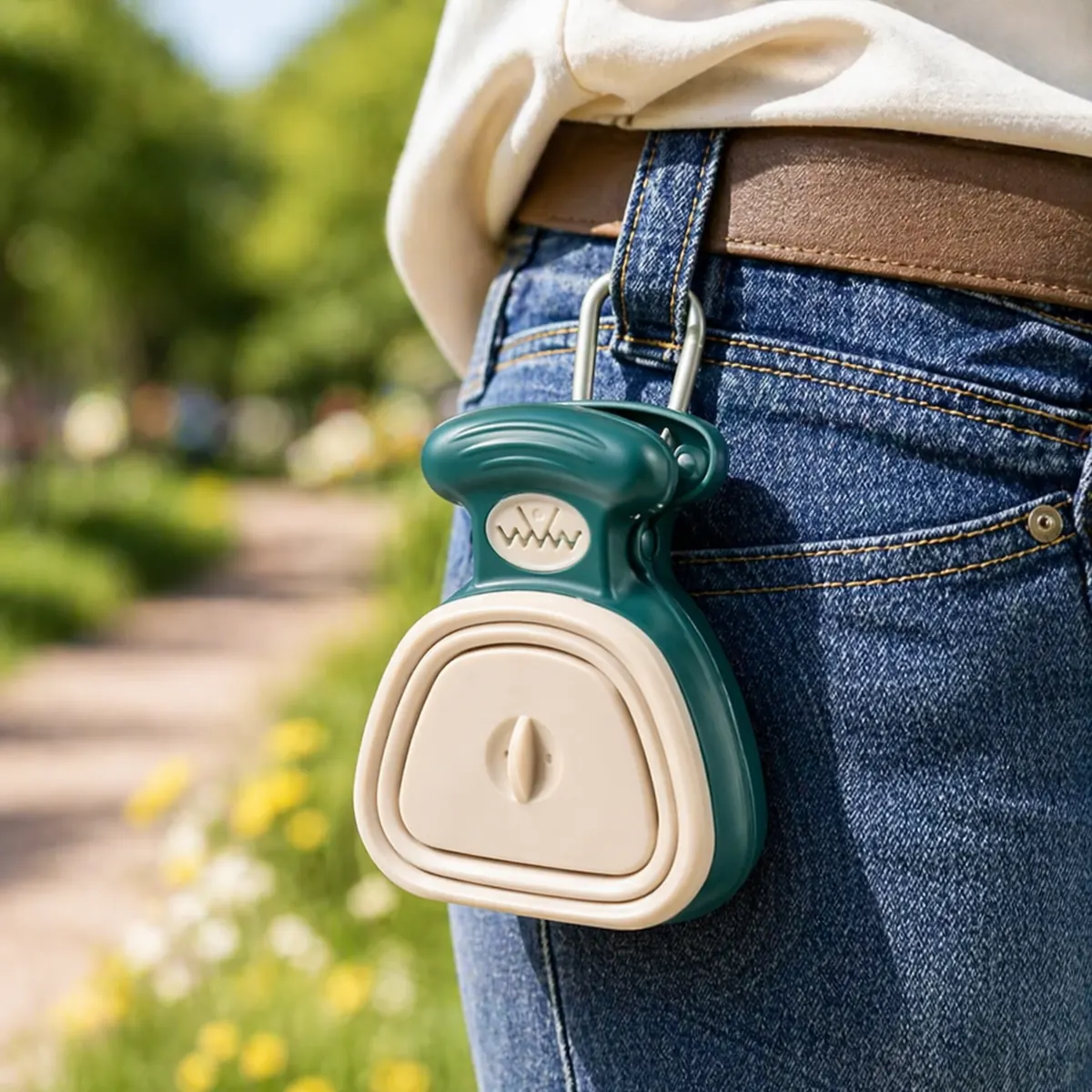
Browse practical products for feeding, grooming, cleanup, enrichment, and smoother daily routines.