Apartment fit
The Bichon Frise is one of the more apartment-friendly breeds when grooming and companionship needs are met. Hallway noise and alone time still need training.
 France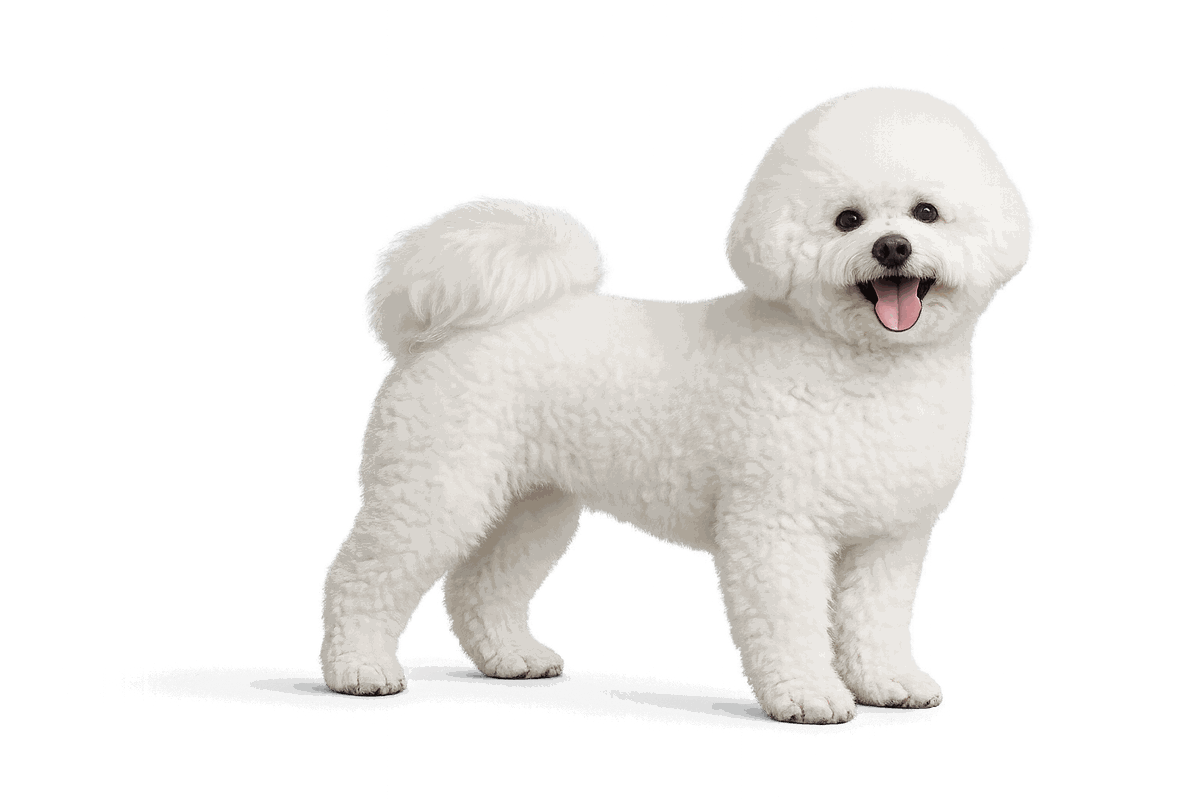
Weight
10-18 lb
Height
9.5-11.5 in
Lifespan
12-15 yrs
Coat
Curly Medium
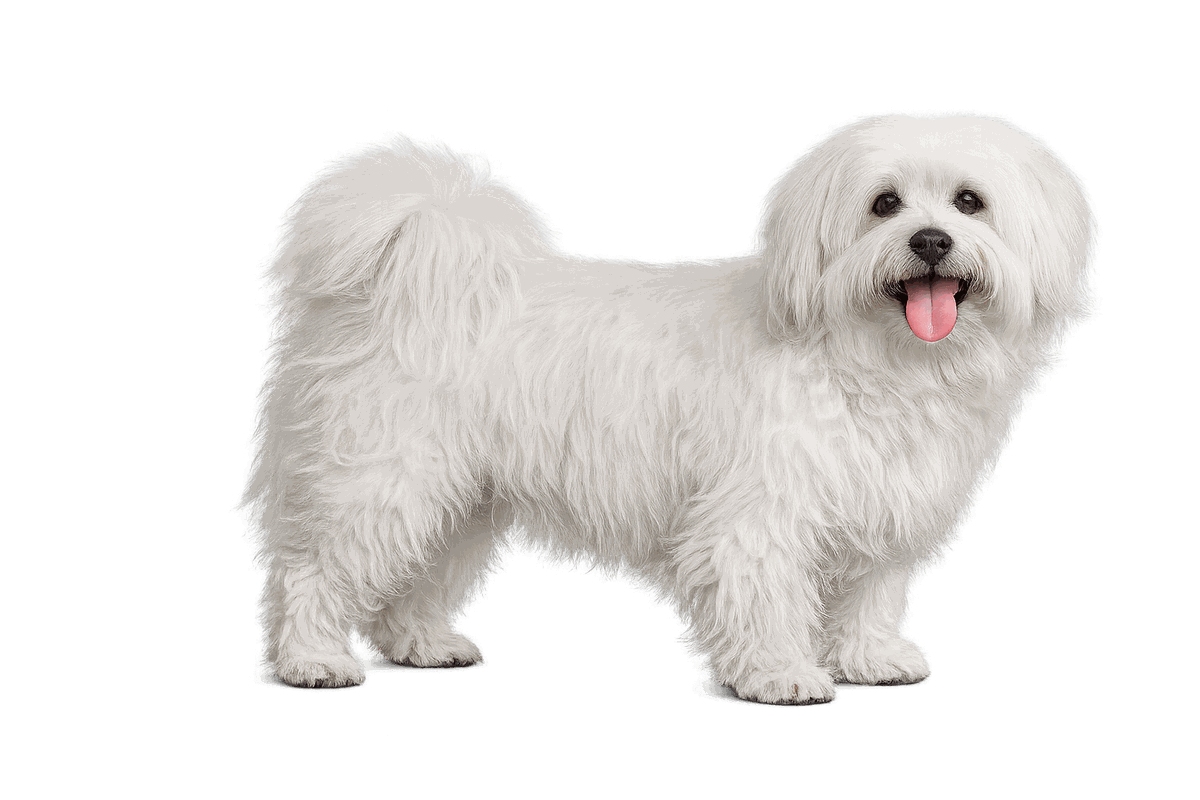
The Bichon Frise is a small cheerful companion dog with a white curly double coat, low shedding, lively trainability, and high grooming needs.
Official, native, and commonly used variants
Weight
10-18 lb
Height
9.5-11.5 in
Lifespan
12-15 yrs
Coat
Curly Medium
At A Glance
A quick read on energy, upkeep, and what day-to-day life with this breed usually feels like.
Energy
Moderate
Barking
Low
Drooling
Low
Shedding
Low
Grooming
4/5
First-time owner
Yes
The Bichon Frise is a small companion breed from the bichon family, historically linked to Mediterranean companion dogs and later refined as a cheerful household and performance companion. It is known for a bright expression, plumed tail, and white powder-puff coat.
The coat is low shedding because loose hair tends to stay caught in the undercoat, but that does not make it low maintenance. Bichons need frequent brushing, bathing, trimming, and professional grooming to prevent mats and keep the correct rounded outline.
At home, the Bichon is usually playful, sociable, and affectionate. It can suit apartments and first-time owners well, provided people are ready for grooming, dental care, training consistency, and enough companionship to prevent boredom or separation-related behavior.
This breed tends to suit homes looking for a cheerful, affectionate, playful companion, with daily rhythms shaped by moderate energy, low barking, and low drooling.
Coat type
Curly
Coat length
Medium
Shedding
Low
Colors
White, White and Apricot, White and Buff, White and Cream
The Bichon Frise is one of the more apartment-friendly breeds when grooming and companionship needs are met. Hallway noise and alone time still need training.
Bichons are usually sociable, but boredom and separation stress can create barking. Use short training games, calm departures, and predictable routines.
Use cheerful reward-based training with short sessions. House training, grooming-table manners, recall, and polite greetings should start early.
The coat sheds little but mats easily. Plan frequent brushing and professional grooming to keep the white curly coat healthy.
Most healthy adult Bichons need about 30 to 45 minutes of daily activity, split between short walks, indoor play, training games, and social time. They are small, but they still need a predictable outlet.
The curly double coat needs frequent brushing and regular professional grooming. Loose hair can stay trapped in the coat, so mats form quickly without combing, bathing, trimming, nail care, and ear checks.
Bichon Frise training should be upbeat and consistent, with rewards for house training, calm greetings, handling, recall, and short tricks or obedience games. The breed is bright and often enjoys learning.
Feed a measured small-breed diet appropriate for age and body condition. Because small companion dogs can gain weight quickly, treats used for training should be counted in the daily total.
Energy level
Moderate
Barking level
Low
Drooling level
Low
Watchdog ability
2/5
Guard dog ability
1/5
Climate tolerance
Common concerns to discuss with your vet and breeder.
This profile was researched from established breed and canine-care references. Breed tendencies describe typical patterns, not a guarantee for every individual dog.
Reviewed by the Dogs Index Editorial Team. For health or behavior concerns, consult a veterinarian or appropriately qualified professional.
Our Shop
Browse practical products for feeding, grooming, cleanup, enrichment, and smoother daily routines.