Apartment fit
Apartment life is possible only for owners who can manage barking, daily outdoor work, and secure exercise. This breed is easier in active homes with outdoor access.
 Norway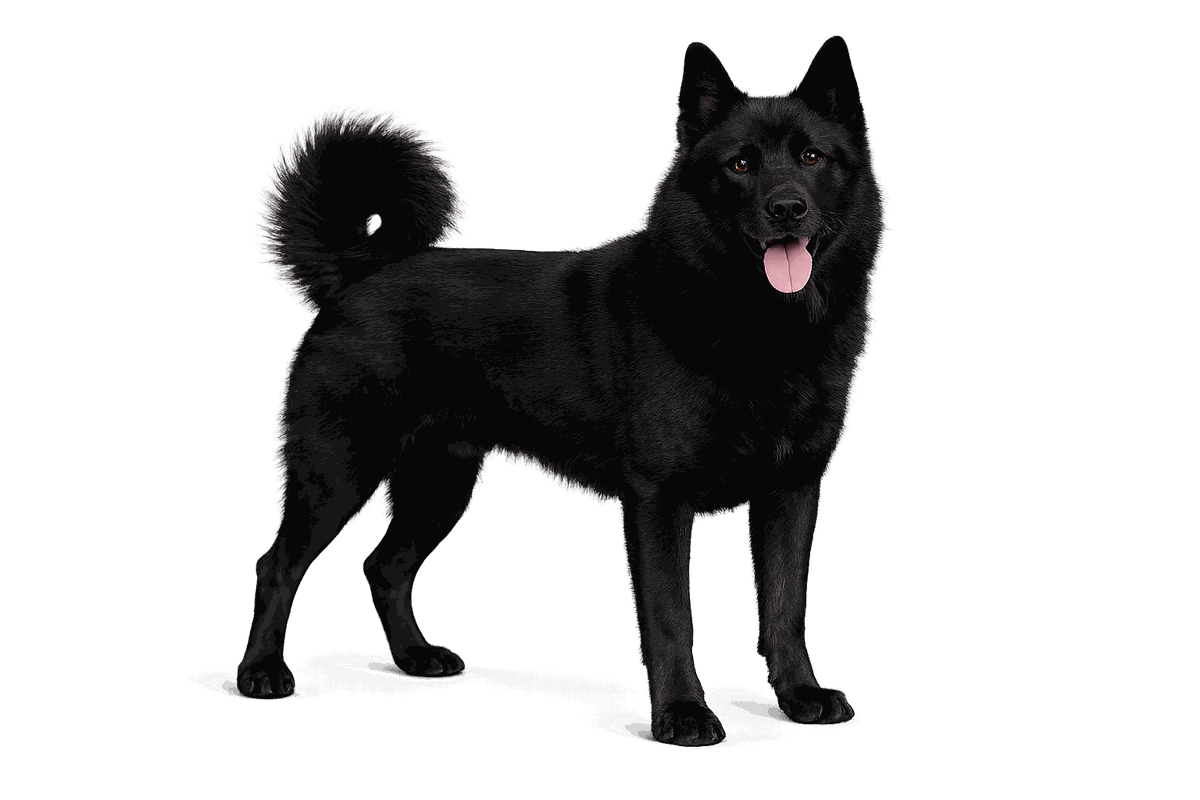
Weight
28-55 lb
Height
16.9-19.3 in
Lifespan
11-14 yrs
Coat
Double Medium
The Black Norwegian Elkhound is a compact Norwegian hunting spitz with a black double coat, curled tail, bold voice, and strong tracking instinct.
Official, native, and commonly used variants
Weight
28-55 lb
Height
16.9-19.3 in
Lifespan
11-14 yrs
Coat
Double Medium
At A Glance
A quick read on energy, upkeep, and what day-to-day life with this breed usually feels like.
Energy
Moderate
Barking
Moderate
Drooling
Moderate
Shedding
Moderate
Grooming
2/5
First-time owner
No
The Black Norwegian Elkhound, or Norsk Elghund Sort, is a Norwegian hunting spitz recognized by the FCI as a separate breed from the gray Norwegian Elkhound. It is compact, square, agile, and traditionally used for hunting large game such as elk.
This is not a large hound in the loose sporting sense. It is a Nordic spitz with prick ears, a tightly curled tail, a weather-resistant black double coat, and a bold, alert temperament. Owners should expect independence, voice, and strong interest in wildlife.
The breed is rare outside Scandinavia and best suited to active owners who understand spitz behavior. It needs daily exercise, secure containment, socialization, and training that channels hunting drive without expecting soft companion-dog compliance.
This breed tends to suit homes looking for a bold, alert, energetic companion, with daily rhythms shaped by moderate energy, moderate barking, and moderate drooling.
Coat type
Double
Coat length
Medium
Shedding
Moderate
Colors
Black
Apartment life is possible only for owners who can manage barking, daily outdoor work, and secure exercise. This breed is easier in active homes with outdoor access.
The Black Norwegian Elkhound is naturally vocal and watchful. Teach quiet cues, provide scent outlets, and manage window or yard triggers.
Use reward-based training, high-value reinforcement, and consistent boundaries. Recall should be practiced, but containment around wildlife remains essential.
The black double coat needs regular brushing and extra work during shedding seasons. Check paws and coat after rough outdoor activity.
Most healthy adult Black Norwegian Elkhounds need at least 45 to 60 minutes of daily activity, with hiking, sniffing, tracking games, and secure off-leash space where legal and safe.
The black double coat needs regular brushing and more work during seasonal shedding. Check nails, ears, teeth, and paws after rough ground or winter conditions.
Training should focus on recall foundations, leash control, calm barking cues, and wildlife management. This spitz is intelligent but independent, so rewards and consistency work better than force.
Feed a measured diet appropriate for an active medium spitz, adjusting for season, workload, and body condition.
Energy level
Moderate
Barking level
Moderate
Drooling level
Moderate
Watchdog ability
3/5
Guard dog ability
1/5
Climate tolerance
Common concerns to discuss with your vet and breeder.
This profile was researched from established breed and canine-care references. Breed tendencies describe typical patterns, not a guarantee for every individual dog.
Reviewed by the Dogs Index Editorial Team. For health or behavior concerns, consult a veterinarian or appropriately qualified professional.
Our Shop
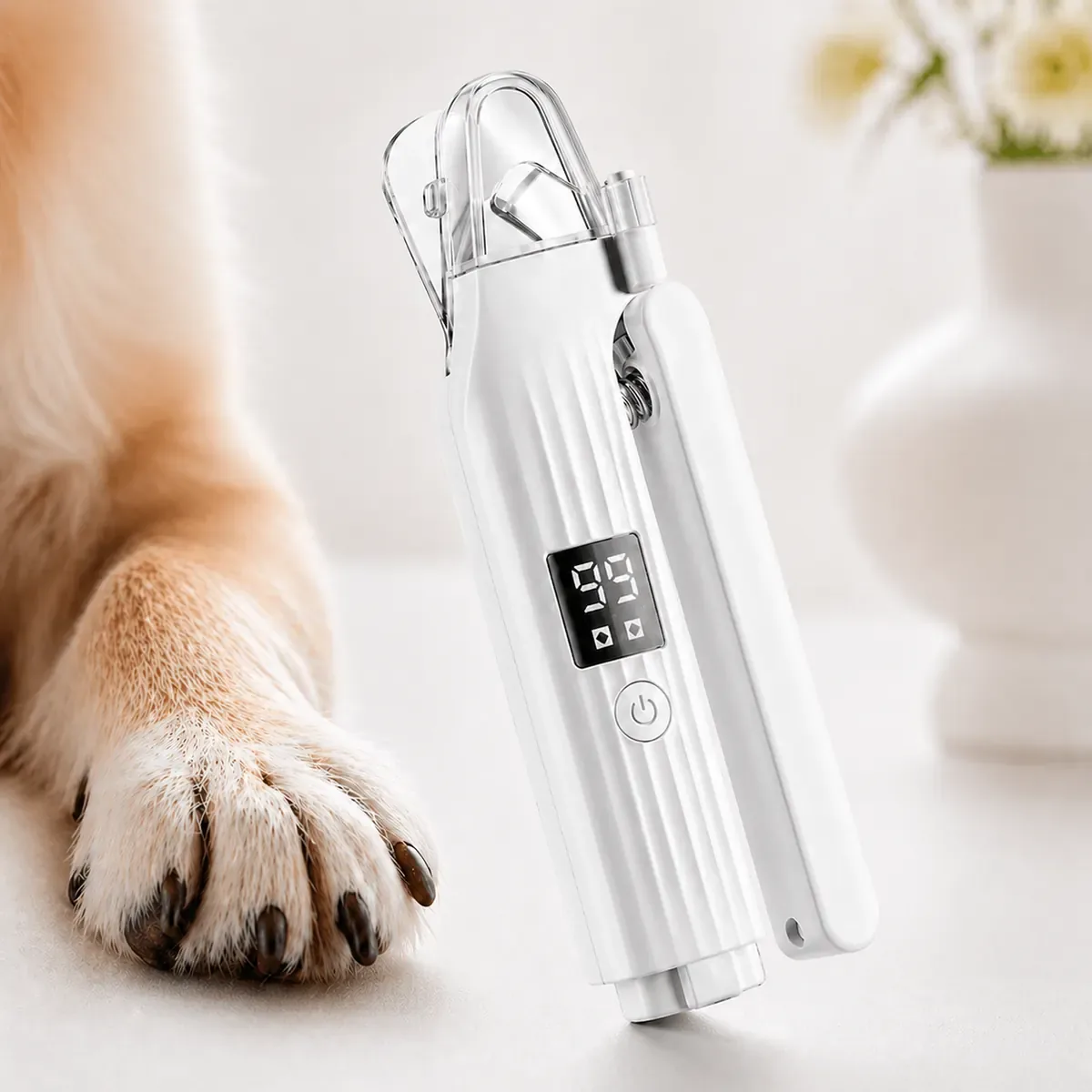
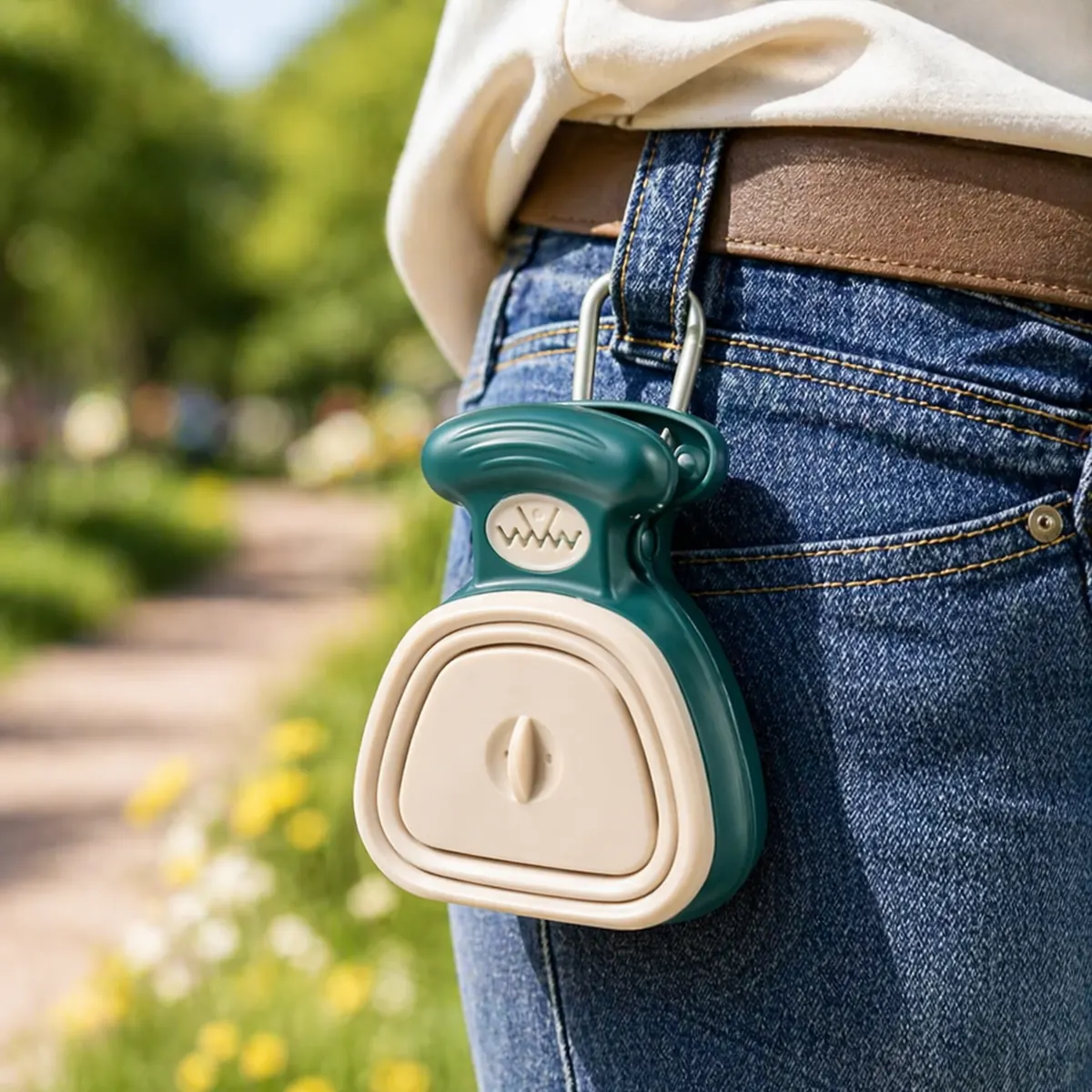
Browse practical products for feeding, grooming, cleanup, enrichment, and smoother daily routines.