Apartment fit
A Shikoku is usually difficult in apartments because of exercise needs, prey drive, and sensitivity to busy environments. A very committed owner can manage it, but rural or suburban access is easier.
 Japan
Japan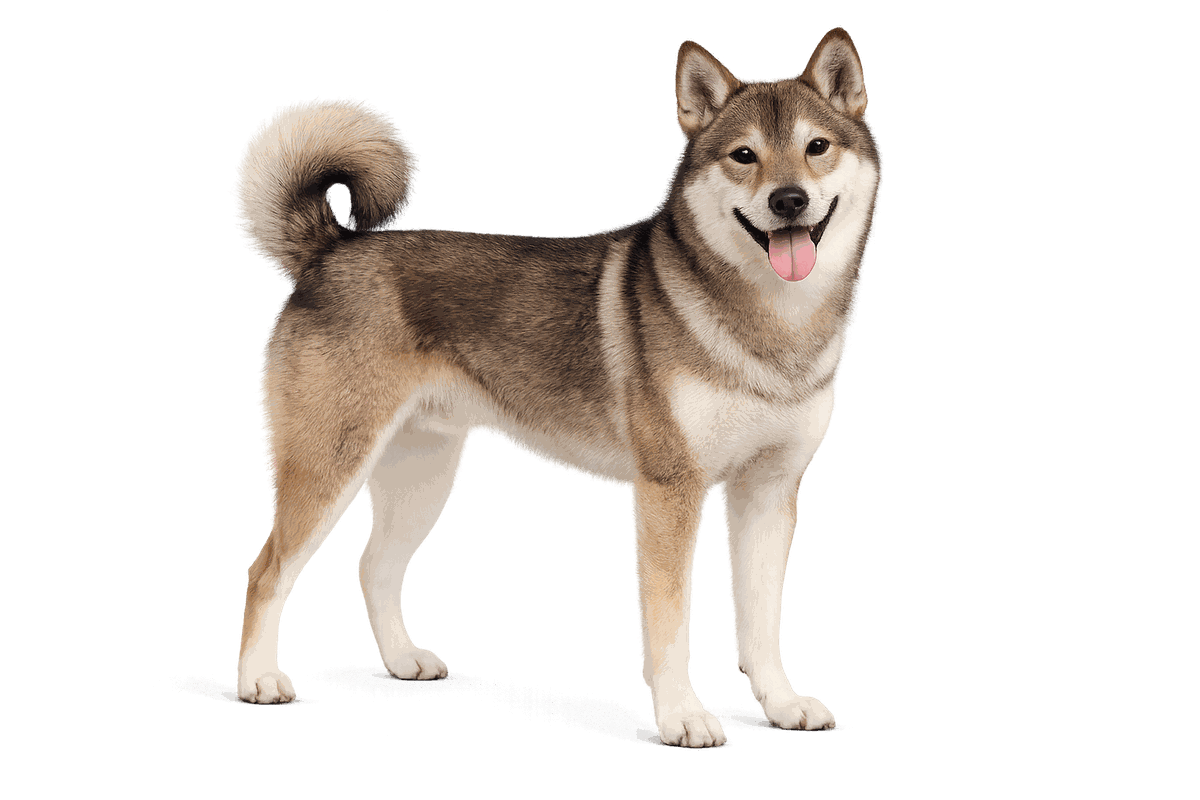
Weight
35-55 lb
Height
17-21.5 in
Lifespan
10-12 yrs
Coat
Double Medium
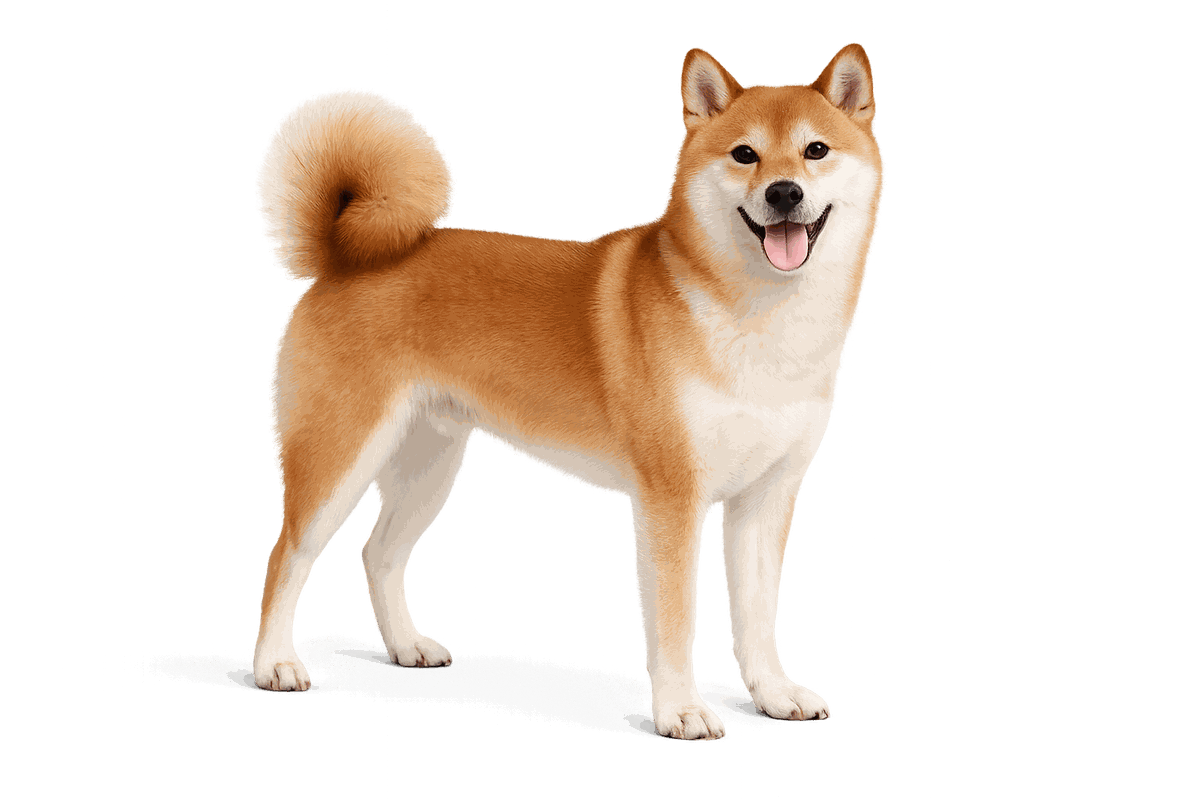
The Shikoku is a medium Japanese hunting spitz, energetic, alert, and loyal, with a sesame double coat and strong prey drive.
Official, native, and commonly used variants
Weight
35-55 lb
Height
17-21.5 in
Lifespan
10-12 yrs
Coat
Double Medium
At A Glance
A quick read on energy, upkeep, and what day-to-day life with this breed usually feels like.
Energy
High
Barking
Moderate
Drooling
Low
Shedding
Moderate
Grooming
3/5
First-time owner
No
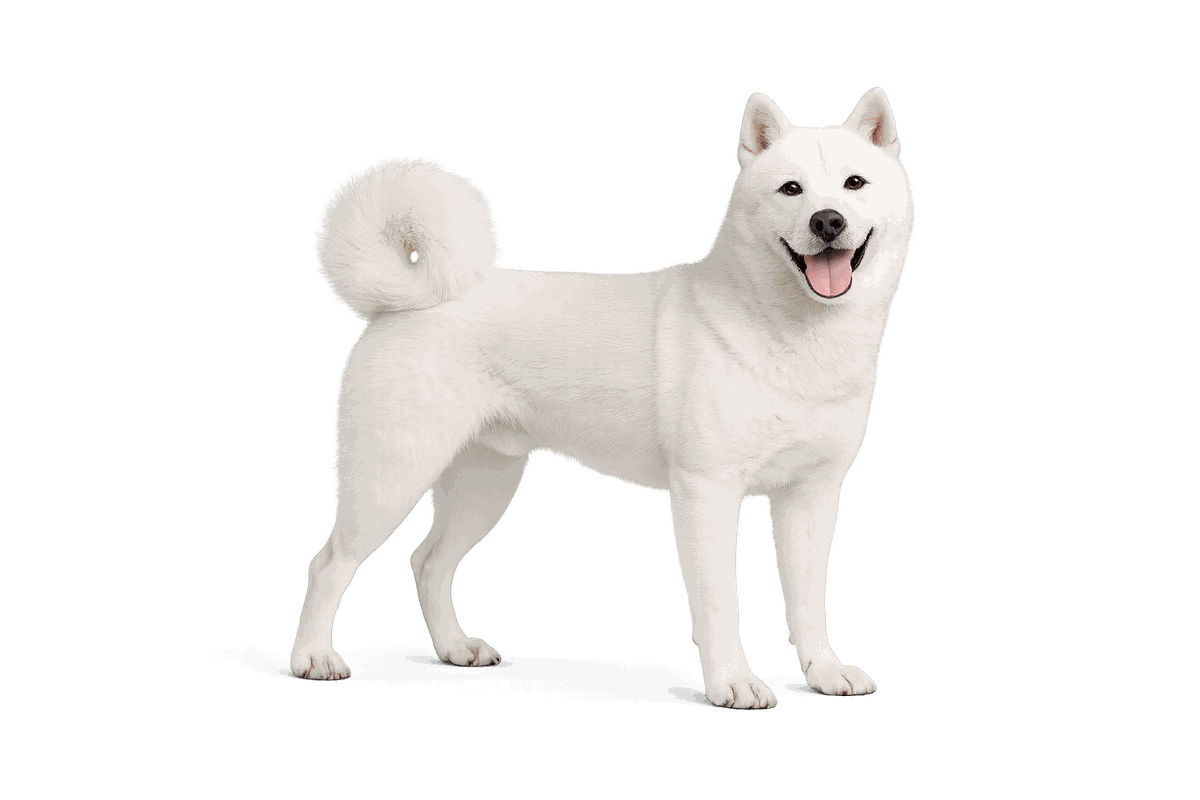
The Shikoku, or Shikoku Ken, is a native Japanese spitz from the mountainous island of Shikoku. The FCI standard describes a medium-sized dog with marked endurance, keen senses, energetic movement, and an alert temperament. Traditional colors are sesame, black sesame, and red sesame.
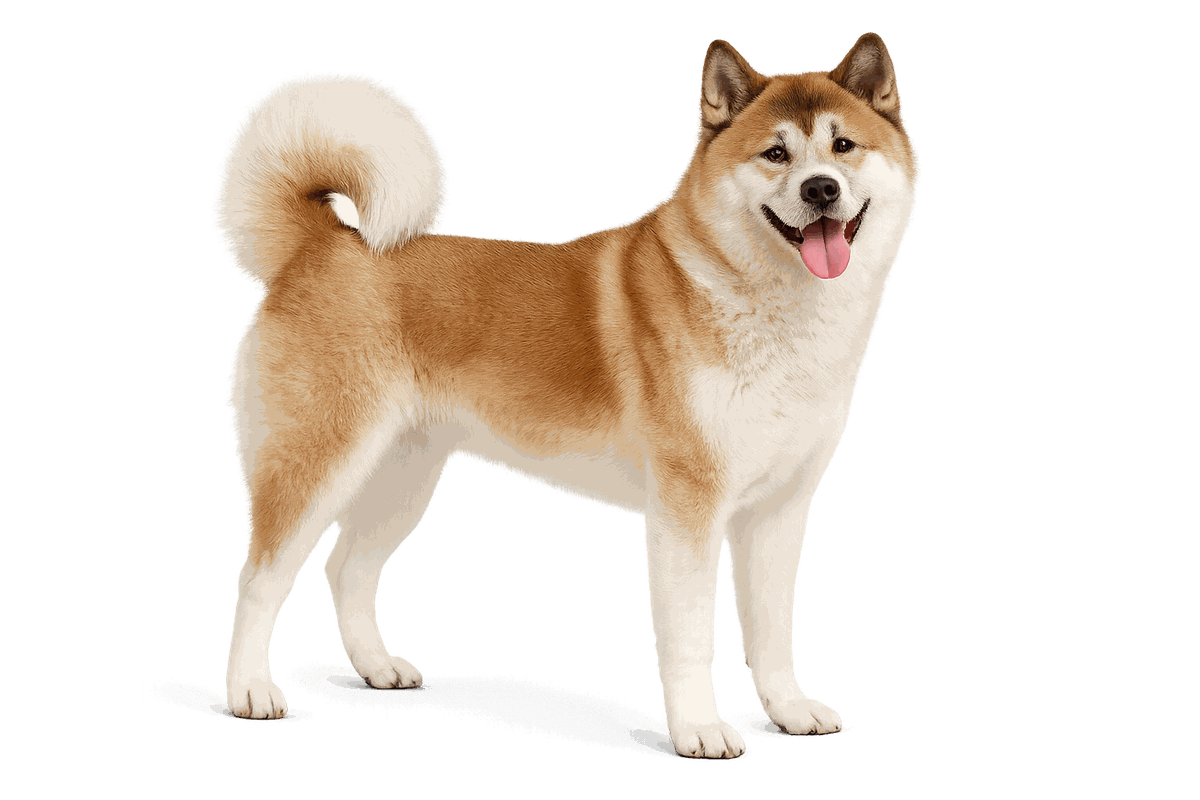
This breed is larger and more intense than the Shiba Inu for many homes. It is athletic, agile, and often highly aware of wildlife and movement. A Shikoku can bond strongly with its family, but it needs socialization, secure fencing, leash reliability, and owners who understand primitive hunting-spitz behavior.
The double coat is practical and weather-resistant, with seasonal shedding. Exercise should include long walks, hiking, training, and safe running rather than dog-park chaos. Health planning should include hips, eyes, patellas, allergies, and injuries from high-speed outdoor activity.
This breed tends to suit homes looking for a energetic, alert, loyal companion, with daily rhythms shaped by high energy, moderate barking, and low drooling.
Coat type
Double
Coat length
Medium
Shedding
Moderate
Colors
Sesame, Black sesame, Red sesame
A Shikoku is usually difficult in apartments because of exercise needs, prey drive, and sensitivity to busy environments. A very committed owner can manage it, but rural or suburban access is easier.
Shikoku are alert, energetic, and quick to notice movement. Behavior management should prioritize calm exposure, secure leashes, and safe distance from triggers.
Use patient reward-based training with strong management. Build recall foundations, leash manners, handling, calm dog exposure, and impulse control around wildlife.
Brush weekly and more often during seasonal shedding. Check feet, nails, skin, and ears after hiking or rough terrain.
Most Shikoku need 60 to 90 minutes or more of daily activity, ideally with hiking, long walks, training, and secure running. Prey drive makes off-leash freedom risky outside fenced areas.
Brush weekly and more often during seasonal shedding. Check feet, nails, skin, and ears after hiking or rough terrain.
Use patient reward-based training with strong management. Build recall foundations, leash manners, handling, calm dog exposure, and impulse control around wildlife.
Feed for lean athletic condition and adjust calories for work level. Discuss hips, eyes, patellas, allergies, and injury prevention with your veterinarian.
Energy level
High
Barking level
Moderate
Drooling level
Low
Watchdog ability
4/5
Guard dog ability
1/5
Climate tolerance
Common concerns to discuss with your vet and breeder.
This profile was researched from established breed and canine-care references. Breed tendencies describe typical patterns, not a guarantee for every individual dog.
Reviewed by the Dogs Index Editorial Team. For health or behavior concerns, consult a veterinarian or appropriately qualified professional.
Our Shop
Browse practical products for feeding, grooming, cleanup, enrichment, and smoother daily routines.