Apartment fit
Apartment life is possible only for very active owners who manage exercise, barking, and prey drive. The breed is usually easier in homes with secure outdoor access.
 Japan
Japan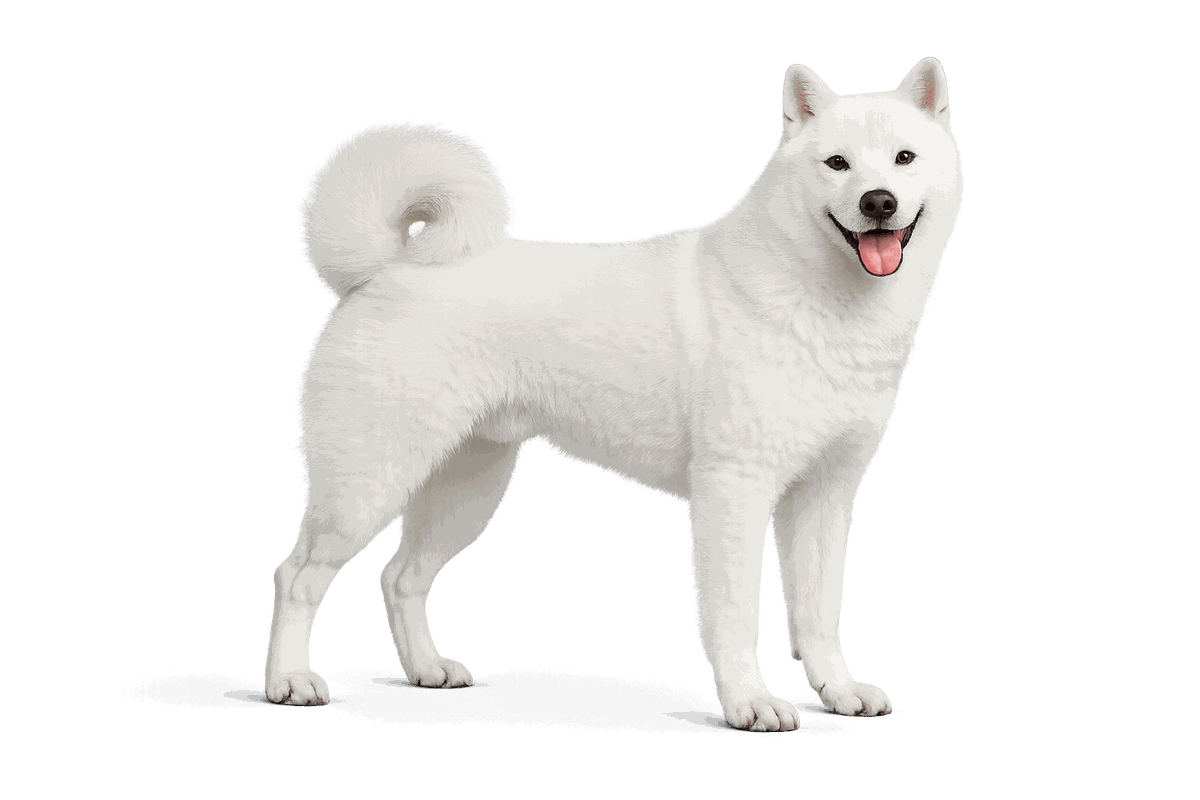
Weight
30-60 lb
Height
17.7-20.5 in
Lifespan
11-14 yrs
Coat
Double Medium
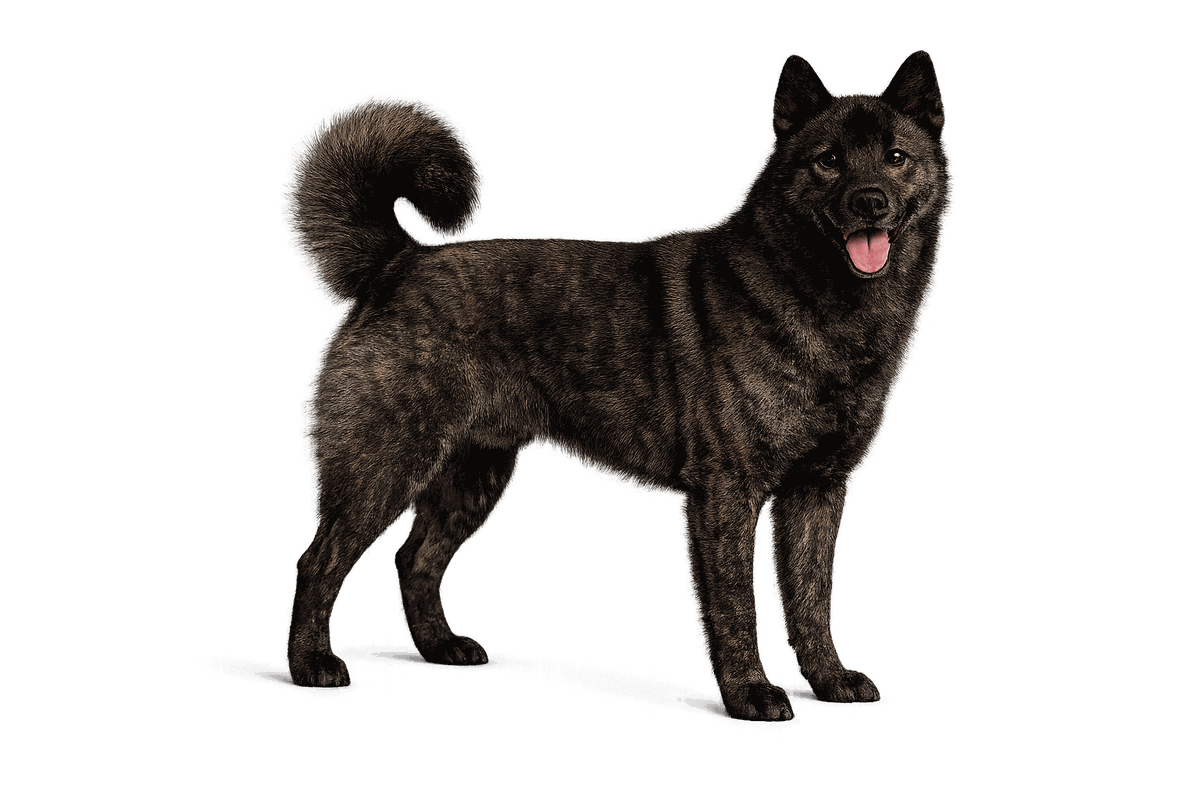
The Kishu Ken is a medium Japanese hunting spitz, most often white, known for endurance, dignity, loyalty, and strong prey drive.
Official, native, and commonly used variants
Weight
30-60 lb
Height
17.7-20.5 in
Lifespan
11-14 yrs
Coat
Double Medium
At A Glance
A quick read on energy, upkeep, and what day-to-day life with this breed usually feels like.
Energy
High
Barking
Moderate
Drooling
Low
Shedding
High
Grooming
3/5
First-time owner
No
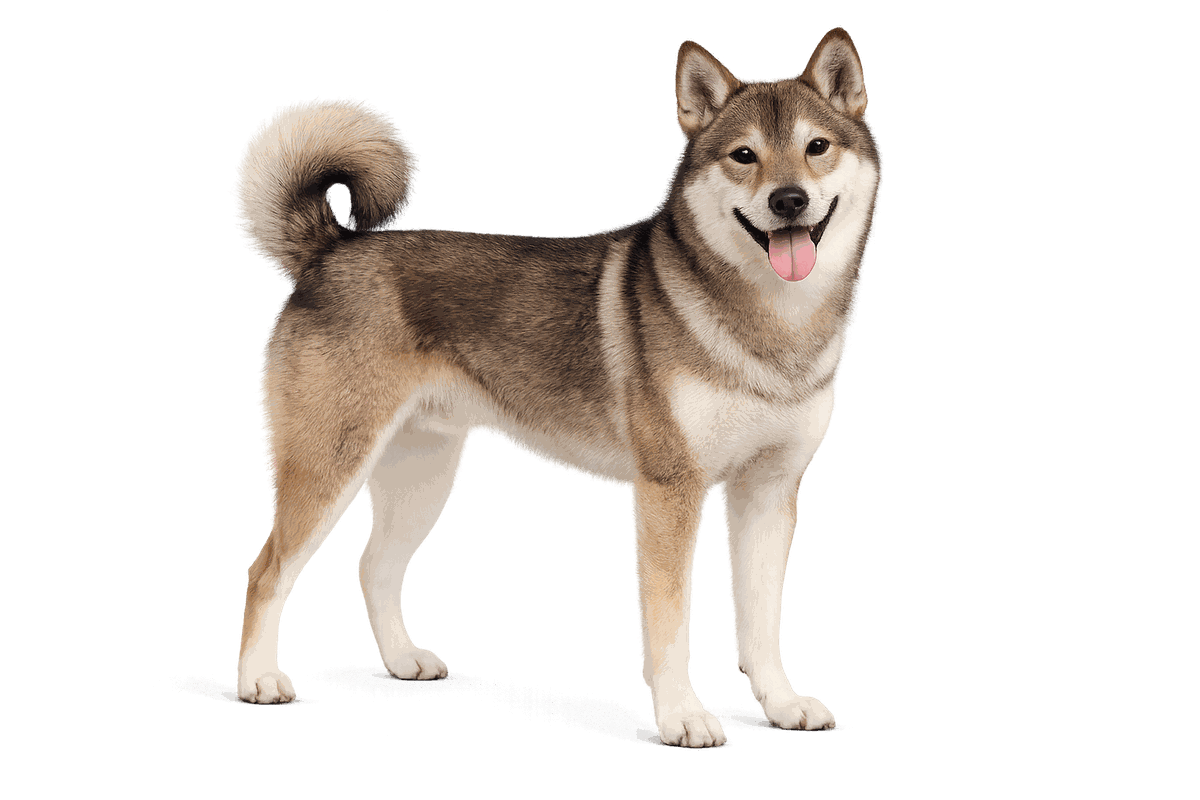
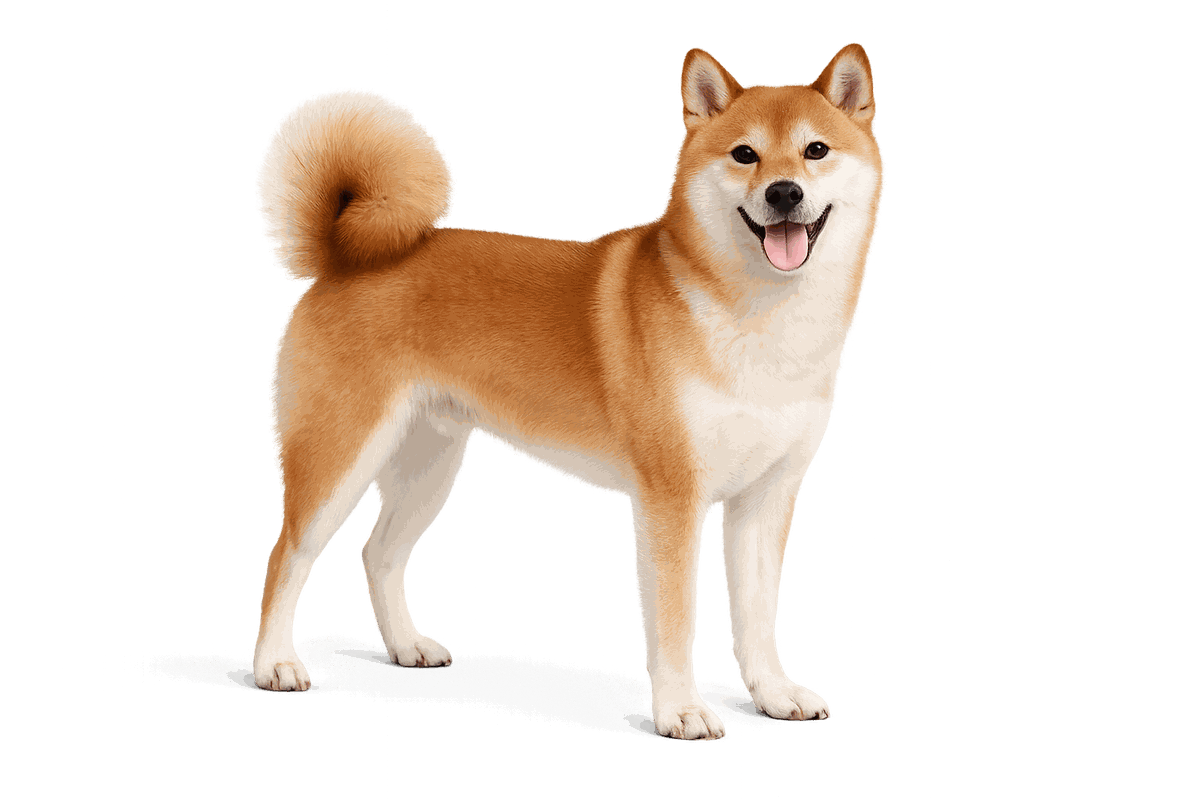
The Kishu, or Kishu Ken, is a native Japanese hunting spitz from the mountainous Kii Peninsula region. FCI describes it as a medium-sized dog used mainly for hunting boar, with a strong, compact body, prick ears, curled or sickle tail, and a harsh straight outer coat with soft dense undercoat. White is common, but the standard also permits red and sesame.
This is not a generic large non-sporting companion. The Kishu is a serious hunting breed with endurance, independence, and strong focus on game. It can be clean, loyal, and quiet in the home when properly exercised, but it needs structured activity, secure containment, and realistic management around wildlife, cats, and small pets.
The Kishu best suits experienced owners who appreciate primitive Japanese breeds. Early socialization matters because many are reserved with strangers and selective with unfamiliar dogs. Responsible breeders should discuss hips, eyes, thyroid, allergies, temperament, and correct coat and color.
This breed tends to suit homes looking for a enduring, dignified, loyal companion, with daily rhythms shaped by high energy, moderate barking, and low drooling.
Coat type
Double
Coat length
Medium
Shedding
High
Colors
White, Red, Sesame
Apartment life is possible only for very active owners who manage exercise, barking, and prey drive. The breed is usually easier in homes with secure outdoor access.
The Kishu is often quieter than some spitz breeds at home, but it is highly alert and may react to wildlife, visitors, or unfamiliar dogs.
Use patient reward-based training and practice in real settings. Recall, leash skills, calm handling, and neutrality around dogs and people matter most.
Brush weekly and heavily during shedding seasons. The natural double coat should not be clipped short for convenience.
Most Kishu adults need 60 to 90 minutes of daily activity, including brisk walks, hikes, training, scent games, and secure running. Prey drive makes safe containment and leash control essential.
Brush the double coat weekly and more during seasonal shedding. Check ears, nails, teeth, and feet after outdoor exercise.
Use calm reward-based training with early socialization. Focus on recall in safe areas, leash manners, handling, dog neutrality, and impulse control around wildlife.
Feed measured meals for an athletic medium dog and adjust portions for workload. Keep the Kishu lean to support joints and stamina.
Energy level
High
Barking level
Moderate
Drooling level
Low
Watchdog ability
4/5
Guard dog ability
2/5
Climate tolerance
Common concerns to discuss with your vet and breeder.
This profile was researched from established breed and canine-care references. Breed tendencies describe typical patterns, not a guarantee for every individual dog.
Reviewed by the Dogs Index Editorial Team. For health or behavior concerns, consult a veterinarian or appropriately qualified professional.
Our Shop
Browse practical products for feeding, grooming, cleanup, enrichment, and smoother daily routines.