Apartment fit
Apartment life is possible for a well-managed Jindo, but daily exercise, secure leash habits, and control of window barking or hallway arousal are essential.
 South Korea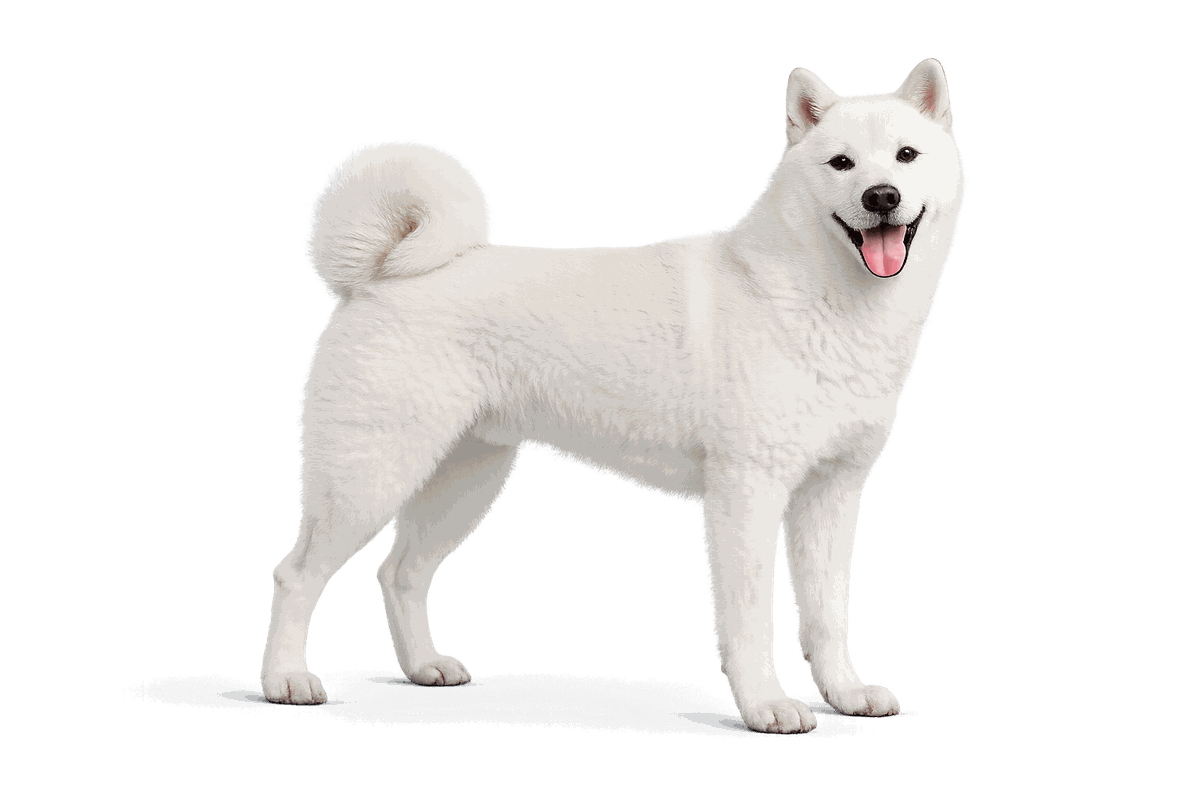
Weight
33-51 lb
Height
17.7-21.7 in
Lifespan
12-15 yrs
Coat
Double Medium
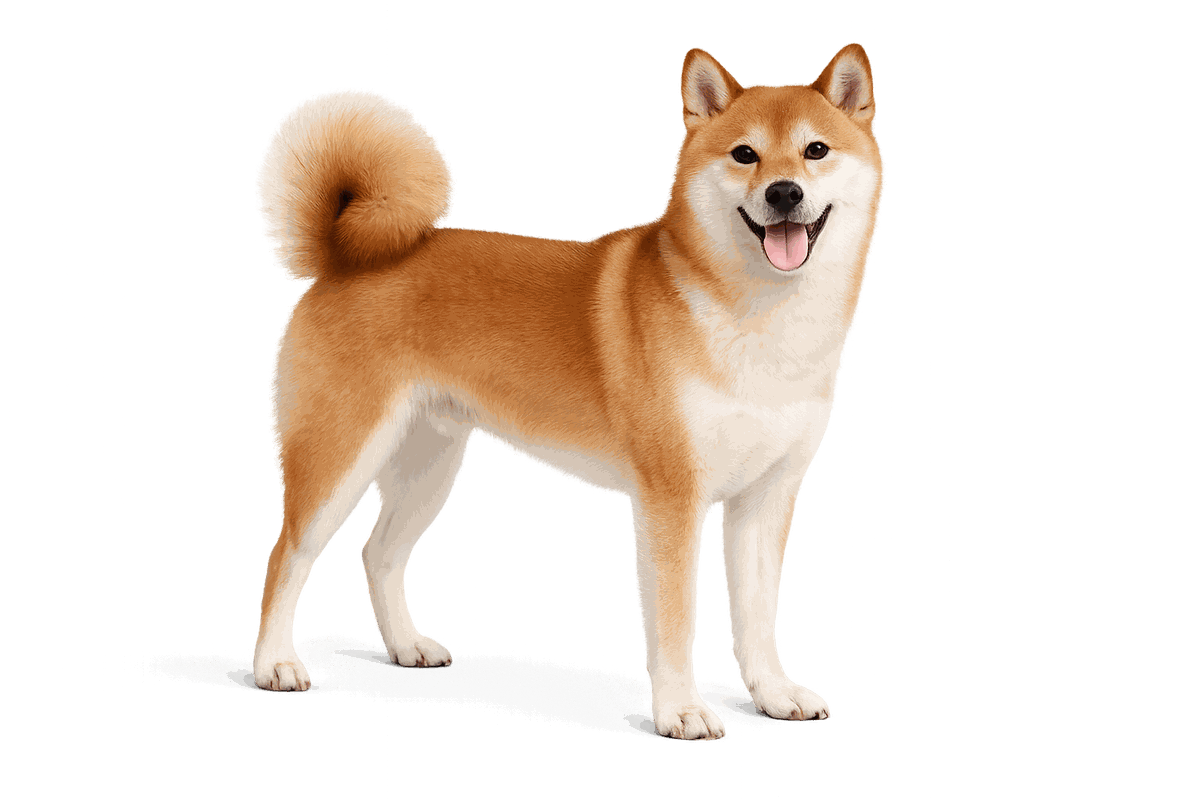
The Korean Jindo is a medium Korean spitz-type hunting and guard dog from Jindo Island, known for loyalty, independence, cleanliness, and strong prey drive.
Official, native, and commonly used variants
Weight
33-51 lb
Height
17.7-21.7 in
Lifespan
12-15 yrs
Coat
Double Medium
At A Glance
A quick read on energy, upkeep, and what day-to-day life with this breed usually feels like.
Energy
High
Barking
Moderate
Drooling
Low
Shedding
High
Grooming
3/5
First-time owner
No
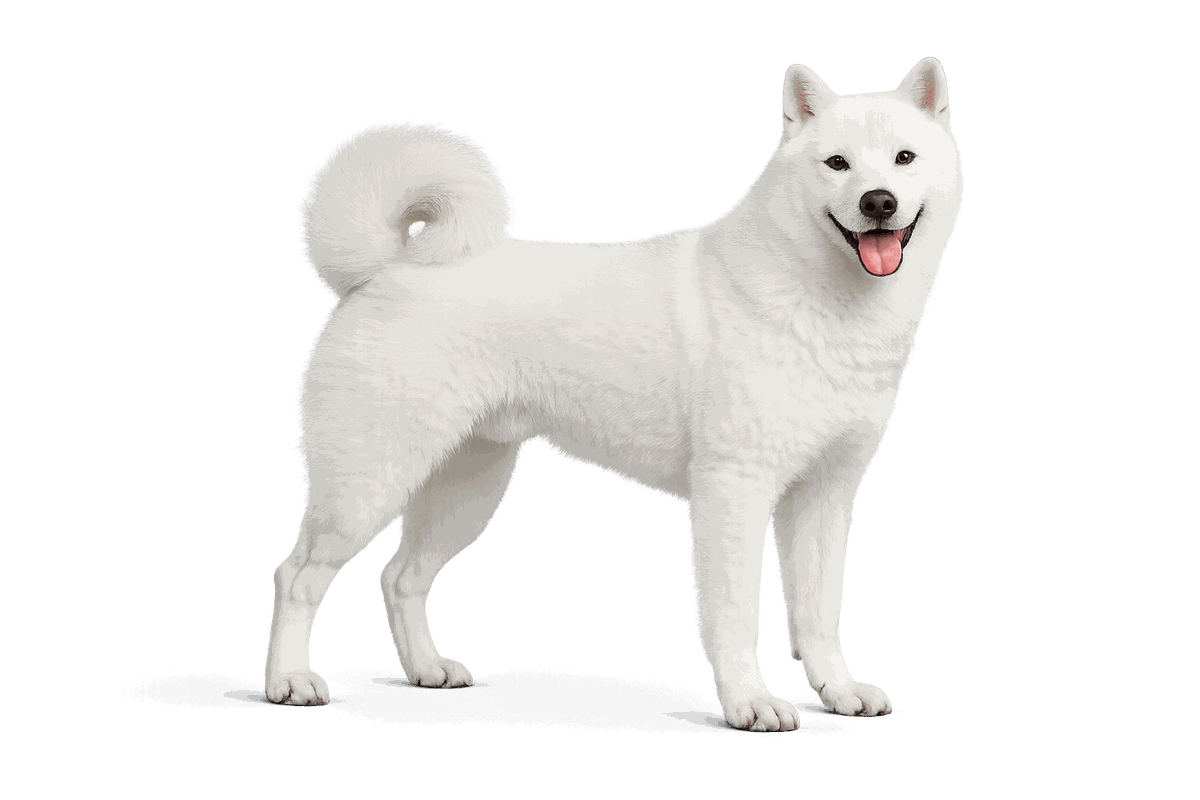
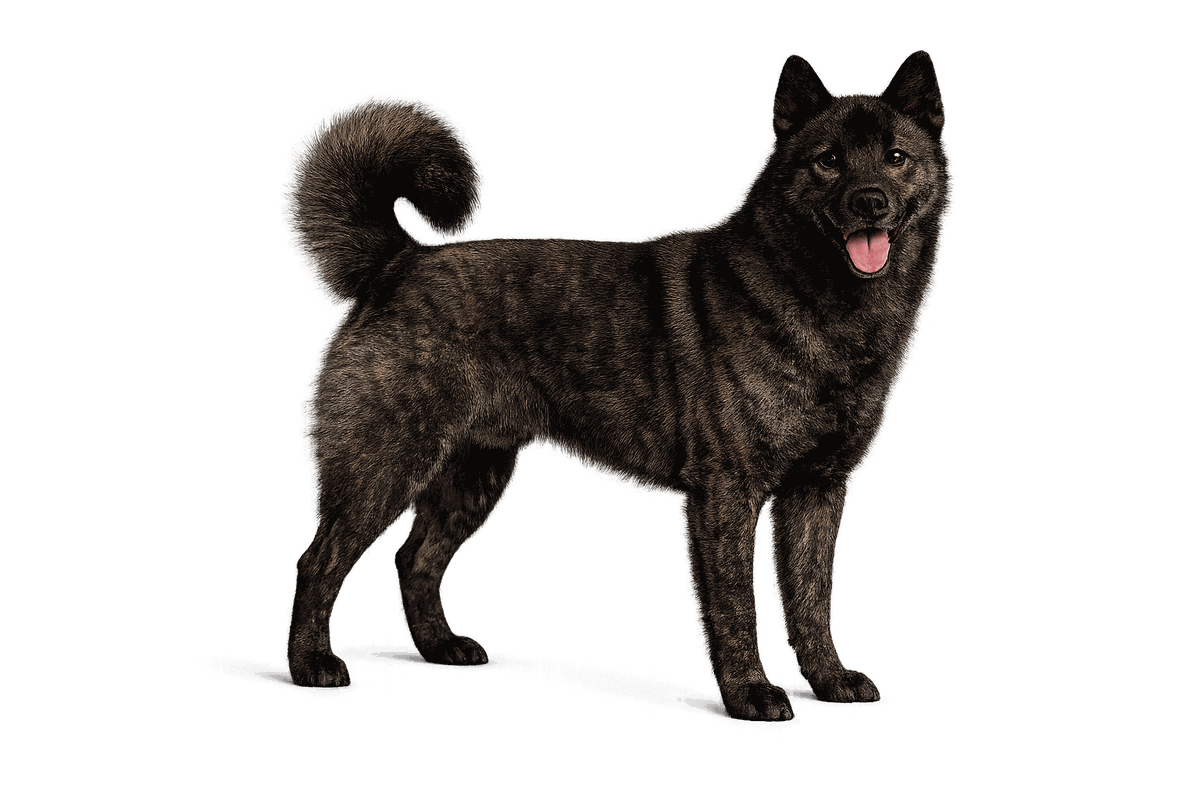
The Korean Jindo, officially the Korea Jindo Dog in the FCI standard, is a native Korean spitz-type breed associated with Jindo Island. It was valued as a hunting and guard dog, and the standard describes a loyal, bold, alert, and active dog with a strong sense of direction. The breed is medium-sized, not large, with prick ears, a curled or sickle tail, and a dense double coat.
Jindos are often deeply attached to their family and reserved with strangers. That loyalty can be rewarding, but it also means early socialization, secure fencing, careful introductions, and realistic prey-drive management are essential. Many Jindos are clean indoors and moderate in barking, but they need real exercise and do not usually behave like a casual off-leash companion.
The Korean Jindo is best for owners who understand primitive spitz behavior and can manage independence without force. Ask breeders or rescues about temperament, escape history, dog selectivity, thyroid disease, allergies, hips, eyes, and family health.
This breed tends to suit homes looking for a loyal, bold, alert companion, with daily rhythms shaped by high energy, moderate barking, and low drooling.
Coat type
Double
Coat length
Medium
Shedding
High
Colors
Red fawn, White, Black, Black and tan, Wolf grey, Brindle
Apartment life is possible for a well-managed Jindo, but daily exercise, secure leash habits, and control of window barking or hallway arousal are essential.
Jindos are alert and may bark at unfamiliar activity. They are often cleaner and quieter than some spitz breeds indoors, but under-exercise or poor socialization can create behavior problems.
Use patient reward-based training and clear routines. Recall, leash control, handling, and calm introductions should be practiced from puppyhood.
Brush weekly and more during coat blow. The coat should stay natural and should not be clipped short for convenience.
Most Korean Jindos need 60 to 90 minutes of daily exercise through brisk walks, hikes, training, and secure running. Prey drive and independence make leash control and fenced exercise important.
Brush weekly and more during seasonal shedding. The double coat is naturally clean but sheds heavily when blowing coat, so brushing and skin checks matter.
Use calm reward-based training with early socialization. Prioritize recall in secure areas, leash manners, handling, visitor routines, and neutrality around dogs and wildlife.
Feed measured meals for a lean medium spitz. Watch body condition under the coat and discuss allergies, thyroid signs, or digestion issues with a veterinarian.
Energy level
High
Barking level
Moderate
Drooling level
Low
Watchdog ability
4/5
Guard dog ability
2/5
Climate tolerance
Common concerns to discuss with your vet and breeder.
This profile was researched from established breed and canine-care references. Breed tendencies describe typical patterns, not a guarantee for every individual dog.
Reviewed by the Dogs Index Editorial Team. For health or behavior concerns, consult a veterinarian or appropriately qualified professional.
Our Shop
Browse practical products for feeding, grooming, cleanup, enrichment, and smoother daily routines.