Apartment fit
The Bolognese is highly apartment-friendly when owners manage alone time, grooming, and door noise. It needs companionship more than a large yard.
 Italy
Italy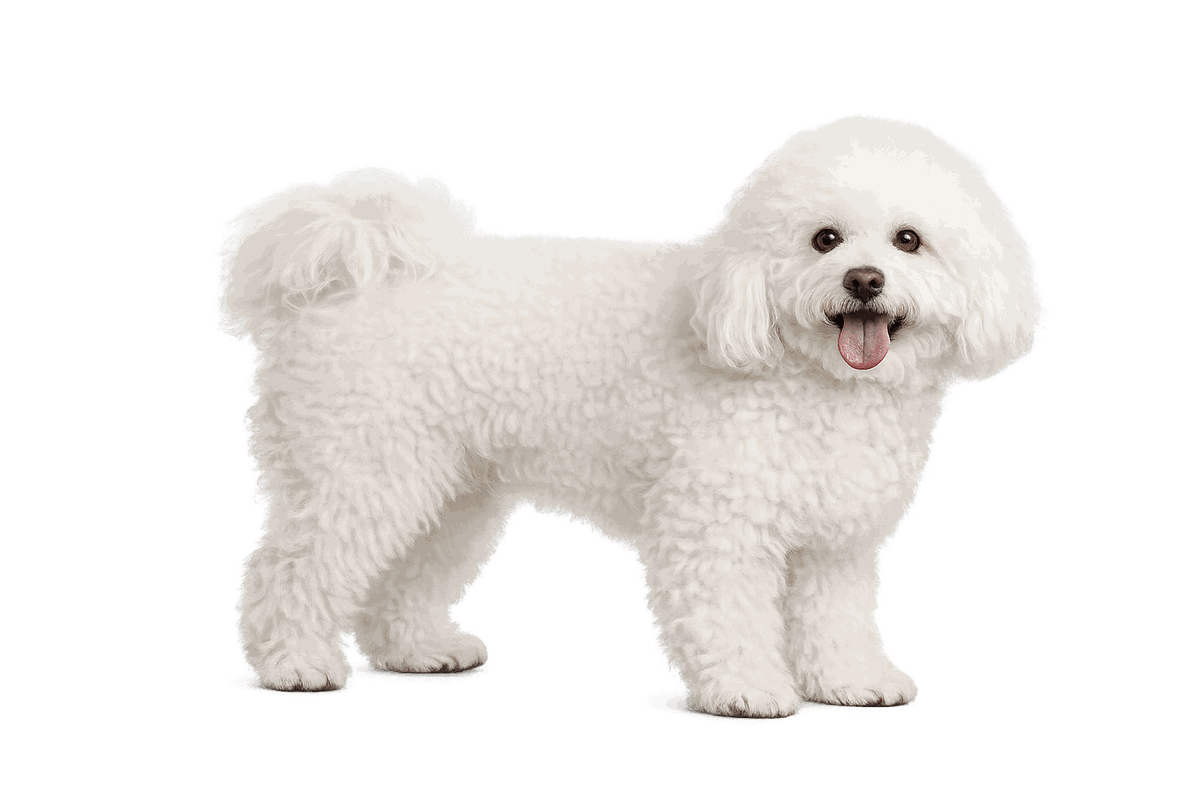
Weight
5-9 lb
Height
10-12 in
Lifespan
12-14 yrs
Coat
Fluffy Medium
The Bolognese is a small Italian companion breed with a pure white fluffy coat, calm devotion, and strong apartment potential.
Official, native, and commonly used variants
No widely used alternate names are recorded for this breed.
Weight
5-9 lb
Height
10-12 in
Lifespan
12-14 yrs
Coat
Fluffy Medium
At A Glance
A quick read on energy, upkeep, and what day-to-day life with this breed usually feels like.
Energy
Moderate
Barking
Moderate
Drooling
Low
Shedding
Low
Grooming
3/5
First-time owner
Yes
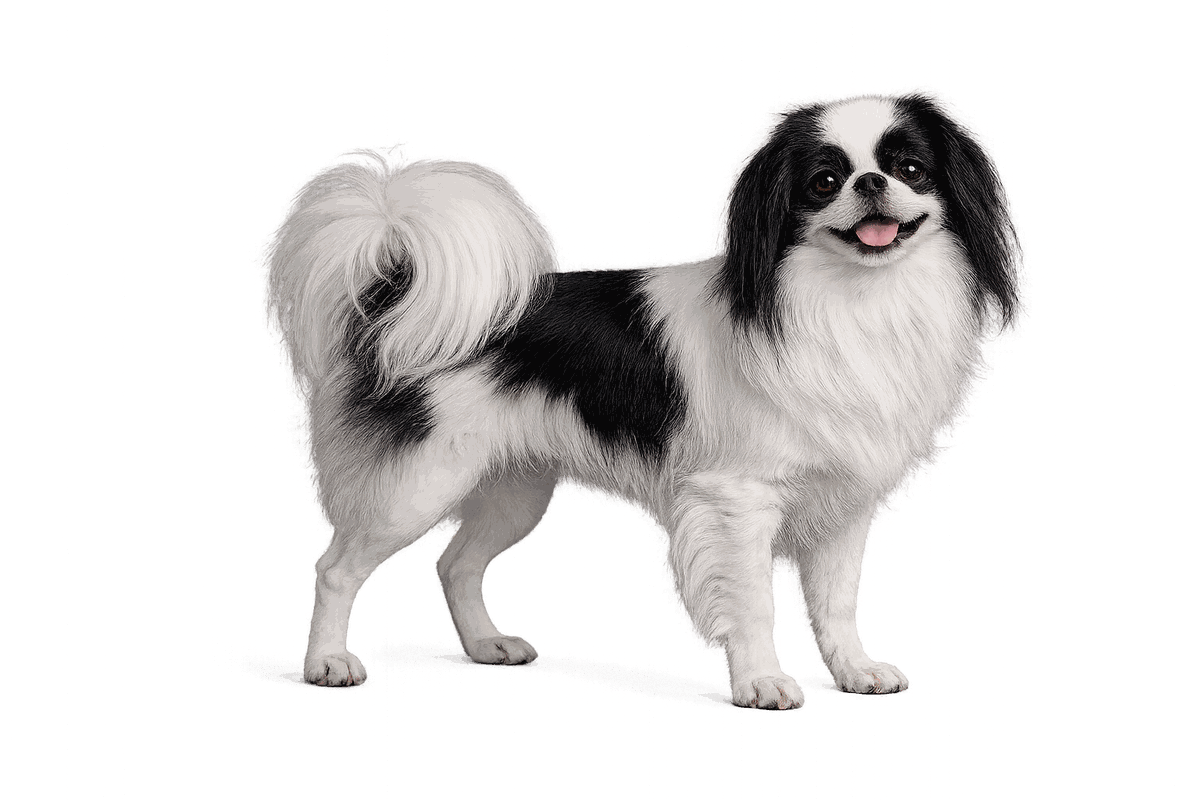
The Bolognese is an Italian bichon-type companion dog, historically kept as a small household companion rather than a working dog. It is known for a square little body, dark expressive eyes, and a long fluffy white coat.
The breed is usually calm, devoted, playful, and people-focused. It can suit apartments and first-time owners well, but it should not be ignored for long hours; many Bolognese bond closely and need steady companionship.
The coat is pure white and low shedding, but not low maintenance. Owners should brush and comb regularly to prevent mats, keep the face clean, maintain nails and teeth, and decide whether to keep a longer natural coat or an easier companion trim.
This breed tends to suit homes looking for a playful, easy-going, devoted companion, with daily rhythms shaped by moderate energy, moderate barking, and low drooling.
Coat type
Fluffy
Coat length
Medium
Shedding
Low
Colors
White
The Bolognese is highly apartment-friendly when owners manage alone time, grooming, and door noise. It needs companionship more than a large yard.
Expect some alerting, but persistent barking usually points to boredom, anxiety, or weak routines. Teach calm door responses early.
Use gentle reward-based training. House training, handling, grooming cooperation, and alone-time comfort should be priorities.
The white coat sheds little but mats easily. Brush and comb regularly, keep the face clean, and use a practical trim if needed.
Most healthy adult Bolognese need about 30 to 45 minutes of daily activity, split between short walks, play, training games, and social time.
The fluffy white coat sheds little but mats if ignored. Brush and comb regularly, keep the face clean, trim nails, maintain teeth, and use professional grooming if the coat is kept long.
Bolognese training should be gentle and consistent, with attention to house training, alone-time comfort, handling, calm greetings, and quiet responses to door sounds.
Feed a measured small-breed diet appropriate for age and body condition. Count training treats in the daily ration to prevent weight gain.
Energy level
Moderate
Barking level
Moderate
Drooling level
Low
Watchdog ability
4/5
Guard dog ability
1/5
Climate tolerance
Common concerns to discuss with your vet and breeder.
This profile was researched from established breed and canine-care references. Breed tendencies describe typical patterns, not a guarantee for every individual dog.
Reviewed by the Dogs Index Editorial Team. For health or behavior concerns, consult a veterinarian or appropriately qualified professional.
Our Shop
Browse practical products for feeding, grooming, cleanup, enrichment, and smoother daily routines.