Apartment fit
Border Terriers can fit apartments when daily exercise, door-noise training, and secure outdoor routines are in place.
 United Kingdom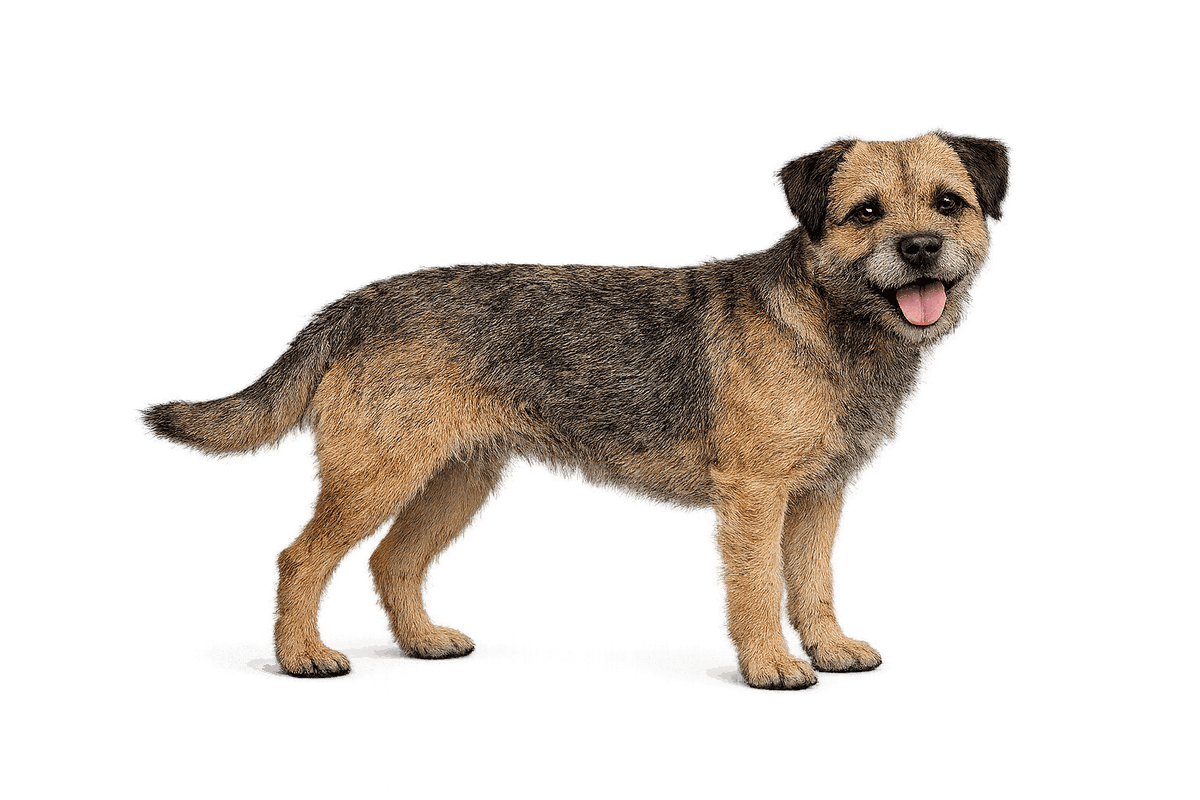
Weight
11-15 lb
Height
12-15 in
Lifespan
12-15 yrs
Coat
Wiry Short
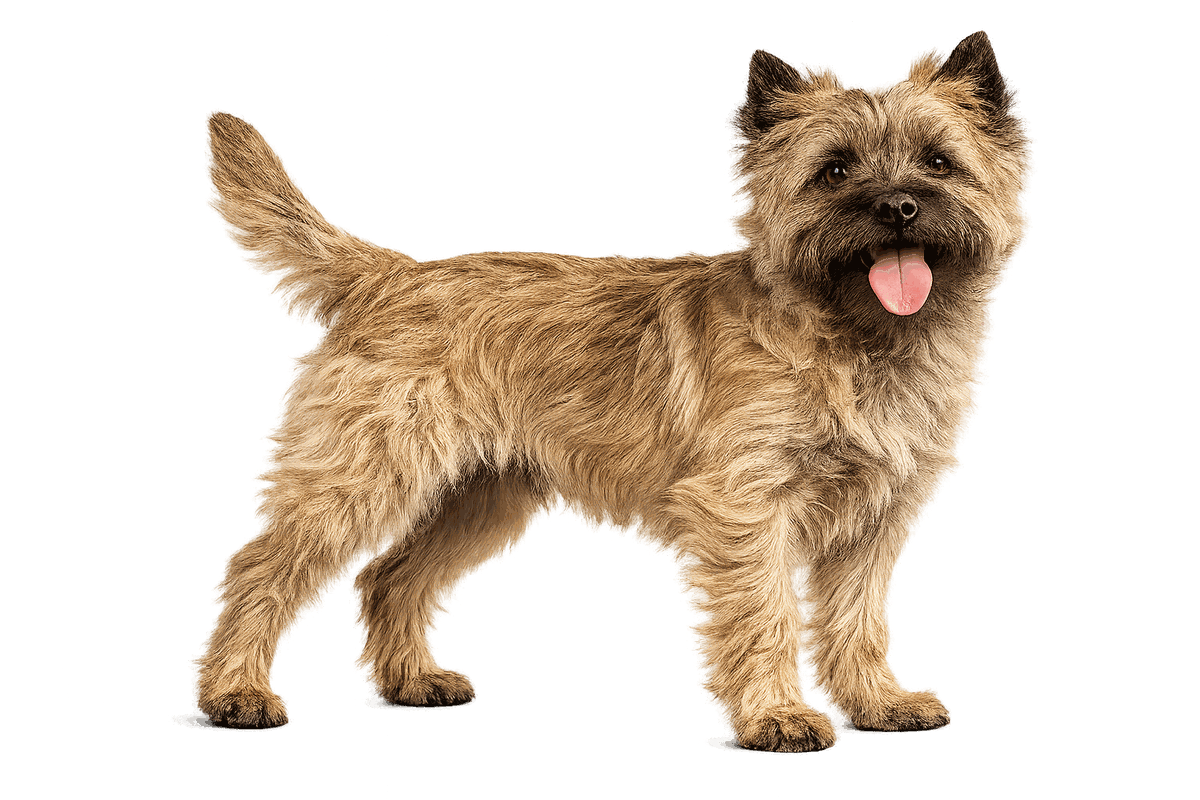
The Border Terrier is a small, rugged British working terrier with an otter-like head, harsh weatherproof coat, and lively family temperament.
Official, native, and commonly used variants
Weight
11-15 lb
Height
12-15 in
Lifespan
12-15 yrs
Coat
Wiry Short
At A Glance
A quick read on energy, upkeep, and what day-to-day life with this breed usually feels like.
Energy
Moderate
Barking
Moderate
Drooling
Low
Shedding
Moderate
Grooming
3/5
First-time owner
Yes
The Border Terrier was developed around the border country between England and Scotland to follow horsemen and hounds, then go to ground after fox. That background explains its stamina, toughness, and practical build despite its small size.
A correct Border has a harsh wiry outer coat, dense undercoat, and distinctive otter-like head. Coat colors include red, grizzle and tan, blue and tan, and wheaten. The coat is traditionally hand-stripped rather than clipped if owners want to preserve texture.
Border Terriers are often affectionate and adaptable, but they are real terriers. Owners should plan for prey drive, digging, alert barking, secure fencing, and consistent training around small animals.
This breed tends to suit homes looking for a affectionate, happy, plucky companion, with daily rhythms shaped by moderate energy, moderate barking, and low drooling.
Coat type
Wiry
Coat length
Short
Shedding
Moderate
Colors
Red, Grizzle and Tan, Blue and Tan, Wheaten
Border Terriers can fit apartments when daily exercise, door-noise training, and secure outdoor routines are in place.
Expect alert barking and terrier reactions to movement. Reward quiet check-ins and provide legal digging or sniffing outlets.
Use reward-based training with practical goals: recall, leave-it, leash manners, handling, and calm greetings.
The harsh coat is best maintained by brushing and periodic hand-stripping. Clipping is easier but can soften the coat.
Most healthy adult Border Terriers need about 45 to 60 minutes of daily activity, with walks, play, recall practice, digging outlets, and sniffing games.
The harsh double coat needs regular brushing and periodic hand-stripping to keep its weatherproof texture. Clipping can soften the coat. Check nails, ears, teeth, and skin.
Training should reward recall, leave-it, leash manners, calm greetings, and handling. Borders are bright and game, but prey drive and digging need management.
Feed a measured small-terrier diet appropriate for age and activity. Keep weight lean because small terriers can gain weight quickly.
Energy level
Moderate
Barking level
Moderate
Drooling level
Low
Watchdog ability
4/5
Guard dog ability
3/5
Climate tolerance
Common concerns to discuss with your vet and breeder.
This profile was researched from established breed and canine-care references. Breed tendencies describe typical patterns, not a guarantee for every individual dog.
Reviewed by the Dogs Index Editorial Team. For health or behavior concerns, consult a veterinarian or appropriately qualified professional.
Our Shop
Browse practical products for feeding, grooming, cleanup, enrichment, and smoother daily routines.