Apartment fit
Apartment life is possible only with a serious exercise plan. The breed is large, athletic, and happiest when it has regular outdoor work.
Weight
60-95 lb
Height
23-27 in
Lifespan
10-12 yrs
Coat
Curly Short
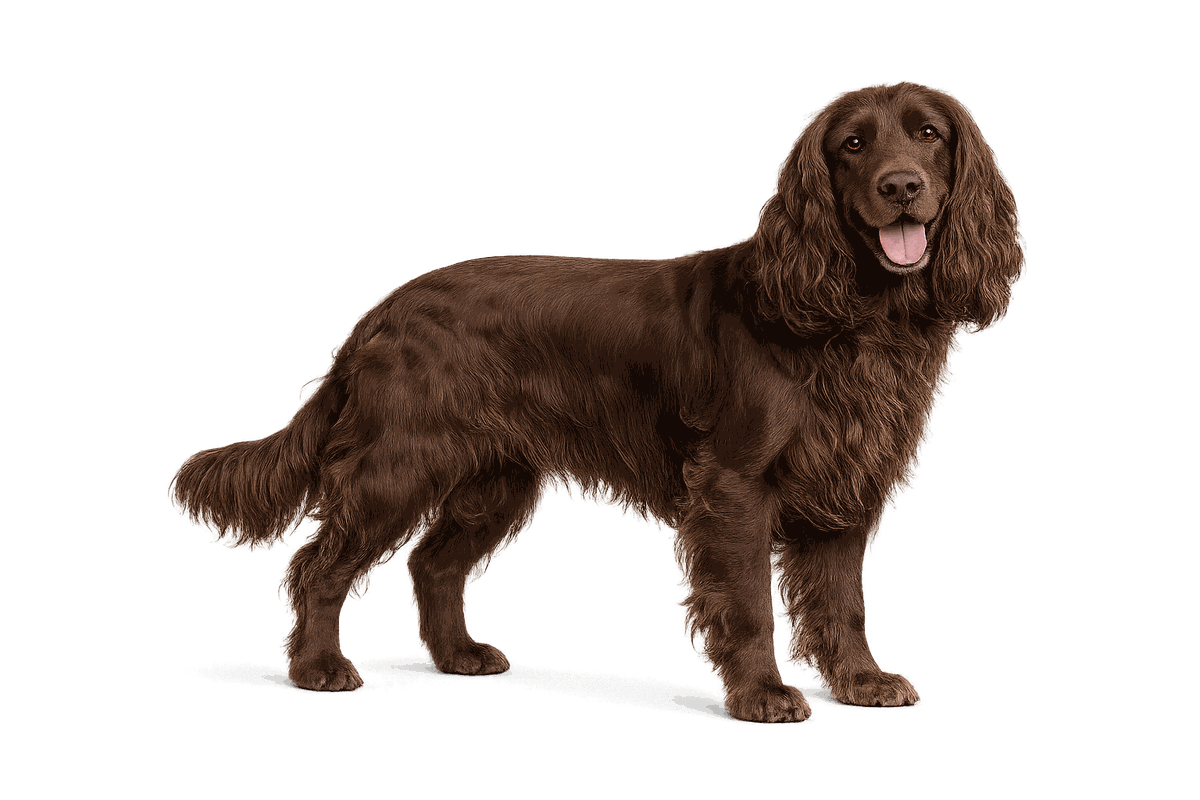
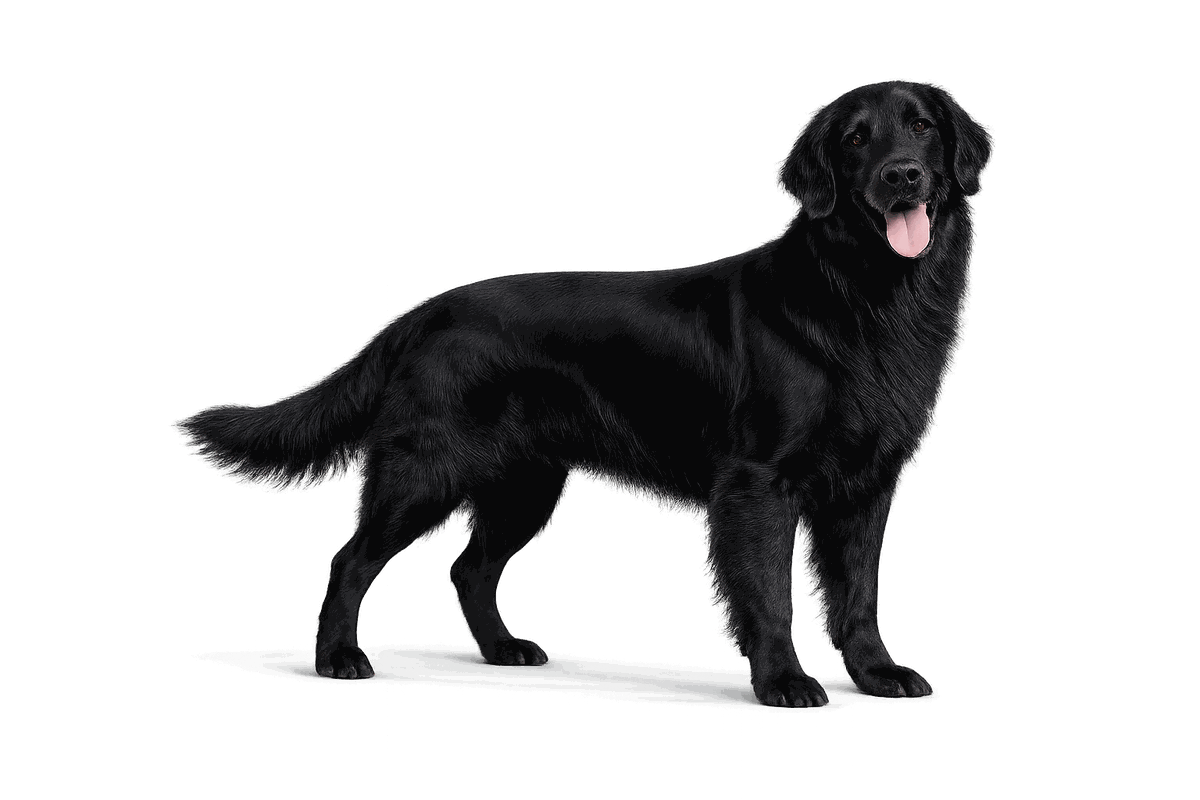
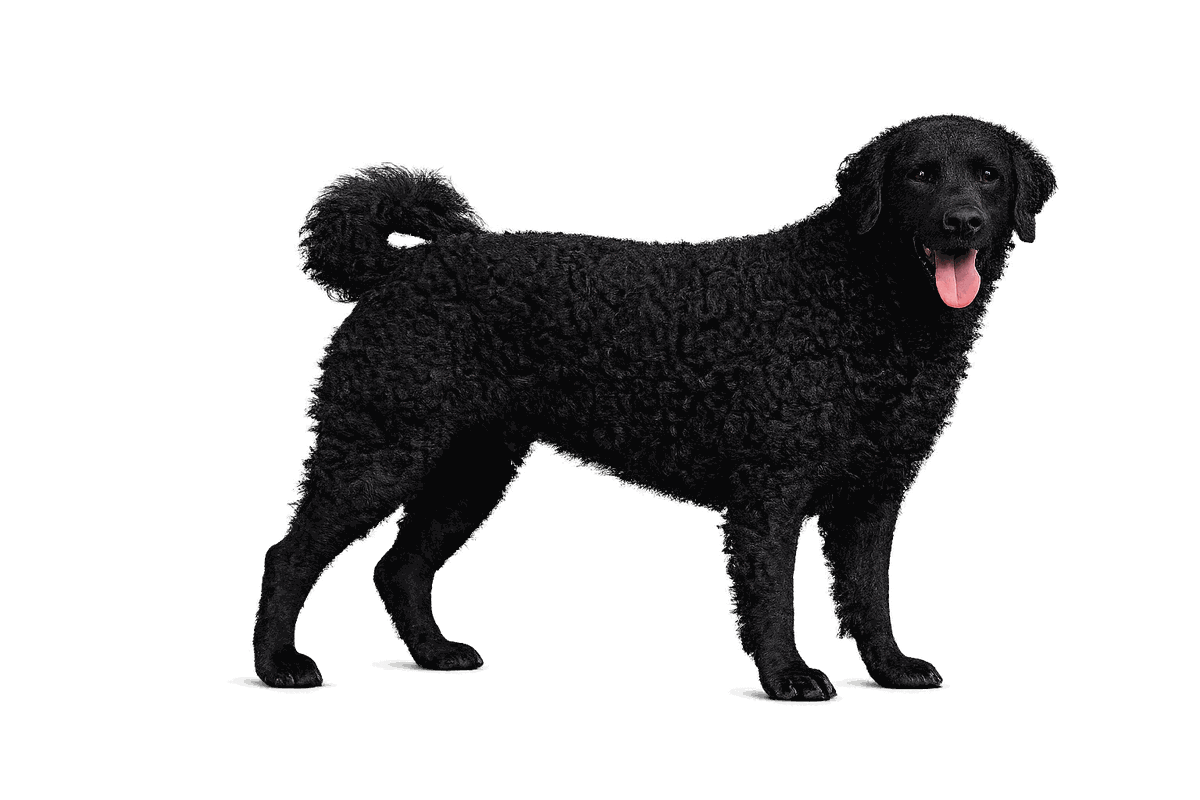
The Curly-Coated Retriever is a large British gundog with tight weather-resistant curls, black or liver coat color, and a confident, independent retriever temperament.
Official, native, and commonly used variants
Weight
60-95 lb
Height
23-27 in
Lifespan
10-12 yrs
Coat
Curly Short
At A Glance
A quick read on energy, upkeep, and what day-to-day life with this breed usually feels like.
Energy
High
Barking
Moderate
Drooling
Moderate
Shedding
Moderate
Grooming
2/5
First-time owner
No
The Curly-Coated Retriever is among the oldest retriever breeds, developed in Great Britain as a versatile gamekeeper's and waterfowling dog. Its hallmark is a coat of tight, crisp curls that protects the body in water, cover, and weather.
Curlies are active, intelligent, confident, and often more independent than Golden or Labrador Retrievers. They are usually affectionate with family but can be reserved with strangers, so early socialization and steady training matter. They need swimming, retrieving, running, field work, or other real outlets to stay settled.
The standard coat colors are black or liver. Grooming is simpler than many long-coated breeds, but the coat should not be brushed into fluff. Health conversations should include hips, elbows, eyes, heart, cancer risk, bloat, and responsible breeder screening.
This breed tends to suit homes looking for a confident, independent, intelligent companion, with daily rhythms shaped by high energy, moderate barking, and moderate drooling.
Coat type
Curly
Coat length
Short
Shedding
Moderate
Colors
Black, Liver
Apartment life is possible only with a serious exercise plan. The breed is large, athletic, and happiest when it has regular outdoor work.
Curlies are usually not constant barkers, but boredom and under-exercise can create noise, restlessness, or destructive behavior.
Use rewards, variety, and purposeful work. Build steadiness, recall, retrieves, and polite greetings without turning training into repetitive drilling.
Maintain the tight curl pattern with appropriate bathing and drying, check ears after water work, and avoid over-brushing the coat into fluff.
Curly-Coated Retrievers need serious daily exercise: retrieving, swimming, long walks, running with conditioning, field work, and training. Young dogs need joint-safe structure rather than uncontrolled impact.
The curly coat is usually maintained with bathing, drying, and hand work rather than frequent brushing that breaks the curl. Check ears after swimming, keep nails short, and monitor skin under the curls.
Use reward-based training with variety and purpose. Curlies are intelligent and can be independent, so keep sessions practical, build recall and steadiness, and socialize carefully around strangers.
Feed measured meals for a lean athletic body. Discuss bloat risk, workload, growth rate, and joint health with a veterinarian, especially for active dogs.
Energy level
High
Barking level
Moderate
Drooling level
Moderate
Watchdog ability
3/5
Guard dog ability
1/5
Climate tolerance
Common concerns to discuss with your vet and breeder.
This profile was researched from established breed and canine-care references. Breed tendencies describe typical patterns, not a guarantee for every individual dog.
Reviewed by the Dogs Index Editorial Team. For health or behavior concerns, consult a veterinarian or appropriately qualified professional.
Our Shop
Browse practical products for feeding, grooming, cleanup, enrichment, and smoother daily routines.