Apartment fit
A Labrador can live in an apartment only when exercise and training are reliable. Size is less important than whether the dog gets enough work every day.
Weight
55-80 lb
Height
21.5-24.5 in
Lifespan
10-12 yrs
Coat
Double Short
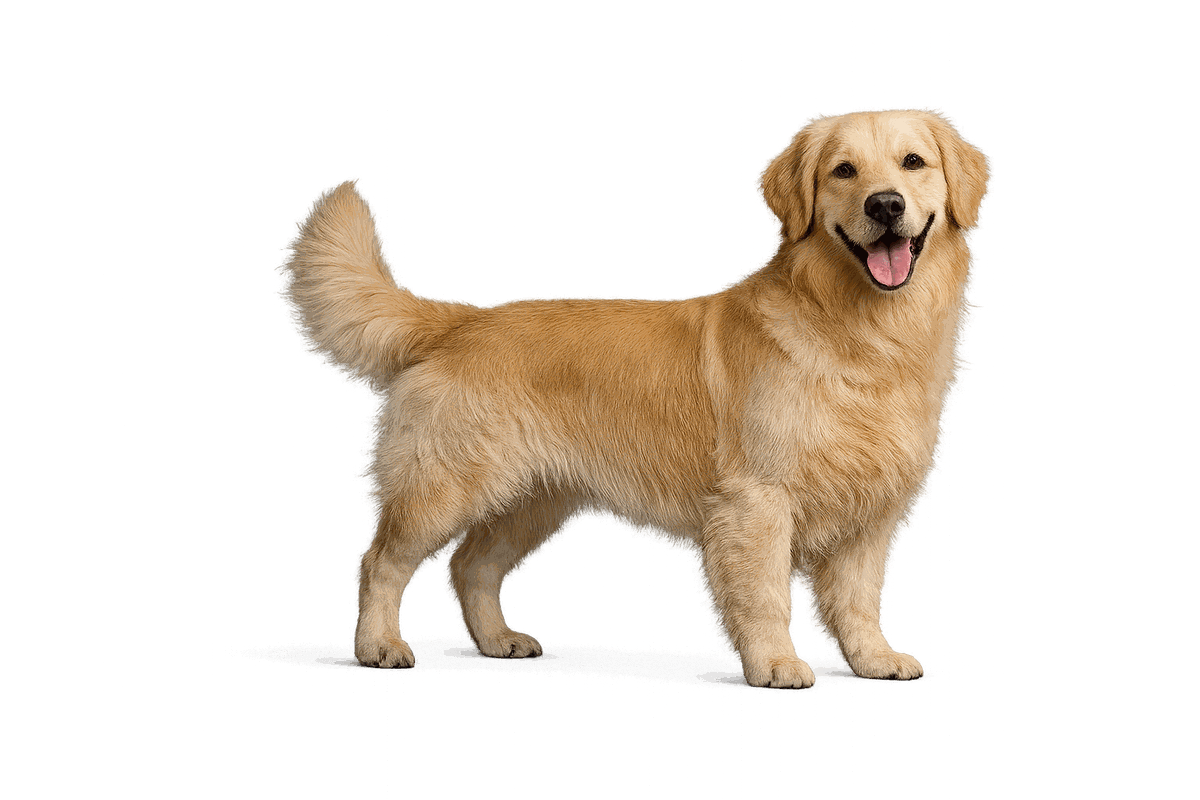
The Labrador Retriever is a medium-large British retriever with a short dense water-resistant coat, friendly temperament, and high need for exercise, training, and weight control.
Official, native, and commonly used variants
Weight
55-80 lb
Height
21.5-24.5 in
Lifespan
10-12 yrs
Coat
Double Short
At A Glance
A quick read on energy, upkeep, and what day-to-day life with this breed usually feels like.
Energy
High
Barking
Moderate
Drooling
Moderate
Shedding
High
Grooming
2/5
First-time owner
Yes
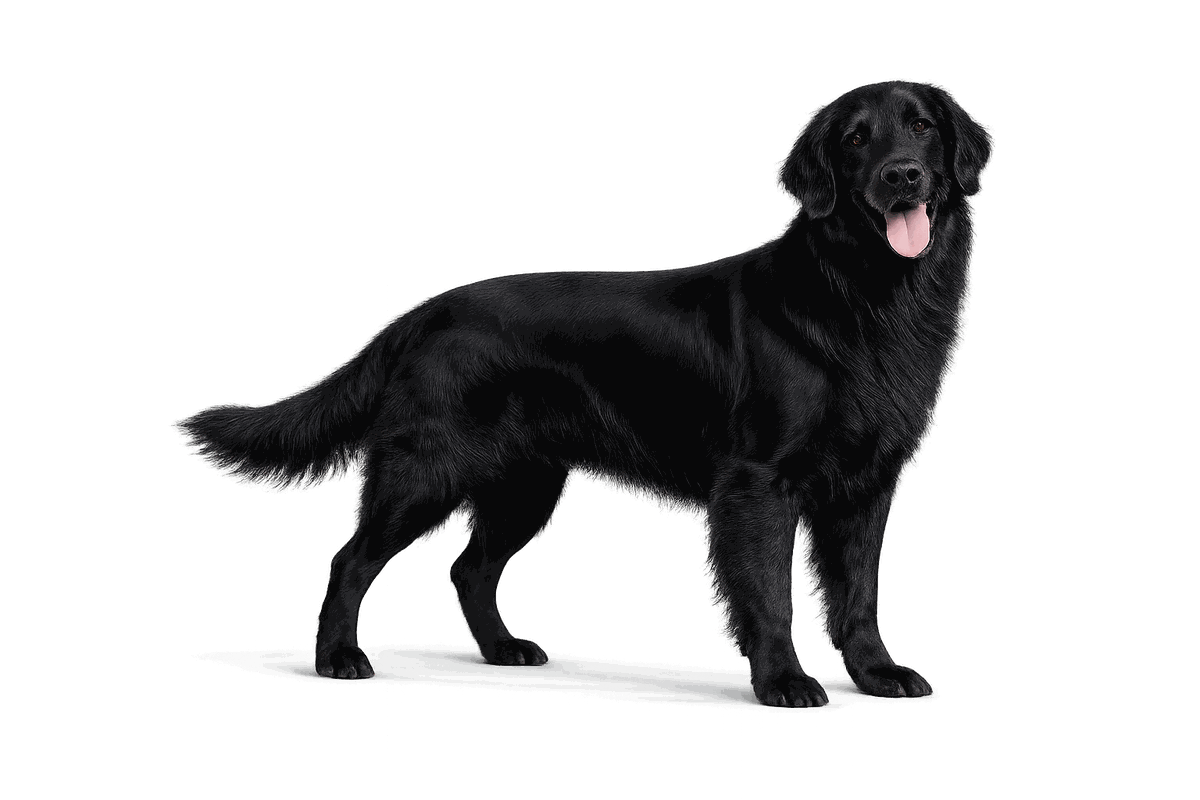
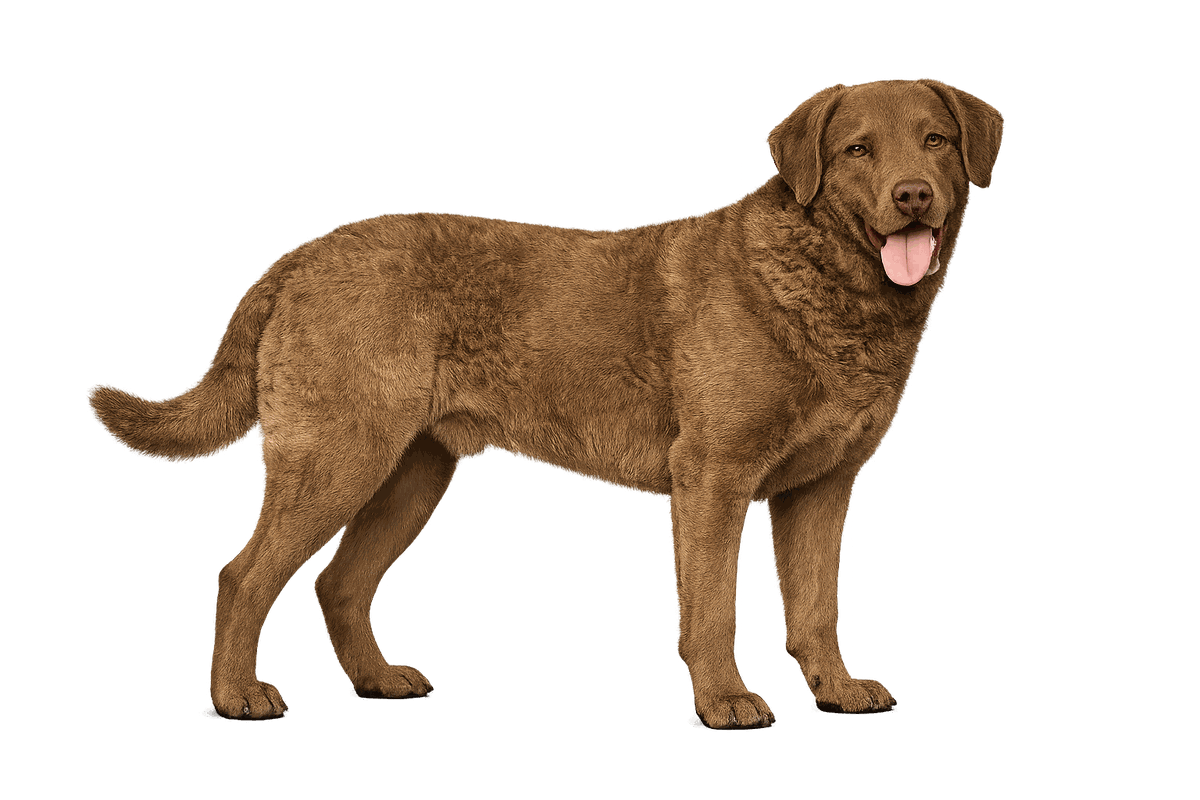
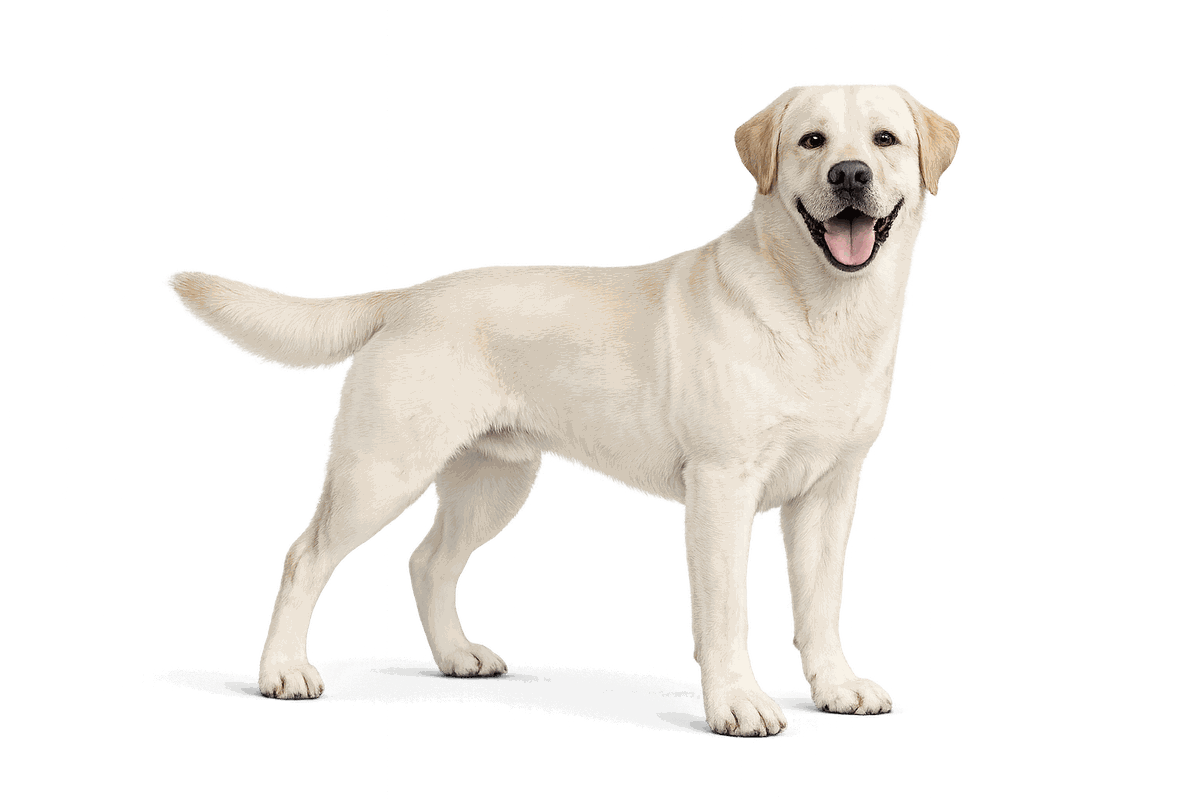
The Labrador Retriever was developed in Britain from St. John's water dogs as a gundog able to retrieve on land and in cold water. The short weather-resistant coat, broad retrieving mouth, powerful tail, and willingness to work still shape everyday life with the breed. Black, yellow, and chocolate are the recognized colors; color does not predict whether an individual will be calm, athletic, or suitable for a particular home.
Friendly does not mean automatically well-mannered. Young Labs can be strong, mouthy, enthusiastic jumpers with intense interest in food and anything they can carry. Their sociability becomes an advantage when owners teach four-paw greetings, trading and leave-it, loose-leash walking, recall, and calm recovery after play. Retrieving, scent work, and safe swimming provide more satisfying outlets than walking alone.
Weight control is lifelong care, not a cosmetic goal. Measured meals and lean body condition protect mobility, while responsible breeders should document hip, elbow, eye, and relevant DNA screening rather than relying on popularity or color claims.
This breed tends to suit homes looking for a friendly, active, outgoing companion, with daily rhythms shaped by high energy, moderate barking, and moderate drooling.
Coat type
Double
Coat length
Short
Shedding
High
Colors
Black, Yellow, Chocolate
A Labrador can live in an apartment only when exercise and training are reliable. Size is less important than whether the dog gets enough work every day.
Labs are usually social rather than sharp watchdogs, but boredom, excitement, and under-exercise can cause barking, chewing, and jumping.
Use rewards, but do not let food excitement replace manners. Teach calm greetings, loose-leash walking, recall, leave-it, and settling.
Brush weekly, increase brushing during shedding, and clean ears after water work. The coat is short but not low-shed.
Most adult Labradors need 60 to 90 minutes or more of daily activity, including walks, retrieving, swimming where safe, scent games, and training. Young Labs can be especially energetic but still need joint-safe exercise.
Brush the short dense double coat weekly and more during shedding seasons. Check ears after swimming, keep nails short, and clean teeth regularly.
Use reward-based training with clear rules around food, jumping, greetings, leash manners, recall, and retrieving. Labs learn quickly but can become pushy if every behavior earns food or attention.
Measure meals carefully and avoid free-feeding. Labs are prone to weight gain, so keep body condition lean and adjust food when exercise changes.
Energy level
High
Barking level
Moderate
Drooling level
Moderate
Watchdog ability
3/5
Guard dog ability
1/5
Climate tolerance
Common concerns to discuss with your vet and breeder.
This profile was researched from established breed and canine-care references. Breed tendencies describe typical patterns, not a guarantee for every individual dog.
Reviewed by the Dogs Index Editorial Team. For health or behavior concerns, consult a veterinarian or appropriately qualified professional.
Our Shop
Browse practical products for feeding, grooming, cleanup, enrichment, and smoother daily routines.