Apartment fit
A Golden can live in an apartment with serious daily exercise and grooming, but most do best with easy access to outdoor activity.
Weight
55-75 lb
Height
21.5-24 in
Lifespan
10-12 yrs
Coat
Double Medium
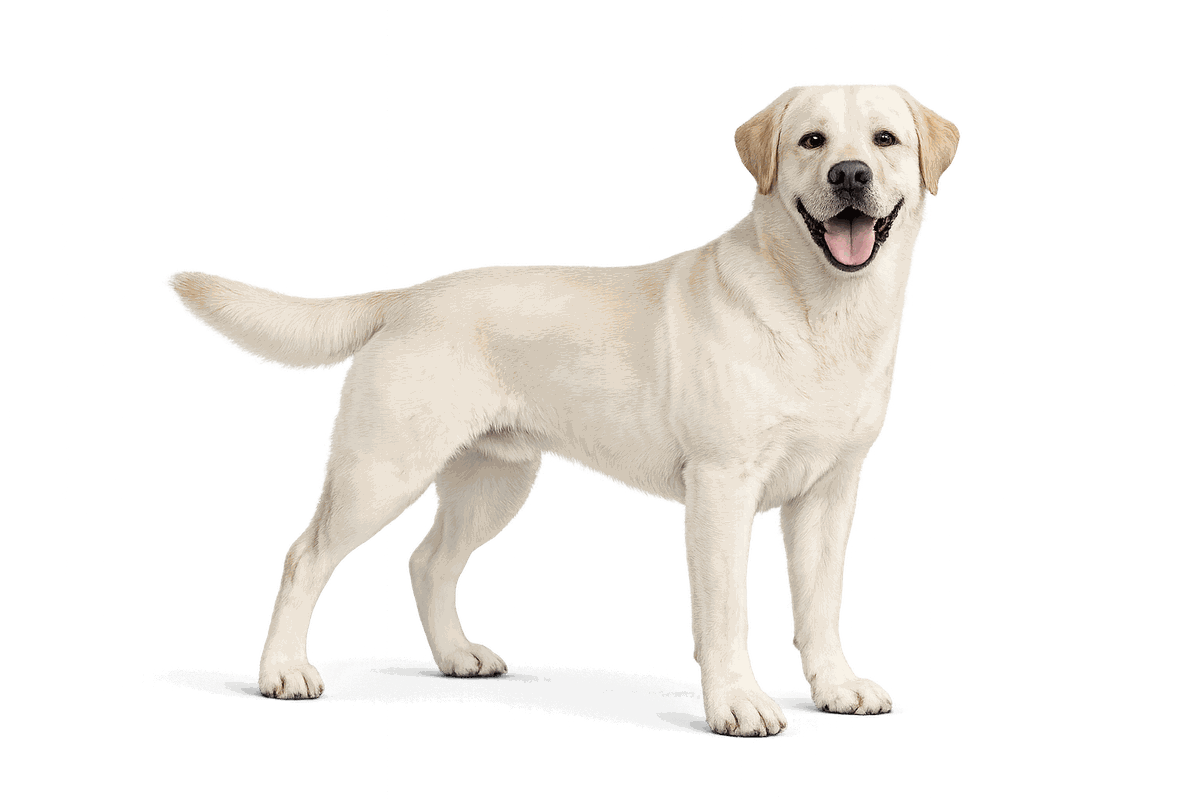
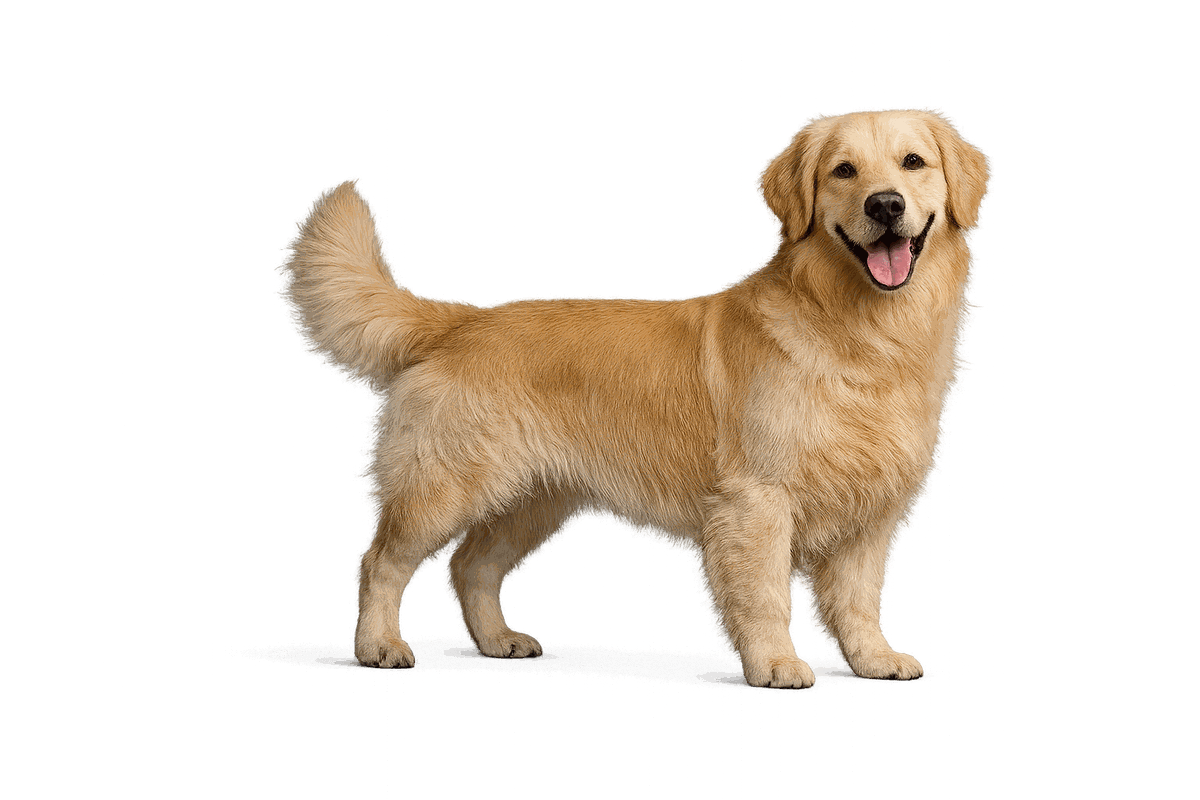
The Golden Retriever is a large Scottish gundog, friendly and eager, with a dense golden coat, strong retrieving instinct, and major health-screening needs.
Official, native, and commonly used variants
No widely used alternate names are recorded for this breed.
Weight
55-75 lb
Height
21.5-24 in
Lifespan
10-12 yrs
Coat
Double Medium
At A Glance
A quick read on energy, upkeep, and what day-to-day life with this breed usually feels like.
Energy
High
Barking
Moderate
Drooling
Low
Shedding
High
Grooming
4/5
First-time owner
Yes
The Golden Retriever was developed in Scotland as a gundog for collecting game from land and water. That working history explains the breed's soft carrying mouth, interest in retrieving, social cooperation, and dense feathered double coat. Goldens often succeed as family, assistance, therapy, and sport dogs, but the familiar friendly image can make buyers underestimate the adolescent workload.
Young Goldens are commonly exuberant, mouthy, and eager to greet. They need daily activity plus deliberate practice in recall, four-paw greetings, carrying appropriate objects, settling, and being alone comfortably. The coat brings regular brushing, seasonal shedding, wet feathering, mud, and ear and skin checks after swimming.
Color labels are not quality grades: temperament, functional structure, and documented health testing matter far more than a pale or dark shade of gold. Buyers should verify hip, elbow, eye, and cardiac clearances and have a frank conversation about longevity and cancer in the breeder's dogs.
This breed tends to suit homes looking for a friendly, reliable, trustworthy companion, with daily rhythms shaped by high energy, moderate barking, and low drooling.
Coat type
Double
Coat length
Medium
Shedding
High
Colors
Golden, Light Golden, Dark Golden, Cream
A Golden can live in an apartment with serious daily exercise and grooming, but most do best with easy access to outdoor activity.
Goldens are usually social rather than suspicious, but boredom or excitement can create barking. Calm greeting practice helps.
Use rewards, retrieving, play, and practical manners training. The breed usually wants to cooperate but can be exuberant.
Brush several times weekly, more during shedding seasons, and keep ears dry after swimming.
Most adult Golden Retrievers need at least 60 to 90 minutes of daily activity. Retrieving, swimming, scent work, training, hikes, and structured play help meet both physical and mental needs.
Brush several times a week and more during shedding seasons. Check ears after swimming, trim nails, maintain dental care, and watch for hot spots or skin irritation under the dense coat.
Use reward-based training and start early with recall, loose-leash walking, calm greetings, handling, and not jumping or mouthing. Goldens are often eager, but young dogs can be exuberant.
Keep a Golden lean with measured meals. Extra weight increases orthopedic strain and can reduce quality of life.
Energy level
High
Barking level
Moderate
Drooling level
Low
Watchdog ability
2/5
Guard dog ability
1/5
Climate tolerance
Common concerns to discuss with your vet and breeder.
This profile was researched from established breed and canine-care references. Breed tendencies describe typical patterns, not a guarantee for every individual dog.
Reviewed by the Dogs Index Editorial Team. For health or behavior concerns, consult a veterinarian or appropriately qualified professional.
Our Shop
Browse practical products for feeding, grooming, cleanup, enrichment, and smoother daily routines.