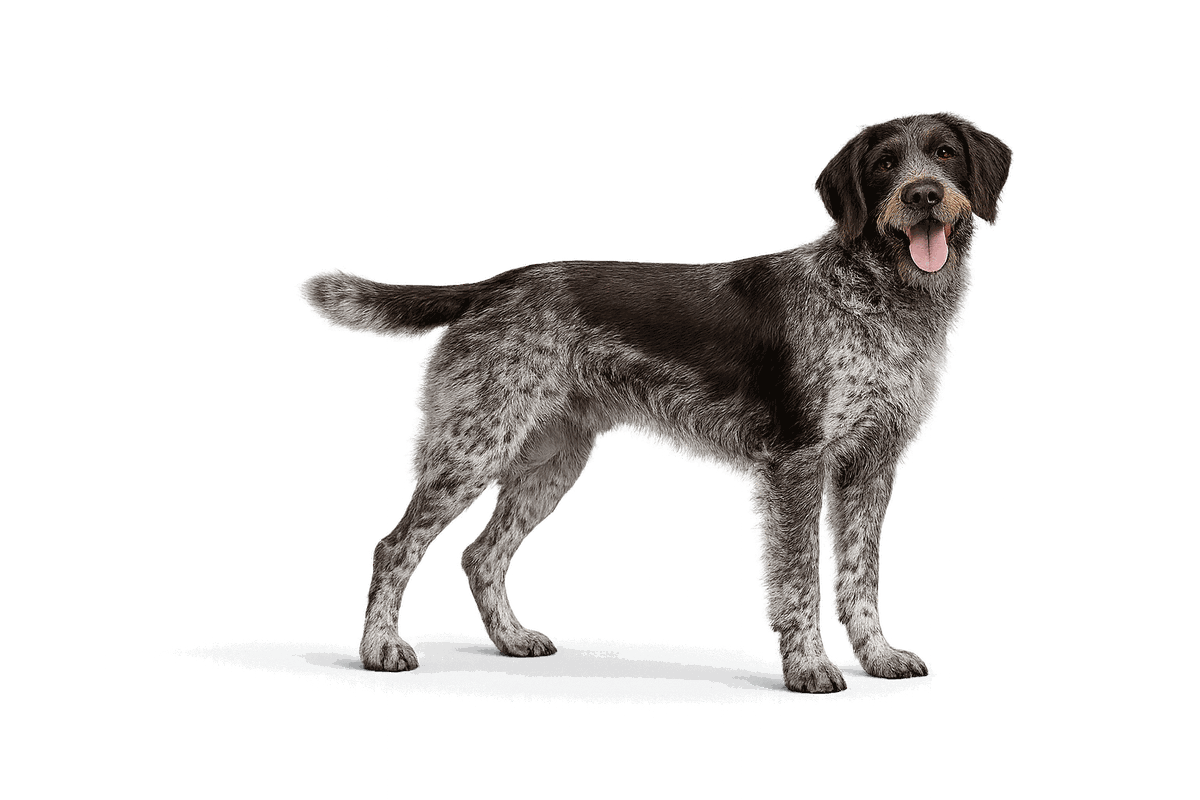
Apartment fit
The Large Munsterlander is difficult in apartments unless the owner can provide serious daily outdoor work.
 Germany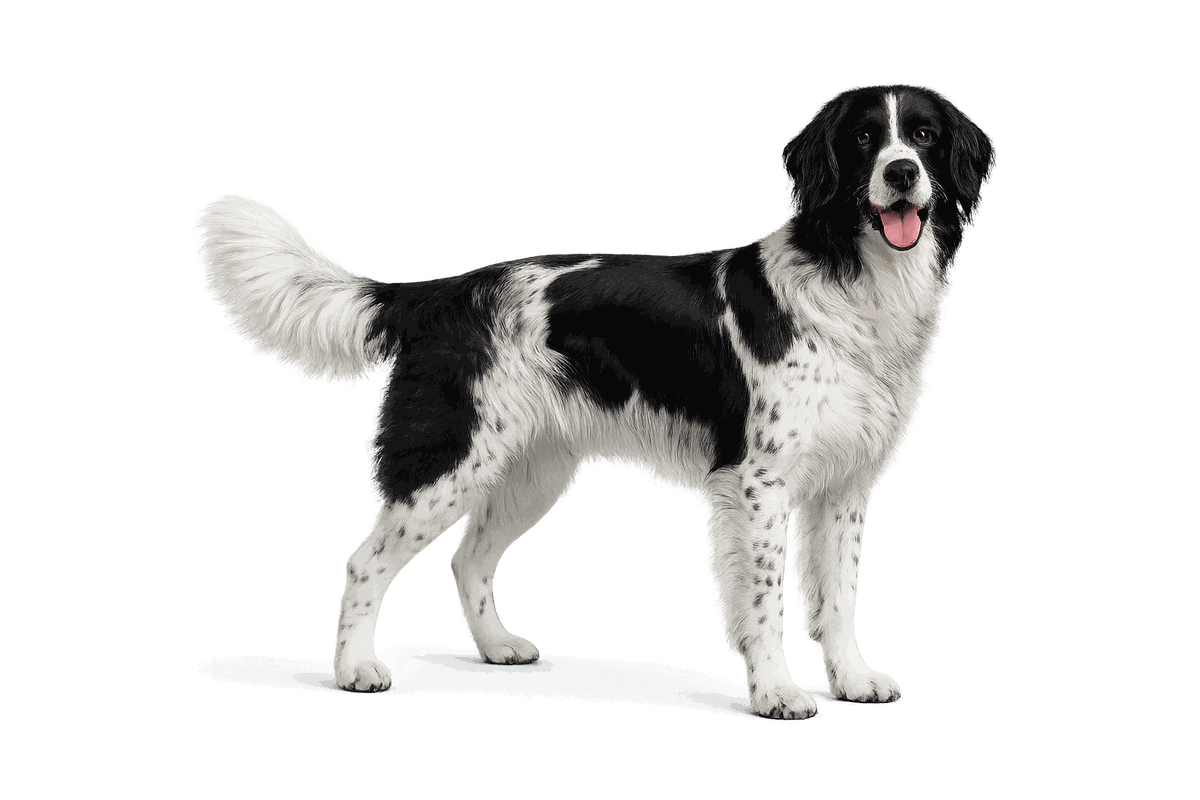
Weight
55-75 lb
Height
22.8-25.6 in
Lifespan
11-13 yrs
Coat
Double Medium
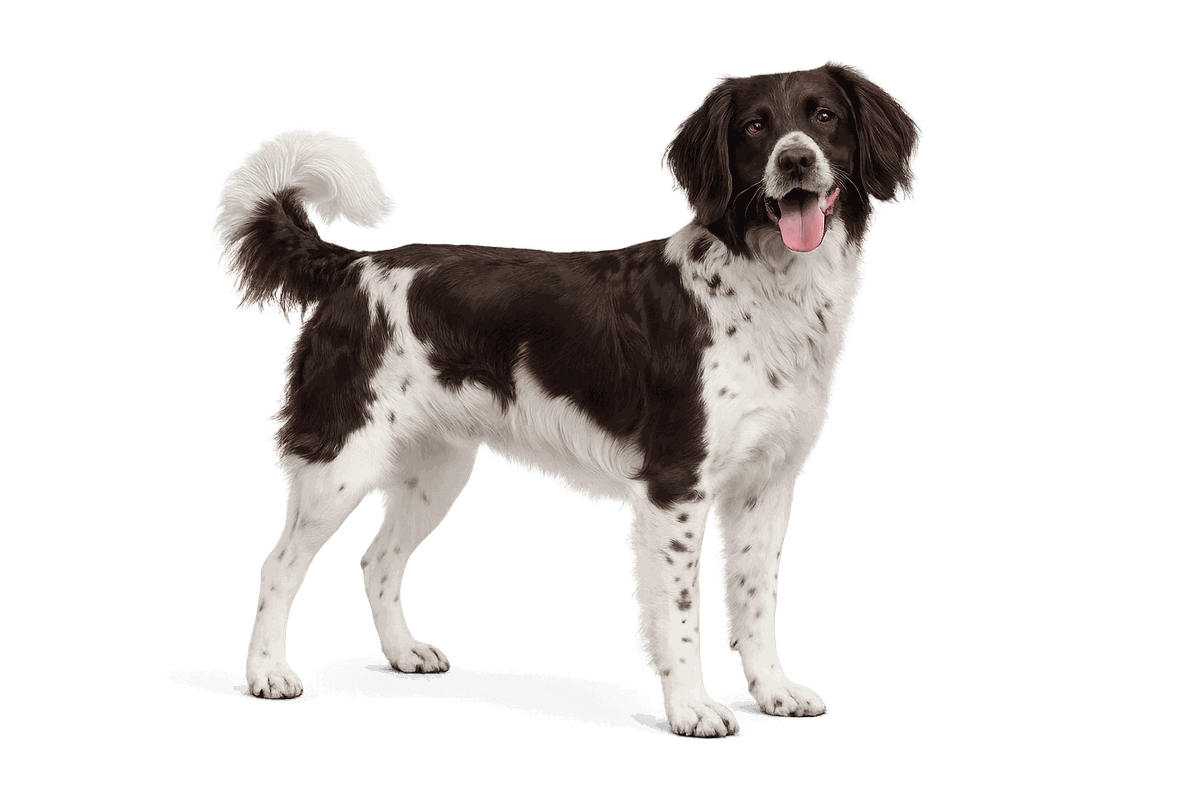
The Large Munsterlander is a German versatile pointing dog with a black-and-white coat, strong field drive, and close-working, trainable temperament.
Official, native, and commonly used variants
Weight
55-75 lb
Height
22.8-25.6 in
Lifespan
11-13 yrs
Coat
Double Medium
At A Glance
A quick read on energy, upkeep, and what day-to-day life with this breed usually feels like.
Energy
High
Barking
Moderate
Drooling
Low
Shedding
Moderate
Grooming
3/5
First-time owner
No
The Large Munsterlander is a German versatile gundog developed from long-haired pointing dogs and recognized as a separate black-and-white breed. FCI describes it as a multipurpose hunting dog for pointing, retrieving, and tracking, with a strong but noble outline, feathered coat, and reliable working temperament.
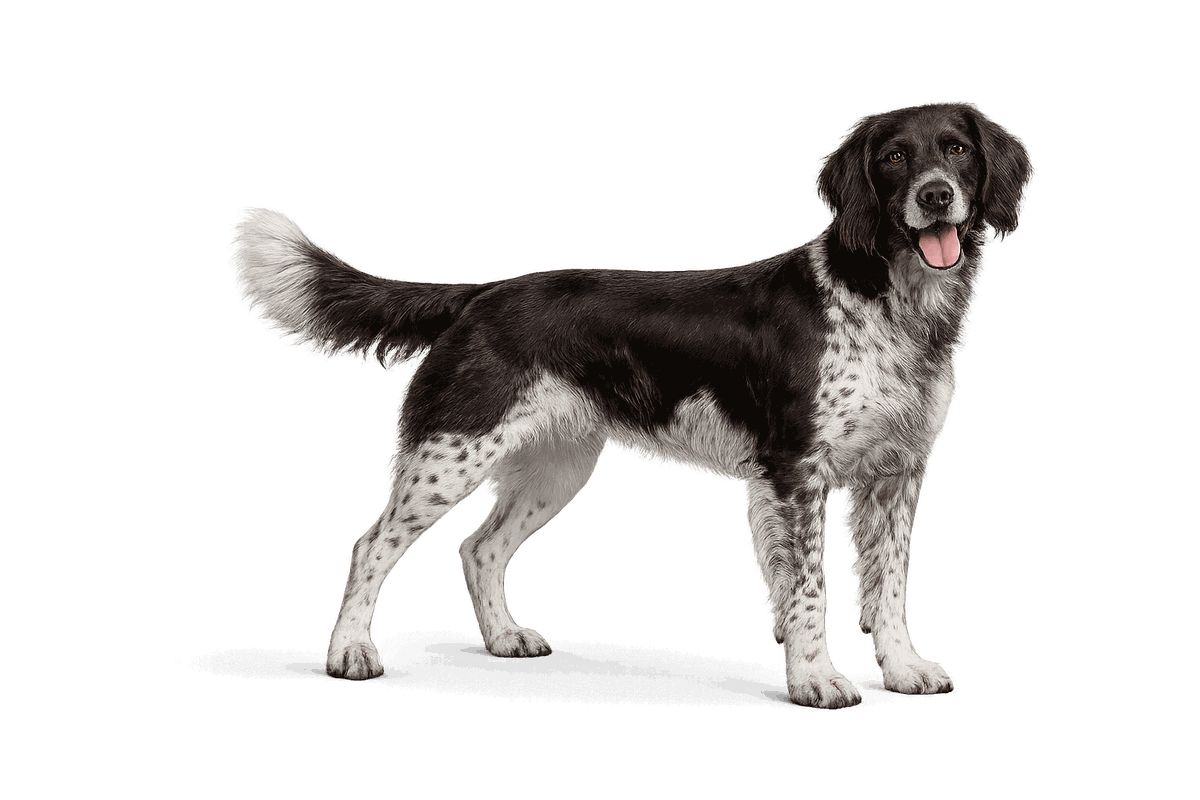
This is not a moderate-activity companion that can thrive on casual walks alone. A Large Munsterlander needs meaningful daily exercise, field-style training, retrieving, scent work, and close partnership with its owner. The coat is black and white, with a solid black head and white blaze or spot permitted, and the body may be white with black patches, blue roan, or finely speckled.
The breed suits active homes that enjoy outdoor training and can manage a clever sporting dog. Responsible breeders should discuss hip screening, eyes, ears, working ability, temperament, and the difference between show, field, and dual-purpose lines.
This breed tends to suit homes looking for a trainable, reliable, lively companion, with daily rhythms shaped by high energy, moderate barking, and low drooling.
Coat type
Double
Coat length
Medium
Shedding
Moderate
Colors
White with black patches, Blue roan, Black and white, White with black ticking
The Large Munsterlander is difficult in apartments unless the owner can provide serious daily outdoor work.
Barking is usually manageable when the dog is exercised, but frustration and underwork can create noise and restlessness.
Use rewards, field games, retrieving, recall, and scent work. This breed learns best when training connects to real tasks.
Brush feathering, remove burrs, and check ears after wet or brushy work.
Most Large Munsterlanders need 90 minutes or more of daily activity, ideally including field training, retrieving, scent work, swimming, hiking, and recall practice.
Brush the feathered coat weekly and after field work, checking ears, tail, feet, and feathering for burrs. Clean ears after swimming or wet cover.
Use reward-based training with practical field outlets. The breed is usually willing and intelligent, but it needs purposeful work, not only repetitive obedience.
Feed measured meals for an active large gundog and adjust calories for hunting season, rest periods, and body condition.
Energy level
High
Barking level
Moderate
Drooling level
Low
Watchdog ability
3/5
Guard dog ability
1/5
Climate tolerance
Common concerns to discuss with your vet and breeder.
This profile was researched from established breed and canine-care references. Breed tendencies describe typical patterns, not a guarantee for every individual dog.
Reviewed by the Dogs Index Editorial Team. For health or behavior concerns, consult a veterinarian or appropriately qualified professional.
Our Shop
Browse practical products for feeding, grooming, cleanup, enrichment, and smoother daily routines.