
Reactive Dogs Articles
Practical guides for barking, lunging, pulling, thresholds, and calmer leash walks.
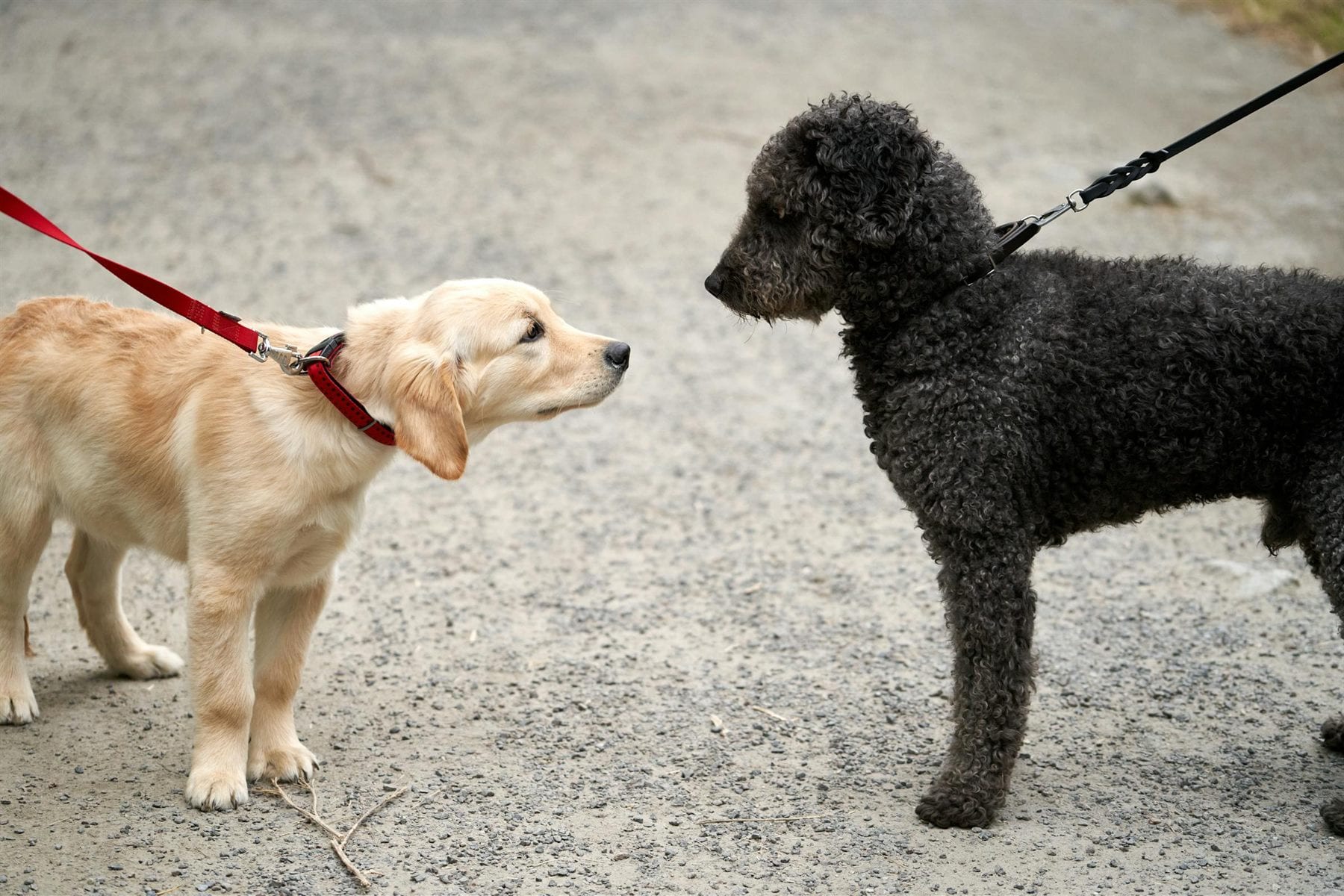
Reactive Dogs Guide: Start Here for Calmer Walks and Fewer Reactions
A start-here map for the Dogs Index reactive dog cluster: barking, lunging, thresholds, apartment walks, cars, bikes, doorbells, treats, and recovery.
Most Recent
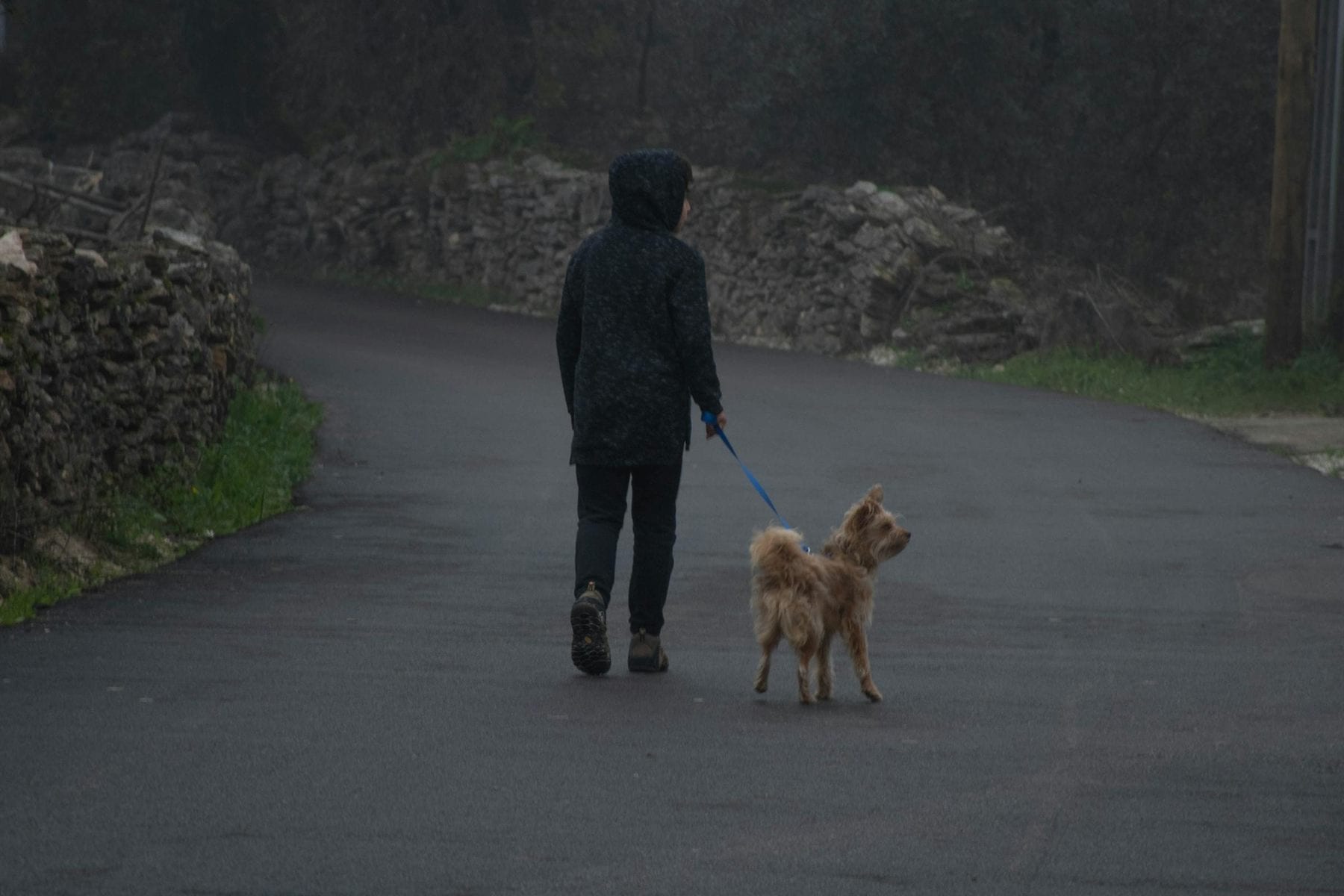
Emergency U-Turn for Reactive Dogs: How to Teach a Calm Exit
An emergency U-turn is not avoidance forever. It is a rehearsed exit skill that helps reactive dogs move away before a trigger gets too close.
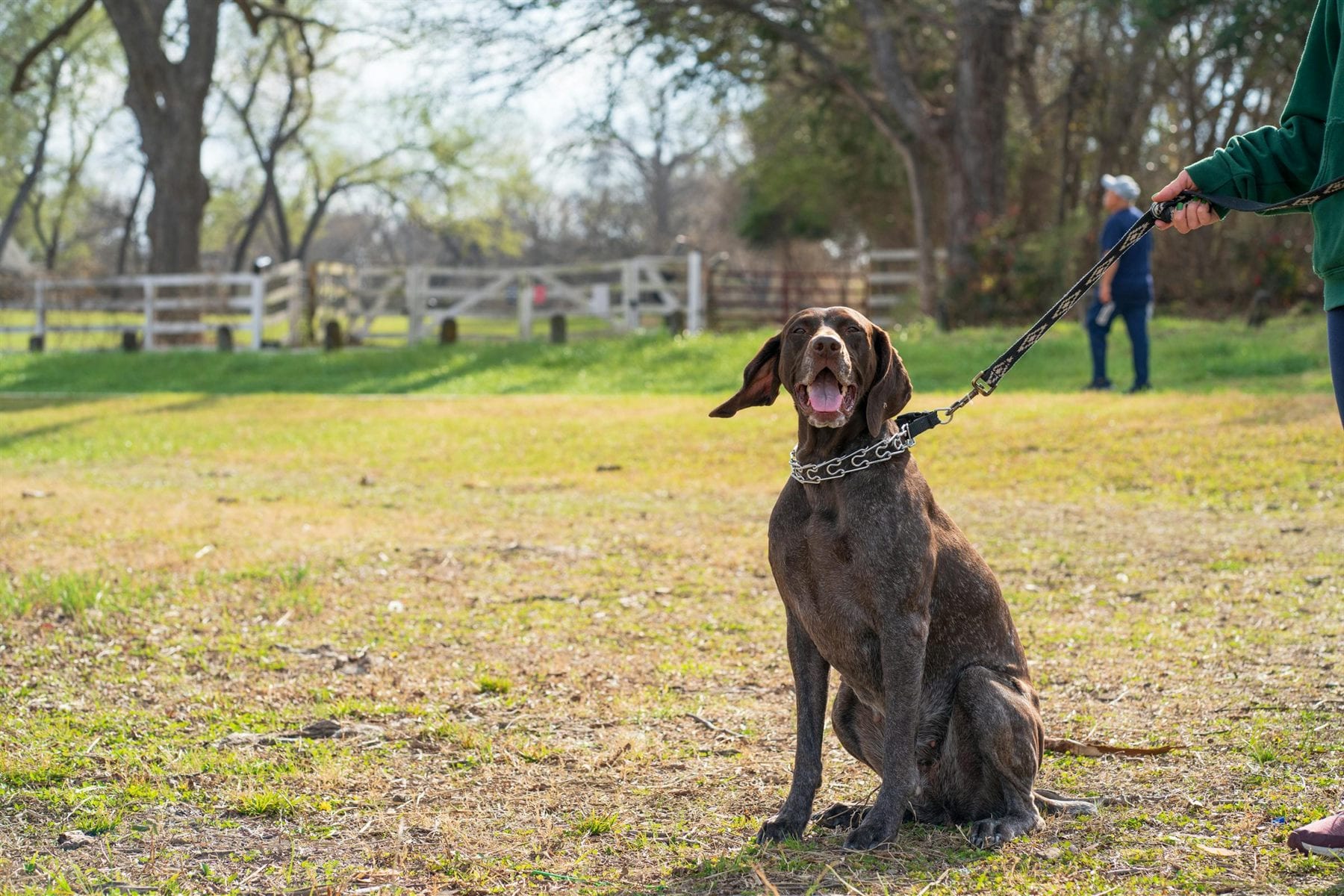
Decompression Walks for Reactive Dogs: How to Make Walks Calmer
Decompression walks are not lazy walks. They are low-pressure outings that give reactive dogs room to sniff, move, recover, and stop rehearsing leash reactions.
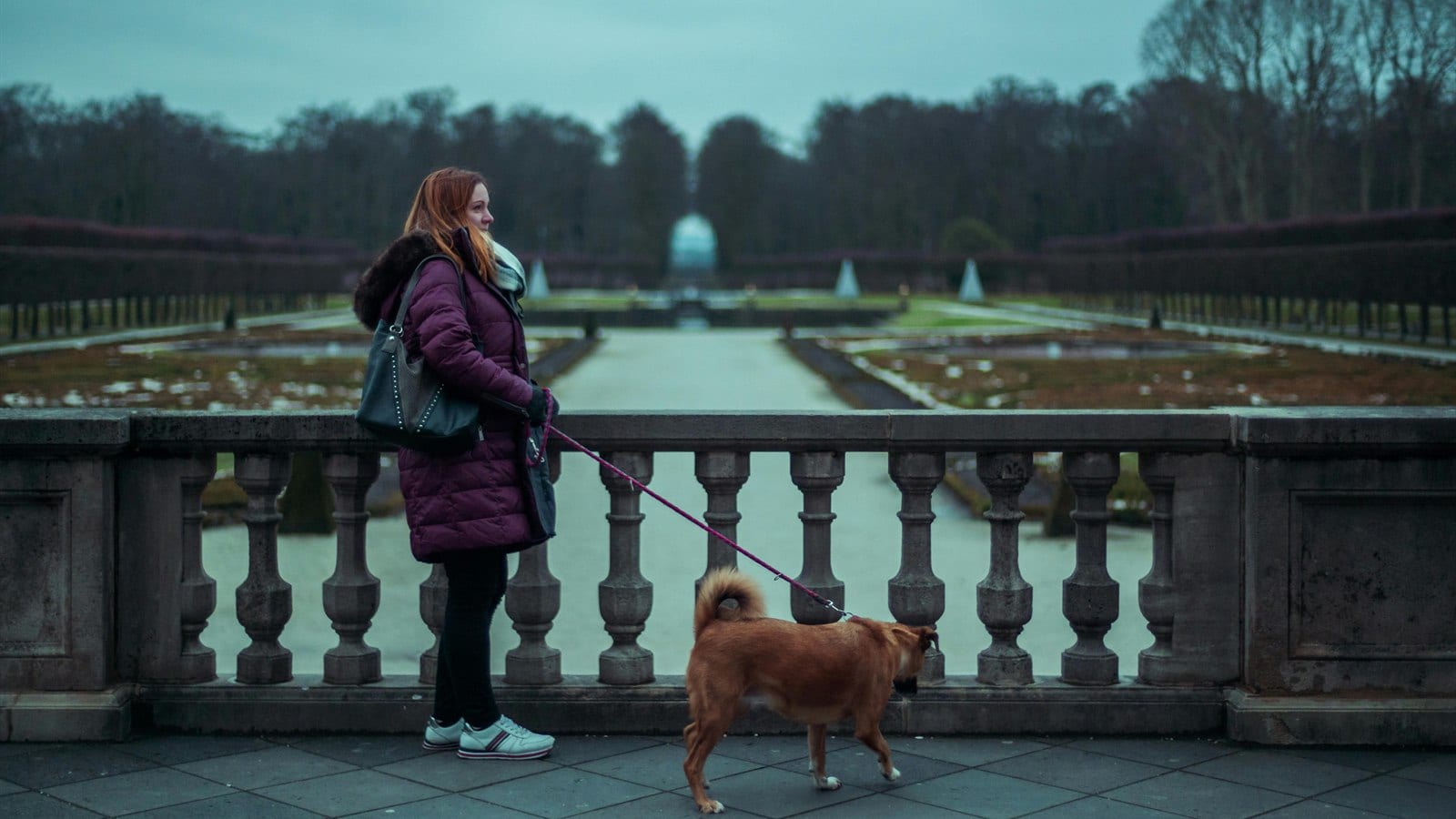
Reactive Dog Threshold: What It Means and How to Stay Under It
Reactive dog threshold is the line between learning and reacting. This guide explains how to read early signs, use distance, and recover when a walk gets too hard.
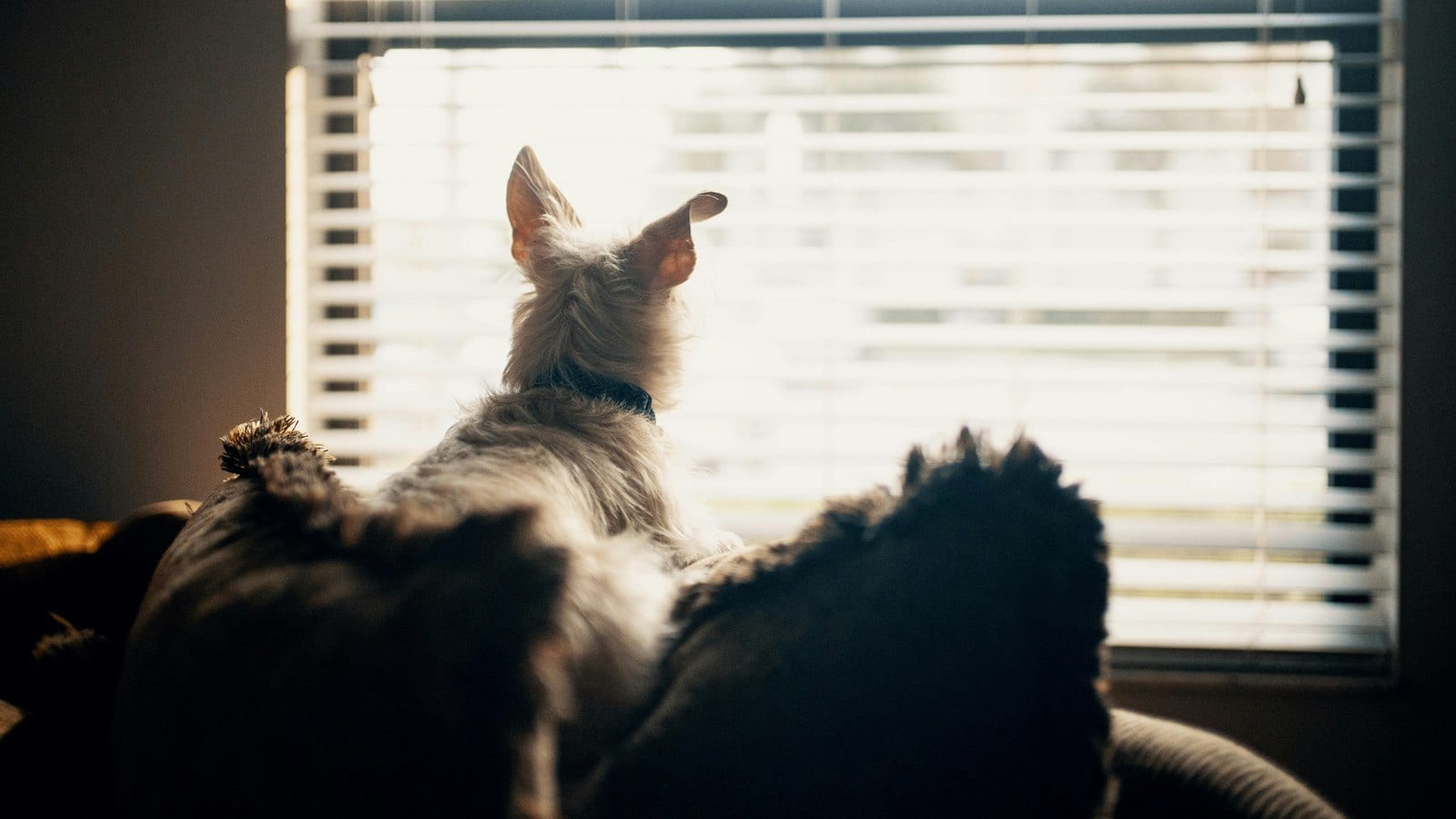
Dog Barks Out the Window: How to Stop the Watch-and-React Cycle
Window barking gets stronger when a dog spends the day watching triggers appear and disappear. This guide explains how to manage the view, reward calm choices, and teach a better routine away from the glass.
Dog Barks at the Doorbell: How to Build a Calmer Visitor Routine
Doorbell barking is usually a mix of alarm, excitement, habit, and rehearsed door rushing. This guide shows how to lower the trigger, teach a mat routine, and manage visitors without turning the doorway into a daily crisis.
Dog Reacts to Cars on Walks: A Safer Training Plan for Traffic
Traffic reactions are a safety issue first. This guide shows how to stop rehearsing car lunging and build calmer walks with distance, observation, and reinforcement.
What Not to Do With a Reactive Dog on Walks
Reactive dog walks get harder when owners force greetings, wait too close, tighten the leash, or punish the reaction. This guide shows what to avoid and what to do instead.
Can a Reactive Dog Go to Daycare? How to Decide Safely
Dog daycare is not automatically good or bad for reactive dogs. This guide explains how to judge your dog's triggers, spot red flags, ask better questions, and choose safer alternatives.

Best Treats for Reactive Dog Training: What to Use and When to Feed
Reactive dog training treats need to be easy to eat, high value, and used before the bark or lunge. This guide explains what to carry, when to feed, and when food is not the real problem.
Dog Is Fine Off Leash But Reactive on Leash: Why It Happens and What to Do
Some dogs look social at the park but bark, pull, or lunge when leashed. This guide explains leash frustration, pressure, distance, and safer ways to rebuild calm dog sightings.
Dog Barks at Strangers on Walks: Why It Happens and What to Do
Barking at strangers on walks can come from fear, frustration, guarding, surprise, or leash pressure. This guide shows how to handle people-trigger reactions without making them worse.
Dog Freezes on Walks: Why It Happens and How to Help
Freezing on walks can look stubborn, but it often means the dog is overwhelmed, unsure, sore, or over threshold. Here is how to help without pulling or pressure.
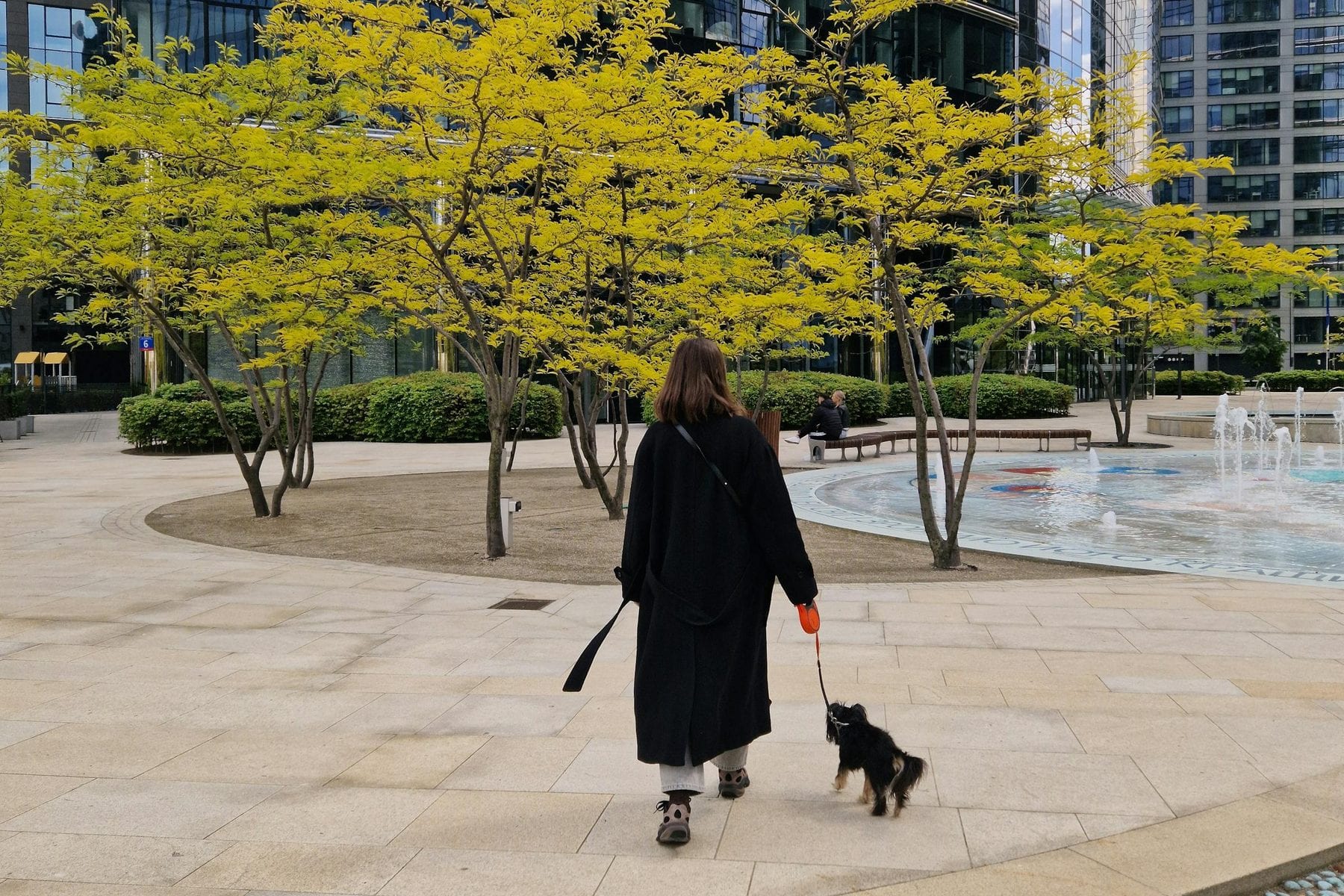
How to Walk a Reactive Dog in an Apartment Complex Without Making It Worse
Apartment complexes can make reactive dog walks feel impossible. This guide shows how to plan exits, use distance, avoid lobby pileups, and build calmer leash routines.
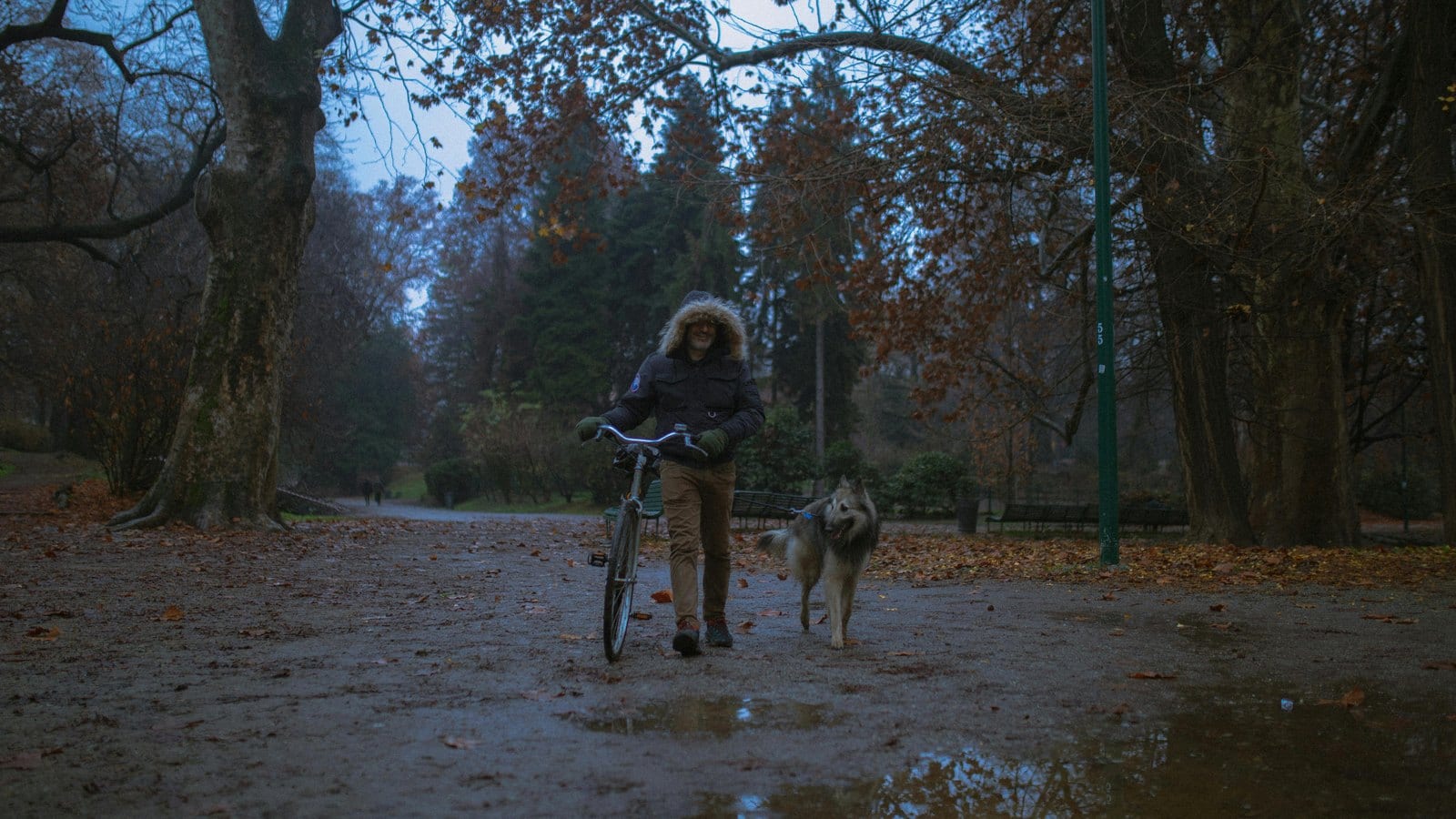
Dog Reacts to Bikes on Walks: How to Calm the Chase, Barking, or Lunge
Bike reactions can feel sudden and scary. This guide shows how to create distance, read your dog's body language, and practice calmer bike passes.
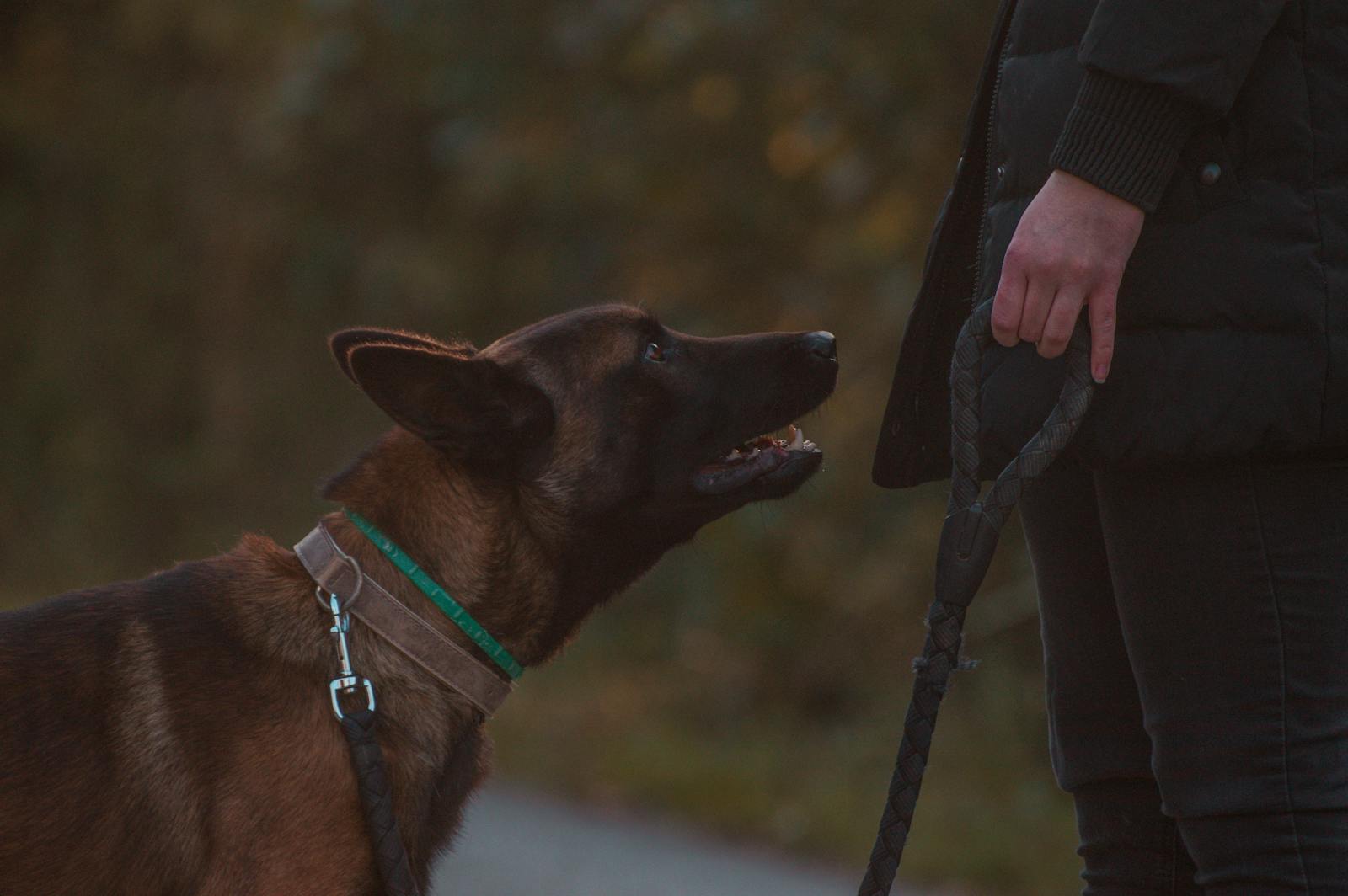
Reactive Dog Training: What to Do When Your Dog Barks, Lunges, or Freezes on Walks
A practical guide to leash reactivity: how to use distance, rewards, body language, and calmer routines when walks feel stressful.
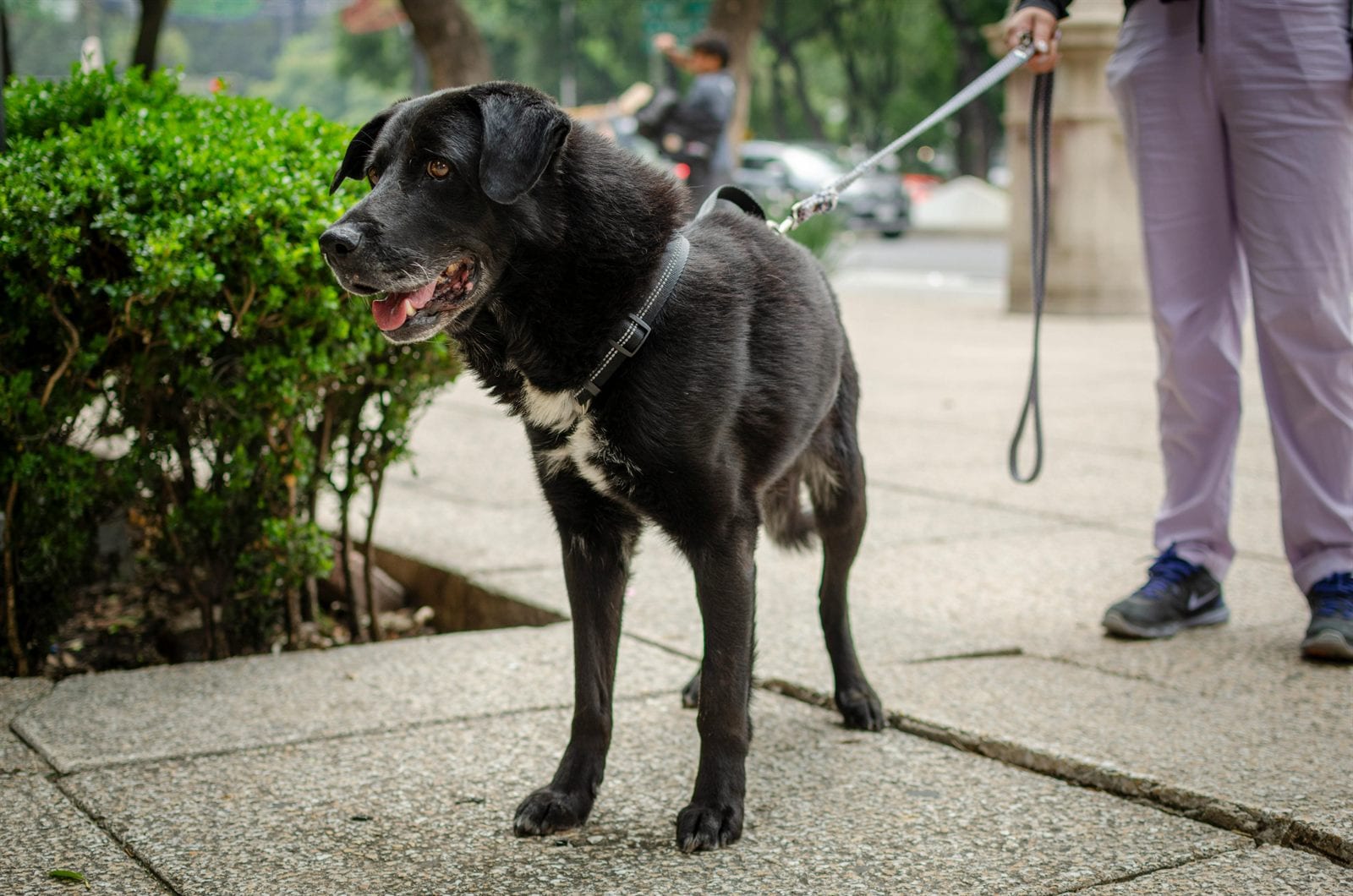
Dog Lunging on Leash: Why It Happens and What to Do
If your dog suddenly launches toward dogs, people, bikes, or cars on walks, the first fix is not more pressure. It is distance, safety, and a calmer plan.
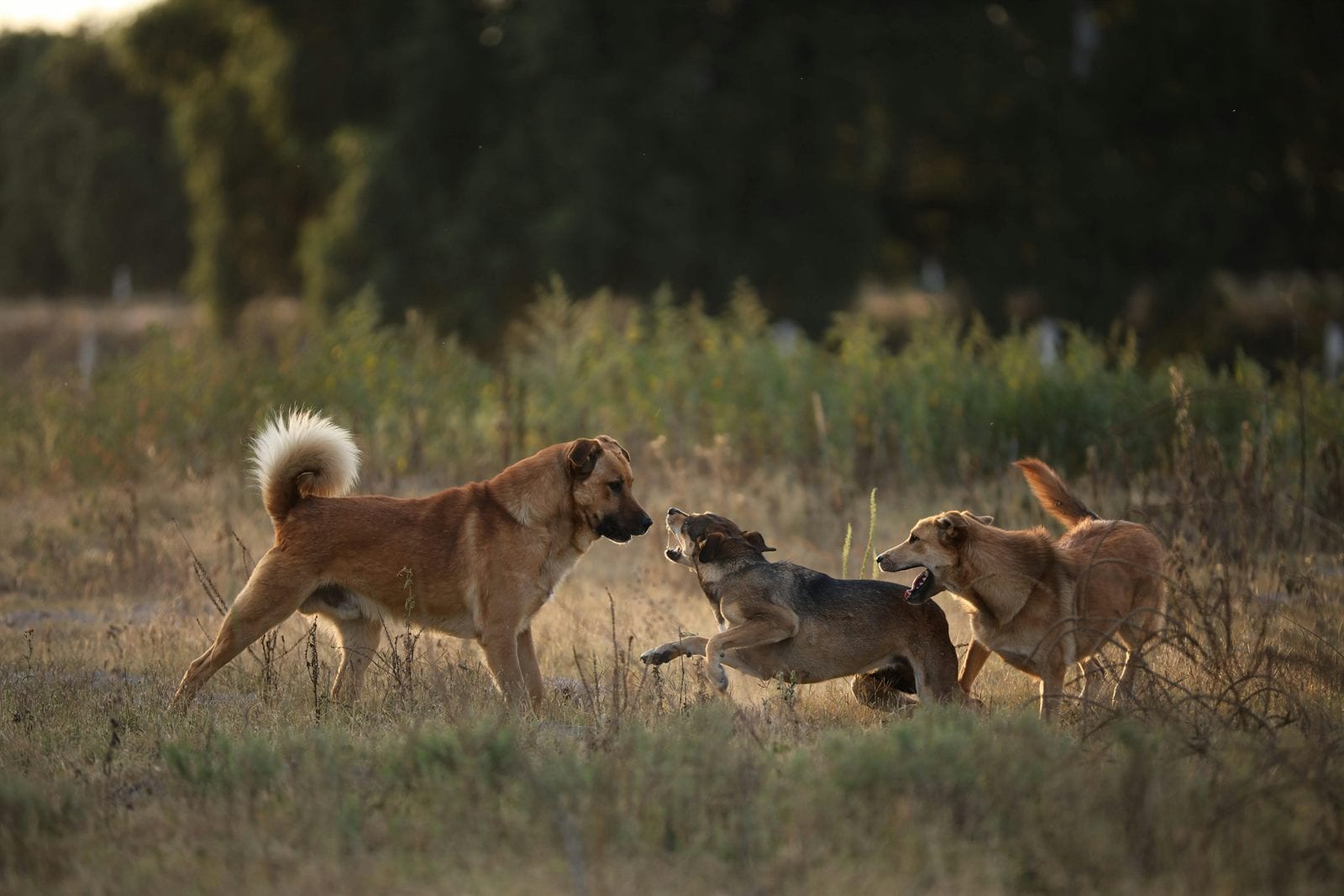
Why Does My Dog Bark at Other Dogs on Walks?
That sidewalk barking storm usually has a reason. Here is how to read what your dog is saying, create space, and start calmer walks without making the problem bigger.
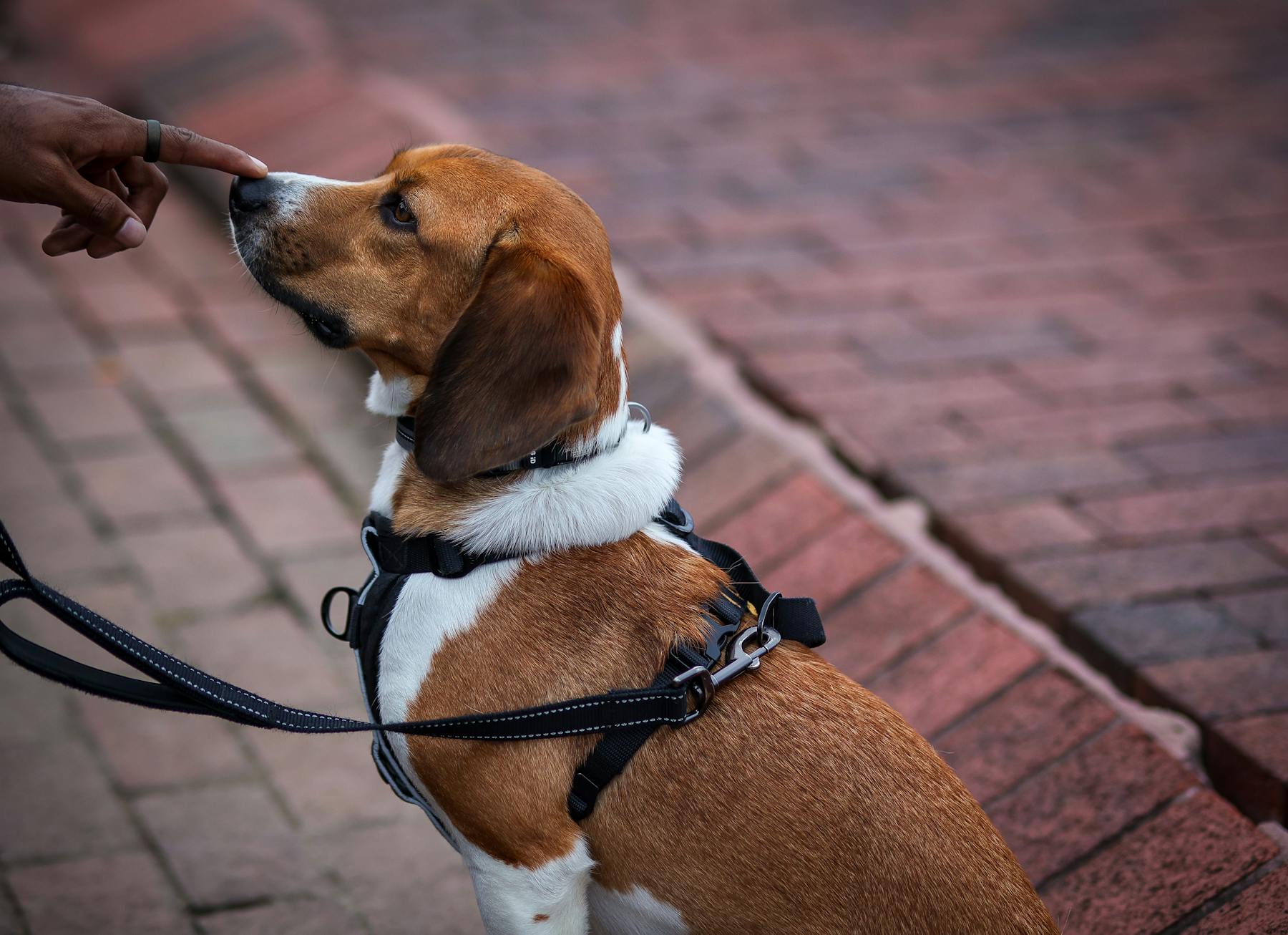
How to Stop a Dog from Pulling on the Leash
A simple, realistic leash-pulling plan for everyday walks, including what to do when your dog pulls toward smells, people, or other dogs.