You are walking down the sidewalk with a coffee in one hand and the leash in the other.
Your dog is sniffing. The morning feels normal. Then another dog appears half a block away.
Your dog's body changes before the bark even arrives. Head up. Mouth closed. Tail stiff or buzzing. The leash tightens. One second later, your peaceful walk has become a public announcement.
If your dog barks at other dogs on walks, it can feel embarrassing, confusing, and honestly a little personal. But your dog is not trying to ruin your day. They are communicating badly because the situation feels too big.
The goal is not to shame the barking out of them. The goal is to understand what the barking is doing for your dog, then teach a safer pattern.
Key takeaways
- Barking at other dogs on walks is often leash reactivity, fear, frustration, excitement, or overwhelm.
- Your dog's body language usually changes before the barking starts.
- Distance is the first fix. If your dog is already exploding, you are too close.
- Repeated close sidewalk greetings can make the problem worse for many dogs.
- Calm walks are built through boring, successful repetitions.
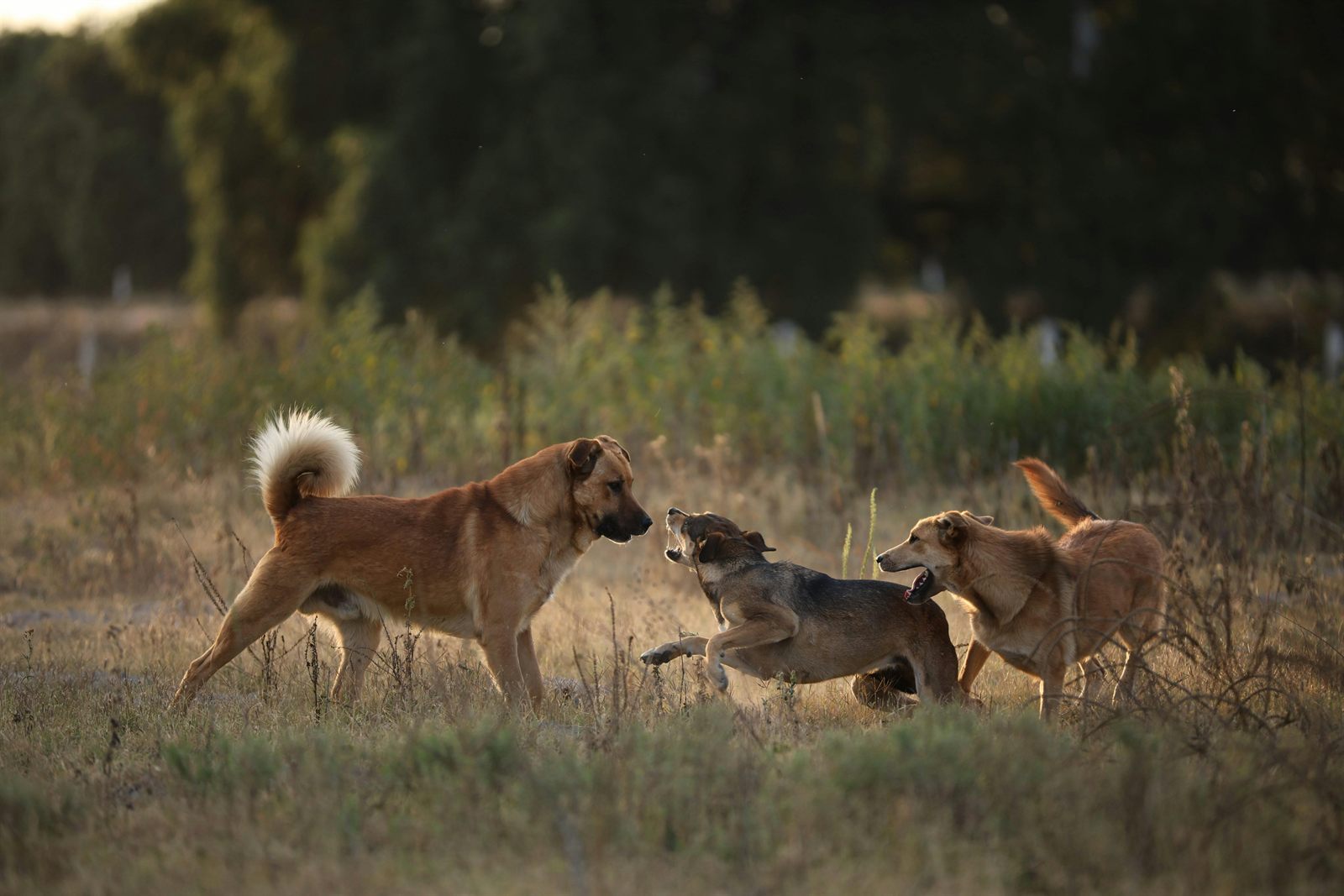
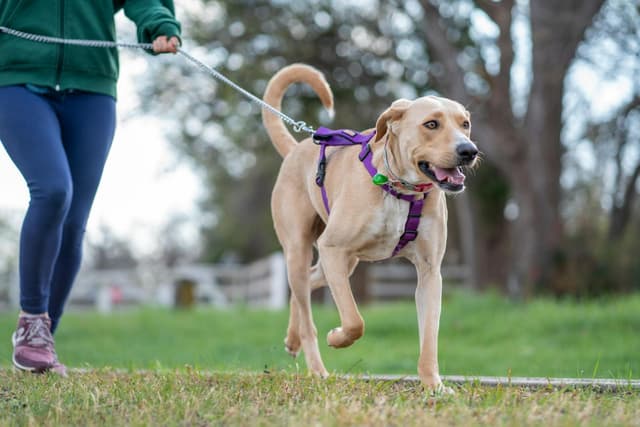
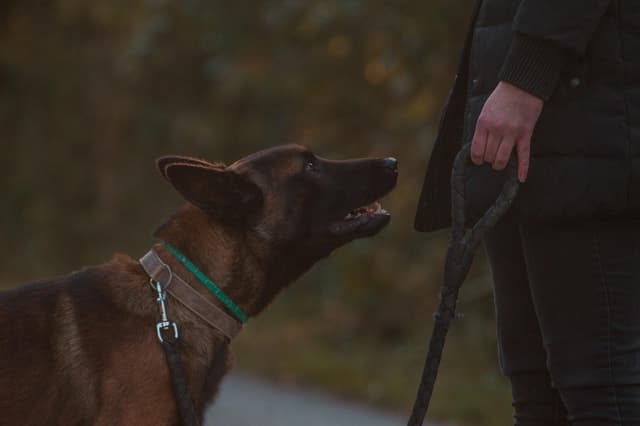
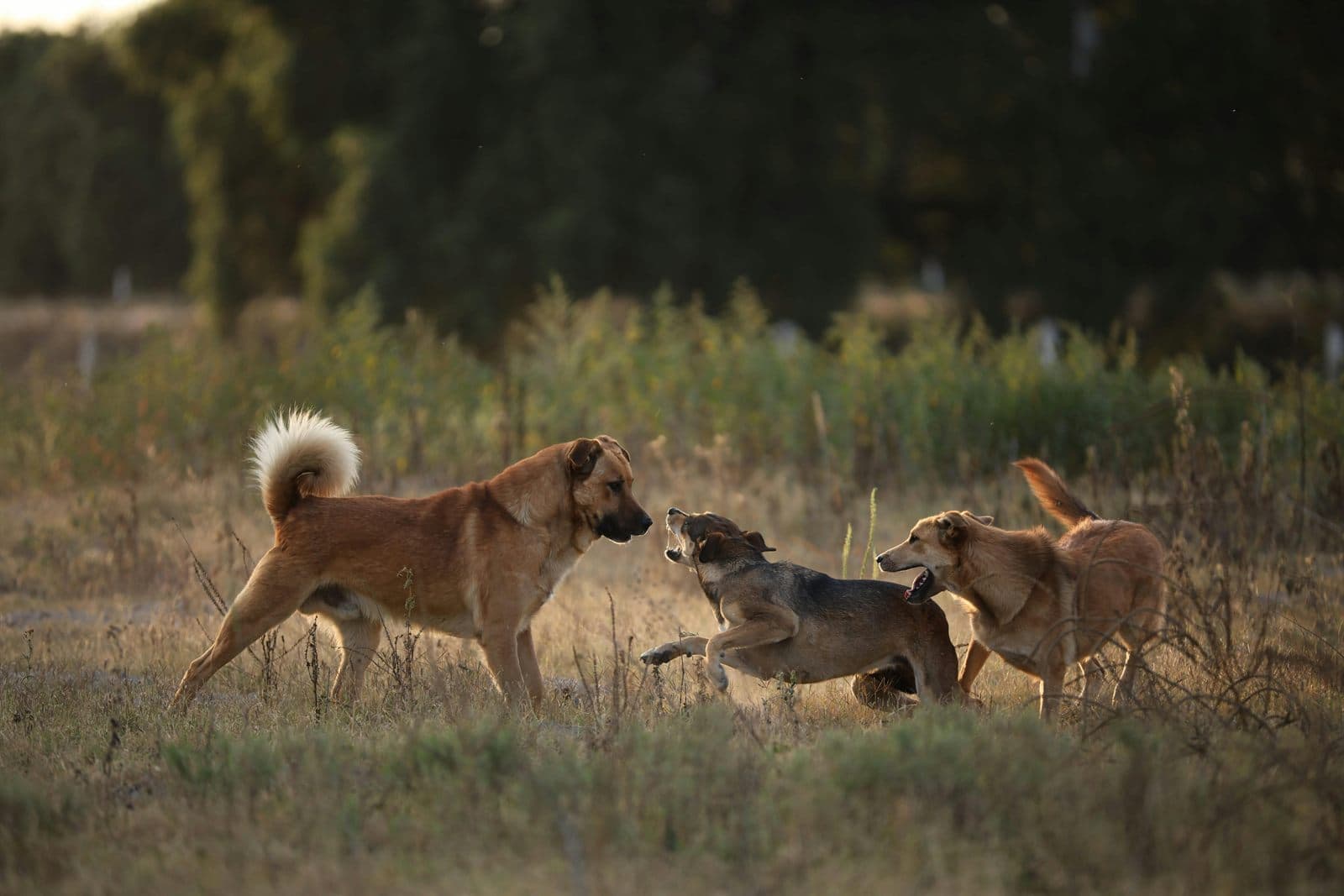
Dog barking at other dogs on walks often starts before the first sound. The body gets tense, the leash tightens, and the dog needs help before the reaction gets loud.
Why dog barking at other dogs on walks happens
Your dog may bark at other dogs on walks because they are:
- afraid and trying to make the other dog go away
- frustrated because they want to greet but cannot
- overexcited and unable to regulate themselves
- surprised by tight spaces or sudden appearances
- uncomfortable because of pain, age, or illness
- practicing a habit that has worked before
Cornell University College of Veterinary Medicine describes reactive dogs as dogs who overrespond to normal stimuli, often with barking, lunging, or growling. Cornell also notes that reactive dogs are not automatically aggressive, but the behavior still needs support because it can escalate if ignored or handled harshly.
That distinction matters.
A dog who barks on leash is not giving you a neat diagnosis. They are giving you a noisy clue.
Reason 1: Fear
Fear barking often sounds sharp, urgent, or frantic.
Your dog may be saying:
- "That dog is too close."
- "I cannot get away."
- "Please make space."
- "I do not know what happens next."
Fearful dogs may also:
- freeze before barking
- stare hard
- hide behind you
- tuck their tail
- refuse treats
- bark more when trapped on a narrow path
This is common with dogs who had scary past experiences, limited socialization, repeated bad greetings, or naturally cautious temperaments.
The leash makes fear harder because your dog cannot choose their own distance. Off leash, a worried dog might curve away. On leash, they are attached to a human walking straight toward the problem.
That is a lot of pressure.
Reason 2: Frustration
Some dogs are not scared. They are furious that the leash has rules.
This is the dog who loves other dogs at daycare, plays beautifully with familiar dogs, then screams like a tiny sports fan when they see one across the street.
Frustration barking often comes with:
- pulling toward the dog
- bouncing or whining
- wagging with a tense body
- barking when they cannot reach the other dog
- calming down once the dog disappears or gets closer
This can happen when a dog has learned that seeing another dog usually means greeting, playing, or charging forward. Then one day the leash says no, and the dog has no backup plan.
The fix is not unlimited greetings. That often teaches:
bark hard enough and the dog comes closer
Instead, teach your dog that seeing another dog predicts calm rewards from you.
Reason 3: Excitement overload
Some dogs bark because their brain turns into confetti.
They are not trying to scare the other dog. They are not making a careful decision. They are simply too high.
You may see:
- spinning
- squealing
- jumping
- grabbing the leash
- switching between sniffing and exploding
- taking treats too hard or not at all
For these dogs, the question is less "How do I stop the bark?" and more "How do I lower the whole walk's intensity?"
Start the walk slower. Let them sniff. Use quieter routes. Add easy pattern games like "look at me, treat" before you need them. If your dog starts every walk like a rocket, another dog is just the spark.
Reason 4: The leash changes the conversation
Dog greetings are not naturally face-to-face in a straight line. Many polite dogs curve, sniff the ground, pause, turn their bodies, or approach indirectly.
Sidewalks often force the opposite:
- straight approach
- tight leash
- narrow space
- no escape route
- human tension traveling down the leash
That setup can make even social dogs feel trapped.
ASPCApro describes leash-reactive dogs as dogs who bark or lunge at passing dogs, people, animals, or objects, turning walks from fun into stress. The word "leash" is important. The same dog may act differently in a fenced space, at a distance, or during a calm parallel walk.
Reason 5: Pain or discomfort
If the barking is new, sudden, or getting worse fast, do not skip the body check.
A dog with pain may have less patience for close encounters. Joint pain, ear infections, vision changes, digestive discomfort, and general illness can all lower a dog's tolerance.
Call your vet if the barking appeared with:
- limping
- sudden irritability
- yelping or flinching
- appetite changes
- sleep changes
- new sensitivity to touch
- a major behavior shift
Training is harder when a dog is physically uncomfortable.
How to read the bark before it happens
The bark is usually not the first sign. It is the headline.
Look for the smaller print:
- your dog stops sniffing
- ears lock onto the other dog
- body gets taller or lower
- mouth closes
- tail stiffens
- pace changes
- treats stop working
- your dog starts scanning
- the leash gets tight
That is your moment.
Not after the explosion. Not when your dog is already airborne. The useful training window is the few seconds before the bark.
What to do in the moment
When another dog appears, your job is simple:
Create enough space for your dog to think.
Try:
- crossing the street
- making a happy U-turn
- stepping behind a parked car
- moving into a driveway
- letting your dog sniff in the grass
- feeding treats as the other dog passes at a distance
Do not wait to see if your dog "can handle it" when you already know they probably cannot.
That gamble is how barking becomes the daily routine.
The calm-looking game
This is a simple starting exercise.
Step 1: Find the right distance
You need a distance where your dog can see another dog but still:
- eat
- respond to their name
- sniff
- turn away
- keep their body loose
For some dogs, that distance is across the street. For others, it is across a field.
That is fine. Start where your actual dog can succeed.
Step 2: Mark the calm look
When your dog sees the other dog and does not bark, say:
yes
Then give a treat.
You are teaching:
dog appears = check in with my human
Step 3: Leave before the bark
End the repetition while your dog is still doing well.
This part feels almost too simple, but it matters. You want your dog to rehearse the version of the walk where they notice, get paid, and move on.
Not the version where they practice five minutes of shouting.
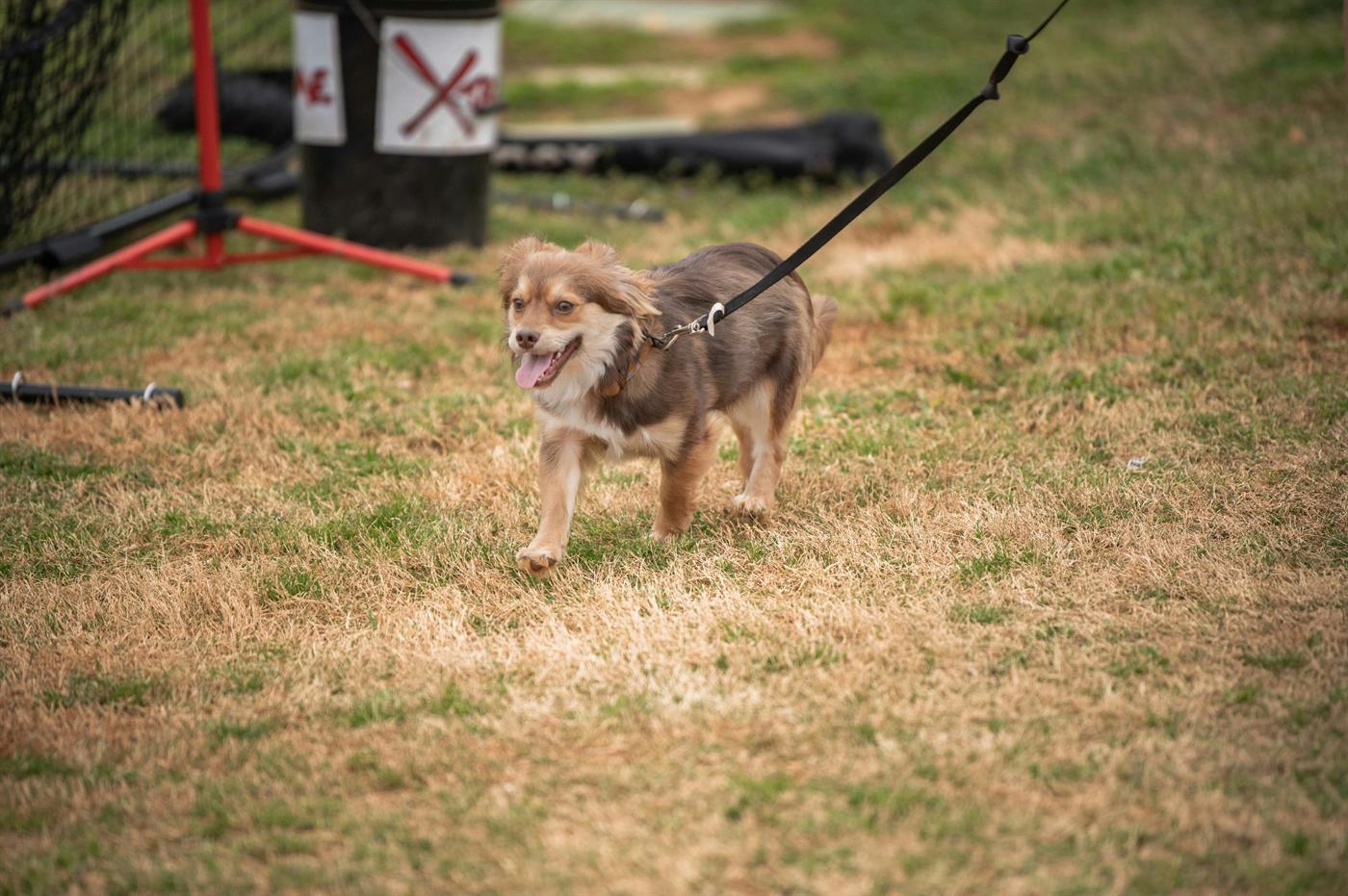
Good training usually starts farther away than owners expect. Distance gives your dog room to make a better choice.
Should you let your dog greet?
Usually not while they are barking.
If your dog is barking, lunging, dragging you forward, freezing, or ignoring you, they are not ready for a polite hello.
Leash greetings can work for some calm dogs, but they are risky for reactive or frustrated dogs because they are:
- tight
- brief
- face-to-face
- hard to interrupt
- influenced by both handlers' leash tension
If you want your dog to spend time near other dogs, use easier setups:
- parallel walks with space
- walking behind a calm dog at a distance
- training around dogs in a large open area
- planned sessions with a qualified trainer
The first goal is neutrality, not friendship.
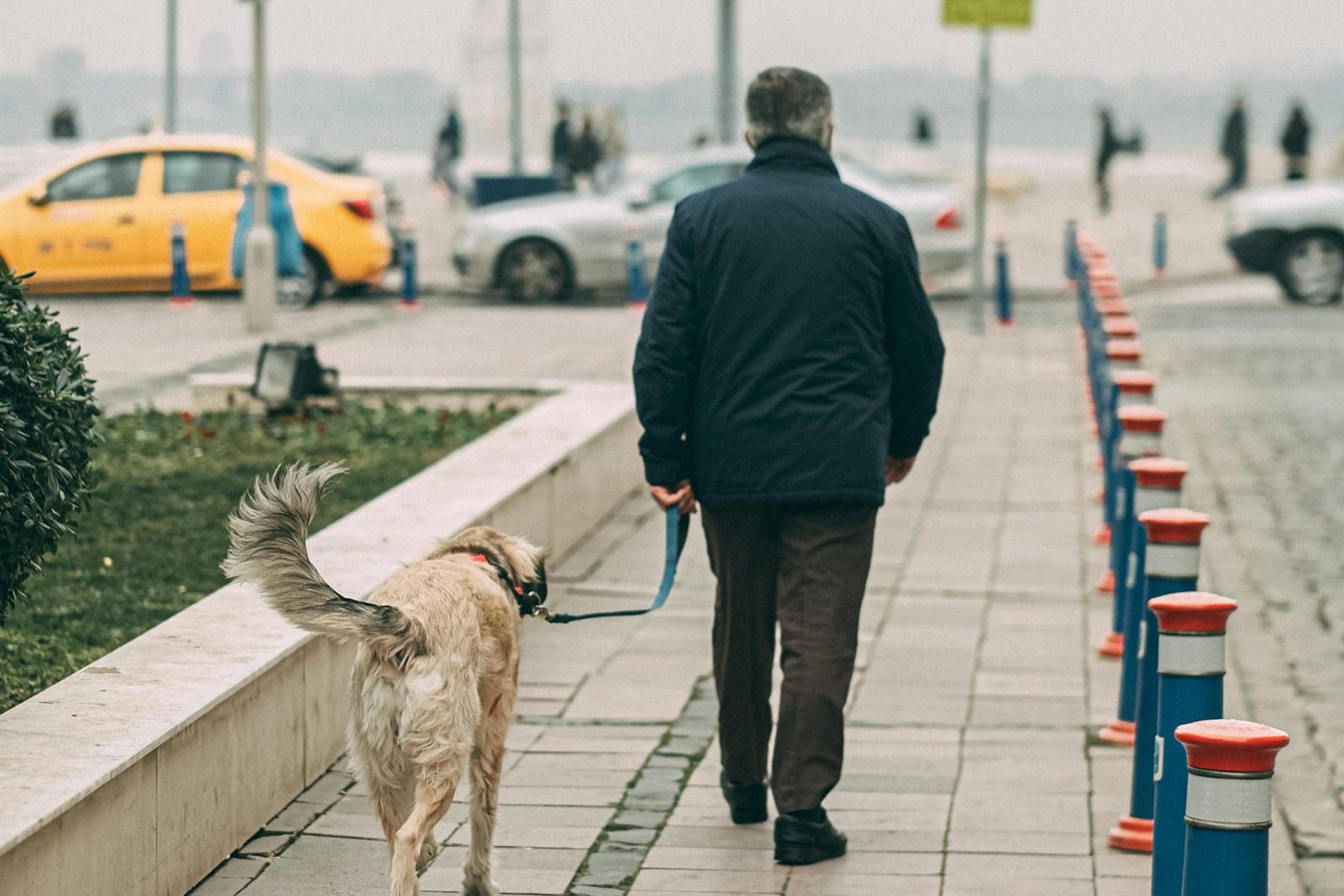
Quiet routes, wider paths, and early exits make it easier to keep barking below the explosion point.
What not to do
Do not punish the bark
Yelling, leash pops, or harsh corrections may stop noise for a second, but they can also teach your dog that other dogs predict bad things from you.
That can make the emotion worse.
Do not force greetings
"See, he's friendly!" is not a training plan.
If your dog is scared, forced greetings confirm that you will not protect their space. If your dog is frustrated, forced greetings may reward the barking.
Do not walk straight into known trouble
If your dog always barks on the narrow path by the school at 8 a.m., that is not a mystery. That is a setup.
Change the route while you train.
Do not expect your dog to fix this during chaotic walks
Busy sidewalks are advanced-level work. Start with quiet repetitions where both of you can breathe.
When barking becomes leash reactivity
If your dog repeatedly barks, lunges, growls, spins, or freezes around other dogs on walks, you may be dealing with leash reactivity.
That does not mean your dog is bad. It means the pattern is strong enough that casual advice probably will not be enough.
Read the full guide here: Reactive Dog Training: What to Do When Your Dog Barks, Lunges, or Freezes on Walks.
If pulling is part of the problem even when other dogs are not around, work on the foundation too: How to Stop a Dog from Pulling on the Leash.
You can also use the reactive dog walking guides hub to choose the next article based on whether your dog barks, lunges, pulls, or freezes.
A simple 7-day reset
Try this for one week.
Day 1: Map the triggers
Write down:
- where your dog barked
- how far away the other dog was
- what happened right before
- whether your dog took food
- how long recovery took
You are looking for patterns, not blame.
Day 2: Change the route
Pick the boring route.
Wide streets, open sightlines, fewer surprise corners. Boring is beautiful when you are retraining a nervous system.
Day 3: Practice U-turns without dogs
Say "this way," turn, and reward your dog for moving with you.
Practice when nothing is happening so the skill is ready when something is.
Day 4: Reward calm noticing
At a safe distance, reward your dog for seeing another dog and staying under control.
One clean repetition is better than ten messy ones.
Day 5: Add sniff breaks
Sniffing can help many dogs decompress. Use grass, tree lawns, or quiet corners as pressure valves during the walk.
Day 6: Skip greetings
For one day, no leash greetings. Just create space, reward calm, and move on.
Notice whether your dog settles faster when greetings are off the table.
Day 7: Review the week
Ask:
- Which route was easiest?
- What distance worked best?
- Did my dog recover faster?
- What made barking worse?
That information is your training plan.
When to get professional help
Get help from a qualified reward-based trainer, veterinary behaviorist, or your veterinarian if:
- your dog has bitten or almost bitten
- you cannot physically manage the leash safely
- your dog redirects onto you or another household dog
- the barking is getting worse
- your dog panics, freezes, or will not recover
- the behavior appeared suddenly
- you feel anxious before every walk
VCA Animal Hospitals notes that freezing and staring can be subtle communication before barking or lunging. A professional can help you read those early signs and build a plan before the behavior escalates.
FAQ
Why does my dog bark at other dogs on walks?
Dog barking at other dogs on walks usually comes from fear, frustration, excitement, leash reactivity, poor social skills, pain, or repeated rehearsal. The best clue is body language before the bark.
Is my dog aggressive if they bark at other dogs on leash?
Not automatically. Many leash-barking dogs are scared, frustrated, or overwhelmed. Still, treat the behavior seriously because it can become unsafe if your dog is pushed too close.
Should I let my dog meet the other dog?
Not if your dog is already barking, lunging, freezing, or pulling hard. Create distance first. Calm parallel walking is usually safer than a tight face-to-face greeting.
What is the fastest way to stop the barking?
The fastest immediate fix is distance. Cross the street, turn around, or move behind a visual barrier before your dog goes over threshold.
Can this get better?
Yes, many dogs improve with management, reward-based practice, and better walk setups. The realistic goal is not that your dog loves every dog. The goal is that they can notice another dog and keep moving calmly.