
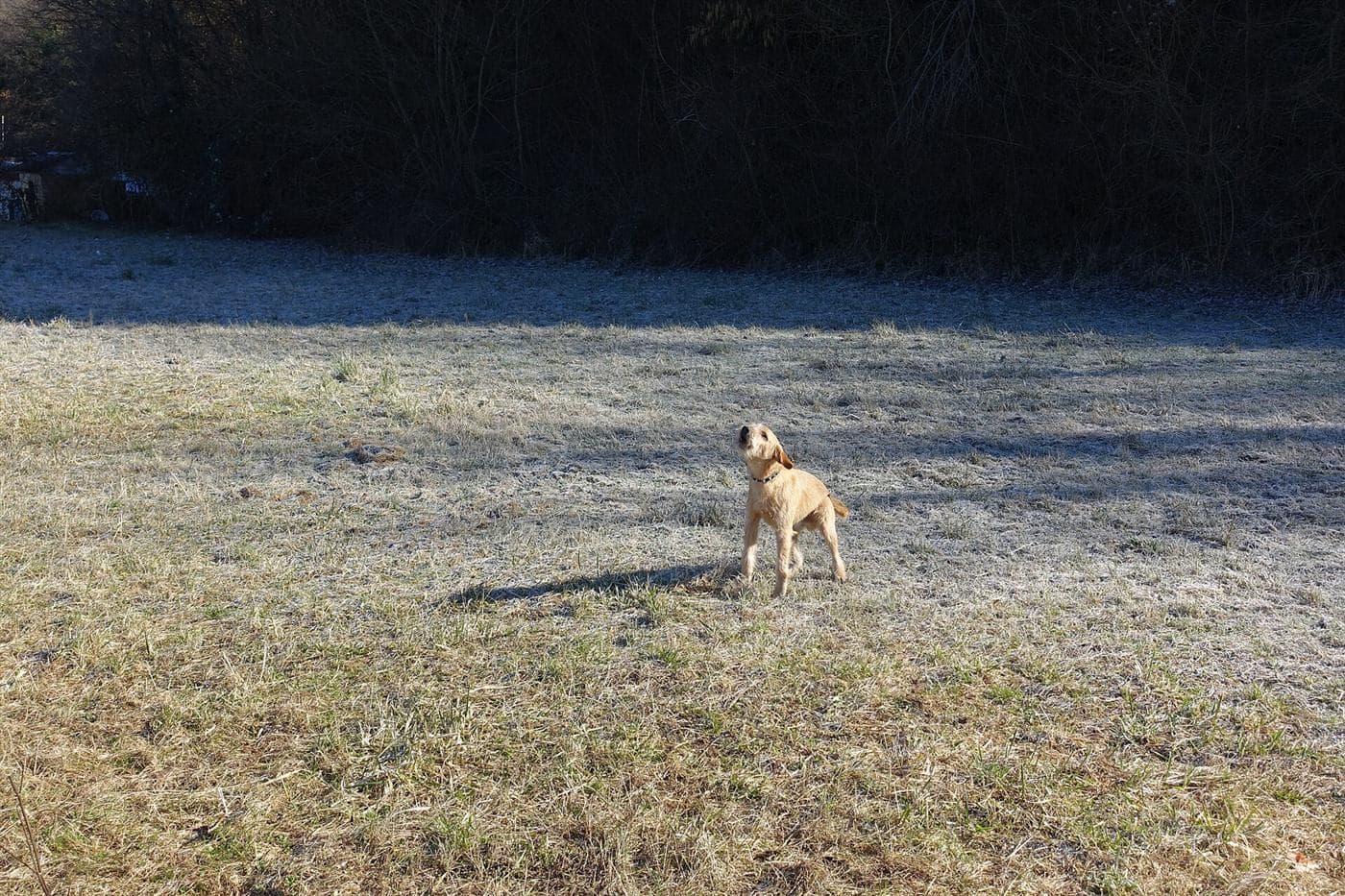
If your dog barks, lunges, growls, spins, or freezes when they see another dog on a walk, you are not dealing with a simple obedience problem.
You are probably dealing with leash reactivity.
Reactive dog training is not about forcing your dog to "get over it." It is about keeping everyone safe, lowering the emotional intensity, and teaching your dog what to do before they explode.
Key takeaways
- Reactive dogs are not automatically aggressive, but reactivity should be taken seriously.
- Distance is the first training tool. If your dog is already barking or lunging, you are too close.
- Reward-based training works best when the dog is under threshold and still able to think.
- Dog parks, crowded sidewalks, and face-to-face leash greetings usually make reactivity worse.
- Sudden behavior changes, bites, intense fear, or unsafe pulling should involve a vet, veterinary behaviorist, or qualified trainer.
Why reactive dog training matters in 2026
Dog behavior concerns are a major owner pain point right now. In March 2026, Bark Busters reported that reactivity and aggression made up the largest category of nearly 50,000 U.S. dog-training consultation inquiries, with many owners mistaking reactivity for true aggression.
Keyword data points in the same direction. Kwrds.ai dog training keyword data lists "dog training for reactive dogs" with meaningful monthly search volume and positive trend growth.
That does not mean every barking dog needs an expensive program. It does mean many owners are searching because normal walking advice is not enough.
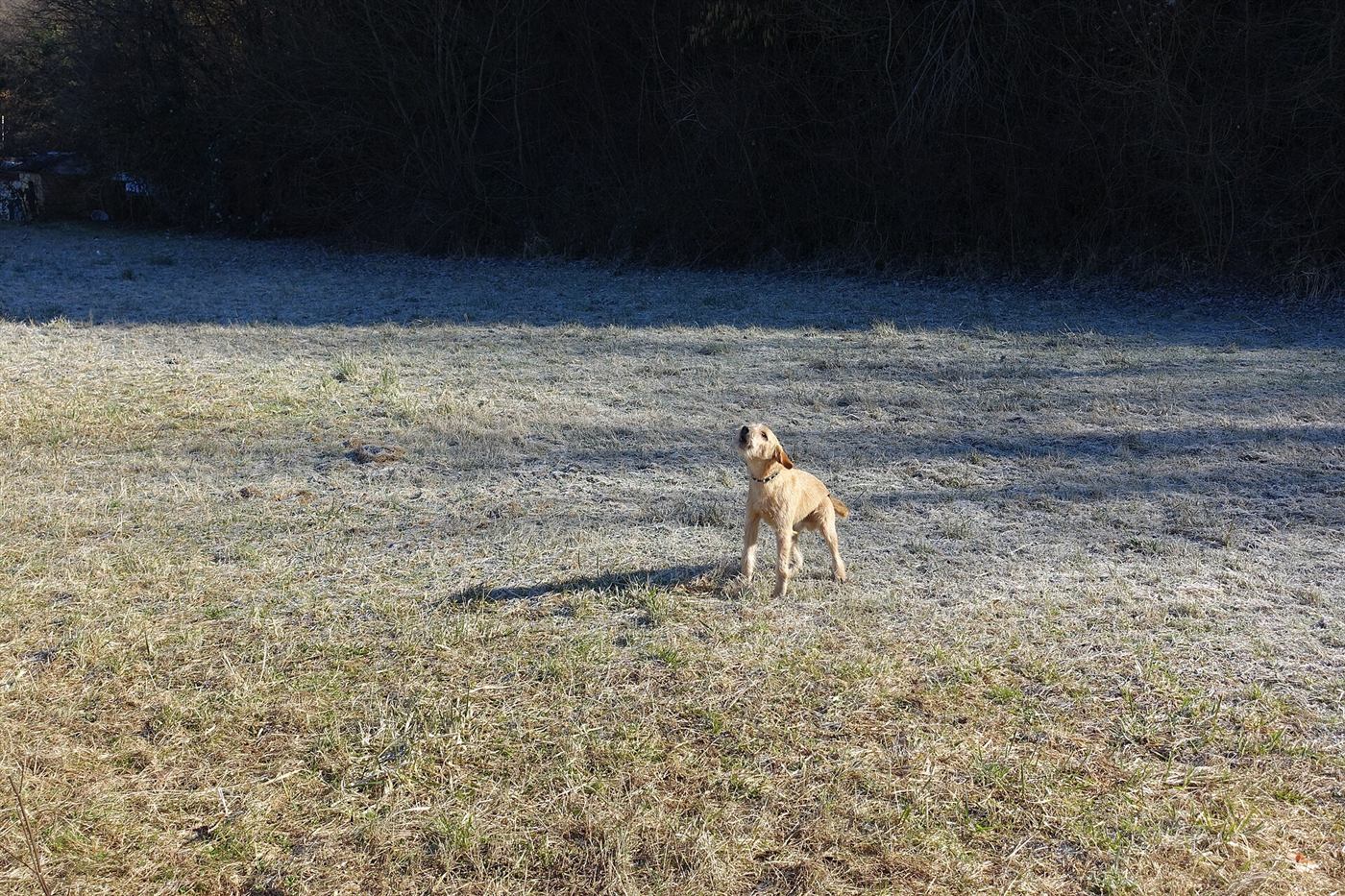
A reactive display can look dramatic, but the cause is often fear, frustration, overstimulation, or lack of coping skills.
What is a reactive dog?
A reactive dog overresponds to a trigger.
Common triggers include:
- other dogs
- unfamiliar people
- bikes, scooters, or runners
- cars or trucks
- children playing
- doorbells or visitors
- wildlife
- loud noises
- tight spaces, hallways, or elevators
Common reactions include:
- barking
- lunging
- growling
- whining
- spinning
- jumping
- staring hard
- freezing
- hiding behind you
- refusing treats
- pulling toward or away from the trigger
Cornell University College of Veterinary Medicine explains that reactive dogs become overly aroused by normal stimuli and may bark, lunge, or growl because they are fearful, frustrated, anxious, or overstimulated.
That distinction matters. If you treat fear like stubbornness, you can make the behavior worse.
Reactive dog vs aggressive dog
Reactivity and aggression can overlap, but they are not the same thing.
A reactive dog may be saying:
- "That dog is too close."
- "I want to get to that dog and I am frustrated."
- "I do not know what to do."
- "I need more space."
- "This environment is too much."
An aggressive dog may intend to bite or harm. A reactive dog may not intend harm, but can still become unsafe if pushed too close, restrained tightly, startled, punished, or forced into greetings.
The practical rule is simple: take the behavior seriously even if you believe your dog is "just loud."
The first goal: stop rehearsing explosions
Every time your dog practices barking and lunging at another dog, the pattern can get stronger.
This does not mean you failed if your dog reacts. It means your first job is management.
Use management to reduce blowups:
- walk at quieter times
- choose wider streets or open spaces
- cross the street early
- turn around before your dog locks on
- use parked cars or hedges as visual barriers
- skip narrow sidewalks when possible
- avoid leash greetings with unknown dogs
- avoid dog parks while you are rebuilding skills
This is not avoidance forever. It is how you create enough breathing room for learning.
Learn your dog's threshold
Threshold is the point where your dog stops thinking clearly.
Under threshold, your dog can:
- notice the trigger
- eat a treat
- respond to their name
- sniff the ground
- turn away
- move with you
Over threshold, your dog may:
- ignore food
- stare hard
- bark repeatedly
- lunge
- growl
- pull with full body weight
- freeze
- seem unable to hear you
Reactive dog training should happen under threshold. If your dog is already exploding, you are not teaching a calm skill anymore. You are trying to get out of a situation.
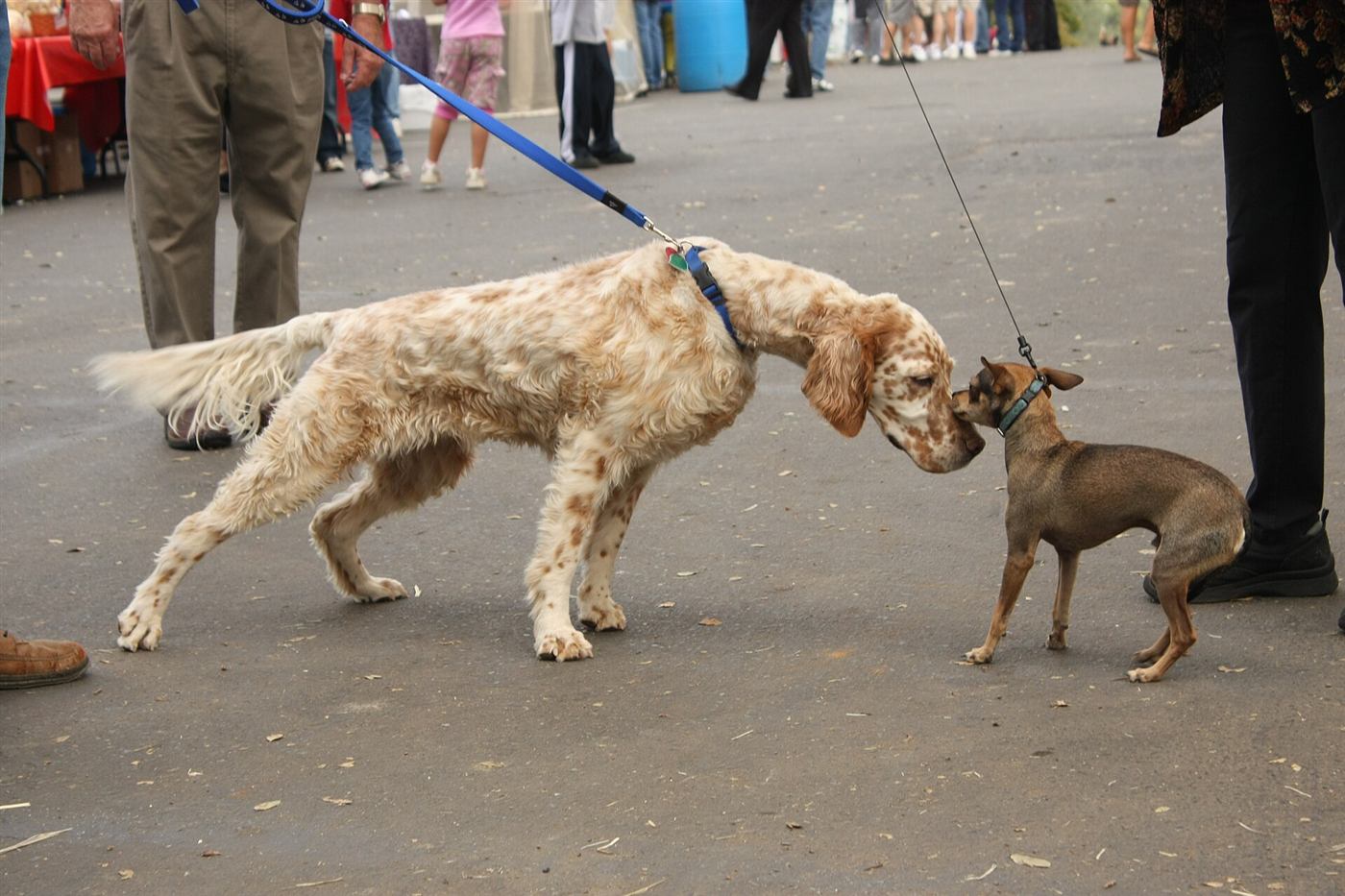
Distance gives your dog a chance to notice a trigger without immediately going over threshold.
A simple reactive dog training plan
Use this as a starting framework. Keep sessions short and choose low-distraction places first.
1. Bring better rewards
Dry biscuits may not compete with the sight of another dog.
Use small, high-value rewards your dog can eat quickly. For many dogs, that means soft treats, chicken, cheese, or another vet-appropriate option that is special enough for outdoor training.
If your dog cannot take food outside at all, start in easier places. Your yard, driveway, building entrance, or a quiet parking lot may be a better first classroom than a busy park.
2. Mark the calm look
When your dog sees a trigger at a safe distance, mark it with a word like "yes" and give a treat.
The goal is not to distract your dog from the world forever. The goal is to teach:
I see the trigger, and good things happen while I stay calm.
At first, reward quickly. If you wait until your dog is already stiff, staring, or barking, you waited too long.
3. Practice the U-turn before you need it
A U-turn is one of the most useful skills for a leash reactive dog.
Practice when no trigger is present:
- say "this way"
- turn smoothly
- reward your dog for moving with you
- repeat until it feels automatic
Then use it early when a trigger appears too close. Do not wait for the bark.
4. Reward checking in
Many reactive dogs lock onto triggers because they do not know another option.
Reward your dog when they:
- look at you
- turn their head away from the trigger
- sniff instead of staring
- move with you
- choose a looser body posture
Small moments matter. You are building a habit of disengaging before the reaction peaks.
5. Keep greetings boring and controlled
Leash greetings are often a bad idea for reactive dogs.
Leashes create tension, restrict movement, and make face-to-face greetings more intense. If your dog is reactive, do not let strangers say "it's okay, my dog is friendly" and walk straight into your dog's space.
If your dog eventually practices around other dogs, use planned setups with distance, parallel walking, and professional guidance when needed.
What not to do with a leash reactive dog
Avoid these common mistakes:
- forcing your dog to sit while the trigger approaches
- tightening the leash and waiting for the explosion
- punishing growling, barking, or warning signs
- taking a reactive dog to the dog park for "socialization"
- letting unknown dogs rush into your dog's face
- relying only on equipment instead of training
- practicing in crowded places too soon
- assuming the behavior is fixed after one good walk
Punishment may suppress noise in the moment, but it can also increase fear, frustration, or risk if the dog still feels unsafe. The better question is: how can you change the setup so the dog can succeed?
Equipment that can help
Tools do not train the dog for you, but safer handling matters.
Useful options often include:
- a well-fitted harness
- a standard 4 to 6 foot leash
- a treat pouch
- a basket muzzle for dogs with bite risk, trained gradually and positively
- visible gear such as "give me space" patches if your area is crowded
Avoid retractable leashes for reactive training. They make distance control harder and can create sudden leash tension.
If your main issue is pulling rather than barking or lunging, start with the simpler stop leash pulling guide. If your dog becomes explosive around triggers, use the reactivity plan here.
When to call a professional
Get qualified help if:
- your dog has bitten or tried to bite
- your dog redirects onto you or another pet
- walks feel physically unsafe
- your dog panics, freezes, or cannot recover
- the behavior started suddenly
- your dog reacts to many triggers
- your dog cannot relax at home after walks
- you are avoiding normal life because of the behavior
Start with your veterinarian if the behavior is new or worsening. Pain, sensory changes, medical problems, and anxiety can all affect behavior.
For training help, look for a certified reward-based trainer, a veterinary behaviorist, or a behavior consultant who can explain their plan clearly and does not rely on flooding, intimidation, or forcing greetings.
A realistic weekly routine
Use short sessions instead of turning every walk into a test.
- Daily: one quiet walk where your only goal is avoiding explosions
- 3 to 5 times per week: five minutes of threshold practice at a safe distance
- Several times per week: U-turns, name response, and check-ins with no trigger present
- Weekly: review what distance worked and which routes caused problems
- As needed: add indoor enrichment so your dog is not overloaded by outdoor pressure
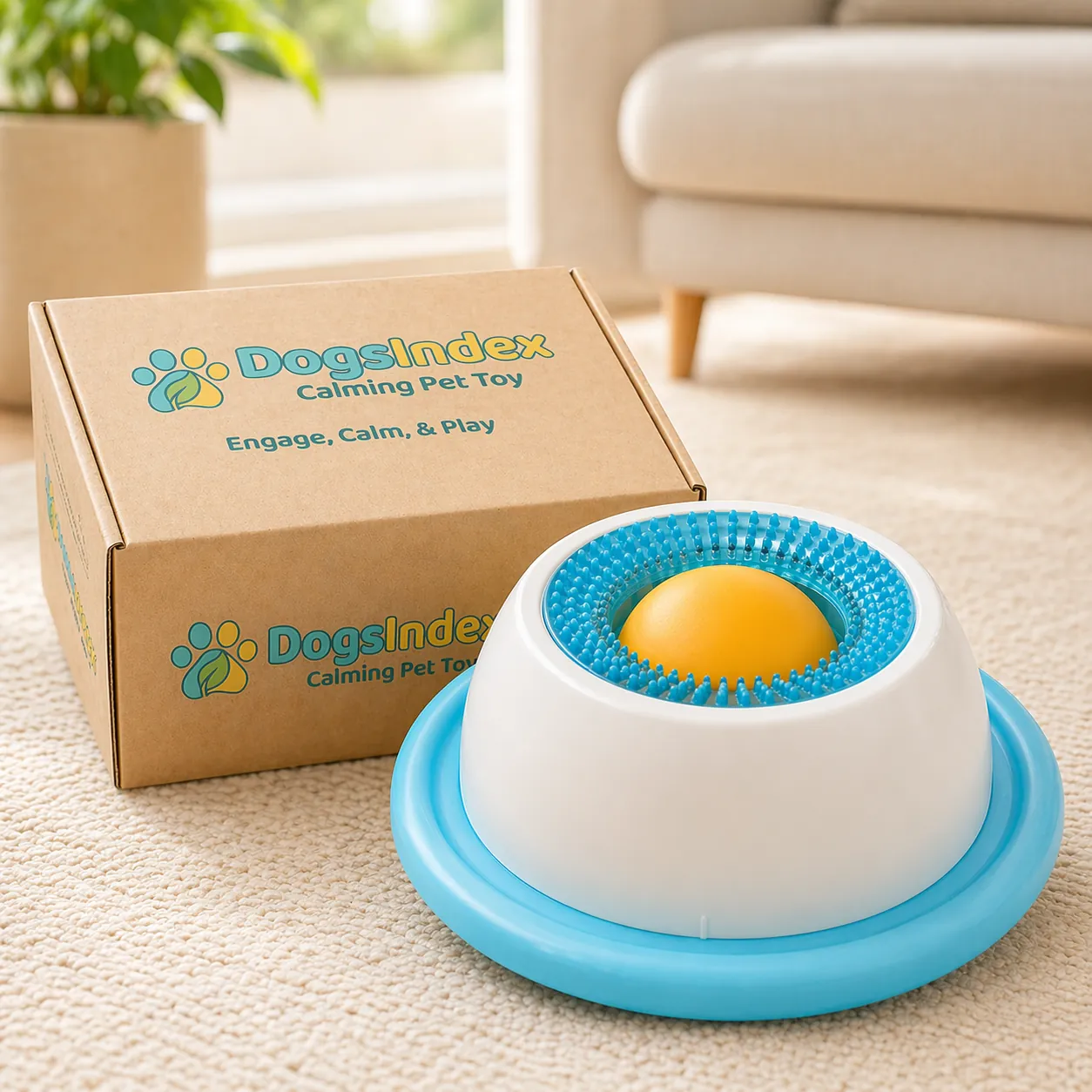
Brain work can help on days when walks need to stay short. Try indoor scent games or a calmer feeding routine if your dog is restless but outdoor triggers are too intense.
FAQ
What is the fastest way to calm a reactive dog on a walk?
Create distance. Cross the street, turn around, move behind a barrier, or leave the area. Training only works once your dog is far enough away to think again.
Should I make my reactive dog sit when another dog passes?
Usually no, especially at first. Sitting can make some dogs feel trapped while the trigger gets closer. Moving away, parallel movement, or a practiced U-turn is often safer.
Can reactive dogs get better?
Yes. Many reactive dogs improve with management, distance work, reward-based training, and consistent handling. Some dogs need professional support or veterinary behavior care.
Is my dog reactive because they were not socialized?
Maybe, but not always. Reactivity can come from genetics, fear, frustration, bad experiences, pain, adolescence, repeated leash tension, or stressful environments.
Should reactive dogs meet more dogs?
Not randomly. More exposure is not the same as better socialization. Reactive dogs usually need controlled, low-pressure setups, not surprise greetings or dog park chaos.
Image credits
- "Barking @ Aggressive dog @ Annecy" by Guilhem Vellut, via Wikimedia Commons, licensed under CC BY 2.0.
- "Dog Meets Dog" by Nick Ares, via Wikimedia Commons, licensed under CC BY-SA 2.0.
Conclusion
Reactive dog training starts with space, not pressure.
If your dog barks or lunges at other dogs on walks, do not wait until they explode and then try to correct the reaction. Increase distance early, reward calm noticing, practice easy exits, and keep sessions short enough that your dog can succeed.
The goal is not a perfect dog who ignores everything overnight. The goal is a dog who can see the world, stay under threshold, and trust you to help them make safe choices.

.jpg)
.jpg)