Dog probiotics are having a moment. Search trend coverage for 2026 has put both "probiotics for dogs" and "dog probiotics" among fast-growing pet topics, while broader pet food trend reporting points to owners asking for more research-backed wellness products.
That does not mean every dog needs a probiotic. It means more owners are asking better questions about gut health, loose stool, stress, antibiotics, food transitions, and whether a daily supplement is useful or just expensive dust on dinner.
The practical answer is simple: probiotics may help some dogs in specific situations, but they are not a replacement for diagnosis, parasite prevention, food safety, or veterinary care.
Key takeaways
- Dog probiotics may help during digestive upset, stress, diet changes, or after antibiotic use.
- The evidence is not equal for every product, strain, or health claim.
- Labels should show named organisms, CFUs, expiration date, storage directions, and feeding instructions.
- Human probiotics are not automatically the right choice for dogs.
- Diarrhea with blood, vomiting, pain, lethargy, appetite loss, or repeated flare-ups needs a vet.
Why dog probiotics are trending now
Pet owners are treating nutrition less like a generic bowl of food and more like part of a daily wellness routine. In 2026 trend coverage, Rising Trends lists "probiotics for dogs" and "dog probiotics" among fast-growing pet searches. PetfoodIndustry also describes a 2026 market where owners want more research, personalization, and value from pet food and wellness products.
That fits what many owners are already seeing at home. A dog has loose stool after boarding. A puppy gets an upset stomach after a food switch. An adult dog starts antibiotics and the vet mentions gut support. A senior dog has recurring digestive changes and the owner wants a safer routine.
The trend is real. The important part is separating useful support from broad "gut health" marketing.
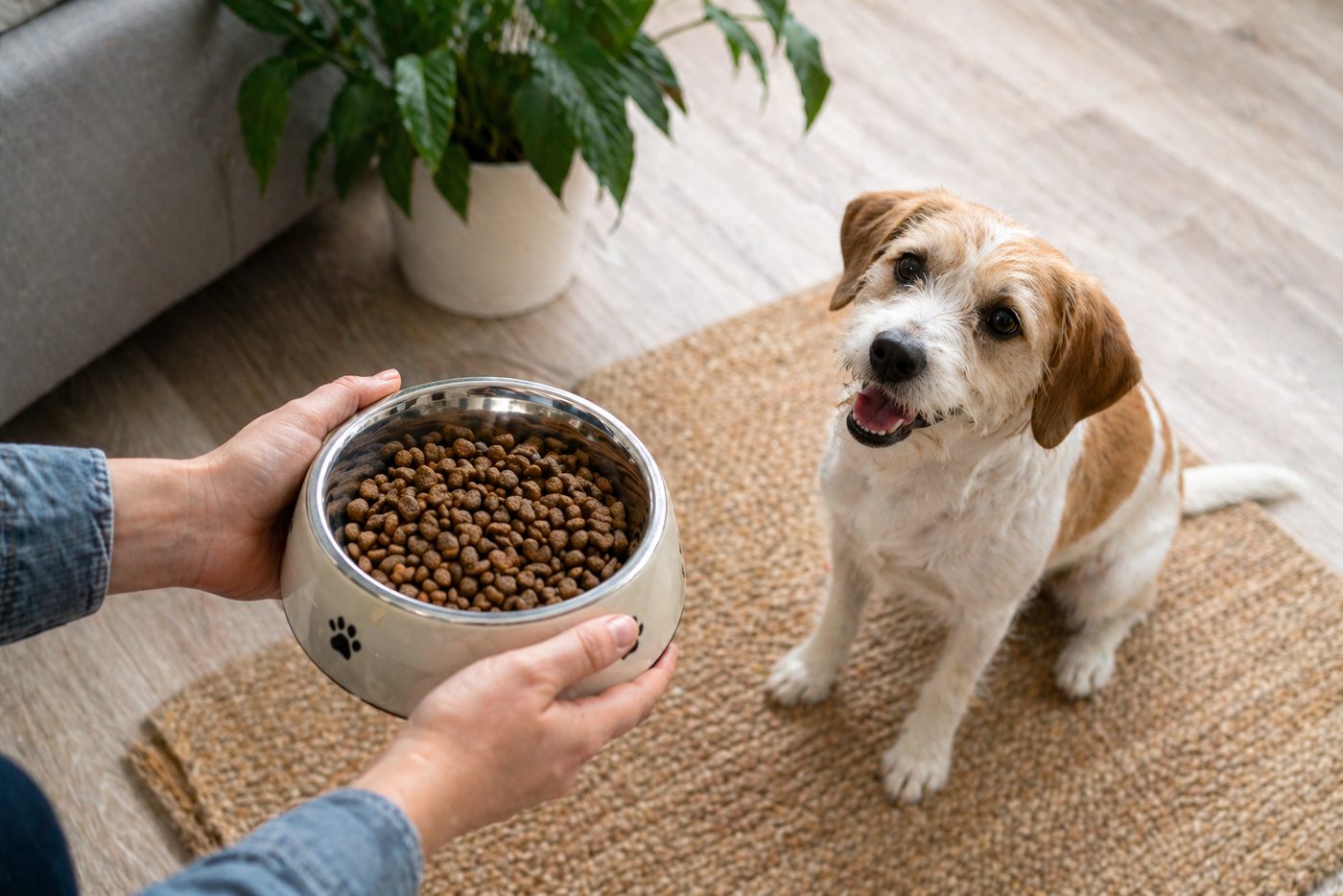
Probiotics should support a stable routine, not cover up symptoms that need a diagnosis.
What are probiotics for dogs?
Probiotics are beneficial microorganisms, usually bacteria or yeast, intended to support the balance of microbes in the digestive tract.
Your dog's gut already contains a large community of microorganisms. They help with digestion, immune signaling, stool quality, and the normal barrier between the body and potential pathogens. When that balance is disrupted by stress, illness, diet changes, medications, or an infection, some dogs may develop loose stool or other digestive signs.
PetMD explains that research into pet probiotics is still developing and can be mixed, but probiotics may help under certain circumstances, including digestive imbalance, diarrhea, and post-antibiotic support.
That "under certain circumstances" part matters. A probiotic is not a universal fix for every stomach problem.
When probiotics may help a dog
A dog probiotic may be worth discussing with your veterinarian if your dog is dealing with:
- mild loose stool after a routine change
- digestive upset after boarding, travel, or stress
- a food transition that needs extra support
- antibiotic-related digestive changes
- recurring soft stool where your vet has ruled out larger problems
- a known digestive condition where your vet recommends a specific product
Cornell University College of Veterinary Medicine notes that labels should identify the exact species, number of microorganisms, expiration date, and guarantee for live organisms. Cornell also points out that some products have better supporting studies than others.
That is why the question is not only "Do probiotics work?" A better question is: "Which strain, for which dog, for which problem, with what evidence?"
When probiotics are not enough
Do not use probiotics to delay care if your dog has serious or persistent symptoms.
Call your veterinarian if you notice:
- diarrhea lasting more than a day or two
- repeated vomiting
- blood or black stool
- a swollen or painful belly
- weakness, collapse, or marked lethargy
- appetite loss
- weight loss
- fever
- signs of dehydration
- symptoms in a puppy, senior dog, pregnant dog, or immunocompromised dog
Loose stool can come from parasites, infection, pancreatitis, toxin exposure, food intolerance, inflammatory bowel disease, stress, abrupt diet changes, table scraps, or a swallowed object. A supplement cannot safely sort those apart.
If your dog is itchy, licking paws, and having digestive signs together, read the allergy context in Spring Allergies in Dogs, but still ask your vet if symptoms keep returning.
Prebiotics vs probiotics for dogs
Prebiotics and probiotics are related, but they are not the same thing.
Probiotics are the beneficial microorganisms.
Prebiotics are fibers or compounds that help feed beneficial gut bacteria.
Some products combine both and may call the blend a synbiotic. Some dog foods include prebiotic fibers as part of the formula. Some supplements focus on specific probiotic strains.
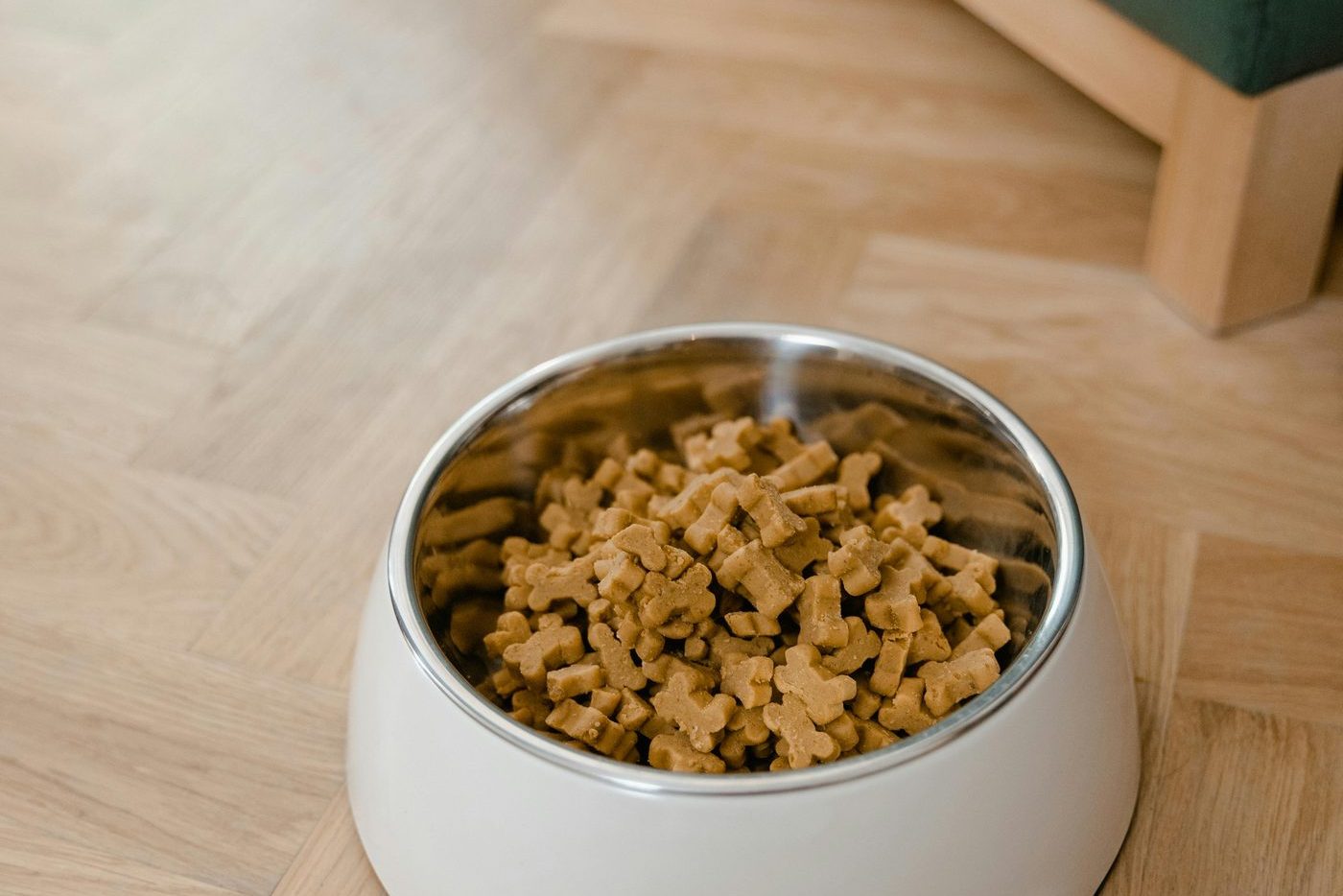
A consistent meal routine can matter as much as the supplement itself.
What to check before buying dog probiotics
Before buying a probiotic for your dog, check these details.
1. Species and strain information
A useful label should not only say "proprietary probiotic blend." Look for named organisms such as Lactobacillus, Bifidobacterium, Enterococcus, or Bacillus, and ideally strain details where available.
Different strains may behave differently. Broad claims like "supports everything" are less useful than a clear product matched to a clear need.
2. CFU count
CFU means colony forming units. It estimates the number of live organisms in the product.
Cornell notes a current recommendation range of 1-10 billion CFUs per day for dogs, but your dog's size, health status, product type, and reason for use matter. More is not automatically better.
3. Expiration date and storage
Probiotics are only useful if the organisms are still alive when your dog eats them.
Check the expiration date. Read storage instructions. Some products may be shelf-stable, while others need stricter storage. Heat, humidity, and time can reduce viability.
4. Dog-specific directions
Choose products labeled for dogs unless your veterinarian tells you otherwise. Human products may contain strains, doses, sweeteners, flavorings, or inactive ingredients that are not ideal for dogs.
Avoid anything with xylitol. It is dangerous for dogs.
5. Evidence and manufacturer support
The company should be able to explain what is in the product, why those organisms were chosen, and how quality is controlled.
Be cautious with vague claims, miracle language, or influencer-only recommendations. If a product claims to solve chronic diarrhea, allergies, anxiety, immunity, coat quality, and bad breath all at once, slow down and ask better questions.
How to start a probiotic safely
If your veterinarian agrees a probiotic makes sense, keep the rest of your dog's routine stable.
Do not change food, add new toppers, introduce new treats, and start a supplement all on the same day. If your dog's stool changes, you will not know what caused it.
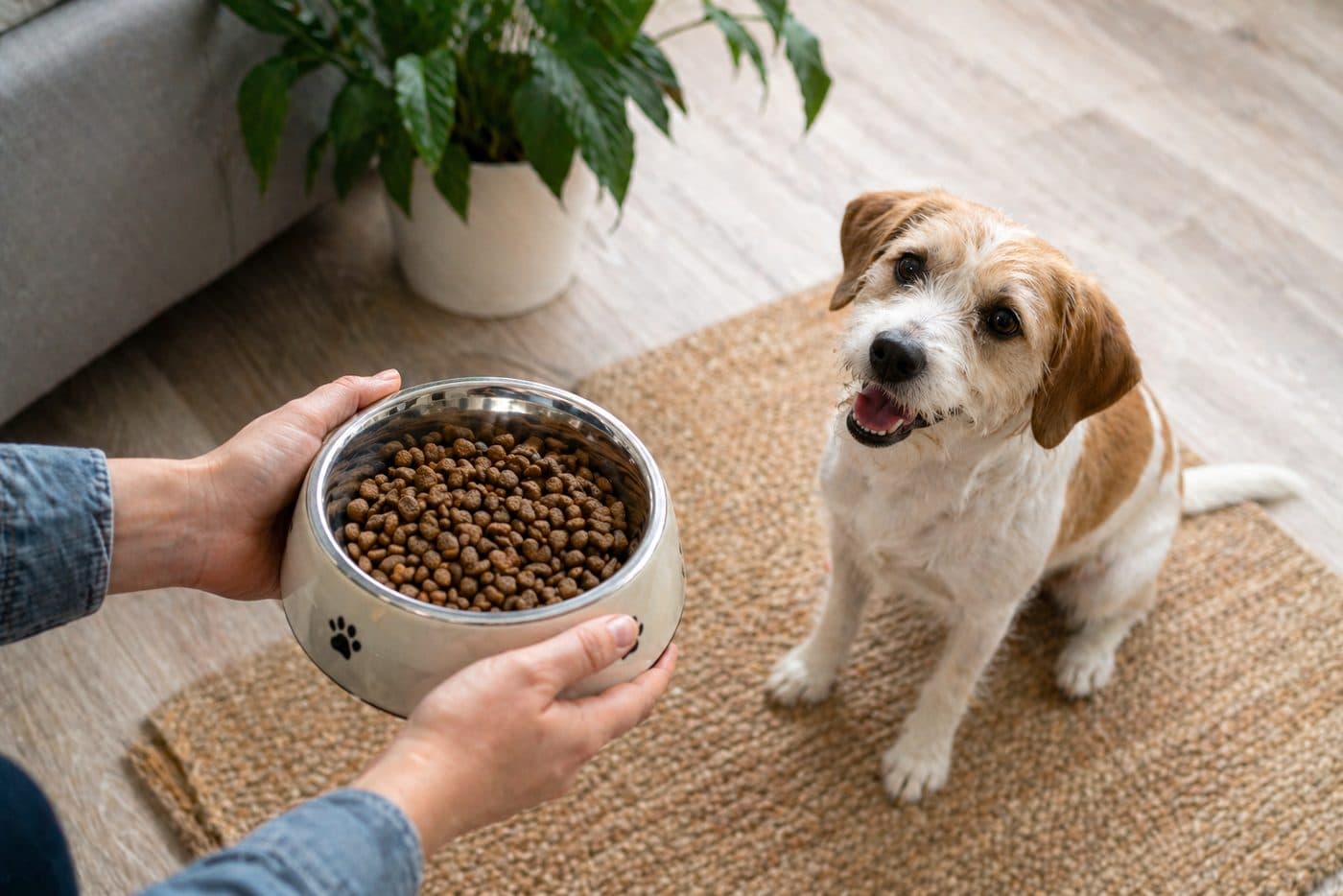
Start with the label direction or your vet's instruction. Give it with meals if directed. Track stool quality, appetite, energy, vomiting, gas, itch, and any behavior changes.
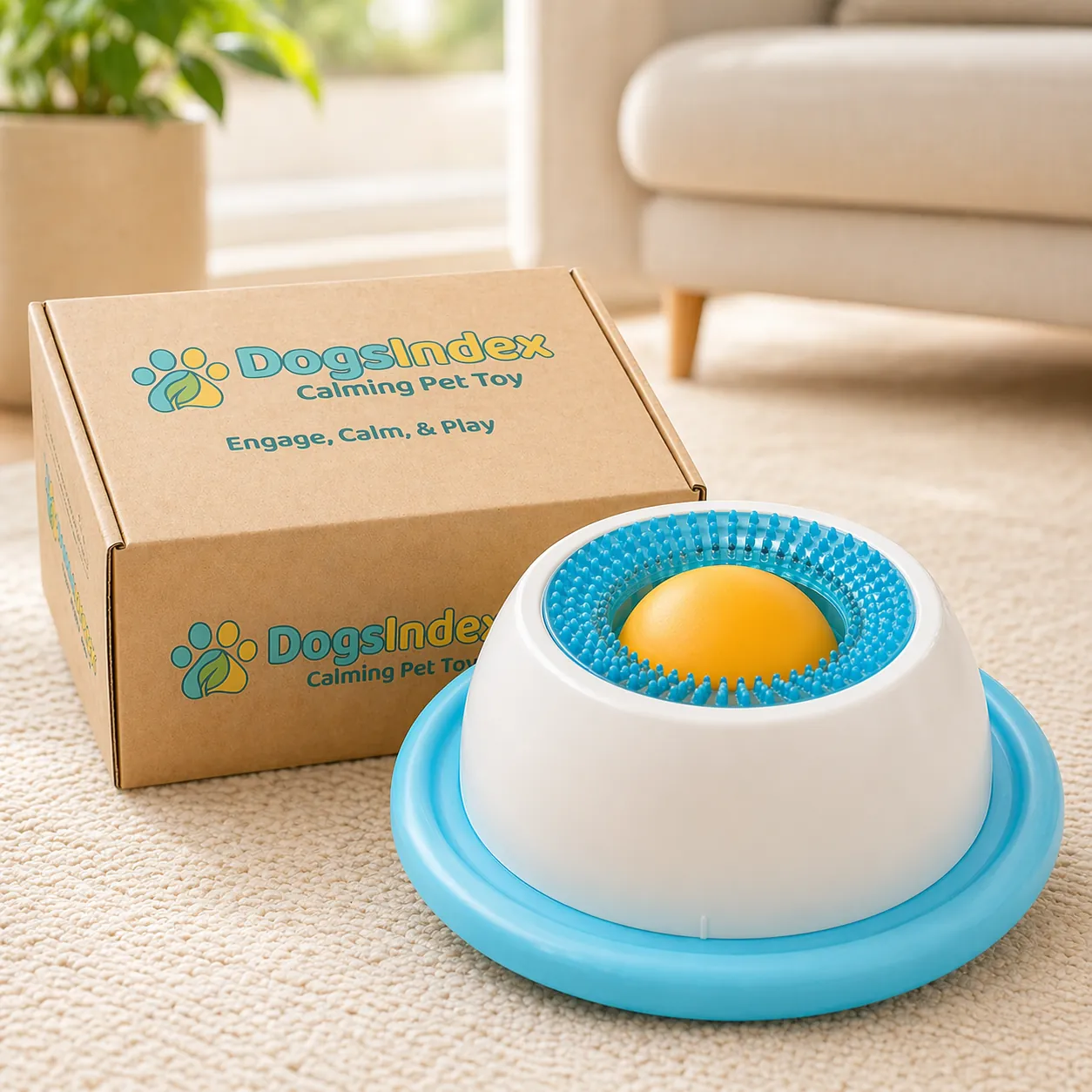
For food-motivated dogs, a powder mixed into meals may be easiest. For picky dogs, a capsule hidden in a treat may work better. For dogs that need slower meal pacing, a controlled feeding routine can also help. If your dog rushes meals, see whether a calmer setup like the Treat Dispensing Ball fits your routine.
What about yogurt, pumpkin, and fermented foods?
Plain yogurt, pumpkin, kefir, and fermented foods often come up in dog gut health discussions, but they are not the same as a dog probiotic supplement.
Some dogs tolerate small amounts of plain, unsweetened yogurt. Others get gas or diarrhea. Pumpkin can add fiber, but it does not treat the underlying cause of digestive illness. Fermented human foods may contain salt, spices, garlic, onion, or other ingredients that are unsafe for dogs.
If you want a probiotic effect, use a product your vet approves rather than guessing with human foods.
A simple dog gut health checklist
Use this before assuming your dog needs probiotics:
- Is your dog eating the same food every day?
- Did you recently switch food or treats?
- Has your dog eaten trash, rich food, or table scraps?
- Is parasite prevention current?
- Has your dog been boarded, groomed, or around many dogs?
- Is there vomiting, blood, pain, lethargy, or appetite loss?
- Is your dog a puppy, senior, or medically fragile?
- Has your vet recommended a specific probiotic or diet?
If the answer points to a bigger issue, call the vet first.
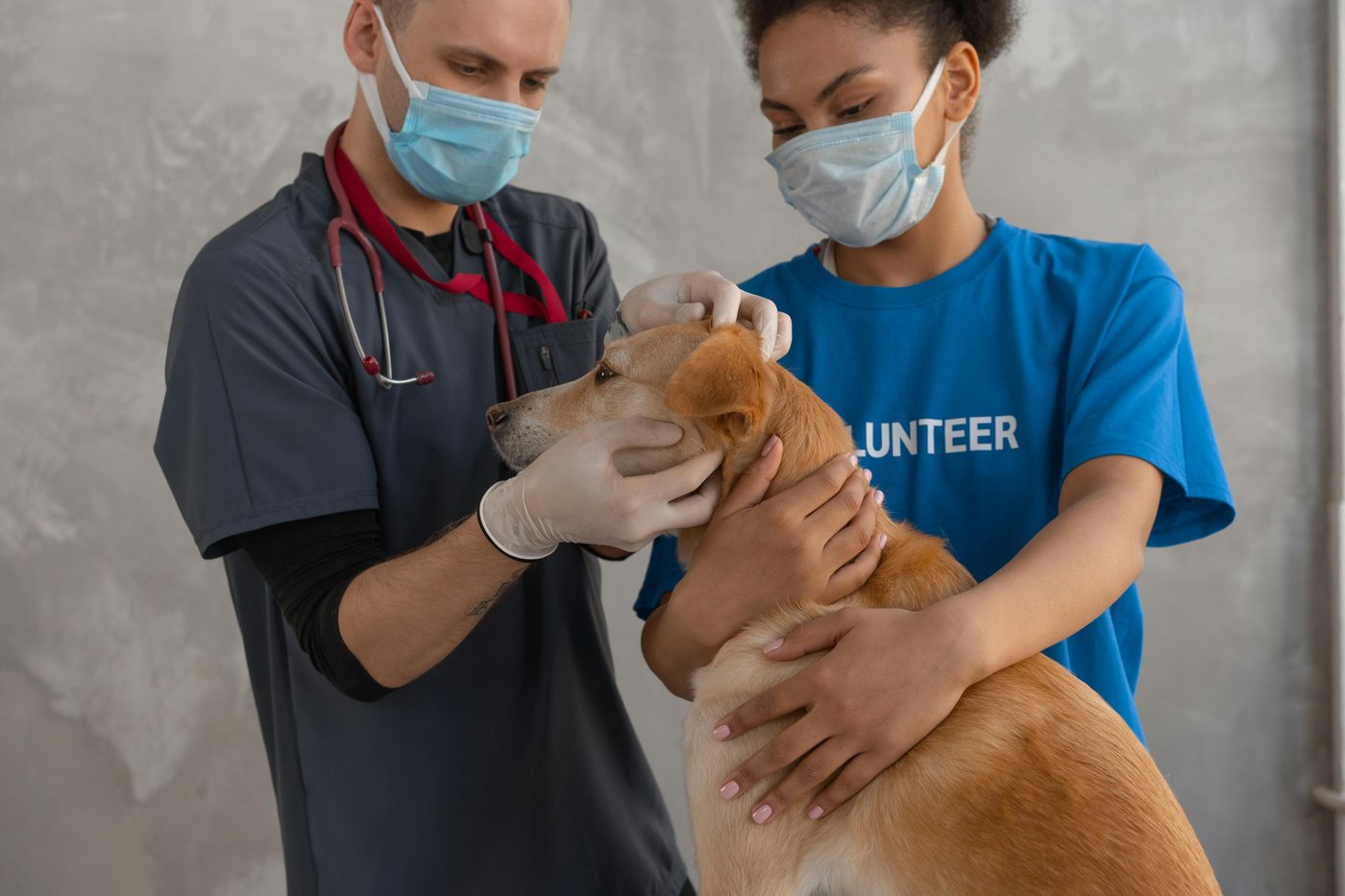
A vet can help decide whether probiotics fit the symptom pattern or whether testing is needed first.
The bottom line
Dog probiotics can be useful, especially around stress, diet transitions, antibiotics, and some digestive upsets. They are also easy to overbuy because "gut health" sounds like it should fix everything.
The best approach is practical: define the problem, check the label, keep the rest of the routine stable, and involve your veterinarian when symptoms are severe, repeated, or unclear.
The trend is worth watching. Your dog's symptoms are worth taking more seriously than the trend.