
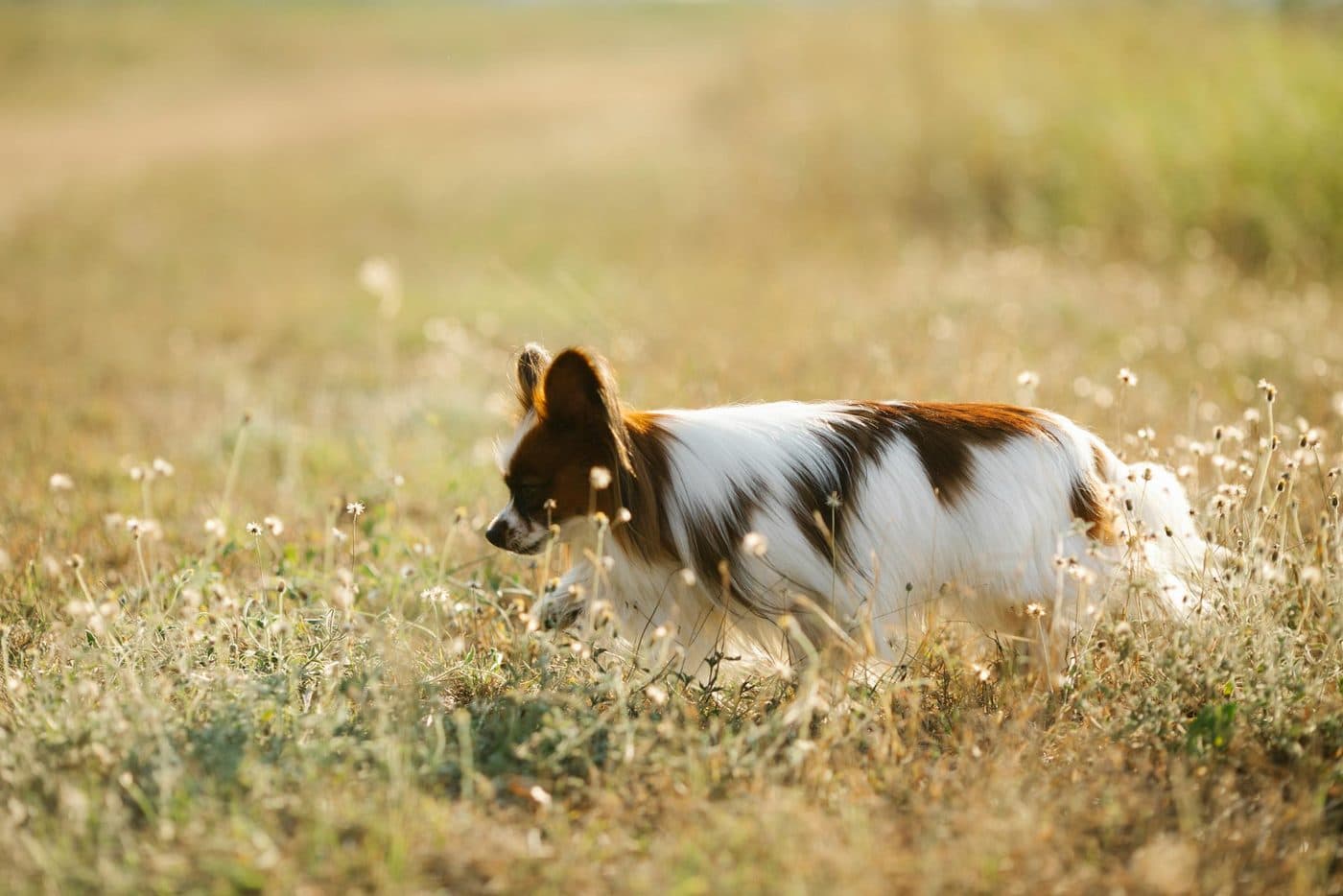
Spring can be one of the best times to get outside with your dog, but it can also be the season when itching suddenly gets worse.
If your dog starts licking their paws, scratching their belly, shaking their head, or rubbing their face after outdoor time, spring allergies may be part of the problem.
This does not mean every itchy dog has allergies. Fleas, ticks, mites, infections, dry skin, food reactions, and grooming issues can look similar. But because pollen and grass exposure rise in spring, it is worth knowing the signs and building a simple routine that keeps your dog more comfortable.
Key takeaways
- Spring allergies in dogs often show up as skin and ear problems, not just sneezing.
- Paw licking, scratching, chewing, redness, and ear odor are common warning signs.
- Wiping paws, washing bedding, and using vet-recommended baths can reduce allergen buildup.
- Do not give human allergy medicine unless your veterinarian approves it.
- Severe itching, open sores, swelling, hives, or painful ears should be checked by a vet.
Why spring allergies are worth watching now
Allergy season is becoming harder to ignore in many areas. Recent coverage of longer pollen seasons has also pointed out that pets can be affected, often through itchy skin rather than classic human hay fever symptoms.
Veterinary sources such as PetMD list pollen, grass, mold, and dust mites as common seasonal allergy triggers in dogs. Texas A&M Veterinary Medicine also notes that dogs tend to show allergy signs through the skin and ears more often than the respiratory system.
That matters because many owners miss the early signs. A dog who keeps licking one paw or shaking their head may not look "allergic" at first, but that irritation can turn into a secondary skin or ear infection if it is ignored.
Common signs of spring allergies in dogs
Every dog is different, but these are the signs to watch for during spring:
- scratching more than usual
- licking or chewing paws
- red or irritated skin
- rubbing the face on furniture or carpet
- head shaking
- ear odor or discharge
- watery eyes
- belly, armpit, groin, or paw irritation
- repeated hot spots or skin infections
- restlessness because the dog cannot get comfortable
Dogs with seasonal allergies may flare at the same time each year. If symptoms return every spring or get worse after grass, pollen, or outdoor play, write it down. That pattern can help your vet understand what is happening.
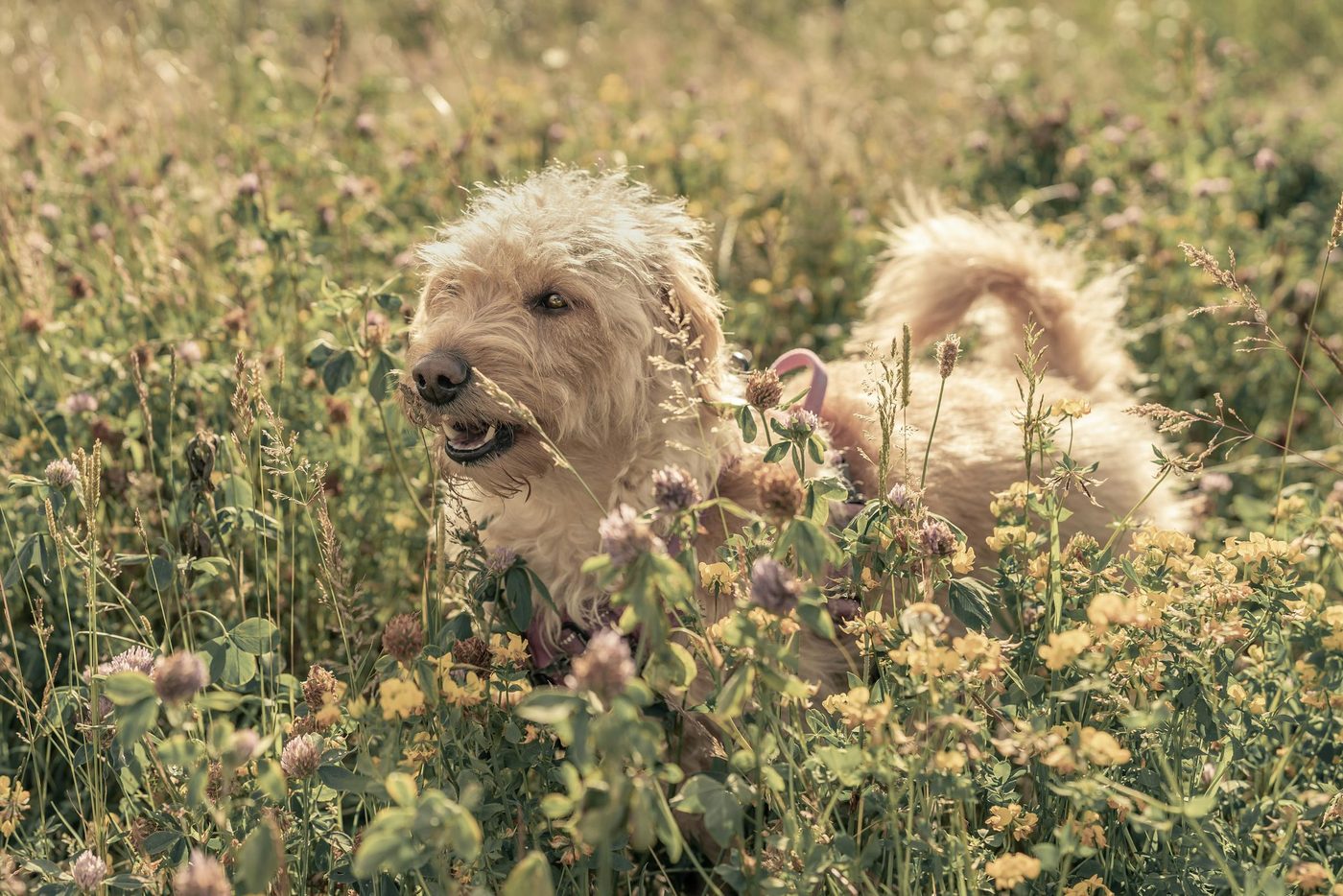
Spring walks are still valuable, but pollen and plant exposure can irritate sensitive dogs.
Why dogs lick their paws in spring
Paw licking is one of the most common signs owners notice.
Dogs walk through grass, weeds, pollen, damp soil, lawn treatments, and outdoor debris. If your dog is sensitive, their paws may become itchy after walks or backyard time. They may lick the tops of the paws, chew between the toes, or leave reddish-brown saliva stains on light fur.
Paw licking can also come from pain, a cut, a foreign object, yeast, bacteria, anxiety, or a nail problem. If one paw is suddenly much worse than the others, check it carefully and call your vet if the licking continues.
Spring allergies vs fleas, ticks, and food allergies
Allergy symptoms can overlap, so do not assume pollen is the only cause.
Fleas can cause intense itching even if you only see one or two. Ticks can irritate the skin after outdoor time. Food allergies or sensitivities can also cause chronic itch, ear problems, or digestive signs.
After spring walks, combine allergy checks with a quick tick check after walks. If your dog is itchy and is not on a vet-recommended parasite prevention plan, ask your veterinarian whether fleas or mites should be ruled out first.
How to help a dog with spring allergies at home
Home care will not cure true allergies, but it can lower the amount of pollen and irritants your dog carries inside.
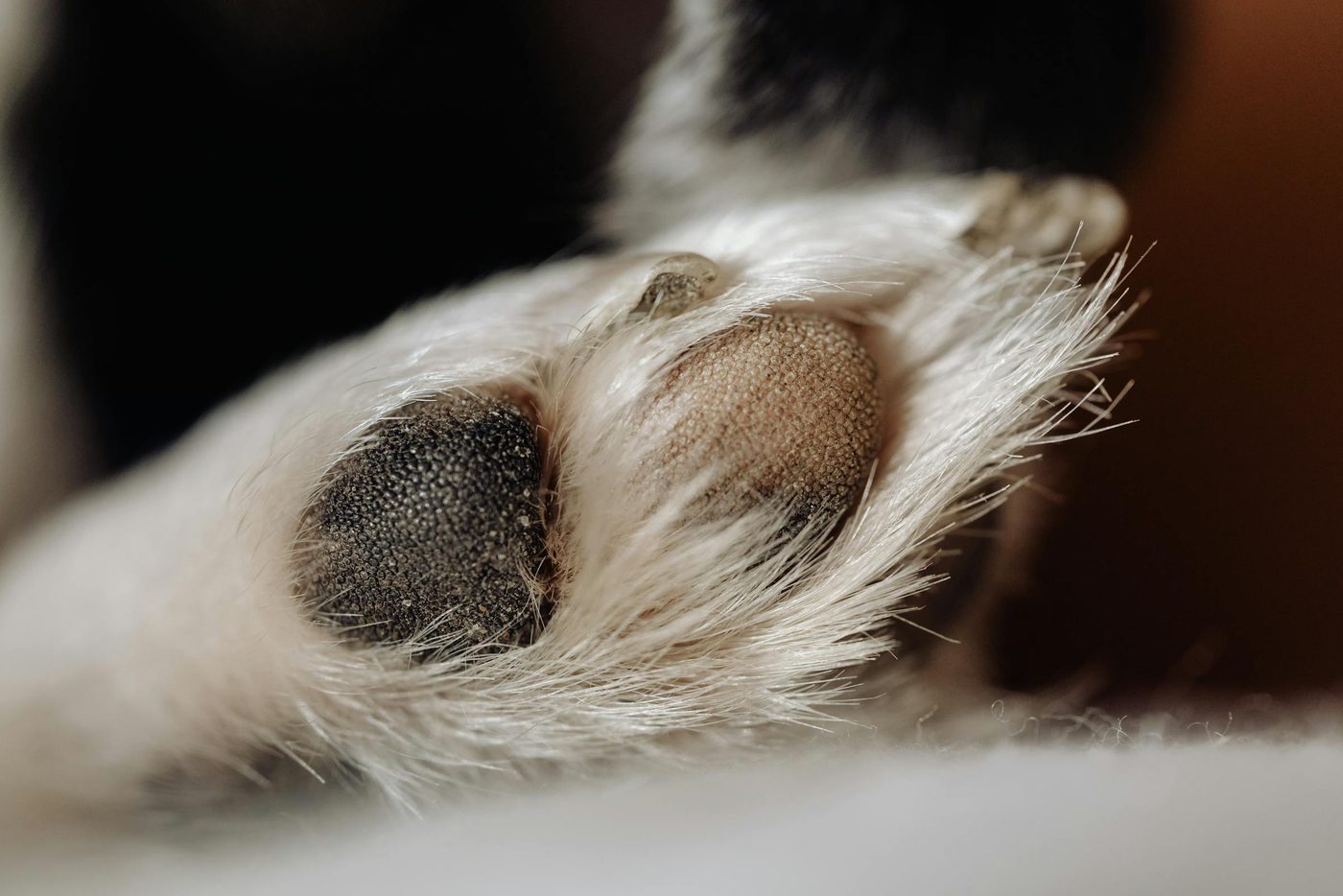
Paws are one of the first places to check when a dog starts licking or chewing after spring walks.
1. Wipe paws after outdoor time
Use a damp towel or pet-safe wipe after walks, yard play, or time in tall grass.
Focus on:
- between the toes
- paw pads
- lower legs
- belly if your dog is low to the ground
This is simple, but it can reduce how much pollen stays on your dog and gets tracked into beds, rugs, and furniture.
2. Wash bedding more often
During allergy season, your dog's bed can collect pollen, dust, grass fragments, and dander.
Wash bedding weekly if your dog is itchy. If they sleep on blankets or couch covers, wash those too. Use a mild detergent and avoid heavily scented products if your dog has sensitive skin.
3. Keep grooming consistent
Brushing helps remove loose fur, dirt, and outdoor debris. It also gives you a chance to catch skin redness, bumps, mats, or hot spots early.
If shedding is also picking up, pair allergy care with a practical spring dog grooming routine. Mats can trap moisture and irritants close to the skin, making itch problems worse.
4. Ask your vet about bathing
Some itchy dogs benefit from more frequent baths with a veterinarian-recommended shampoo. The right product depends on your dog's skin, coat, symptoms, and whether infection is present.
Do not overdo random shampoos. Harsh products can dry the skin and make itching worse. If your dog already has redness, odor, scabs, or open sores, ask your vet before bathing.
5. Use air and floor habits that reduce pollen
Small home habits can help:
- vacuum high-traffic areas more often
- rinse washable rugs near doors
- keep windows closed on high-pollen days
- use an air purifier if your home collects dust or pollen
- remove outdoor shoes near the door
These steps will not fix a severe allergy flare, but they can reduce daily exposure.
6. Do not self-prescribe human allergy medicine
This is important.
Do not give your dog human allergy medication unless your veterinarian specifically tells you what to use and how much to give. Some products are unsafe for dogs, some contain dangerous added ingredients, and dosing depends on your dog.
If your dog needs medication, your vet may recommend a safer plan based on the cause and severity of the symptoms.
When to call a vet
Call your veterinarian if your dog has:
- nonstop scratching or chewing
- hair loss
- red, raw, or bleeding skin
- open sores or hot spots
- strong skin or ear odor
- painful ears or repeated head shaking
- swelling of the face or hives
- sudden lethargy, collapse, or breathing trouble
- symptoms that return every spring
BluePearl Pet Hospital recommends prompt veterinary care for severe itching, swelling or hives, painful ear infections, open sores, and sudden lethargy or collapse. Those signs are not a wait-and-see situation.
A simple spring allergy routine
Use this after walks or yard time:
- 1 minute: check paws, belly, ears, and face
- 2 minutes: wipe paws and lower legs
- 2 minutes: brush out loose grass or debris
- Weekly: wash bedding and vacuum resting areas
- Monthly or as advised: review symptoms and prevention with your vet
The goal is not to keep your dog indoors all spring. The goal is to notice irritation early and reduce the allergens that stay on your dog after outdoor time.
FAQ
Can dogs get spring allergies?
Yes. Dogs can react to spring allergens like pollen, grass, mold, and dust. Many dogs show symptoms through itchy skin, paw licking, scratching, or ear irritation.
What does a pollen allergy look like in dogs?
It often looks like licking paws, scratching, chewing, rubbing the face, red skin, watery eyes, or recurring ear problems.
Can I treat dog allergies at home?
You can reduce exposure with paw wiping, clean bedding, brushing, and vet-recommended baths. But persistent or severe symptoms should be checked by a veterinarian.
Are spring allergies in dogs curable?
Seasonal allergies are usually managed, not permanently cured. The right plan depends on your dog's triggers, symptoms, and response to treatment.
When should I worry about itching?
Worry if itching is intense, keeps returning, causes sores or hair loss, involves ear pain or odor, or comes with swelling, hives, lethargy, or breathing trouble.
Conclusion
Spring allergies in dogs are common enough that owners should know the signs, but they are also easy to confuse with other problems.
Start with simple prevention: wipe paws, clean bedding, brush regularly, and watch for patterns. If symptoms keep coming back or your dog seems uncomfortable, involve your veterinarian early.
The sooner you control the itch, the less likely your dog is to end up with painful skin or ear problems later in the season.