Most dog owners love their dogs and want the best for them. But even with good intentions, it is easy to do things your dog does not enjoy or even finds stressful.
The tricky part is that dogs do not communicate the same way humans do. What feels normal or friendly to us can feel uncomfortable or confusing to them.
Understanding what dogs dislike can help you build a stronger relationship and avoid unnecessary stress.
Key takeaways
- Dogs often dislike things that humans consider normal.
- Body language matters more than we think.
- Respecting your dog's space improves trust.
- Small changes can make a big difference in behavior.
- Most "bad behavior" is actually miscommunication.
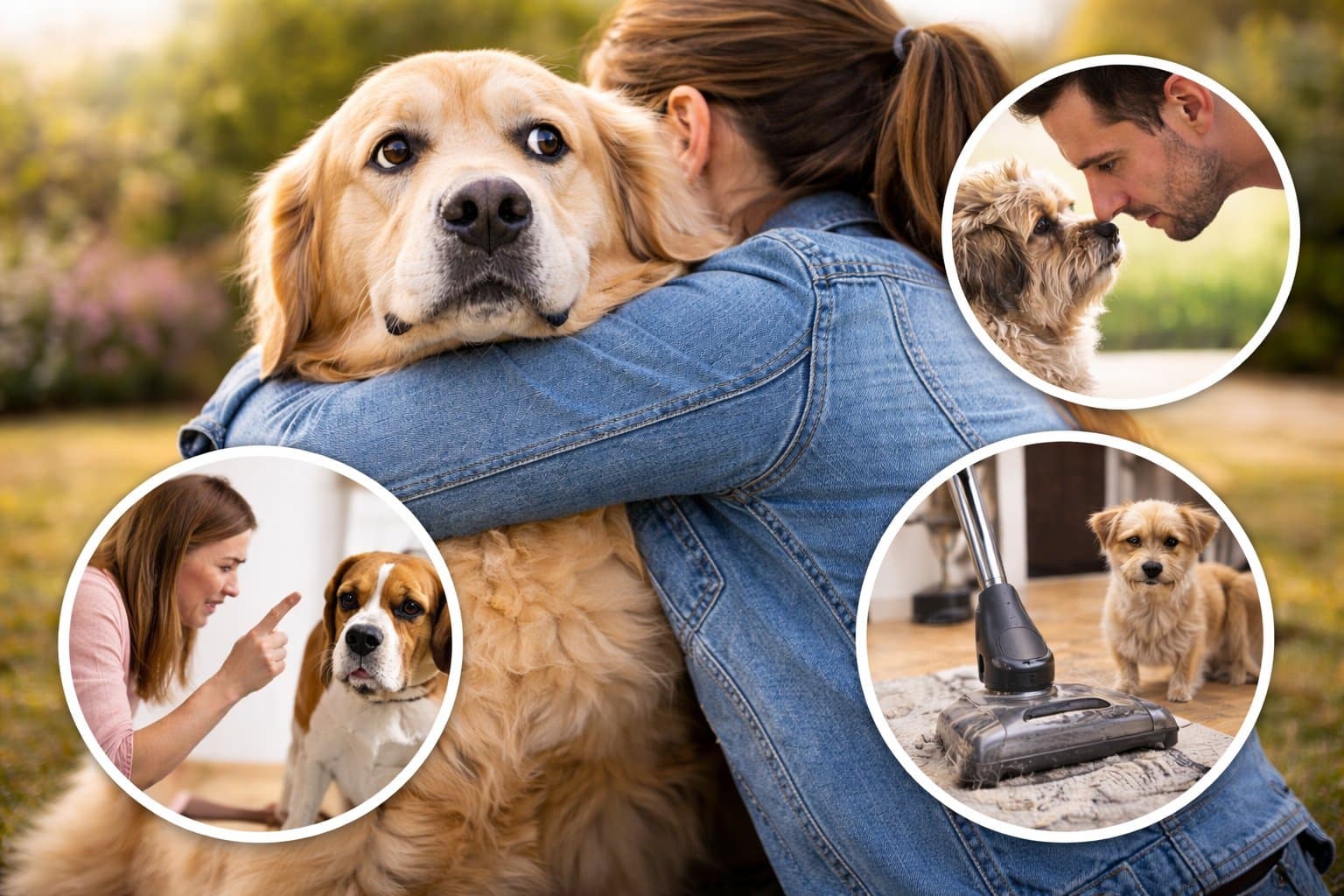
1. Hugging too tightly
Humans hug to show affection. Dogs do not.
Many dogs tolerate hugs, but that does not mean they enjoy them.
Signs your dog is uncomfortable:
- turning their head away
- stiff body
- licking lips
- trying to move away
A better option: Pet your dog calmly or let them come to you.
2. Staring directly into their eyes
Direct eye contact can feel intense or threatening to some dogs, especially unfamiliar ones.
While some dogs learn to tolerate it, others find it uncomfortable.
Better approach: Use soft eye contact and relaxed body language.
3. Patting the top of the head
Reaching over a dog's head can feel intimidating.
Many dogs prefer:
- chin scratches
- chest rubs
- side petting
This feels less threatening and more natural.
4. Ignoring their body language
Dogs communicate constantly, but humans often miss the signs.
Common signals:
- yawning
- licking lips
- turning away
- freezing
Ignoring these signals can lead to stress or defensive behavior.
5. Being inconsistent with rules
If your dog is allowed on the couch one day but not the next, it creates confusion.
Dogs learn best with:
- clear rules
- consistent behavior
- predictable routines
6. Pulling on the leash
Constant leash tension is frustrating for dogs too.
It creates:
- stress
- resistance
- more pulling
Loose leash walking benefits both you and your dog. If this is a daily issue for you, this guide on how to stop leash pulling breaks the training process into simple steps.
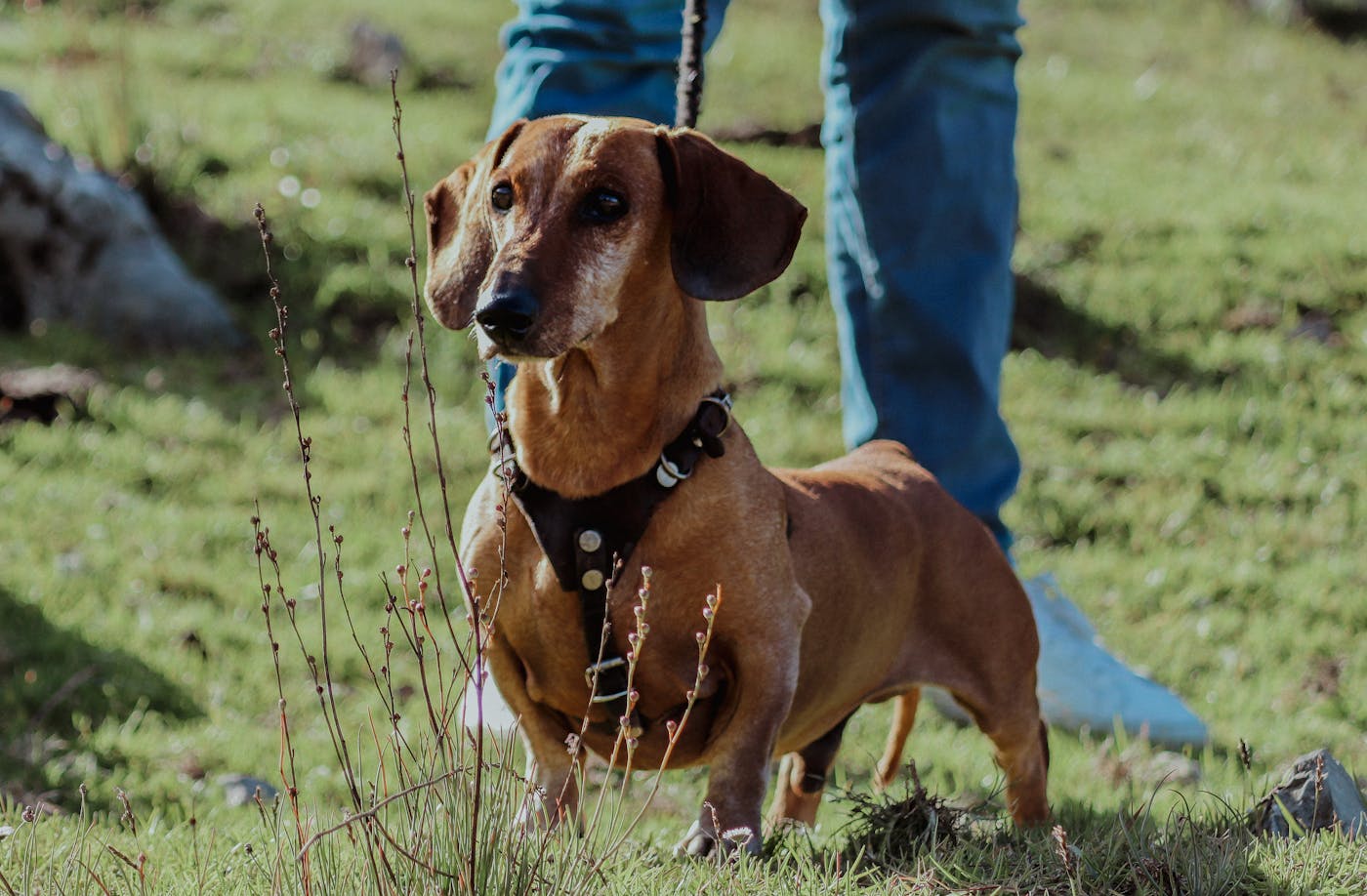
Leash tension changes the feel of the whole walk, and many dogs respond by getting more frustrated rather than less.
7. Forcing interactions
Not every dog wants to meet every person or dog.
Forcing greetings can cause:
- anxiety
- fear
- reactive behavior
Let your dog choose when to interact.
8. Lack of mental stimulation
Dogs need more than just physical exercise.
Without mental stimulation, they may become:
- bored
- destructive
- restless
Simple activities like training, food puzzles, or indoor scent games can help a lot.
9. Over-bathing
Dogs do not need frequent baths.
Too many baths can:
- dry the skin
- irritate the coat
- cause discomfort
Bath only when necessary.
10. Loud noises and chaos
Many dogs are sensitive to noise.
Common triggers:
- yelling
- vacuum cleaners
- loud TV
- sudden sounds
Creating a calm environment helps your dog feel safe.
11. Interrupting sleep
Dogs need rest just like humans.
Waking them suddenly can make them:
- confused
- startled
- defensive
Always approach calmly and gently.
12. Not giving them enough space
Dogs need personal space too.
Constant interaction can become overwhelming.
Sometimes the best thing you can do is let your dog relax undisturbed.

Dogs often feel safer when they have enough space, fewer interruptions, and a calm environment where they can fully relax.
How to improve your relationship with your dog
You do not need to change everything overnight.
Start with small improvements:
- observe your dog more
- respect their signals
- create consistent routines
- allow choice and space
These changes build trust over time.
FAQ
Do dogs hate hugs?
Many dogs tolerate hugs but do not enjoy them. It depends on the individual dog.
How can I tell if my dog is uncomfortable?
Look for body language like turning away, stiff posture, or lip licking.
Do dogs understand human behavior?
Dogs learn patterns, but they do not interpret actions the same way humans do.
Conclusion
Understanding the things dogs hate is not about avoiding mistakes completely. It is about becoming more aware.
When you start paying attention to your dog's signals, everything changes. Your dog becomes more relaxed, more responsive, and easier to live with.
Sometimes, improving your dog's behavior is not about training more. It is about understanding better.