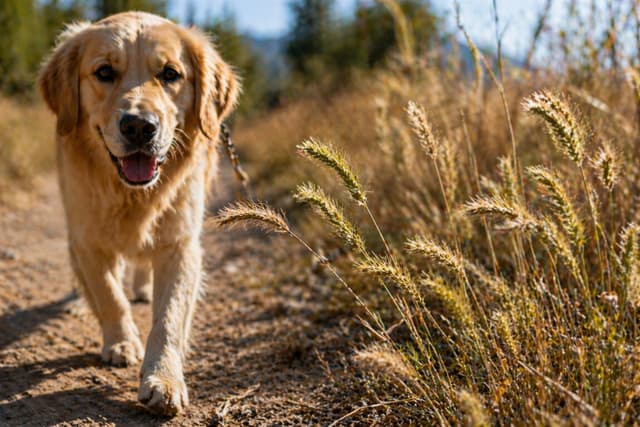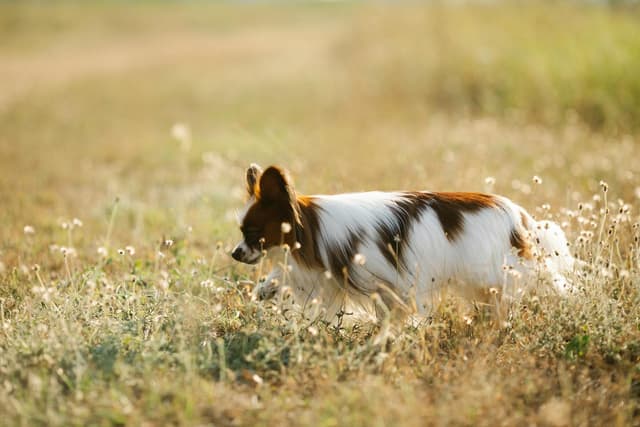
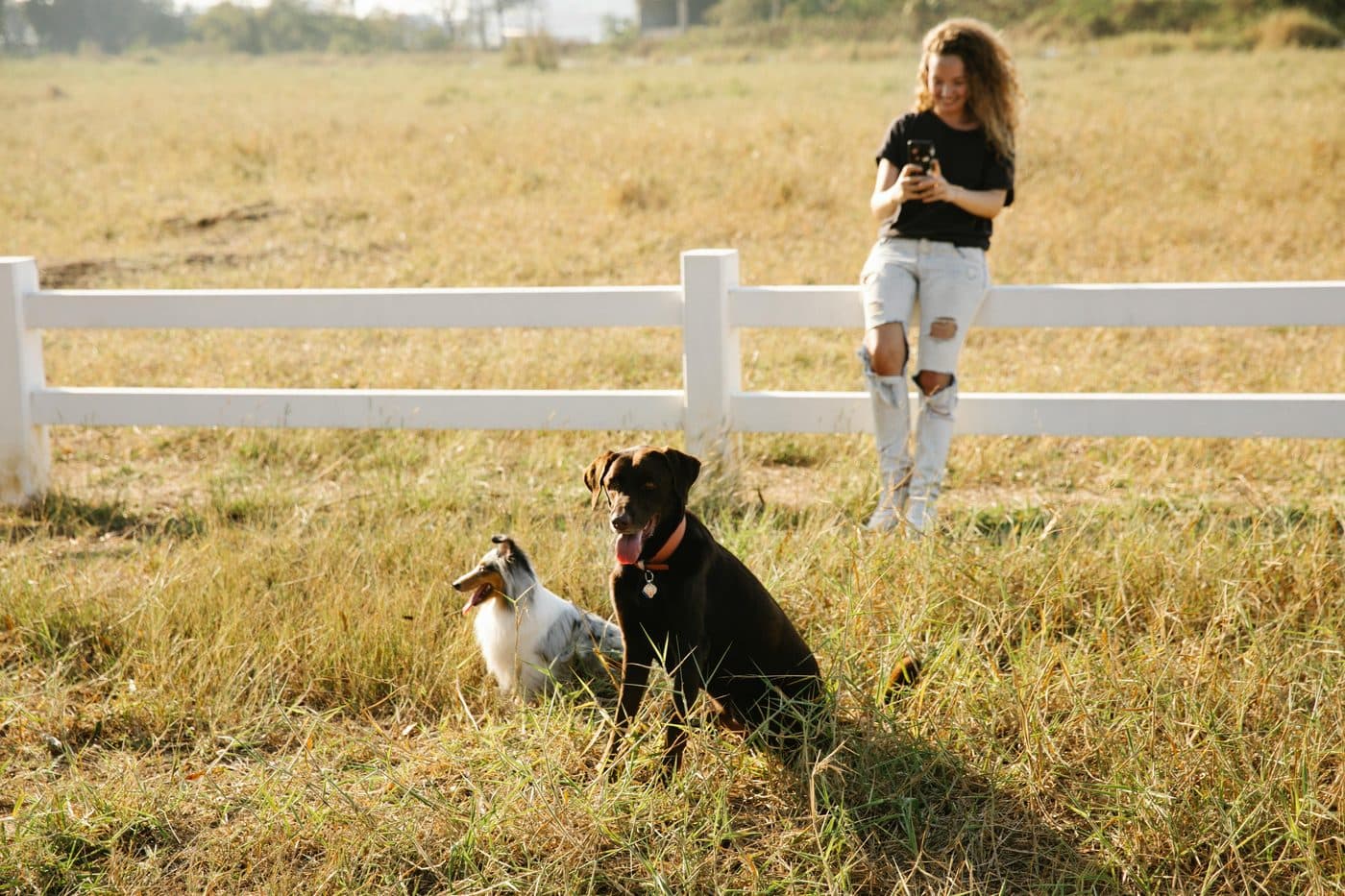
Dog social media trends are everywhere right now. Dogfluencers, funny skits, button videos, adoption clips, zoomies, and cute training moments can make ordinary dogs look like overnight stars.
That does not mean every trend is a good idea for your dog.
The best dog content is built around what the dog already enjoys. The worst content pushes a dog into confusion, fear, frustration, or exhaustion because the camera is rolling.
This guide is for owners who want to film fun dog videos without making the dog pay for the joke.
Key takeaways
- Dog social media trends are only worth trying if your dog stays comfortable.
- Avoid trends that startle, tease, corner, restrain, or overwhelm your dog.
- Learn stress signals before filming, including lip licking, yawning, whale eye, freezing, tucked posture, and trying to leave.
- Use short sessions, easy wins, and rewards.
- Build videos around safe routines, enrichment, training, walks, and real personality.
- If your dog says no, stop filming.
Why this topic is everywhere now
Dog content is no longer a tiny corner of social media. Axios recently profiled Sapphie the Pomsky, a San Diego dogfluencer with more than 9 million followers across Instagram and TikTok, and noted that hashtags like #dogsofinstagram and #dogsoftiktok now contain tens or hundreds of millions of posts.
High-reach dog videos can also do real good. The Associated Press reported how creative shelter videos helped boost adoption interest by making overlooked dogs more visible.
So the issue is not that dog videos are bad. The issue is how they are made.
If a clip depends on scaring a dog, bothering them while they sleep, putting them in an unsafe costume, forcing repeated takes, or ignoring obvious stress signals, the views are not worth it.
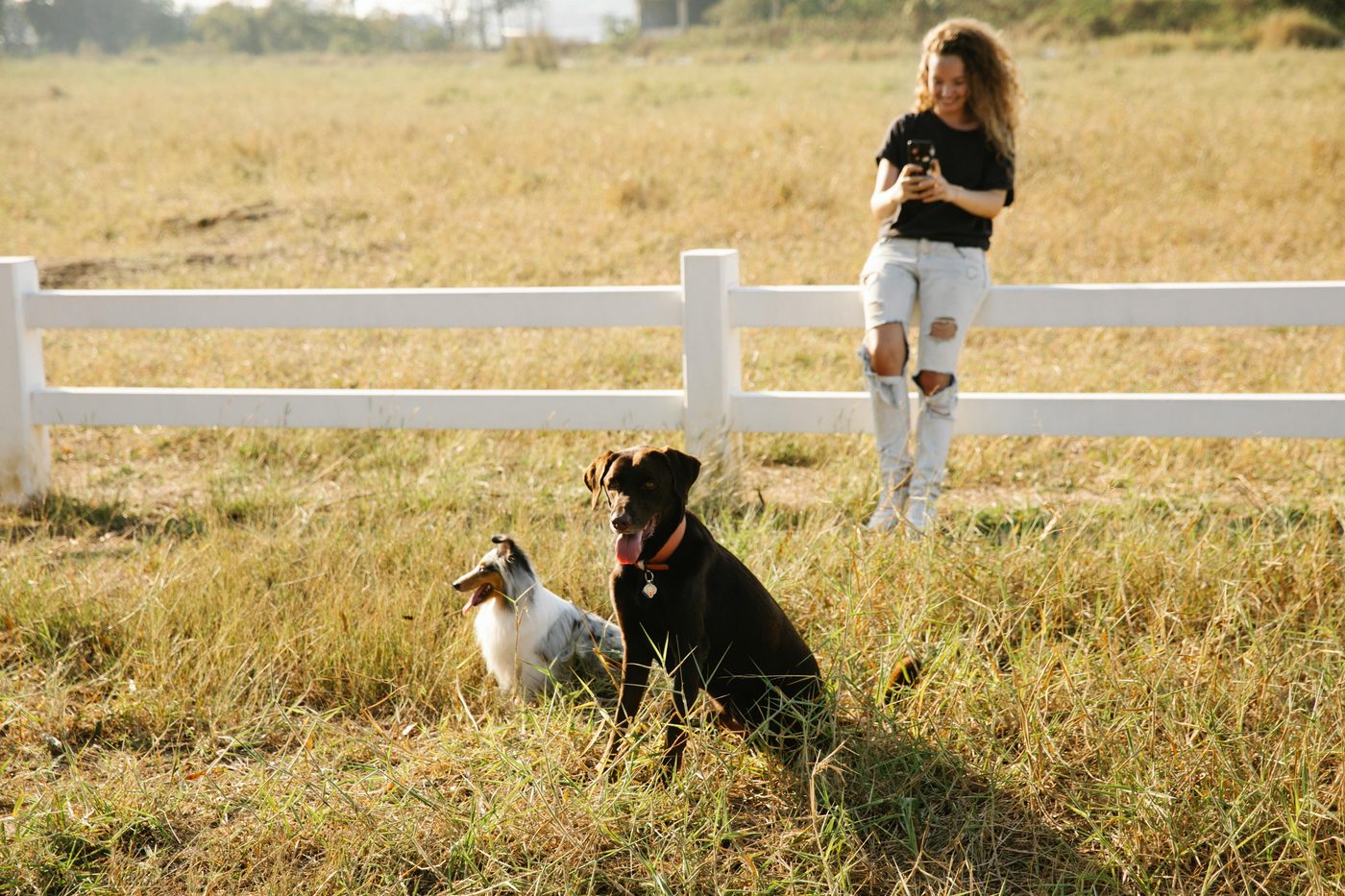
Dog content can be fun and useful, but the dog's comfort matters more than the trend.
What makes a dog trend safe?
A safe dog trend has a few simple qualities:
- your dog can move away
- your dog understands what is happening
- the setup does not scare or trap them
- rewards are clear and fair
- the session is short
- the behavior is something your dog already knows or enjoys
- nothing risks injury, choking, overheating, or panic
Think of filming like a training session with a camera nearby. If you would not repeat it without the camera, do not do it for the camera.
Dog trends to avoid
Skip any trend that relies on:
- barking in your dog's face
- jumping out to scare them
- taking food away to create frustration
- putting a phone, prop, or costume too close to their face
- waking them suddenly
- holding them in place for a reaction
- making them walk awkwardly for laughs
- using loud sounds, flashing lights, or unstable surfaces
- putting other pets or children into a chaotic setup
- repeating a trick until the dog shuts down
Some dogs tolerate more than others, but tolerance is not the same as enjoyment. A dog who freezes, looks away, or stops responding may be overwhelmed, not "being dramatic."
Stress signals to watch while filming
Before trying any dog social media trend, learn basic body language.
The American Kennel Club lists stress signs such as whale eye, tucked ears or tail, raised hackles, lip licking, yawning, panting, freezing, pacing, growling, whining, and barking. The ASPCA canine body language guide also emphasizes reading the whole body and the context, not one signal in isolation.
While filming, stop if you notice:
- lip licking when no food is present
- repeated yawning
- head turning or avoiding eye contact
- whale eye
- ears pinned back
- tail tucked or stiff
- sudden stillness or freezing
- rapid panting with a tight mouth
- growling, whining, or sharp barking
- refusing treats they normally like
- trying to leave the setup
One small signal does not always mean panic. But several signals together mean the session should end.
Safe dog video ideas
You do not need to scare your dog to make a good clip. The safest ideas usually come from real routines.
1. Film a simple enrichment game
Use a treat search, snuffle mat, towel roll, puzzle feeder, or cardboard box game.
This works because the dog has a clear job, gets rewards, and does not have to perform on command for a long time. If you need ideas, the indoor scent games for dogs guide has easy setups that also work well on camera.
2. Capture a training win
Short training clips can be satisfying without being stressful.
Good options include:
- sit
- down
- spin
- touch
- place
- wait
- recall
- loose-leash walking
- choosing between two toys
Keep it easy. A clean 15-second clip of a dog succeeding is better than five minutes of confusion.
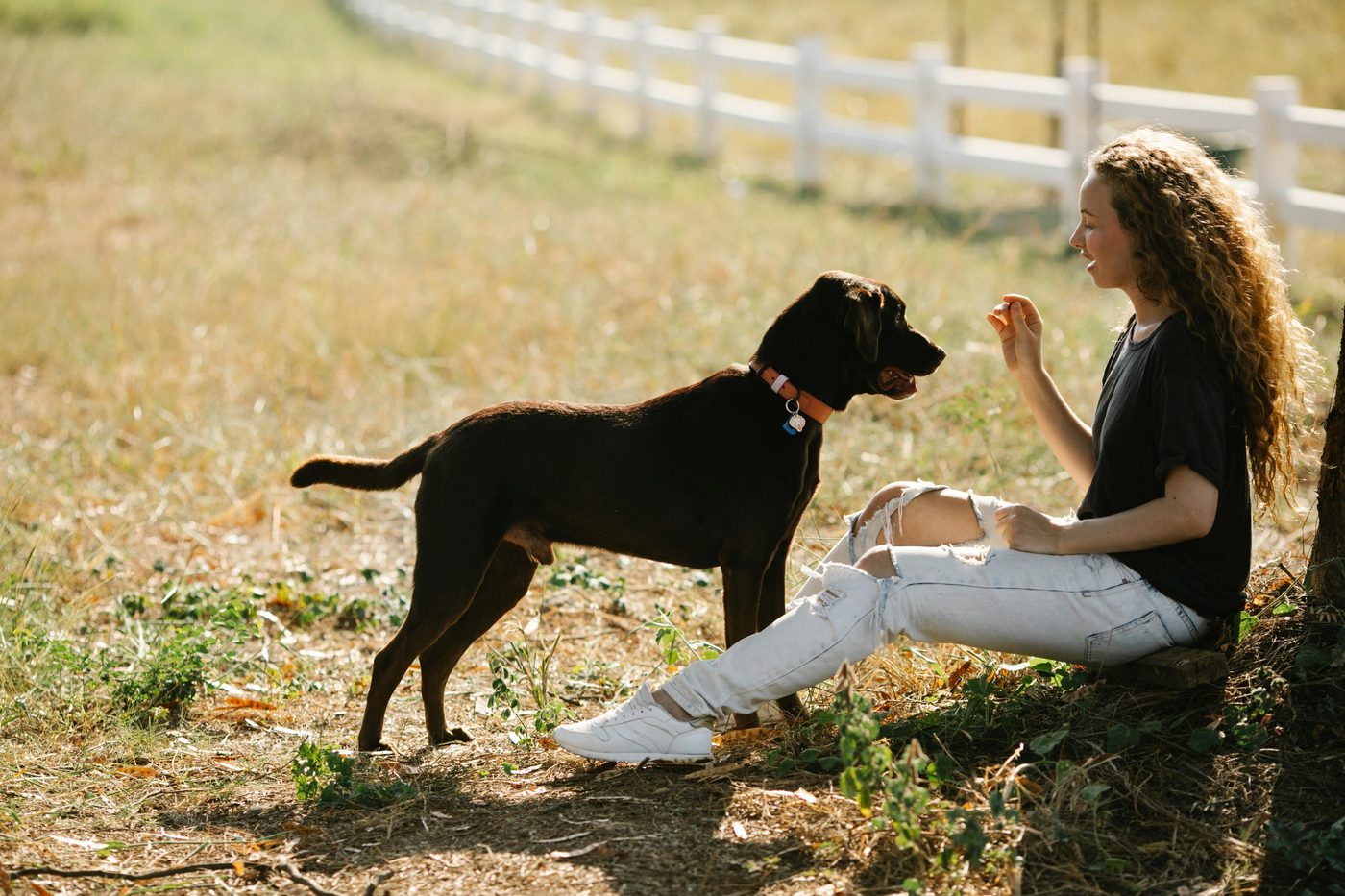
The safest clips often look like ordinary training: clear cue, quick reward, short session.
3. Show a before-and-after routine
Before-and-after videos are popular because they tell a story quickly.
Dog-friendly versions include:
- before and after brushing
- muddy walk to clean paws
- messy toy basket to tidy reset
- bored afternoon to scent game
- loose-leash progress over time
- calm feeding setup
Avoid transformations that depend on stressing your dog, forcing costumes, or pushing grooming past their tolerance. If your dog struggles with grooming, build comfort first with the spring dog grooming tips checklist.
4. Use natural personality
Some dogs are funny without a script.
Film small real moments:
- a favorite sleeping position
- choosing a toy
- post-walk zoomies in a safe area
- a happy tail when the leash appears
- a polite sit before dinner
- a dramatic look at an empty treat jar
- a relaxed sniff walk
The less you have to force the moment, the better.
5. Try a safe POV walk
A point-of-view walk can be engaging and low pressure if your dog is already comfortable walking there.
Keep the route simple. Avoid filming while crossing streets, handling reactive behavior, or walking through crowded areas. Your attention should stay on your dog and the environment, not only the screen.
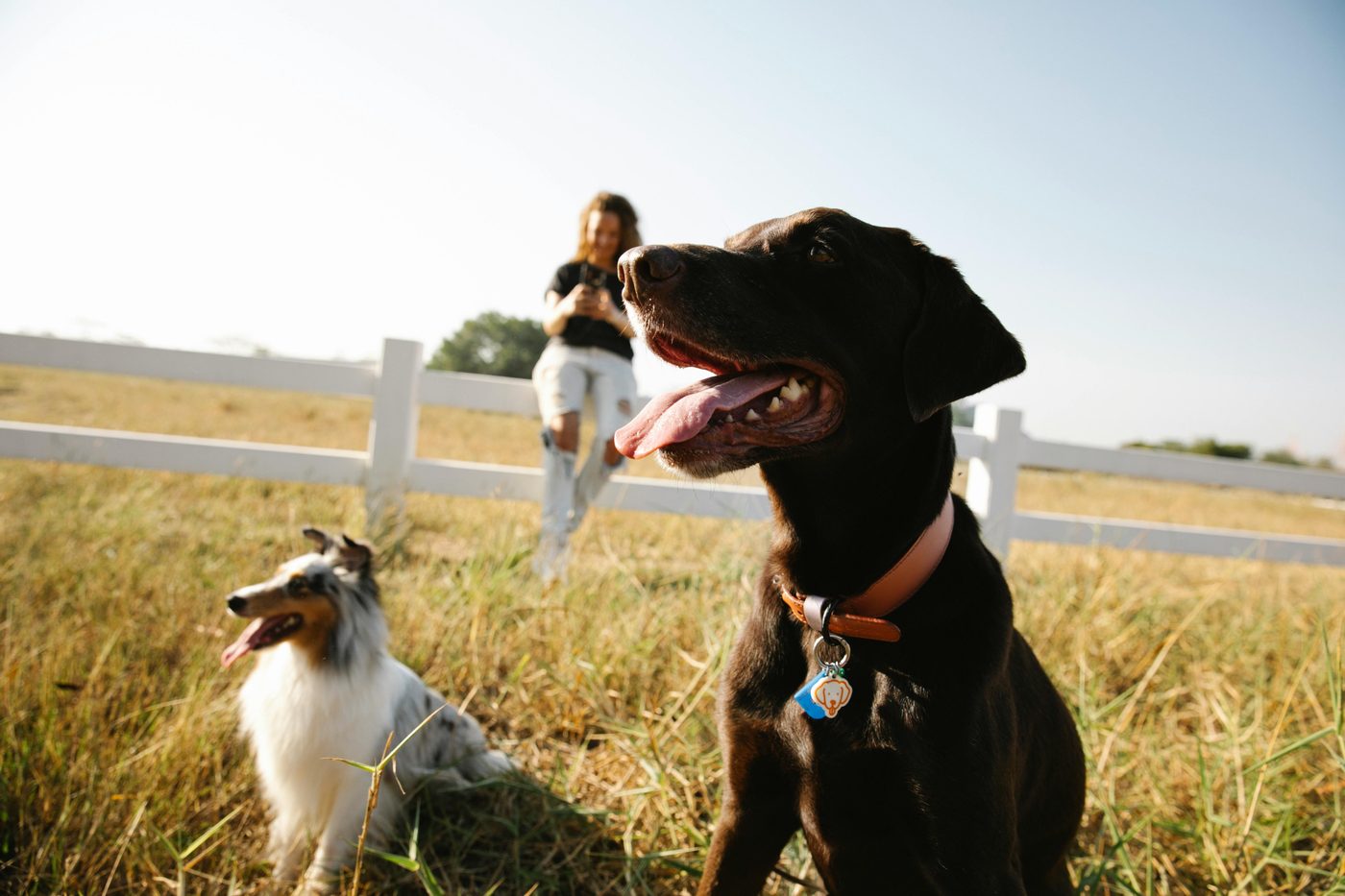
Set up the shot around a calm moment instead of asking your dog to hold a difficult pose.
How to film your dog without stress
Use this quick routine before you press record.
1. Set up first
Put your phone in place, check lighting, move clutter, and prepare treats before your dog joins.
Many dogs get restless when they are asked to wait while humans adjust the camera. Keep setup time separate from dog time.
2. Use treats or toys fairly
Reward the behavior you want. Do not tease your dog with food and then keep taking it away for a reaction.
If your dog is food-motivated, use small treats so the session stays light. If they prefer toys, reward with a short tug, toss, or toy reveal.
3. Keep takes short
Aim for one to three minutes, especially with puppies, young dogs, anxious dogs, senior dogs, or dogs still learning the skill.
If you need more footage, split it into several sessions across the day instead of pushing through one long take.
4. Give your dog an exit
Do not block your dog in a corner or hold them in place for a clip.
A dog who walks away is giving useful information. Let them leave, reset the setup, or choose a different idea.
5. End on an easy win
Finish with something your dog knows well, reward it, and stop. This keeps filming from becoming a frustrating routine.
A quick safety checklist
Before trying any dog social media trend, ask:
- Is my dog relaxed before we start?
- Can my dog leave the setup?
- Is this safe if my dog jumps, spins, or moves suddenly?
- Am I using rewards instead of pressure?
- Would I still do this if nobody saw the video?
- Is the trend funny without scaring my dog?
- Can I stop after one good take?
If the answer is no, choose a calmer idea.
What if your dog loves attention?
Some dogs enjoy cameras, cues, visitors, costumes, and busy environments. That can be fine if the dog is truly comfortable.
Still, watch for fatigue. A social dog can become overstimulated. A confident dog can still need breaks. A dog who performed happily yesterday may not be in the mood today.
Use consent-based habits:
- invite your dog into the setup instead of placing them there
- reward voluntary participation
- keep props optional
- remove costumes quickly if your dog seems uncomfortable
- stop if enthusiasm drops
Your dog does not need to become a content machine to have a fun online presence.
When to skip filming
Do not film for trends when your dog is:
- eating a meal they guard or value highly
- sleeping deeply
- injured or recovering
- sick or unusually tired
- afraid of the location
- meeting a new dog
- around small children without close supervision
- showing reactivity or fear
- overheating
- already frustrated
Some moments are better handled privately. If your dog is having a hard time, help them first and put the phone away.
FAQ
Are dog social media trends safe?
Some are safe, but not all. A safe trend should be short, voluntary, and built around something your dog understands or enjoys.
How do I know if my dog likes being filmed?
Look for loose body language, easy engagement, normal interest in treats or toys, and willingness to stay near the setup. If your dog avoids the camera, freezes, pants, yawns, or walks away, stop.
Is it okay to dress my dog for videos?
Only if your dog is comfortable and the outfit does not restrict movement, breathing, vision, hearing, or temperature control. Remove it immediately if your dog freezes, paws at it, hides, or looks stressed.
Can I film my dog doing zoomies?
Yes, if the area is safe and you are not causing the zoomies through stress or teasing. Keep furniture, stairs, slick floors, and sharp objects out of the path.
What is the easiest dog content idea?
A short treat search, toy choice, or simple training cue is usually easiest. These ideas are clear for the dog and easy for owners to film.
Conclusion
Dog social media trends can be fun, useful, and even helpful for shelter dogs or training education. But the trend should fit the dog, not the other way around.
Build clips around safe routines, real personality, simple training, and enrichment. Watch body language closely. Reward often. Stop early.
The best dog video is one where the dog would happily do the activity even if the camera was not there.